
If you’re a young aspiring farmer or simply looking to raise healthy chickens, the world of 4-H poultry projects is an exciting place to start. Not only do these projects teach essential life skills like animal care and responsibility, but they also provide a chance to learn about sustainable farming practices and develop your own unique project ideas.
As part of the 4-H program, participating in a poultry project can be incredibly rewarding. By learning how to raise chickens, you’ll not only gain hands-on experience with animal husbandry, but you’ll also have the opportunity to show off your skills at local fairs and events. In this guide, we’ll cover everything from selecting the right birds for your project to setting up a safe and healthy coop environment.
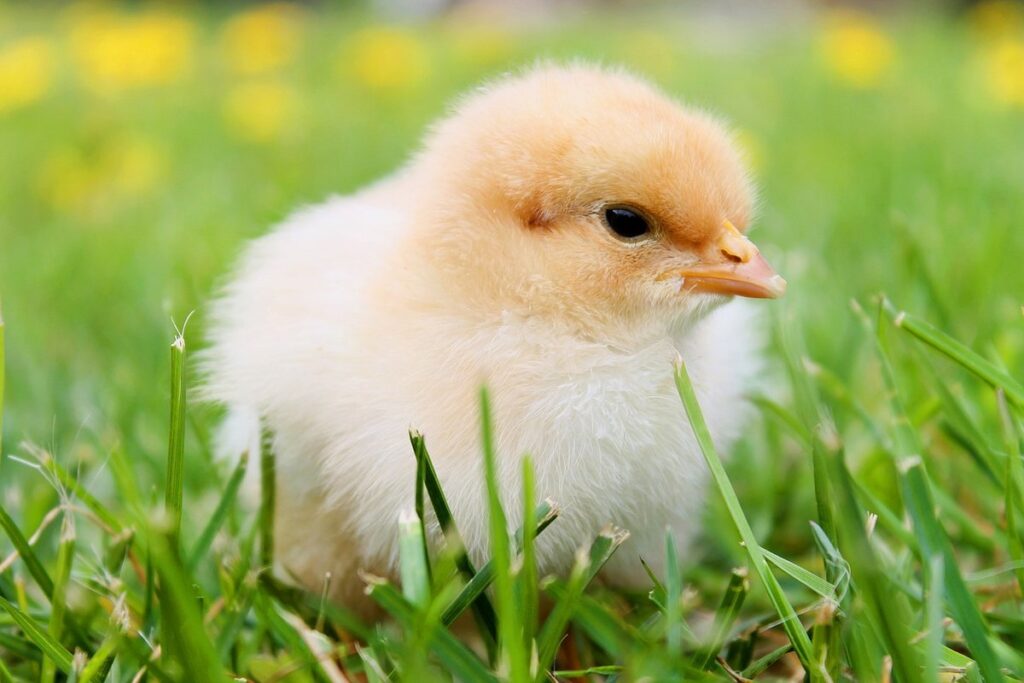
Introduction to 4-H Poultry Projects
Welcome to our comprehensive guide on 4H poultry project ideas, where we’ll cover everything you need to know to get started with raising chickens for your local fair. Let’s dive into the basics of these exciting projects!
What are 4-H Poultry Projects?
As you explore 4-H poultry projects, it’s essential to understand what these projects entail and their benefits for young participants. At its core, a 4-H poultry project is an educational program designed to teach kids valuable life skills, responsibility, and animal husbandry practices through the care and management of poultry.
The primary purpose of 4-H poultry projects is to provide a hands-on learning experience for children aged 5-19. By participating in these projects, young members develop essential skills such as animal handling, feeding, health checks, and egg production. They also learn about nutrition, genetics, and breeding principles, which are valuable life skills that transcend the project itself.
One of the significant benefits of 4-H poultry projects is the opportunity for kids to work with animals from a young age. This helps them develop empathy, compassion, and a sense of responsibility towards their animals. Additionally, these projects foster teamwork, communication, and problem-solving skills as members learn to work together to achieve project goals.
As you consider participating in or leading a 4-H poultry project, remember that the focus is on education, not competition. The goal is to empower young minds with practical knowledge and life skills that will benefit them throughout their lives.
Benefits of Raising Chickens in 4-H
Raising chickens through 4-H programs offers numerous benefits that go beyond just learning about poultry. One of the most significant advantages is the development of essential life skills and responsibility. As 4-H members care for their chicken projects, they learn valuable lessons such as time management, financial planning, and problem-solving.
For instance, caring for a flock requires a regular routine, including daily feeding, watering, and cleaning. This routine teaches members the importance of dedication and commitment. Furthermore, managing the expenses associated with raising chickens helps develop budgeting skills and understanding of where food comes from.
Moreover, 4-H poultry projects provide opportunities to learn about animal behavior, nutrition, and health. Members can observe and record chicken behavior, learn about different breeds, and understand how to maintain a healthy flock. These experiences not only enhance knowledge but also foster empathy and appreciation for the animals in their care.
Choosing a 4H Poultry Project
When it comes to selecting a poultry project, you’ll want to consider factors such as space, cost, and personal experience to ensure a successful venture. Let’s dive into these key considerations together.
Types of Birds Suitable for 4-H Projects
When it comes to choosing a 4-H poultry project, selecting a suitable breed is crucial for success. You’ll want to consider breeds that are friendly, easy to manage, and produce quality eggs or meat. Here are some popular chicken breeds suitable for 4-H projects:
For those interested in egg production, the Leghorn is an excellent choice. They’re known for their high egg-laying abilities, producing up to 280 large brown eggs per year. Easter Eggers are another great option, laying blue and green eggs that kids love.
If you’re looking for a breed that’s perfect for meat production or showing, consider the Plymouth Rock or Wyandotte. These breeds have excellent growth rates, with some pullets reaching market weight in as little as 16-18 weeks. The Rhode Island Red is another popular choice for its friendly temperament and high egg production.
When selecting a breed, remember to research their specific needs, such as space requirements and feed consumption. This will ensure that you’re prepared to provide the best possible care for your birds.
It’s essential to note that some breeds may be more suitable for beginners than others. The Orpington, for example, is known for its docile nature and is often recommended for younger 4-H members.
Factors to Consider Before Starting Your Project
Before diving into the world of 4H poultry projects, it’s essential to consider several key factors that will impact the success and feasibility of your project. First and foremost, think about the space requirements for your chosen breed. Some breeds, such as chickens, require significantly more space than others, like ducks or turkeys. Make sure you have enough room in your backyard or designated area to accommodate the birds’ needs.
Feed costs are another crucial consideration. Different breeds have varying feed requirements, and some may be more expensive to maintain than others. Research the specific feed needs of your chosen breed and factor these costs into your overall budget. Additionally, consider the health considerations for your project. Some breeds are more prone to certain diseases or health issues, which can impact the welfare of the birds and require additional care.
It’s also important to assess your local regulations and zoning laws regarding poultry keeping. Ensure that you have the necessary permits and approvals before starting your project. By carefully considering these factors, you’ll be well-prepared for a successful 4H poultry project.
Planning Your Poultry Project
Before you start raising those chickens, let’s talk planning. In this crucial step, we’ll cover the essentials of setting up a successful and sustainable poultry project that meets 4H requirements.
Determining Project Goals and Objectives
Determining project goals and objectives is crucial to ensure your 4-H poultry project meets its intended purpose. To set clear goals, ask yourself what you want to achieve with your project. Is it to improve backyard chicken-keeping skills? Increase egg production? Develop a sustainable meat-producing system?
Start by setting specific, measurable targets for your project. For instance, if you’re aiming to increase egg production, decide on a realistic target number of eggs per week or month. This will help you determine the necessary resources and infrastructure required to meet that goal.
When defining objectives, consider what metrics will be used to measure success. Is it egg quality, quantity, or perhaps financial sustainability? Make sure your goals are aligned with your project’s purpose and feasible within your timeframe.
Set realistic targets based on factors like available space, time commitment, and resources. For example, if you have limited backyard space, focus on a smaller flock size to ensure manageable feed and waste management.
Developing clear goals and objectives will not only help you stay focused but also provide a framework for evaluating project progress and identifying areas for improvement. By setting specific targets, you’ll be better equipped to make informed decisions throughout your project’s duration.
Record Keeping and Data Management
As you embark on your 4-H poultry project, it’s essential to keep accurate records of your progress. This not only helps you track your successes and areas for improvement but also ensures that you’re meeting the requirements of your project. Poor record-keeping can lead to lost data, mistakes, and missed opportunities.
To manage your data effectively, start by setting up a system from day one. Use a dedicated notebook or spreadsheet to log key information such as breed selection, hatch dates, feed consumption, weight gain, and vaccination schedules. Include photos of birds at different stages, noting any health issues or notable characteristics. You’ll also want to track income and expenses related to the project.
Regularly reviewing your records will help you identify trends and patterns in your data. This can inform decisions about feeding, breeding, and disease management strategies. For example, if you notice a decline in weight gain over time, you may need to adjust your feeding regimen or consider introducing new breeds with better growth rates.
Implementing Your Poultry Project
Now that you’ve chosen a poultry project idea, it’s time to put your plan into action. This section will walk you through the practical steps of bringing your flock to life.
Setting Up a Suitable Coop or Enclosure
When designing and constructing a coop or enclosure for raising chickens as part of your 4H poultry project, safety and functionality are top priorities. Start by assessing the space where the coop will be built to ensure it’s well-ventilated and receives adequate sunlight.
Consider using durable materials such as wood, metal, or recycled plastic for the frame and walls of the coop. Make sure the coop is predator-proof by adding hardware cloth around windows and ventilation openings.
A suitable coop should have a cleanable nesting box with removable trays to collect eggs daily. Adequate space per bird is also essential; provide at least 3-4 square feet per chicken inside the coop, and 8-10 square feet in the run.
For an optimal setup, ensure the coop has easy access for cleaning, feeding, and egg collection. A covered run with adequate shade can help protect birds from extreme weather conditions.
Feeding and Nutrition Strategies
When it comes to feeding and nutrition strategies for your 4-H poultry project, providing fresh water and a balanced diet is essential. A good quality feed should be the foundation of your birds’ nutrition, but you can also supplement with fruits, vegetables, and grains. For example, adding mealworms or sunflower seeds to their diet can provide a nutritious boost.
It’s crucial to ensure that your birds always have access to clean, fresh water. Consider investing in a watering system that allows for easy cleaning and maintenance. Aim to provide 1-2 ounces of fresh water per pound of body weight daily. A well-balanced feed should contain around 16-18% protein, depending on the age and breed of your birds.
Consider also providing some enrichment activities, such as offering hiding places or a dust bath. These can help stimulate their natural behaviors and reduce stress. Make sure to follow local regulations regarding what can be fed to your poultry, as some items may be prohibited. By prioritizing fresh water and a balanced diet, you’ll set your birds up for optimal health and growth.
Monitoring and Maintaining Your Poultry Project
Now that you’ve hatched your 4H poultry project, it’s essential to monitor its progress and perform regular maintenance tasks to ensure success. This section will guide you through these critical steps.
Health Checks and Disease Prevention
Monitoring your flock’s health is crucial to ensure their well-being and productivity. Regular health checks help identify potential issues before they become serious problems. Start by observing your birds’ behavior, appetite, and droppings daily. Check for signs of stress, lethargy, or changes in plumage.
Vaccinations are essential to prevent diseases such as Newcastle disease and avian influenza. Consult with a veterinarian to determine the best vaccination schedule for your flock based on their age, breed, and local disease prevalence. Keep accurate records of vaccinations to ensure you’re up-to-date and compliant with regulations.
Parasite control is also vital in maintaining healthy birds. Regularly inspect your flock for signs of parasites like mites, lice, or worms. Use safe and effective treatments as needed, following the product’s instructions carefully. Practice good biosecurity by keeping your coop clean, removing soiled bedding, and disinfecting equipment regularly.
Remember, prevention is key. By staying vigilant and taking proactive measures, you can reduce the risk of disease outbreaks and ensure a healthy, thriving flock.
Managing Manure and Waste Effectively
When managing a poultry project for 4-H, it’s essential to prioritize environmentally responsible manure and waste management. Not only does this protect local water sources and ecosystems, but it also demonstrates good animal husbandry practices.
To start, it’s crucial to understand the concept of “manure-to-manure” or “manure-to-feed” ratio. This means that for every pound of feed your birds consume, they produce about a quarter-pound of manure. To minimize waste, focus on feeding efficiency and using high-quality feed. This will not only reduce manure output but also promote better health in your flock.
Proper storage is key to preventing water pollution. Use covered, well-ventilated structures or containers for manure collection and storage. Regularly clean and disinfect these areas to prevent odors and disease transmission. Consider composting manure on-site using techniques like “hot” or “cold” composting methods. This turns waste into nutrient-rich fertilizer, reducing the need for synthetic fertilizers.
Regular monitoring of your flock’s health and feed intake will help you identify potential issues before they become major problems.
Evaluating Your Poultry Project
Now that you’ve decided on a poultry project, it’s time to evaluate its feasibility and potential for success. This step will help ensure your project is manageable and rewarding.
Assessing Project Success and Progress
As you work on your 4-H poultry project, it’s essential to regularly assess its success and progress. This will help you identify areas of improvement, make informed decisions, and ultimately achieve your goals. One way to do this is by tracking production levels. Keep a detailed record of egg production, feed consumption, and weight gain in your birds. This data will not only help you understand the overall health and well-being of your flock but also enable you to adjust feeding schedules, monitor for signs of disease, and make informed decisions about breeding or culling.
Financial management is another crucial aspect of evaluating project success. Set clear financial goals and regularly track expenses such as feed, vaccinations, and equipment costs. Compare these expenses to projected revenue from egg sales or meat production. This will give you a clear picture of your project’s financial health and help you make adjustments to stay on budget. Consider using online tools or spreadsheets to streamline record-keeping and make it easier to review progress over time.
Lessons Learned and Future Improvements
As you conclude your 4-H poultry project, take this opportunity to reflect on what went well and where improvements can be made. This process is crucial for growth and success in future projects. Start by thinking about the lessons learned from the project.
What were some of the challenges faced during the project? Were there any unexpected setbacks or successes? Identifying these experiences will help you determine areas that require attention for improvement. For instance, if a flock struggled with disease management, consider investing in better ventilation systems or disease prevention strategies for future projects.
Another area to focus on is time management and organization. Did you struggle to balance responsibilities such as feeding, cleaning, and record-keeping? To improve efficiency, explore tools like poultry project apps that can streamline tasks and provide valuable insights. By acknowledging areas for improvement and actively working to address them, you’ll be better equipped to tackle future projects with confidence and success.
Frequently Asked Questions
How can I balance my poultry project with school work and other responsibilities?
Balancing a poultry project with school work and other responsibilities requires effective time management and prioritization. Set realistic goals for your project, delegate tasks when possible, and schedule regular check-ins to ensure you’re staying on track. Communicate regularly with your family and friends about your commitments and seek help when needed.
What if I encounter health issues or diseases in my flock?
Yes, it’s essential to have a plan in place for managing health issues and diseases in your flock. Regularly monitor your birds’ behavior, appetite, and droppings, and establish relationships with local veterinarians who specialize in poultry care. Keep accurate records of vaccinations, treatments, and any issues that arise.
Can I raise chickens in an urban area or small backyard?
Yes, it’s possible to raise chickens in an urban area or small backyard, but you’ll need to research and comply with local regulations regarding backyard chicken keeping. Consider factors like space, noise level, and proximity to neighbors before setting up your coop. Choose breeds suitable for smaller spaces, such as bantams or dwarf varieties.
How do I handle the waste generated by my poultry project?
Managing manure and waste effectively is crucial for maintaining a healthy environment and complying with regulations. Implement a regular cleaning schedule for your coop, use absorbent bedding materials like straw or pine shavings, and consider composting to reduce waste. Store manure in designated areas and follow proper disposal procedures.
What’s the most important thing I should focus on when starting my poultry project?
Focus on providing a safe and healthy environment for your birds by ensuring their coop meets basic standards for ventilation, lighting, and sanitation. Research and understand the specific needs of your chosen breed, including dietary requirements and exercise needs. Establish a routine for regular cleaning and maintenance to prevent health issues and ensure your birds thrive.