
If you’re thinking of adding some new feathered friends to your backyard flock, or perhaps you’re a seasoned chicken enthusiast looking for a new breed to love, you might want to consider the charming Partridge Barred Rock. This delightful breed has been a favorite among chicken keepers for generations, and it’s easy to see why – with their beautiful barred feathers and friendly disposition, they’re sure to win your heart. But before you bring home these lovely birds, there are some essential things you should know about their origins, history, breeding requirements, and care needs. In this article, we’ll take a closer look at the Partridge Barred Rock chicken, covering everything from their unique characteristics to the best ways to provide for them in your own backyard.
Origins and History
Let’s take a step back and explore where these amazing birds came from, tracing their fascinating history that spans centuries. From humble beginnings to global popularity, it’s an intriguing story.
The Breeding Process
The Partridge Barred Rock breed is a product of careful selection and breeding over the years. Its origins can be traced back to the United States, where it was developed from the Barred Plymouth Rock chicken. The key factors that influenced its creation were geographical location and genetics.
In the early 20th century, poultry farmers in the northeastern United States began crossing Barred Plymouth Rocks with other breeds to create a more robust and adaptable bird. They wanted a chicken that could thrive in the harsh winter conditions of the region. The resulting offspring, which would eventually become known as Partridge Barred Rocks, had inherited the hardiness of their parents but with some distinct differences.
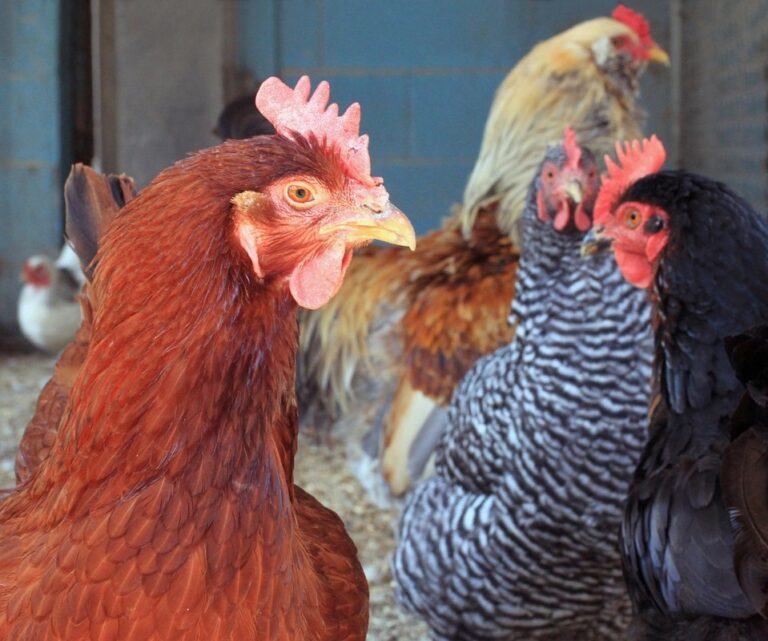
One notable difference was their feather pattern. Instead of the classic white-and-black striping of the Barred Plymouth Rock, the Partridge Barred Rock has a mottled brown and gold plumage with black bars. This unique coloration is a result of genetic variation introduced during the breeding process. Today, the Partridge Barred Rock remains a popular choice among backyard chicken keepers due to its friendly temperament and ability to forage effectively in cold climates.
Evolution from Other Breeds
The Partridge Barred Rock’s unique characteristics make it stand out from other breeds, but it also shares some interesting similarities. One of the closest relatives of the Partridge Barred Rock is the Black Australorp, which was developed in Australia in the early 20th century. Like the Partridge Barred Rock, the Black Australorp is a prolific egg-layer, producing an average of 250-300 large brown eggs per year.
However, while the Black Australorp excels at laying eggs, it lacks the distinctive barred pattern and rugged good looks of the Partridge Barred Rock. On the other hand, the Plymouth Rock shares some similarities with the Partridge Barred Rock in terms of its hardiness and foraging ability, but it has a more rustic appearance.
If you’re considering adding the Partridge Barred Rock to your flock, keep an eye out for the Marans or Welsummer breeds, which share similar barred patterns. These breeds may not be as productive as some other egg-layers, but they make up for it with their unique characteristics and charming personalities.
Physical Characteristics
When it comes to identifying Partridge Barred Rock chickens, their physical characteristics are a great place to start. Let’s take a closer look at their distinctive plumage and other defining features.
Size and Weight
Adult Partridge Barred Rocks typically weigh between 4 and 5 pounds (1.8 to 2.3 kilograms) and stand about 20 inches (51 centimeters) tall at the shoulder. They are medium-sized birds, making them a great choice for backyard flocks or small farms.
When it comes to living conditions, Partridge Barred Rocks prefer a spacious area with enough room to roam and exercise. A minimum of 2-3 square feet per bird is recommended, but more space is always better. Ensure your coop has adequate ventilation to keep the air fresh and dry. You should also provide a solid floor or wire mesh enclosure to protect their feet from drafts.
In terms of ideal living conditions, Partridge Barred Rocks thrive in temperatures between 40°F (4°C) and 80°F (27°C). They are hardy birds but can be sensitive to extreme weather conditions. Provide shade and shelter from direct sunlight during hot summer months, and make sure they have access to wind protection during cold winter months.
A well-designed coop with adequate space, ventilation, and climate control will help keep your Partridge Barred Rocks healthy and happy.
Feather Patterns and Colors
When it comes to the physical characteristics of partridge barred rock chickens, their distinctive feather patterns and colors are one of their most striking features. The breed’s unique appearance is largely due to its genetic makeup, which determines the intricate patterns and coloration of their feathers.
Genetics play a crucial role in producing these unique traits. Each feather on a partridge barred rock chicken has two main components: the barbs and the barbules. The barbs are long, stiff filaments that make up the bulk of the feather, while the barbules are smaller, branching fibers that zip together to form the feather’s distinctive pattern.
One of the key factors contributing to the partridge barred rock chicken’s distinctive look is its gene for “roaning,” which causes the individual feathers to have a speckled or mottled appearance. This effect is achieved through the interaction of two types of melanin: eumelanin and pheomelanin. The interplay between these two melanins creates the characteristic striped pattern that’s a hallmark of the breed.
The color palette of partridge barred rock chickens can range from rich, dark browns to warm, golden tones, making each bird uniquely beautiful.
Comb Types and Beak Shape
When it comes to identifying a Partridge Barred Rock chicken, you’ll want to take note of its comb type and beak shape. These characteristics not only add to the breed’s unique appearance but also have practical implications for egg-laying capabilities.
There are several types of combs found on chickens, including single, rose, and pea combs. Partridge Barred Rock chickens typically sport a single comb, which is characterized by its long, pointed shape that extends down from the forehead. This type of comb allows for good airflow and helps to regulate body temperature, making it an ideal choice for breeds like the Barred Rock.
Beak size and shape also vary among chicken breeds, with Partridge Barred Rocks typically having a medium-sized beak that’s neither too long nor too short. The shape is usually straight or slightly curved, which aids in pecking at feed and foraging for food. When it comes to egg-laying, a well-proportioned beak can make a big difference – one that’s either too large or too small can lead to issues like cracked eggs or difficulty accessing nesting boxes.
Keep an eye out for these characteristics when selecting a Partridge Barred Rock chicken, as they’re essential factors in determining the breed’s overall health and egg-laying potential.
Temperament and Personality
When it comes to the lovable Partridge Barred Rock, understanding their temperament and personality is key to building a strong relationship. Let’s explore what makes these birds tick.
Friendliness and Socialization
Partridge Barred Rocks are renowned for their affectionate and docile nature, making them an excellent choice as pets. These chickens are incredibly friendly towards humans and can form strong bonds with their owners. They are eager to please and love human interaction, often seeking attention and affection from their caretakers.
One of the most striking aspects of Partridge Barred Rocks is their calm demeanor around other animals. They tend to get along well with other breeds, especially if socialized properly from an early age. In fact, many owners report that their Partridge Barred Rocks are more likely to cuddle and play with their dog or cat companions than fight them.
To foster a strong bond between your Partridge Barred Rock and you, make sure to spend quality time with her daily. Provide a safe and comfortable environment where she can explore and engage in natural behaviors like foraging and scratching. Be patient and gentle when interacting with her, as this will help establish trust and strengthen your connection.
Remember, socialization is key to developing a well-adjusted and friendly Partridge Barred Rock. Expose her to various environments, sights, and sounds from an early age, and she’ll grow into a confident and outgoing companion that will bring joy and companionship to your life.
Noise Levels and Roosting Habits
When it comes to noise levels and roosting habits, Partridge Barred Rock chickens are surprisingly considerate of their surroundings. Unlike some other breeds that can be quite vocal, these birds tend to keep their chirping and clucking to a minimum, especially in the evenings when they’re settling down for the night.
In fact, studies have shown that the average noise level produced by a Partridge Barred Rock flock is significantly lower than that of other popular backyard chicken breeds. For instance, according to a study published in Poultry Science, the sound levels generated by a group of Partridge Barred Rocks were found to be around 50 decibels, which is roughly equivalent to the noise level of a normal conversation between two people.
When it comes to roosting habits, Partridge Barred Rocks are known for their love of perching and snuggling up in their cozy nests. They tend to roost in groups, often huddled together in a tight cluster on the highest perch or in a designated roosting box. This social behavior not only helps to keep them warm and secure but also allows them to feel safe and protected from potential predators.
If you’re planning to bring a flock of Partridge Barred Rocks into your backyard, here’s a tip: provide multiple perches and roosting boxes at different heights to accommodate their love of snuggling up together. This will not only keep them happy but also help to reduce the likelihood of fights and stress within the flock.
By understanding and accommodating these unique characteristics, you can create a harmonious and peaceful environment for your Partridge Barred Rock chickens to thrive in.
Adaptability to New Environments
When it comes to adaptability, Partridge Barred Rocks are often overlooked. However, this breed has proven itself to be surprisingly resilient in the face of change. One key factor in their adaptability is their hardiness. Born and raised outdoors, these chickens are accustomed to coping with unpredictable weather patterns. Whether it’s sweltering heat or freezing cold, they’re built to withstand it.
In terms of climate adaptation, Partridge Barred Rocks are well-suited to a wide range of conditions. They thrive in temperatures from -20°F to 90°F (-29°C to 32°C), making them an excellent choice for farmers with varying climates. Their geography-specific adaptability is also noteworthy. For example, if you live in an area prone to high winds or heavy rainfall, their sturdy build will serve them well.
To ensure a smooth transition for your flock, it’s essential to provide a gradual introduction to new environments. Start by acclimating them to the outdoors or introducing new companions at a slow pace. Also, consider factors like ventilation, lighting, and feeding schedules, which can significantly impact your Partridge Barred Rock’s comfort level. By paying attention to these details, you’ll help your flock settle in with minimal stress.
Health Considerations
When raising partridge barred rock chickens, it’s essential to be aware of the potential health considerations that come with owning these lovable birds. Let’s take a closer look at some common issues that may arise.
Common Ailments and Conditions
As a responsible chicken keeper, it’s essential to be aware of the common health issues that can affect your Partridge Barred Rock chickens. These birds are generally hardy and relatively low-maintenance, but like all breeds, they’re not immune to certain health problems.
Respiratory issues are one of the most common concerns for backyard chicken keepers. Barring proper ventilation and regular cleaning of the coop, dust and ammonia buildup can irritate your chickens’ lungs, leading to coughing and difficulty breathing. To mitigate this risk, ensure good airflow in your coop by installing windows or vents and providing regular opportunities for exercise outside.
Another condition to watch out for is egg-binding. This occurs when a hen has trouble laying her eggs due to the size of the egg or issues with the reproductive tract. Symptoms include straining during lay, lethargy, and loss of appetite. If you suspect your Partridge Barred Rock is experiencing egg-binding, contact a veterinarian experienced in poultry care as soon as possible.
Regular check-ups and a balanced diet can go a long way in preventing these issues from arising. Make sure to provide fresh water, nutritious feed, and adequate space for exercise and exploration.
Genetics-Related Health Risks
As you consider bringing home a partridge barred rock chicken, it’s essential to be aware of potential genetics-related health risks associated with this breed. One primary concern is the risk of genetic disorders such as Legg-Calve-Perthes disease and tibial dyschondroplasia, which can cause hip and joint problems in young birds.
Another critical issue is the susceptibility to Marek’s disease, a viral condition that affects the nervous system and immune system. This breed’s genetic predisposition to these diseases means it requires careful management to prevent outbreaks.
To mitigate these risks through selective breeding, start by researching reputable breeders who prioritize health and genetics in their selection process. Look for birds with known ancestry and health clearances for conditions like Marek’s disease.
It’s also crucial to maintain a clean and well-ventilated coop, ensure proper nutrition and exercise, and regularly monitor your flock for signs of illness. Regular veterinary check-ups can help identify potential issues early on, allowing you to take preventive measures or adjust breeding strategies as needed.
Nutrition and Diet Requirements
When it comes to partridge barred rock chickens, their nutritional and dietary requirements are quite specific. These birds have a unique genetic makeup that affects their metabolism and energy needs. As a result, they require a balanced diet that’s rich in protein, calcium, and other essential nutrients.
One of the most critical aspects of their diet is providing adequate calcium to support strong bone development and egg production. Partridge barred rock hens need about 2-3% calcium in their diet, which can be achieved by offering crushed oyster shells or dark leafy greens like kale and spinach. You should also make sure they have access to fresh water at all times.
In addition to calcium, partridge barred rocks require a balanced mix of proteins, vitamins, and minerals. A good quality layer feed that’s formulated specifically for backyard chickens is a great starting point. However, it’s essential to supplement their diet with fresh fruits and vegetables, such as berries, carrots, and squash, to ensure they get all the necessary nutrients.
It’s also worth noting that partridge barred rocks are prone to certain health issues, including egg binding and osteoporosis, which can be linked to nutritional deficiencies. By paying close attention to your birds’ dietary needs and making a few simple adjustments, you can help prevent these problems and keep your flock healthy and thriving.
Breeding and Hatching
When it comes to raising partridge barred rock chickens, understanding the breeding and hatching process is crucial for success. This section will guide you through the essential steps of incubation and chick rearing.
Choosing Healthy Breeders
When it comes to selecting healthy breeders for optimal reproductive success with your Partridge Barred Rock chickens, there are several key factors to consider. Genetic diversity is crucial to ensure that your flock remains robust and resilient against disease and environmental stressors.
To prioritize genetic diversity, look for breeders who have a diverse range of breeding stock within their flocks. This can be achieved by selecting breeders with multiple bloodlines or families represented among their birds. A good starting point is to check the breeder’s website or social media profiles for information on their breeding program and selection criteria.
Another critical consideration is robust egg-laying capabilities, which will directly impact your flock’s reproductive success. Look for breeders who have a history of producing chickens with high egg production rates, as well as those that are known for their fertility and hatchability. You can also ask the breeder about their selection process for breeding stock and what traits they prioritize.
When selecting breeders, don’t just rely on online reviews or word-of-mouth recommendations. Take the time to research their reputation and credentials by checking with local poultry associations, attending bird shows, or visiting their farms in person.
Nurturing Chicks to Maturity
As you bring your newly hatched Partridge Barred Rock chicks home, it’s essential to focus on their care and development to ensure they reach maturity strong and healthy. The first few weeks of a chick’s life are critical, and proper nutrition is vital for their growth.
Feed intake should be monitored closely during the starter phase (0-4 weeks). Offer a high-quality starter feed that contains 20% protein and maintain a clean water supply at all times. Make sure to provide a shallow dish to prevent drowning risks.
Temperature control is another crucial aspect of chick care. The ideal temperature for chicks varies depending on their age: 90°F – 95°F (32°C – 35°C) for the first week, gradually decreasing by 5°F (3°C) each subsequent week until they reach 60°F (15°C).
Vaccination protocols also play a significant role in maintaining your flock’s health. Consult with a veterinarian to determine the best vaccination schedule for your region and climate. Regular health checks should be conducted to monitor for signs of illness, and quarantine procedures should be implemented promptly if any issues arise.
Potential Breeding Challenges
When breeding Partridge Barred Rock chickens, it’s essential to be aware of potential challenges that may arise during this process. Reproductive health issues are a common concern for many breeders. For example, the hens may experience delayed egg-laying or reduced fertility due to nutritional deficiencies, stress, or genetic factors.
Environmental stressors can also play a significant role in reproductive problems. Extreme temperatures, humidity levels, and poor ventilation can all impact the health of your flock. As a breeder, it’s crucial to create a suitable environment for your birds to thrive in.
Some common environmental stressors include:
* Overcrowding: This can lead to increased competition for food and space, causing unnecessary stress on the birds.
* Poor nutrition: Inadequate or unbalanced diets can impact reproductive health and overall well-being.
* Insufficient light: Partridge Barred Rock chickens require adequate lighting to regulate their circadian rhythms and stimulate egg-laying.
To mitigate these risks, it’s vital to maintain a clean, safe, and stress-free environment for your birds. Regular health checks, balanced nutrition, and proper management practices can go a long way in ensuring the success of your breeding program.
Conclusion
As you near the end of our journey through the wonderful world of Partridge Barred Rock chickens, let’s summarize the key takeaways from our discussion.
Recap of Key Takeaways
Partridge Barred Rock chickens are truly unique birds that can bring joy and excitement to any backyard flock. As we’ve explored throughout this blog post, these beautiful birds have a distinct set of characteristics, temperament traits, and care requirements that make them an excellent choice for many chicken keepers.
One of the standout features of Partridge Barred Rocks is their striking appearance. Their barred feathers in shades of brown, gold, and black create a stunning visual effect that’s hard to resist. But it’s not just about looks – these birds also have a wonderful temperament that makes them an absolute pleasure to raise.
In terms of temperament, Partridge Barred Rock chickens are known for being friendly, docile, and relatively low-maintenance. They’re great with children and other pets, making them an excellent choice for families or those who want a stress-free backyard flock experience. However, as we discussed earlier, they can be quite curious and prone to exploring their surroundings, so it’s essential to provide plenty of enrichment activities and regular exercise.
In terms of care requirements, Partridge Barred Rock chickens are relatively easy to care for. They’re adaptable to various climates, but they do prefer cooler temperatures and well-ventilated coops. When it comes to nutrition, these birds require a balanced diet that includes high-quality layers pellets, fresh fruits and veggies, and occasional treats.
To recap, here are some key takeaways from our discussion on Partridge Barred Rock chickens:
* Provide plenty of enrichment activities and regular exercise to keep them engaged and stimulated.
* Offer a balanced diet that includes high-quality layers pellets, fresh fruits and veggies, and occasional treats.
* Consider their adaptability to various climates when deciding where to raise your flock.
* Be prepared for their curious nature and potential escape attempts if you don’t provide enough space or enrichment.
By following these tips and understanding the unique characteristics of Partridge Barred Rock chickens, you’ll be well on your way to raising a happy, healthy, and thriving backyard flock.
Frequently Asked Questions
What are the ideal living conditions for Partridge Barred Rock chickens?
Partridge Barred Rocks prefer a temperate climate with moderate temperatures between 40°F to 80°F (-40°C to 27°C). Ensure they have access to adequate ventilation, shelter from extreme weather, and protection from predators. A fenced area with plenty of space for exercise and movement is essential.
How often should I collect eggs from my Partridge Barred Rock hens?
As prolific layers, your Partridge Barred Rocks can produce around 200-220 brown eggs per year. Collect eggs daily to encourage continued laying and maintain a clean coop. Be gentle when handling the eggs to avoid breakage and minimize stress on the birds.
Can I mix Partridge Barred Rock chickens with other breeds in my flock?
While Partridge Barred Rocks are generally friendly, introducing them to other breeds can be challenging. Monitor their behavior closely during the introduction process, ensuring a peaceful coexistence. Provide separate areas for feeding, roosting, and nesting to maintain harmony within your flock.
How do I prevent health issues common to this breed?
Partridge Barred Rocks are prone to certain health issues like respiratory problems and leg issues due to their size. Regularly clean the coop, provide adequate ventilation, and ensure a balanced diet rich in calcium and protein. Consult a veterinarian for guidance on vaccination schedules and parasite control.
Can I raise Partridge Barred Rock chickens as pets or only for egg production?
While primarily bred for egg-laying, many Partridge Barred Rock owners appreciate their friendly nature and keep them as pets. If you plan to raise them as pets, consider culling the males unless you have a breeding program in place. Ensure you can provide the necessary care, attention, and space for these delightful birds.