
If you’re considering adding some majestic roosters to your backyard flock, or perhaps you’re already familiar with these stunning birds but want to learn more about their unique characteristics, you’ve come to the right place. The Silver Laced Wyandotte is a popular breed among chicken enthusiasts, and for good reason – its impressive appearance, friendly temperament, and rich history make it a standout choice. In this comprehensive guide, we’ll delve into the captivating world of Silver Laced Wyandotte roosters, exploring their origins, breeding requirements, health considerations, and show standards in detail. By the end of our journey together, you’ll have a deeper understanding of what makes these birds so special and be equipped with the knowledge needed to successfully breed or care for them.
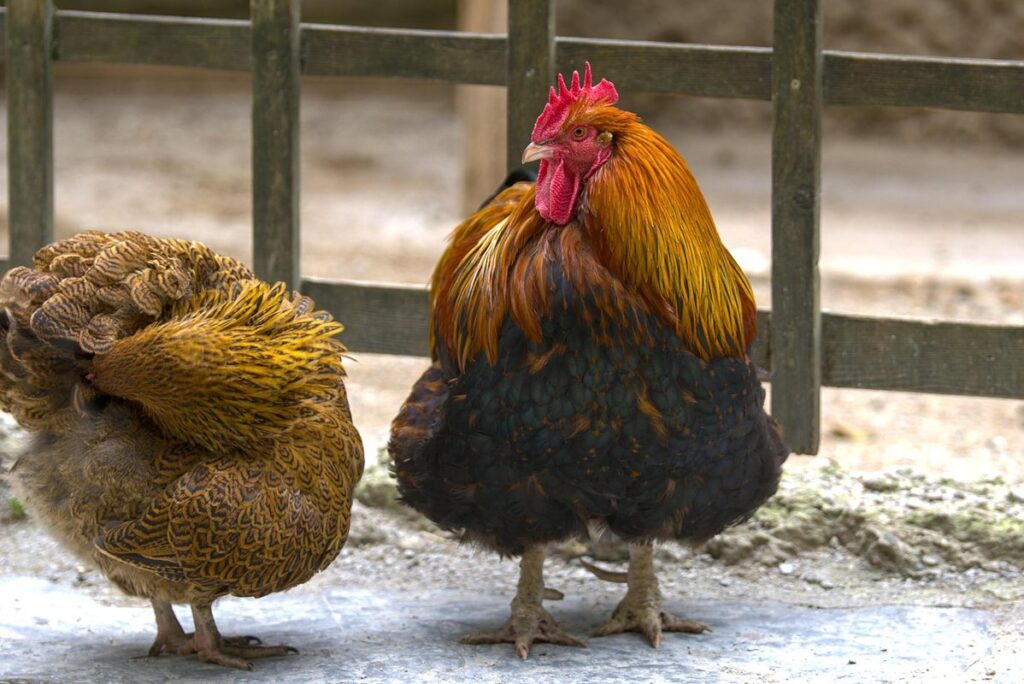
Breed Overview and History
The Silver Laced Wyandotte rooster has a rich history dating back to the late 19th century, when it was first bred in the United States. Let’s take a closer look at its origins and evolution over time.
Origins of the Silver Laced Wyandotte
The Silver Laced Wyandotte breed has its roots in the late 19th century when poultry enthusiasts were experimenting with various combinations of breeds to create unique and desirable characteristics. The exact origin is unclear, but it’s believed that the foundation breeds included the Cochin, Brahma, and other long-tailed fowl from Europe. These birds were crossed with native American breeds, resulting in a robust and beautiful bird.
As you might expect, this genetic melting pot produced some fascinating traits. For example, the Silver Laced Wyandotte’s striking appearance is largely due to its extensive feathering, which is a combination of soft, silky Cochin-style feathers and the hard, lacy texture found in other breeds. The breed’s friendly and docile nature is also thought to be an inheritance from its gentle European forebears.
Some notable characteristics that emerged during this development phase include the Silver Laced Wyandotte’s remarkable egg-laying abilities, with some females producing upwards of 200 eggs per year!
Characteristics of the Silver Laced Wyandotte
The Silver Laced Wyandotte rooster’s appearance is one of its most striking features. Characterized by a beautiful silver-gray plumage, this breed boasts a unique coloration that sets it apart from other chicken breeds. The feathers on their neck and breast are particularly vibrant, with a subtle lacing pattern that gives the breed its name.
But what really makes the Silver Laced Wyandotte stand out is its golden beak and comb. This striking combination adds to the bird’s dignified appearance, making it a showstopper in any backyard flock. The shape of the comb itself is also noteworthy – it’s medium-sized and rounded at the base, with a slight curvature as it meets the back of the head.
When choosing a Silver Laced Wyandotte rooster, it’s essential to look for these distinctive features. A bird with dull or mottled plumage may not be true to breed standard, while a beak that’s more yellow than golden can detract from the overall appearance. By selecting a rooster with these key characteristics, you’ll be able to appreciate the full beauty of this stunning breed in your own backyard.
Physical Characteristics
Let’s take a closer look at what makes these stunning roosters stand out physically, from their striking plumage to their impressive build.
Size and Weight
When it comes to size and weight, silver laced wyandotte roosters are known for their impressive stature. On average, a mature rooster can weigh anywhere from 6-8 pounds (2.7-3.6 kg), with some individuals reaching up to 10 pounds (4.5 kg) or more. In comparison, hens tend to be slightly smaller, weighing around 5-7 pounds (2.3-3.2 kg).
One notable difference between roosters and hens is their overall build. Roosters have a more muscular and robust physique, with well-developed chest muscles that give them a broad and impressive appearance. This is particularly noticeable in the neck area, where roosters tend to have a slightly longer and thicker neck compared to hens.
When it comes to breeding or selecting silver laced wyandotte roosters, size and weight can be an important consideration. However, it’s essential to remember that size is not always an indicator of quality or health. Look for roosters with good conformation, a robust build, and well-proportioned features. With proper care and nutrition, silver laced wyandotte roosters can thrive and reach their full potential in terms of size and weight.
Plumage and Feathers
One of the most striking features of the Silver Laced Wyandotte rooster is its beautiful plumage. The breed’s unique feather pattern is characterized by a delicate silver-lace effect on the wings and tail feathers, giving it an air of elegance and refinement. When viewed in the light, the subtle sheen of the lacing becomes even more apparent, creating a mesmerizing visual effect.
To appreciate the full extent of this stunning plumage, take a closer look at the rooster’s wings. The silver-lace pattern starts from the wingtips and progresses outward in a delicate gradient, blending seamlessly into the surrounding feathers. This gives the impression that the rooster is wearing a delicate lace trim on its wings.
When it comes to selecting a Silver Laced Wyandotte rooster for your flock, look for birds with excellent feather condition and a clear definition between the lacing and the underlying color. With proper care and attention, these stunning roosters will be sure to impress with their breathtaking plumage.
Comb and Wattle
The comb and wattle are two distinctive physical characteristics of the silver laced wyandotte rooster that play a crucial role in identifying the breed. The comb is the fleshy structure on top of the head, while the wattle hangs from the neck. In the case of silver laced wyandottes, both the comb and watte are typically a medium to dark red color with five distinct points or lobes.
The shape and size of the comb can vary slightly among individual birds, but it’s generally rounded in shape and quite large, covering nearly half of the top of the head. The wattle, on the other hand, is usually longer than it is wide, hanging down from the neck like a pendant.
When identifying a silver laced wyandotte rooster, pay close attention to the color, shape, and size of both the comb and wattle. The correct coloration should be a rich red hue with no sign of blue or black tinting.
Temperament and Personality
When it comes to silver laced wyandotte roosters, their temperament is one of their most defining characteristics, playing a huge role in their behavior and interactions. Their personality can be quite unique!
Friendly and Docile Nature
When it comes to temperament and personality, one of the standout characteristics of Silver Laced Wyandotte roosters is their friendly and docile nature. Many owners rave about their gentle disposition, making them an excellent choice for families with children or even those new to raising chickens.
One key reason why these birds are so easy-going is due to their calm temperament. Unlike some other breeds, Silver Laced Wyandottes don’t get easily flustered or stressed out by loud noises or sudden movements. This makes them a joy to handle and interact with – you can gently pick them up, stroke their feathers, and even give them treats without worrying about getting scratched or pecked.
Their friendly nature also extends to other chickens in the coop. Silver Laced Wyandottes are known for being social birds that get along well with their flockmates, which makes integrating new hens into the group a breeze. In fact, some owners have even reported seeing them playfully chasing each other around the yard or engaging in playful antics like dust baths.
If you’re considering bringing a Silver Laced Wyandotte rooster into your backyard flock, don’t worry about their potential dominance issues – these birds are far more interested in foraging and socializing than fighting. With proper care and attention, they’ll reward you with loyal companionship and endless entertainment.
Rooster Behavior and Flock Dynamics
Silver Laced Wyandotte roosters are known for their charming personalities and gentle nature. When it comes to interacting with other birds, they tend to be quite social and friendly. They get along well with hens, especially if introduced at a young age, and will often form close bonds with them.
In terms of flock dynamics, Silver Laced Wyandotte roosters are considered excellent leaders. They have a strong sense of hierarchy and will naturally take on the role of alpha bird in a mixed flock. However, this doesn’t mean they’re aggressive or dominant; rather, they’re assertive and confident, which helps maintain order within the group.
To encourage harmonious interactions between your Silver Laced Wyandotte rooster and hens, it’s essential to provide a balanced diet, ample space for exercise, and plenty of attention from you. Be sure to introduce new birds slowly and under close supervision to avoid any conflicts. With proper care and management, your Silver Laced Wyandotte rooster will thrive as the gentle leader of your flock.
Health Considerations
When considering a silver laced wyandotte rooster for your flock, it’s essential to think about the potential health implications of keeping one. Here are some key considerations to keep in mind when choosing this breed.
Common Health Issues
As a Silver Laced Wyandotte rooster owner, it’s essential to be aware of potential health issues that may arise. One common problem is respiratory issues. These birds are prone to conditions like bronchitis and tracheal stenosis due to their compact bodies and tendency to overheat in hot weather.
Feather pecking is another issue you might encounter. This behavior, where the rooster pecks at his own feathers, can lead to painful wounds and stress. To prevent feather pecking, ensure your bird has a balanced diet rich in calcium and vitamins. Provide plenty of space for exercise and play, as well as stimulating activities like scratching posts and toys.
To monitor your Silver Laced Wyandotte’s health closely, keep an eye out for signs of respiratory distress such as labored breathing, wheezing, or coughing. Regularly inspect his feathers for any damage or pecking. Keep a record of his behavior, eating habits, and any changes in his overall condition to help you identify potential issues early on.
With proper care and attention, your Silver Laced Wyandotte rooster can live a long, healthy life free from these common health problems.
Nutrition and Dietary Requirements
When it comes to feeding your silver laced wyandotte rooster, providing a balanced diet that meets their nutritional needs is crucial. These birds require a high-quality layer feed as their main staple, but you’ll also want to supplement with fresh fruits and vegetables to ensure they’re getting all the essential vitamins and minerals.
A good rule of thumb is to offer a mix of 70% commercial layer feed and 30% fresh produce. Leafy greens like kale, spinach, and collard greens are great sources of iron and calcium, while juicy fruits like berries and apples provide important antioxidants and fiber. Make sure to introduce new foods gradually to prevent digestive upset.
Some additional supplements you may consider adding to their diet include oyster shells for extra calcium and crushed eggshells for added protein. You can also sprinkle a small amount of plain yogurt or kefir on their feed to support gut health. Remember, fresh water should always be available, and it’s best to use a waterer that allows them to drink without having to tip their heads.
When choosing supplements, stick with reputable brands that offer high-quality, nutrient-rich options. Avoid over-supplementing, as this can lead to digestive issues or an imbalance of essential nutrients in the diet.
Breeding and Raising
Breeding silver laced wyandotte roosters requires careful consideration of genetics, temperament, and egg production. If you’re new to breeding, don’t worry – we’ll walk you through the basics of raising a healthy flock.
Breeding Program Overview
Breeding Silver Laced Wyandottes requires a thoughtful approach to ensure healthy and high-quality offspring. When selecting parents for breeding, it’s essential to choose individuals with excellent temperament, conformation, and feather quality. Look for roosters that exhibit vibrant silver lacing on their neck, saddle, and breast feathers, as well as females that display a rich, dark brown plumage.
To start the breeding season, prepare your coop by providing adequate ventilation, lighting, and temperature control to create an ideal environment for incubation. It’s also crucial to select healthy eggs for hatching, which can be done through candling or fertility testing. Once you’ve selected the optimal eggs, set them in the incubator at 99-100°F (37-38°C) with a relative humidity of 50-60%. Monitor temperature and humidity levels daily to ensure a consistent environment.
During the 21-day incubation period, inspect the eggs regularly for any signs of embryo development. After hatching, provide a warm, draft-free area for the chicks to grow and develop before integrating them into your flock. By following these steps, you can increase the chances of successful breeding and raise healthy Silver Laced Wyandotte roosters with desirable traits.
Tips for Raising Chicks
When you bring home those precious silver laced wyandotte rooster chicks from hatch, it’s essential to provide them with the best possible start in life. Proper nutrition is crucial during this critical period of growth and development. Make sure their starter feed is high-quality and specifically formulated for young chickens, ideally 18-20% protein. Supplement with fresh veggies like leafy greens and fruits like berries, but avoid giving them too much or it can lead to digestive issues.
Adequate space is also vital for your chicks’ well-being. Ensure they have a safe, draft-free enclosure where they can move around freely without overcrowding. The general rule of thumb is about 2-4 square feet per chick inside the coop and another 8-10 square feet in the run. Keep an eye on their growth rate and expand their space accordingly.
Monitoring health is equally important, especially during those early weeks when chicks are most vulnerable to disease and stress. Watch for signs like labored breathing, loss of appetite, or lethargy, and take action promptly if you notice anything unusual. Provide a clean, dry environment, and ensure access to fresh water at all times. Regularly disinfect feeders and waterers to prevent bacterial growth.
Showing and Judging
When it comes to showing off your silver laced wyandotte roosters, knowing how to properly show and judge them can make all the difference in a competition. Let’s take a closer look at what you need to know.
Show Rules and Regulations
When showing Silver Laced Wyandotte roosters at poultry shows, it’s essential to familiarize yourself with the specific rules and regulations governing their exhibition. These guidelines vary depending on the show, organization, or breed association hosting the event.
Typically, you’ll need to ensure your bird meets the breed standard for a Silver Laced Wyandotte rooster as outlined by organizations like the American Poultry Association (APA) or the Poultry Club of Great Britain. This may involve submitting documentation or providing proof that your rooster is from a registered breeder.
Some key rules to keep in mind include:
* Ensuring your rooster has been vaccinated against common poultry diseases, such as Marek’s disease and fowl pox
* Providing accurate documentation regarding the rooster’s ancestry, including its parentage and pedigree
* Adhering to size restrictions for showing; typically, Silver Laced Wyandotte roosters must weigh between 7-10 pounds (3.2-4.5 kg) in males
It’s also crucial to review show rules specific to the event you’re attending, as these may differ significantly from national or international breed association guidelines. By understanding and adhering to these regulations, you’ll be well-prepared to showcase your Silver Laced Wyandotte rooster with confidence.
Judging Criteria and Standards
When evaluating silver laced wyandotte roosters for show, judges look for a harmonious blend of key characteristics. First and foremost, plumage is a top priority. Judges seek dense, lustrous feathers that are evenly distributed across the bird’s body, with a soft, silky texture. The silver lacing pattern should be clear and distinct, with a subtle sheen to catch the light.
In terms of size, wyandotte roosters should ideally weigh between 7-9 pounds (3.2-4 kg) and stand around 28-30 inches (71-76 cm) tall. However, it’s not just about meeting these physical requirements – judges also consider overall balance and proportion. A well-balanced bird will have a strong, compact body with well-set wings and tail.
When evaluating the rooster’s appearance, judges look for a smooth, rounded comb that complements the rest of the bird’s features. The eyes should be bright and alert, with a keen intelligence shining through. Overall, the silver laced wyandotte rooster should exude confidence and charm, as if born to rule the coop.
Frequently Asked Questions
How do I choose the right breeder for my Silver Laced Wyandotte roosters?
When selecting a breeder, research their reputation, ask about the health clearances of the parents, and ensure they prioritize breed integrity. Look for breeders who are active in poultry shows and have experience with the Silver Laced Wyandotte. You can also join poultry clubs or online forums to connect with experienced breeders and learn from their expertise.
Can I raise Silver Laced Wyandotte roosters as pets, even if I don’t plan on showing them?
Yes! While Silver Laced Wyandottes are a popular show breed, they make excellent pets due to their friendly and docile nature. With proper care and attention, they can thrive in a backyard flock or even a small backyard setting.
What’s the best way to introduce new Silver Laced Wyandotte roosters to an existing flock?
When introducing new roosters, start by keeping them separate for a few days to allow them to get used to each other’s presence. Then, supervise their interactions closely and ensure they have enough space and resources. A slow introduction can help prevent conflicts and establish a peaceful flock dynamic.
How do I keep my Silver Laced Wyandotte roosters healthy and prevent common health issues?
Maintaining a clean and spacious living environment is crucial to preventing diseases in your Silver Laced Wyandottes. Regularly inspect their coop, provide fresh water and feed, and ensure good ventilation. Also, consider implementing a vaccination program for diseases like Marek’s disease.
Can I breed Silver Laced Wyandotte roosters without prior experience with poultry breeding?
While it’s possible to learn as you go, breeding chickens can be challenging, especially if you’re new to the process. Start by gaining hands-on experience and building relationships with experienced breeders who can offer guidance and mentorship. Attend workshops or online courses to learn about chicken genetics and breeding principles.