
Starting your own backyard flock or raising show-quality bantams can be an incredibly rewarding experience, but it requires attention to detail, especially when it comes to incubating eggs. Getting the settings right on your bantam chicken incubator is crucial for successful hatching and healthy chicks. The temperature settings, humidity control, and proper egg handling are all vital components of a well-run incubation process.
In this comprehensive guide, we’ll walk you through the essential steps for setting up and maintaining a bantam chicken incubator. We’ll cover the ideal temperature settings for different breeds, how to maintain precise humidity levels, and provide expert advice on egg handling techniques to ensure optimal fertility and hatch rates. We’ll also discuss emergency protocols in case of unexpected issues during incubation.
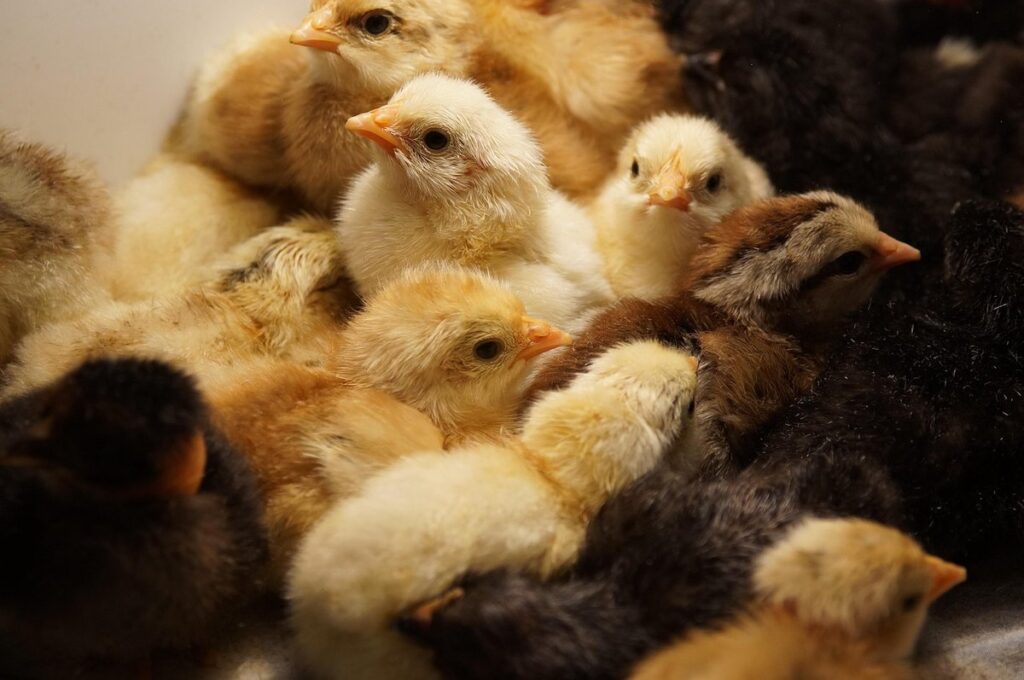
Setting Up Your Bantam Chicken Incubator
First, let’s set up your bantam chicken incubator for a successful hatch. We’ll walk through the essential steps to ensure everything is just right for those tiny eggs to thrive.
Understanding Bantam Chicken Development Stages
Understanding the development stages of bantam chickens is crucial to setting up your incubator correctly. From fertilization to hatching, each stage requires a specific environment and care. Let’s break it down:
Day 1-2: Fertilization – At this stage, sperm from the rooster penetrates the egg yolk, resulting in fertilization. The egg white (albumen) thickens, creating a protective barrier for the embryo.
Day 3-6: Cleavage – Cells divide and multiply, forming a cluster of cells called a blastoderm. This is a critical stage, as it sets the foundation for the chick’s development.
Day 7-10: Morula formation – The blastoderm develops into a morula, a compact mass of cells. This stage marks the beginning of organogenesis, where organs start to form.
Day 11-14: Gastrulation – The embryo undergoes gastrulation, where cells begin to differentiate and migrate to their specific locations in the body.
Day 15-18: Organogenesis – Organs continue to develop, and the chick’s shape becomes more defined. This is an essential period for growth and development.
By understanding these stages, you can adjust your incubator settings accordingly. For example, during the gastrulation stage (day 11-14), maintain a consistent temperature of 99.5°F (37.7°C) and humidity level of 50-60%.
Choosing the Right Temperature for Bantam Chickens
When it comes to setting up your bantam chicken incubator, one of the most critical factors is getting the temperature just right. Bantams have different temperature requirements at various developmental stages, and if you don’t provide the optimal conditions, it can affect their growth, development, and even survival.
During embryonic development (from 0 to 18 days), the ideal temperature range for bantam chickens is between 99°F (37.2°C) and 100.5°F (38°C). Maintaining a consistent temperature within this range helps ensure healthy embryo development and increases hatch rates. You can use an incubation chart or consult with experienced breeders to determine the specific temperature requirements for your bantam breed.
After hatching, bantam chicks require a slightly cooler environment. The ideal temperature range for post-hatch care is between 90°F (32.2°C) and 95°F (35°C). This helps them recover from the hatch process and get settled into their new surroundings. Keep in mind that these are general guidelines, and some breeds may have specific requirements, so be sure to research your bantam breed’s needs.
Keep your incubator at a consistent temperature by using a thermometer, heating or cooling elements, and insulation. Regularly check the temperature readings and adjust as needed to ensure optimal conditions for your bantams.
Incubator Settings for Bantam Chickens: A Step-by-Step Guide
To successfully incubate bantam chickens, it’s essential to know the ideal temperature and humidity settings that will give your chicks a healthy start in life. This section breaks down those settings step by step.
Setting the Humidity Levels for Successful Hatching
Maintaining optimal humidity levels is crucial for successful hatching of bantam chickens. As you know, incubators regulate temperature and humidity to mimic the natural environment outside the eggshell. Humidity plays a vital role in preventing water loss from the developing embryo.
To determine the ideal humidity level for your bantam chicks, refer to the incubator’s manufacturer guidelines. Typically, it ranges between 50-60% relative humidity (RH) at room temperature and drops to around 30-40% RH during the final stages of incubation.
To set up the correct humidity levels in your incubator:
* Start by misting the incubator with water 1-2 times daily.
* Monitor the temperature using a thermometer, as it will affect humidity readings.
* Use a hygrometer to ensure accurate measurements. Aim for a slight decrease in RH every day, allowing for 10-15% drop each week.
Keep in mind that the initial increase in humidity during the first few days of incubation helps in maintaining moisture within the eggshell, aiding embryo growth and development.
Monitoring Temperature Fluctuations During Incubation
Monitoring temperature fluctuations during incubation is crucial for ensuring the healthy development of bantam chicks. Temperature swings can be detrimental to embryo growth, leading to reduced fertility rates and increased mortality. Inconsistent temperatures can cause embryos to stop developing or even hatch prematurely.
To maintain stable temperatures, it’s essential to use an incubator thermometer that provides accurate readings. You should position the thermometer in the middle of the incubation chamber, away from any heat sources or drafts. This will ensure you’re getting a true reading of the temperature.
Typically, the ideal temperature for bantam chicken incubation is between 99°F and 100°F (37°C to 38°C). It’s also crucial to maintain a consistent humidity level between 50% to 60%. Monitor your thermometer regularly to detect any fluctuations. If you notice temperatures deviating from the set point, adjust the heat source accordingly.
Regularly checking temperature readings will help prevent potential issues and ensure successful hatching of bantam chicks.
Understanding Bantam Chicken Egg Shape and Size Considerations
When it comes to incubating bantam chicken eggs, understanding their unique shape and size is crucial for setting accurate temperature and humidity levels. Let’s dive into these important considerations together!
Factors Affecting Bantam Chicken Egg Size and Shape
When it comes to bantam chicken egg size and shape, several factors come into play. The breed of your bantam chickens is a significant influencer on the size of their eggs. Some breeds, like the Japanese Bantam, are known for laying smaller eggs, while others, such as the Dutch Bantam, lay larger eggs.
Nutrition also plays a crucial role in egg size and shape. A balanced diet that includes essential nutrients like calcium, protein, and vitamins is vital for healthy egg production. Research has shown that deficiencies in these nutrients can lead to smaller eggs or irregular shapes. For example, a study found that hens fed a calcium-deficient diet laid eggs with thinner shells.
The health status of your bantam chickens is another critical factor to consider. Any underlying health issues, such as mites, lice, or respiratory problems, can impact egg production and quality. Regular veterinary check-ups and maintaining a clean and healthy coop are essential for optimal egg production. By understanding these factors and taking steps to address any potential issues, you can ensure that your bantam chickens lay eggs of the right size and shape for optimal incubation settings.
To gauge the health of your flock, keep an eye out for changes in egg production, shell quality, or overall behavior. Make adjustments to their diet or coop as needed, and prioritize maintaining a clean and stress-free environment.
Preparing Eggs for Incubation: Cleaning and Handling Techniques
When it comes to incubating bantam chicken eggs, proper cleaning and handling techniques are crucial to prevent contamination and breakage. Before placing eggs into the incubator, gently wash them with lukewarm water and a soft-bristled brush to remove any dirt or debris. Make sure to pat them dry with a clean towel to prevent moisture buildup.
To avoid damage during handling, carefully pick up each egg by the large end, supporting its weight with your fingers. Never touch the shell’s surface as oils from your skin can interfere with the embryo’s development. If an egg has visible cracks or damage, it’s best to discard it to prevent bacterial contamination and potential health risks for the chicks.
Cleanliness is also essential during handling. Always wash your hands thoroughly before and after touching eggs, and make sure any surfaces that come into contact with eggs are sanitized regularly.
Managing Incubator Settings During Power Outages or Emergencies
When power outages or emergencies strike, it’s crucial to know how to manage your bantam chicken incubator settings to prevent temperature fluctuations and ensure successful hatching. Let’s explore the steps you can take.
Alternative Power Sources for Incubators
When disaster strikes and power outages occur, it’s essential to have alternative power sources ready to ensure continued incubation. For bantam chicken breeders, this means having a backup plan in place to safeguard their developing eggs.
Generators are an excellent option for providing temporary power during emergencies. These portable units can be easily set up in your incubator room and provide reliable electricity until the main power supply is restored. When selecting a generator, consider its wattage output and ensure it’s compatible with your incubator’s requirements. A 1-2 kW generator should suffice for most small-scale operations.
Battery backup systems are another viable alternative for powering your incubator during outages. These systems store excess energy generated by your main power source in deep cycle batteries, which can then be drawn upon when the grid goes down. By investing in a high-quality battery backup system, you’ll have peace of mind knowing that your developing eggs will remain safe and at optimal temperature throughout an emergency.
When choosing either generators or battery backup systems, remember to follow all safety guidelines and take necessary precautions to avoid electrical shocks or fires. Regular maintenance is also crucial to ensure these alternative power sources continue to function as expected.
Emergency Protocols for Saving Bantam Chickens from Power Losses
In case of a power loss, it’s crucial to act quickly to save your bantam chickens. The most critical factor during this time is maintaining the optimal temperature and humidity levels required for incubation. Without electricity, you’ll need to rely on manual methods to keep the environment stable.
Start by preparing a backup heat source, such as a candle warmer or a propane heater specifically designed for incubators. These devices will help maintain a consistent temperature between 99°F and 100°F (37°C to 38°C). Place them carefully in the incubator, ensuring they don’t obstruct airflow or create hot spots.
To regulate humidity levels, use a spray bottle filled with distilled water to mist the incubator gently but frequently. This will help maintain a relative humidity of 50-60%. Monitor both temperature and humidity closely, making adjustments as needed to prevent extreme fluctuations.
Manual intervention may require more frequent checks and maintenance than usual. Stay vigilant and adjust your strategy accordingly to ensure the health and safety of your bantam chickens during this challenging time.
Incubator Maintenance and Sanitation: Essential Practices for Success
Maintaining a clean incubator is crucial to successful bantam chicken breeding, so let’s dive into essential practices for keeping your equipment sanitized. Proper incubator maintenance is a vital part of raising healthy chicks.
Regular Cleaning and Disinfection Techniques for Incubators
Regular cleaning and disinfection practices are crucial to maintaining a healthy environment within your bantam chicken incubator. Bacteria, mold, and fungi can thrive in the warm and humid conditions inside an incubator, posing a significant threat to the developing embryos.
To prevent bacterial growth and contamination, it’s essential to establish a regular cleaning schedule for your incubator. This should involve wiping down all surfaces with a mild detergent solution at least once a day, paying particular attention to areas around the vents and any openings that can attract dust and debris.
Disinfecting is equally important. Use a veterinary-safe disinfectant to thoroughly clean high-touch areas such as the lid, handles, and tray inserts. Allow the disinfectant to remain on the surfaces for the recommended amount of time before rinsing with water and allowing it to air dry. Always follow the manufacturer’s instructions when using any cleaning products.
Remember to also change the incubator’s water regularly and clean out any debris that accumulates in the drainage system. By incorporating these simple habits into your daily routine, you’ll significantly reduce the risk of contamination and create a healthy environment for your bantam chickens to thrive.
Tips for Maintaining Optimal Incubator Performance Over Time
To maintain optimal incubator performance over time, it’s essential to establish routine checks and replacements of critical parts. This ensures that your bantam chicken eggs receive the precise conditions needed for successful hatching.
Schedule regular maintenance checks every 1-2 weeks, focusing on key components such as temperature control units, humidistats, and fans. Clean these parts gently with a soft-bristled brush and mild soap solution to prevent clogging and maintain accuracy. Replace worn-out parts immediately, as they can compromise the entire incubation process.
Pay attention to humidity levels, which should remain between 50-60%. Check the water reservoir regularly and ensure it’s filled according to the manufacturer’s instructions. Also, inspect the incubator’s air circulation system for blockages or damage. If you notice any issues, replace the affected parts promptly to prevent overheating or underheating.
By following these simple steps, you’ll be able to maintain optimal incubator performance over time and ensure a successful hatching rate. Remember to also update your user manual with new maintenance schedules and part replacement records to stay organized.
Post-Hatch Care for Bantam Chickens: Ensuring Successful Brooding
Once your bantam chicks hatch, proper post-hatch care is crucial to ensuring their health and survival. This section will guide you through the essential steps for successful brooding.
Providing Adequate Heat and Humidity After Hatching
After hatching, it’s essential to provide bantam chicks with a warm and humid environment that mimics their natural incubation conditions. This critical period of post-hatch care ensures they can regulate their body temperature effectively and develop properly.
A temperature range of 90-95°F (32-35°C) is ideal for the first week, gradually decreasing by 5°F (3°C) each week until reaching ambient temperatures around 60-70°F (15-21°C). Humidity levels should be maintained between 50-60% during this period. You can achieve these conditions using a heat source like a heat lamp or ceramic heat emitter, and maintaining humidity with a misting system or humidifier.
It’s crucial to monitor temperature and humidity levels closely, as bantam chicks are more susceptible to temperature fluctuations due to their small size. A thermometer and hygrometer will help you track these conditions accurately. Keep in mind that the ideal environment may vary depending on your specific location and climate.
For example, if you live in a dry region, you may need to increase humidity levels to 70-80%. Conversely, if it’s humid outdoors, you might need to reduce the misting frequency. Be prepared to adjust your setup accordingly based on environmental conditions and observe your chicks’ behavior for optimal temperature and humidity levels.
Tips for Raising Healthy Bantam Chicks: Nutrition, Handling, and Health Checks
Raising healthy bantam chicks requires attention to their nutritional needs, handling techniques, and regular health checks. A well-balanced starter feed should be provided within the first 24 hours of hatching, with a calcium supplement introduced around day three to support strong bone development.
When it comes to handling your bantam chicks, gentle is key. Avoid sudden movements or loud noises that can startle them. Handle each chick separately for about five minutes daily to promote trust and help prevent stress-related problems later on. Support their body weight when picking them up and place them securely in a brooder box.
Regular health checks are crucial to detect any potential issues early on. Monitor your chicks’ droppings, appetite, and overall energy levels. Look out for signs of illness such as labored breathing, lethargy, or unusual droppings. Keep the brooding area clean and disinfected daily to prevent disease outbreaks.
By following these guidelines, you’ll be well on your way to raising robust and healthy bantam chicks that will thrive under your care.
Frequently Asked Questions
What’s the recommended temperature fluctuation for bantam chicken incubators during the incubation period?
A stable temperature is crucial, but some temperature fluctuations are natural. We recommend a ±0.5°F (±0.25°C) deviation from the set point to simulate a natural environment. This helps prevent embryo stress and promotes healthy growth.
Can I use a digital thermometer for monitoring incubator temperatures, or do I need an analog one?
Digital thermometers offer high accuracy and ease of use. They’re ideal for bantam chicken incubation as they provide precise temperature readings. Make sure to calibrate your digital thermometer regularly to ensure accurate results.
What happens if I notice a sudden drop in humidity levels during incubation? Should I manually increase the humidifier output?
Yes, immediately adjust the humidifier setting to restore optimal humidity levels (50-60%). Monitor the environment closely and make adjustments as needed. A sudden drop can affect embryo development, so prompt action is essential.
How do I troubleshoot common issues like inconsistent temperature readings or a malfunctioning incubator fan?
Check your incubator’s user manual for troubleshooting guides specific to your model. If you’re experiencing issues with temperature consistency or a faulty fan, ensure proper calibration and maintenance of the equipment. Consult online resources or contact the manufacturer’s support team for assistance.
Can I use a regular egg turner for bantam eggs, or do I need one specifically designed for small eggs?
Yes, a standard egg turner can be used for bantam eggs, but consider investing in an adjustable or specialized turner to accommodate varying egg sizes and shapes. This ensures proper egg rotation and prevents breakage during incubation.