
When it comes to raising healthy backyard chickens, providing them with a nutritious diet is essential. But have you ever considered taking your flock’s nutrition to the next level with fermented feed? Not only can fermented feed improve digestion and overall health in your hens, but it can also lead to enhanced egg quality – because happy hens lay happy eggs! By harnessing the power of fermentation, you can create a nutrient-rich diet that will keep your girls thriving all year round. In this article, we’ll take a closer look at the benefits of fermented feed for chickens and show you how to make it yourself, so you can give your flock the best possible start in life. With our expert guide, you’ll be well on your way to raising happy, healthy hens that will reward you with delicious eggs every day!
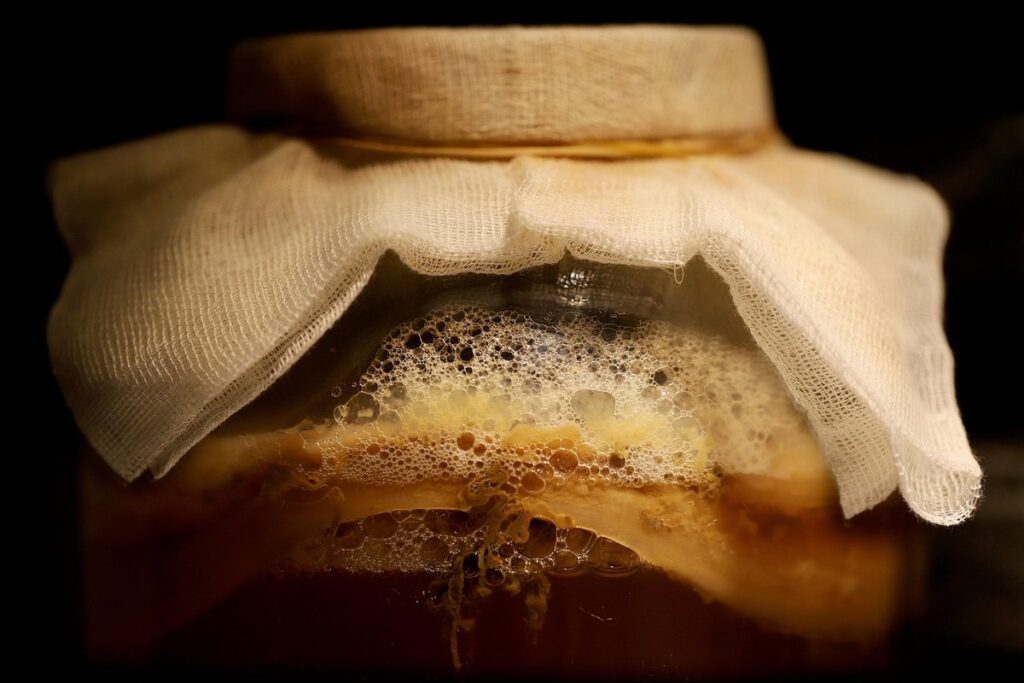
Introduction to Fermented Feed
Welcome to our journey into the world of fermented feed, where we’ll explore the basics of what it is and how it can benefit your flock’s health. Let’s dive right in!
What is Fermented Feed?
Fermented feed is a game-changer for backyard chicken keepers who want to provide their flock with a nutritionally rich and easily digestible diet. So, what exactly is fermented feed? In simple terms, it’s the process of feeding chickens a diet that has been allowed to ferment, either naturally or by adding beneficial microorganisms like probiotics.
When you leave food out for your chickens, it begins to break down naturally, just like how fruit and vegetables spoil over time. This natural fermentation process releases enzymes that help to unlock nutrients from the feed, making them more accessible to your birds. By harnessing this power, fermented feed can significantly improve digestion, boost immunity, and even enhance egg production.
To get started with fermented feed, you don’t need any special equipment or expertise – just a willingness to try something new. Simply set aside some space for your chickens’ food to ferment, either in a designated feeding area or by allowing them to scratch and peck at the ground where their food is stored.
Benefits for Chicken Health
Fermented feed has been shown to have a profound impact on chicken health, and it’s all rooted in science. Research has demonstrated that fermented feed enhances digestion in chickens by increasing the availability of nutrients. When feed is fermented, beneficial microorganisms break down complex compounds into easily absorbed forms, reducing the workload on the gut and allowing for better nutrient uptake.
This boost to digestion also has a knock-on effect on immune system function. A strong digestive system is crucial for maintaining a robust immune response, and fermented feed provides chickens with the necessary tools to fight off diseases and infections. By supporting the development of beneficial gut bacteria, fermented feed helps to regulate inflammation and prevent oxidative stress.
In practical terms, this means that chickens fed fermented feed are less likely to experience digestive issues like coccidiosis or enteritis. They’re also more resilient to disease, which is a major advantage for backyard chicken keepers and commercial farmers alike. By incorporating fermented feed into your flock’s diet, you can expect to see improvements in overall health and well-being.
How Fermented Feed Works
Fermented feed works by breaking down nutrients into easily accessible forms, allowing your chickens to get exactly what they need to thrive. Let’s take a closer look at this process.
The Role of Beneficial Microorganisms
Beneficial microorganisms play a vital role in fermented feed, breaking down complex nutrients into easily accessible forms for chickens. During fermentation, these microbes convert carbohydrates, proteins, and fibers into simpler compounds like vitamins, minerals, and amino acids. This process enhances digestibility, allowing chickens to extract more nutrients from their feed.
The bioavailability of essential vitamins and minerals is significantly improved through fermentation. For instance, the vitamin B12 found in fermented feed is more readily absorbed by chickens than its synthetic counterpart. Similarly, the mineral content becomes more accessible, promoting healthy growth and development.
Incorporating beneficial microorganisms into your flock’s diet can be achieved by using a quality fermented feed product or creating your own fermenter at home. When selecting a product, look for one that contains a diverse range of microbes, such as Lactobacillus, Bifidobacterium, and Saccharomyces. To create your own fermenter, simply mix 1-2 pounds of grains with 10-15 gallons of water, add a probiotic supplement, and let it sit for several days.
Regular fermentation can lead to improved egg production, enhanced growth rates, and a stronger immune system in your flock.
The Science Behind Fermentation
Fermentation is a complex biochemical process that transforms the nutritional content and structure of feed. At its core, fermentation is the breakdown of organic matter by microorganisms such as bacteria, yeast, or mold. This process releases enzymes that catalyze chemical reactions, making nutrients more accessible to your flock.
As feed ferments, the initial stages involve the hydrolysis of starches and proteins into simpler sugars and amino acids. These broken-down compounds are then further converted through glycolysis, resulting in a buildup of lactic acid or other byproducts like carbon dioxide gas. The increased acidity and CO2 production create an environment inhospitable to pathogens, ensuring a safer feed for your chickens.
The nutritional impact of fermentation is significant – it increases the bioavailability of vitamins, minerals, and amino acids while making these nutrients more easily absorbed by your flock. In practice, this means that fermented feed can provide a richer source of nutrition for your chickens, potentially leading to improved egg quality, stronger immune systems, and even enhanced feather growth. By harnessing the power of fermentation, you can create a healthier and more nutritious diet for your birds.
Benefits for Chicken Health
When it comes to giving your flock the best possible start in life, a diet rich in fermented feed can have a significant impact on their overall health. Let’s take a look at just how beneficial this approach can be.
Improved Digestion and Reduced Disease
Fermented feed can be a game-changer for chicken health when it comes to digestion and disease prevention. One of the most significant benefits is its ability to reduce the risk of coccidiosis, a parasitic disease that can be devastating to chicken flocks. Coccidiosis occurs when chickens ingest oocysts from contaminated feces or contaminated feed, which can lead to bloody diarrhea, weight loss, and even death.
Fermented feed works by creating an environment that is not conducive to the growth of pathogens such as E. coli and salmonella, both of which are major contributors to digestive issues in chickens. The lactic acid produced during fermentation helps to break down nutrients, making them more easily absorbed by the birds, reducing the risk of digestive upset.
To incorporate fermented feed into your flock’s diet, start by adding a small amount (about 10-20%) to their regular feed and gradually increase as needed. You can also try mixing fermented feed with other healthy ingredients like probiotics or prebiotics for an added boost. With time and patience, you’ll notice improved overall health and reduced incidence of digestive issues in your flock.
Enhanced Immune System Function
When you provide fermented feed for your chickens, they’re not only getting a nutrient-rich diet but also a boost to their immune system. The beneficial microorganisms present in the fermented feed play a crucial role in supporting a strong immune system in chickens.
These microbes help stimulate the chicken’s gut-associated lymphoid tissue (GALT), which is responsible for producing antibodies that fight off pathogens and infections. As a result, your flock becomes more resilient to common illnesses such as coccidiosis and Newcastle disease. The beneficial bacteria also enhance the chicken’s natural defense mechanisms by increasing the production of cytokines, which are signaling molecules that coordinate the immune response.
In addition, fermented feed supports the development of a healthy gut microbiome in chickens. This is essential for maintaining optimal digestive health, nutrient absorption, and overall well-being. By incorporating fermented feed into your flock’s diet, you’re creating an environment where beneficial microbes can thrive, leading to improved immune function and reduced susceptibility to diseases.
Preparing Fermented Feed at Home
If you’re eager to start making fermented feed for your backyard chickens, this is where we’ll walk you through the essential steps of preparation. Let’s get started!
Creating a Fermentation Station
Creating a fermentation station is a crucial step in preparing fermented feed at home. This designated area will allow you to store and monitor your fermented feed, ensuring it reaches the optimal level of fermentation before feeding it to your chickens.
When setting up your fermentation station, consider the following factors:
* Choose a well-ventilated area with minimal sunlight exposure to prevent unwanted bacterial growth.
* Select a container that is food-grade and can be easily cleaned. A large bucket or crock with a wide mouth will make it easier to stir and scoop out the fermented feed.
* Ensure the container has a lid or cover to keep pests out and maintain a consistent temperature.
To keep your fermentation station organized, label each container clearly so you know what’s inside. Store the containers in a designated area where they won’t be disturbed by humans or animals. Regularly clean and sanitize the containers and surrounding area to prevent contamination. By setting up a proper fermentation station, you’ll be able to monitor your fermented feed closely, making adjustments as needed to create optimal conditions for fermentation to occur.
Choosing the Right Ingredients
When it comes to preparing fermented feed at home for your chickens, choosing the right ingredients is crucial. Not all grains, fruits, and vegetables are safe for our feathered friends to consume, so it’s essential to select items that will provide nutritional value without causing harm.
A good starting point is to use whole grains like oats, barley, or wheat, as they’re easy to digest and rich in fiber. You can also add fresh vegetables like leafy greens (kale, spinach), carrots, and sweet potatoes to the mix. Fruits like apples, berries, and melons are also great additions, but be sure to remove any seeds or pits that could cause harm.
Some key items to avoid include onions, garlic, chives, and beans, as they contain compounds that can be toxic to chickens in large quantities. Similarly, don’t use processed foods, dairy products, or high-sugar items, as these can cause digestive issues and other health problems. Always choose fresh, organic ingredients whenever possible, and remember to rotate your ingredients regularly to ensure a balanced diet for your flock.
Benefits for Egg Production
If you’re looking to boost your flock’s egg production, let’s dive into the benefits of fermented feed that can help improve their health and productivity.
Improved Egg Quality and Quantity
When it comes to egg production, providing your hens with a nutrient-rich diet is crucial for optimal performance. A diet rich in fermented feed can significantly impact the quality and quantity of eggs produced by your flock. Fermented feed contains beneficial microorganisms that enhance nutrient absorption, leading to better overall health and increased eggshell production.
Fermented feed also plays a vital role in maintaining strong eggshell integrity. Calcium is essential for building strong shells, but it’s equally important that hens are able to absorb this nutrient effectively. The presence of beneficial bacteria in fermented feed increases the bioavailability of calcium, ensuring that your hens have a solid foundation for producing eggs with robust and less-prone-to-cracking shells.
In addition to eggshell strength, feeding your flock fermented feed can also lead to increased egg production. Hens fed fermented diets tend to be more efficient converters of nutrients, allowing them to allocate energy towards producing more eggs rather than expending it on digestion.
Nutrient-Rich Eggs from Happy Hens
When it comes to egg production, the nutritional quality of eggs is crucial for both human health and chicken welfare. Hens fed with fermented feed are able to produce nutrient-rich eggs that surpass those from conventionally raised hens.
One key benefit is the increased levels of omega-3 fatty acids in eggs from happy hens. Fermented feed allows bacteria to break down plant-based proteins, releasing these essential fatty acids into the hen’s system, which in turn transfer them into the egg yolks. This means that consumers can enjoy a more sustainable and healthier alternative to traditional eggs.
The nutrient profile of eggs from fermented-fed hens also includes higher levels of vitamins A, E, and K, as well as minerals like calcium and phosphorus. These vital nutrients support both physical health in humans and overall chicken wellness.
To incorporate this nutritional boost into your own flock’s diet, consider adding fermented feed supplements to their regular meal plan. You can start by consulting with a local farm supplier or online retailer for options suitable for your climate and region. By providing happy hens with nutrient-rich feed, you’ll be rewarded with high-quality eggs that not only taste better but also offer greater health benefits.
Common Misconceptions and Precautions
As you consider adding fermented feed to your flock’s diet, it’s essential to be aware of common misconceptions and take precautions to ensure a smooth transition for both you and your chickens.
Separating Fact from Fiction
When it comes to incorporating fermented feed into your flock’s diet, there are several misconceptions that can deter you from reaping its benefits. One common myth is that fermented feed is not a suitable option for young chickens, as it may be too acidic for their sensitive digestive systems.
However, this couldn’t be further from the truth. Fermented feed can actually be beneficial for chicks and pullets alike, promoting healthy gut development and boosting their immune system. In fact, many farmers and backyard chicken keepers swear by fermented feed as a way to raise robust and disease-resistant birds.
Another misconception is that fermenting your own feed at home is too complicated or time-consuming. But with the right equipment and a basic understanding of the process, it’s surprisingly easy to create high-quality fermented feed in the comfort of your own home. By following simple guidelines, such as ensuring proper temperature control and monitoring pH levels, you can produce nutritious and delicious feed for your flock without breaking a sweat.
To get started, consider investing in a fermentation crock or container specifically designed for this purpose. With regular maintenance and attention to detail, you’ll be on your way to raising healthier, happier chickens with the benefits of fermented feed.
Understanding the Risks of Over-Fermentation
When it comes to fermenting feed for chickens, one of the most common concerns is over-fermentation. While fermentation can be a wonderful process that enhances the nutritional value of the feed, too much of it can have detrimental effects on your flock’s health.
Over-fermentation occurs when the microorganisms in the feed break down the nutrients at an excessive rate, leading to a buildup of acidic compounds and potentially toxic substances like ammonia. This can cause respiratory problems, digestive issues, and even death in severe cases. If you notice that your fermented feed has developed a strong, sour smell or is producing visible mold, it’s likely over-fermented.
To monitor and control fermentation levels, it’s essential to regularly check the pH level of your fermenting feed. You can use pH test strips or a digital pH meter for this purpose. If the pH level drops below 4.5, it may be a sign that the feed is becoming too acidic. To correct this, simply remove some of the fermented material and add fresh ingredients to dilute the acidity.
Regularly inspecting your fermenter and adjusting as needed will help you maintain a healthy balance between fermentation and over-fermentation.
Frequently Asked Questions
Can I use fermented feed for chickens with sensitive stomachs or health issues?
Yes, fermented feed can be beneficial for chickens with sensitive stomachs or health issues, as it can help improve digestion and reduce inflammation. However, if your flock has specific health concerns, consult with a veterinarian before making any changes to their diet.
How long does it take to prepare fermented feed at home, and is it worth the effort?
Preparing fermented feed at home can take anywhere from 24 hours to several days, depending on the method you choose. While it may require some initial time investment, the benefits of improved egg quality and enhanced immune function make it well worth the effort.
Can I add other ingredients to my homemade fermented feed recipe, such as fruits or vegetables?
Yes, you can experiment with adding other nutritious ingredients like fruits and vegetables to your fermented feed recipe. Just be sure to introduce new foods gradually to prevent digestive upset and choose items that are safe for chickens to eat.
Will using fermented feed affect the nutritional content of my hens’ eggs?
No, fermenting feed will not reduce the nutritional content of your hens’ eggs. In fact, it can enhance egg quality by increasing the bioavailability of nutrients and producing more nutrient-rich eggs.
How often should I rotate and replenish the fermented feed to ensure optimal health benefits for my flock?
To maintain optimal health benefits, you should rotate and replenish fermented feed regularly (typically every 3-5 days). This ensures that your chickens are consistently receiving a fresh supply of beneficial microorganisms and nutrients.