
If you’re looking to take your backyard chicken operation or home cooking to the next level, consider giving heritage breed meat chickens a try. These heirloom fowl have been around for centuries, prized by farmers and cooks alike for their rich flavor and tender texture. By choosing heritage breed meat chickens over commercial varieties, you’ll be supporting sustainable agriculture and enjoying a more authentic culinary experience. But where do you start? In this article, we’ll guide you through the process of selecting and raising these unique birds, from choosing the right breed to cooking up your harvest. You’ll learn how to incorporate heritage breed meat chickens into your diet and discover why they’re worth the extra effort. With their complex flavor profiles and satisfying textures, heritage breed meat chickens are a game-changer for anyone looking to elevate their meals.
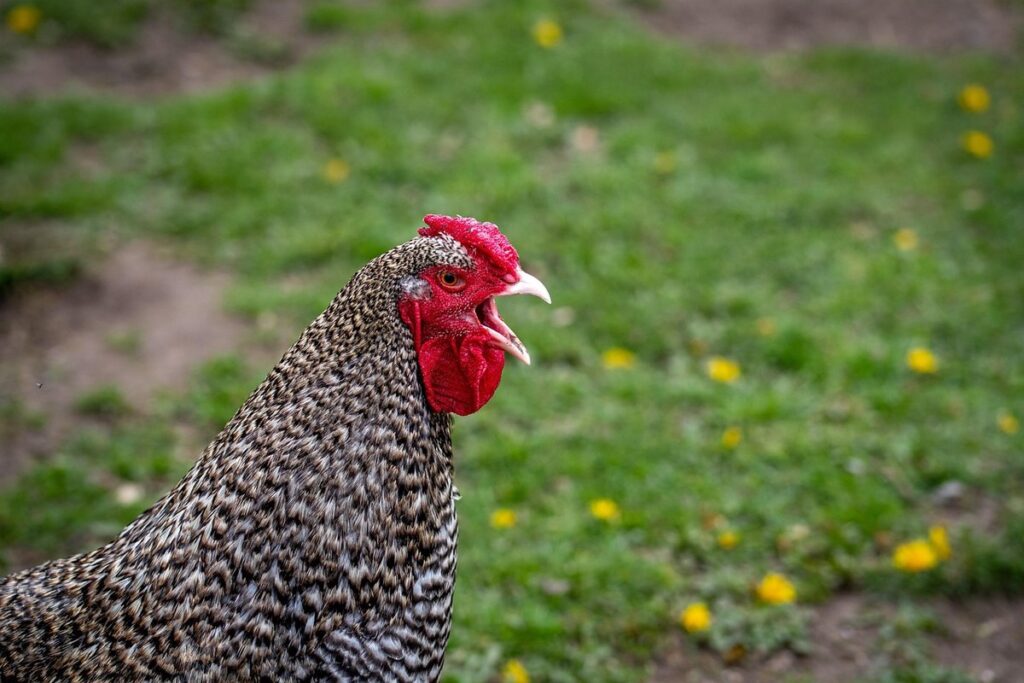
The Importance of Heritage Breed Meat Chickens
Heritage breed meat chickens are not just a novelty, but also offer numerous benefits for your farm and your family’s health. In this next part, we’ll explore these advantages in more detail.
Benefits of Raising Heritage Breeds
When you raise heritage breed meat chickens, you’re not just getting a more flavorful and nutritious product – you’re also contributing to the preservation of rare and endangered breeds. These birds have been around for centuries, and their unique characteristics make them stand out from modern commercial breeds.
One of the biggest benefits of raising heritage breed meat chickens is the improved flavor they provide. Their slower growth rate and outdoor-foraging lifestyle result in a more intense, complex taste experience that’s hard to find in mass-produced chicken products. In fact, many chefs swear by heritage breed meats for their rich, gamey flavor.
Another advantage is the texture – heritage breeds tend to have better fat distribution, making them juicier and more tender when cooked. Plus, they often retain more of their natural moisture than commercial birds. From a nutritional standpoint, heritage breeds are higher in omega-3 fatty acids and lower in saturated fats compared to modern varieties.
If you’re interested in trying out heritage breed meat chickens on your farm or in your backyard flock, start by researching the specific needs of the breed you choose. Some popular options for beginners include the Brahma, Silkie, and Ameraucana. With proper care and attention, these birds will reward you with delicious, nutritious meat that’s truly one-of-a-kind.
History and Significance of Heritage Chicken Breeds
Heritage chicken breeds have been an integral part of human culture for thousands of years. These birds have been raised and cherished by farmers and cooks alike for their unique characteristics, flavor profiles, and adaptability to diverse environments. In the United States alone, there are over 300 heritage chicken breeds that possess traits that make them valuable not just as food sources but also as living pieces of history.
Many heritage chicken breeds originated in specific regions or countries, where they developed distinct flavors and textures based on the local diet and cooking traditions. For example, the Plymouth Rock breed was once a staple in New England, while the Jersey Giant is still celebrated for its rich flavor and versatility. These birds have been passed down through generations, with each one carrying a piece of history and cultural significance.
In modern times, heritage chicken breeds are gaining popularity among chefs, foodies, and sustainable farmers due to their exceptional culinary qualities and rich history. By incorporating these breeds into your flock, you can tap into the same traditions that have made them beloved for centuries. Consider experimenting with different recipes and cooking techniques to unlock the full flavor potential of your heritage chickens.
Choosing the Right Heritage Breed
When selecting a heritage breed for your flock, it’s essential to consider factors such as temperament, egg production, and climate adaptability. Let’s explore these key characteristics together!
Popular Heritage Meat Chicken Breeds
When it comes to choosing a heritage breed for meat production, several popular breeds stand out from the rest. One such breed is the Plymouth Rock, known for its hardiness and adaptability. Developed in the 1800s, this dual-purpose breed excels at both egg-laying and meat production. With a high feed conversion ratio, Plymouth Rocks are an excellent choice for small-scale farmers or backyard chicken keepers.
Another heritage breed gaining popularity is the Australorp, a large-bodied bird originating from Australia. This breed boasts impressive growth rates and can tip the scales at up to 8 pounds in just 16 weeks. With its calm temperament and high egg production, Australorps are well-suited for larger operations or commercial farming setups.
The Barred Plymouth Rock is also worth considering, as it combines the strengths of both breeds mentioned above. This dual-purpose bird boasts exceptional meat quality, with a leaner carcass and improved feed efficiency compared to its counterparts. With their cold hardiness and easy-going nature, heritage breeds like these offer a winning combination for any poultry enthusiast or producer.
Factors to Consider When Selecting a Breed
When selecting a heritage breed for meat production, it’s essential to consider several factors that will impact the success of your flock. One crucial aspect is climate tolerance. Different breeds have varying levels of heat and cold hardiness, so you’ll want to choose a breed that can thrive in your region’s climate. For example, if you live in an area with hot summers, a breed like the Sumatra or Java will do well, while those living in colder climates may prefer the Marans or Brahma.
Another important consideration is growth rate. Some heritage breeds grow faster than others, which may be beneficial for farmers looking to quickly turn their birds into market weight. The Cornish Cross and Plymouth Rock are examples of breeds that grow rapidly, reaching maturity in as little as 5-6 weeks. On the other hand, slower-growing breeds like the Australorp or Orpington may take up to 12 weeks to reach market weight.
Finally, you’ll want to think about egg-laying capacity if you plan to use your flock for both eggs and meat. Some heritage breeds are prolific layers, producing dozens of eggs per week, while others may lay fewer eggs but be more efficient at converting feed into muscle mass.
Raising Heritage Breed Meat Chickens
Whether you’re a seasoned backyard chicken keeper or just starting out, raising heritage breed meat chickens can be a rewarding and unique experience. In this section, we’ll cover the essential considerations for success.
Nutritional Requirements and Feed Options
Heritage breed meat chickens require a balanced diet that meets their nutritional needs to ensure optimal growth and health. A starter feed for chicks should contain around 18-20% protein, while grower feed can be gradually switched to 16-18% protein as they mature. Layer feed is not suitable for heritage breeds, as it’s formulated for egg production rather than meat gain.
When choosing a feed, consider the following factors: look for organic or non-GMO options, avoid feeds containing antibiotics or growth promoters, and opt for a feed with a balanced calcium-to-phosphorus ratio to support strong bone development. Some breeders also supplement their birds’ diet with fruits, vegetables, and whole grains.
A good example of a heritage breed meat chicken’s nutritional requirements is the Jersey Giant. This breed requires around 1-2 pounds of feed per day for optimal growth. To achieve this, you can provide a mix of high-quality grains such as oats, barley, and corn, along with supplements like oyster shells or crushed eggshells to support strong bone health.
It’s essential to note that heritage breeds have unique nutritional needs compared to commercial birds. As such, it’s crucial to research the specific requirements of your breed and adjust their diet accordingly.
Health Considerations and Disease Prevention
When raising heritage breed meat chickens, it’s essential to consider their unique health needs. Unlike commercial breeds, which are bred for efficiency and disease resistance, heritage breeds can be more susceptible to certain conditions. For example, they may be prone to parasites like mites and lice due to their slower growth rates and less emphasis on vaccination programs.
To prevent diseases in your flock, maintain a clean and well-ventilated coop with regular cleaning schedules. Ensure access to fresh water and provide a balanced diet that includes probiotics to support gut health. Rotate pastures to reduce parasite loads and consider introducing beneficial insects like ladybugs or lacewings to control pests naturally.
Monitor your birds regularly for signs of illness, such as lethargy, diarrhea, or labored breathing. Keep accurate records of vaccinations, treatments, and medication use to track the health of your flock. Consider working with a veterinarian experienced in raising heritage breeds to develop a comprehensive health plan tailored to your specific needs. By being proactive and informed about disease prevention strategies, you can help keep your heritage breed meat chickens healthy and thriving.
Housing and Management
When it comes to raising heritage breed meat chickens, managing their living space is crucial for their health and happiness. Let’s explore some essential housing and management tips that will help you succeed.
Suitable Housing for Heritage Breed Chickens
When it comes to housing heritage breed chickens, it’s essential to provide them with suitable conditions that meet their unique needs. The coop design and size should be carefully considered to ensure the health and well-being of these magnificent birds.
A good rule of thumb is to provide at least 4-5 square feet per bird inside the coop, taking into account the space needed for nesting boxes, roosting bars, and feeding areas. Consider using a multi-level coop design with ample ventilation to keep your flock cool in the summer and warm in the winter.
When choosing a coop location, ensure it’s well-shaded from direct sunlight and protected from strong winds and predators. A covered run or enclosed area is also essential for providing exercise and preventing escape attempts. As an example, you can use hardware cloth or chicken wire to create a sturdy enclosure that keeps your flock safe while allowing them to roam freely.
When designing your coop, remember to include features such as easy cleaning access, durable materials, and sufficient storage space for feed and supplies. By prioritizing these essential factors, you’ll be well on your way to creating a happy and healthy environment for your heritage breed chickens.
Fencing and Predator Protection
When it comes to managing heritage breed meat chickens, securing their enclosure is crucial. Fencing and predator protection are not just optional considerations – they’re essential components of a safe and healthy environment for your birds.
Heritage breeds can be notoriously curious and energetic, making them prone to escaping if the fencing isn’t secure. A 5-foot high fence with sturdy posts is recommended to prevent jumping and climbing. Additionally, consider using hardware cloth or chicken wire with openings no larger than 1 inch to keep out predators like raccoons, foxes, and coyotes.
To take predator protection a step further, install a roof or canopy over the coop and run to prevent aerial attacks from birds of prey like hawks and owls. Motion-activated sprinklers can also be an effective deterrent for nocturnal predators like opossums and stray cats.
Regular inspections and maintenance are key to ensuring the integrity of your fencing and preventing predator access. Consider enlisting the help of a friend or neighbor to inspect the enclosure annually, checking for any signs of damage or wear.
Processing and Butchering
When it’s time to bring down your heritage breed meat chickens, understanding the processing and butchering process is crucial for getting the most out of these birds. This section will walk you through every step of the way.
Steps to Humanely Slaughter and Process
Humanely slaughtering and processing heritage breed meat chickens requires careful planning, attention to detail, and a deep respect for the animal. Before the slaughter process begins, it’s essential to ensure that the birds are handled gently and humanely throughout their lives.
To start, make sure you have a clear understanding of the slaughtering method and equipment you’ll be using. This may include hand-held or automatic devices designed specifically for poultry processing. It’s crucial to follow proper safety guidelines to avoid injury and maintain a clean environment.
Begin by manually restraining each bird in a humane manner, such as using a catchpole or a gentle restraint system. Next, position the bird securely on the slaughter device, ensuring that it is comfortable and secure throughout the process.
Key factors to consider during this step include:
* Moving quickly and humanely through the process
* Ensuring each bird has sufficient time to complete its cycle, minimizing stress and pain
* Maintaining a clean environment to prevent contamination and maintain food safety
Following proper procedures will not only ensure a humane experience for the birds but also contribute to the quality of the meat.
Tips for Handling and Storing Raw Meat
When handling and storing raw meat from your heritage breed meat chickens, it’s essential to follow proper food safety guidelines to prevent contamination and ensure a safe product. Always wash your hands thoroughly with soap and warm water before and after handling the meat.
Raw chicken can contain Salmonella bacteria, so keep the meat refrigerated at 40°F (4°C) or below as soon as possible after processing. Wrap the meat tightly in plastic wrap or aluminum foil to prevent juices from leaking onto other foods and creating cross-contamination risks.
When storing raw meat, make sure it’s placed on the bottom shelf of your refrigerator to prevent juices from dripping onto other foods. Label each package with the date it was processed and what type of chicken it is (e.g., “Broiler, 2/10”).
Keep raw meat away from ready-to-eat foods like fruits and vegetables, and store them in a separate area of your refrigerator to avoid cross-contamination risks. Consider investing in a meat thermometer to ensure the meat reaches a safe internal temperature of at least 165°F (74°C) before freezing or refrigerating.
Freeze raw meat at 0°F (-18°C) or below as soon as possible, labeling each package with its contents and date frozen for future reference.
Cooking and Preparing Heritage Breed Chicken
When it comes time to cook your heritage breed chickens, you’ll want to learn how to prepare them for a truly exceptional meal. This section will guide you through the process step by step.
Cooking Methods and Techniques
When cooking heritage breed chicken, it’s essential to consider the unique characteristics of these birds. Unlike commercial chickens, which are bred for efficiency and uniformity, heritage breeds offer a more complex flavor profile and tender texture. To showcase their best qualities, you can employ various cooking methods and techniques.
One popular method is roasting. Heritage breed chickens excel when roasted whole or in large pieces, allowing the meat to retain its juices and develop a crispy skin. Try seasoning the bird with herbs like thyme and rosemary, and roast it at 425°F (220°C) for about 45 minutes per pound. Grilling is another great option, especially when using breeds with dark meat like Silkies or Brahma. To slow-cook heritage breed chicken, braise it in liquid on low heat for several hours – this method is perfect for tender cuts like legs and thighs.
When choosing a cooking technique, consider the specific characteristics of your heritage breed. For example, lighter breeds like Leghorns might be best suited to grilling or roasting, while heavier breeds like Orpingtons can handle slow-cooking with ease.
Recipe Ideas and Pairing Suggestions
When cooking and preparing heritage breed meat chickens, the unique flavor and texture of these birds shines through. To truly experience their distinct characteristics, it’s essential to try new recipes that complement their rich, gamey taste. Here are a few ideas to get you started:
Try pairing the robust flavor of heritage breed chicken with earthy ingredients like mushrooms and herbs. A classic combination is a roasted heritage breed chicken served with a side of wild mushroom risotto and a sprinkle of fresh thyme. The creamy texture and bold flavors work in perfect harmony.
For something a bit more adventurous, consider making Korean-style BBQ using your heritage breed chicken. Marinate the bird in a mixture of soy sauce, garlic, ginger, and sugar, then grill until crispy on the outside and juicy within. Serve with steamed bok choy and kimchi for a flavorful and refreshing contrast.
When cooking heritage breed meat chickens, don’t be afraid to experiment and find your own unique pairings. The key is to let the natural flavors of the bird shine through while complementing them with complementary ingredients.
Conclusion and Resources
Now that you’ve learned about heritage breed meat chickens, let’s summarize what we’ve covered and provide some valuable resources to take your journey further.
Recap of Key Takeaways
In conclusion, heritage breed meat chickens offer a multitude of benefits for sustainable agriculture and culinary excellence. Not only do they provide superior flavor and texture to their commercial counterparts, but they also contribute to the preservation of traditional farming practices.
By choosing heritage breeds, farmers can promote biodiversity on their land, reduce reliance on synthetic fertilizers and pesticides, and support more efficient nutrient cycling. This not only benefits the environment but also results in higher-quality meat for consumers.
Incorporating heritage breed meat chickens into your agricultural operation or culinary repertoire requires careful consideration of factors such as space, feed, and disease management. However, with proper planning and care, these unique birds can thrive and provide a rewarding experience for both farmers and chefs.
Some key takeaways from this article include the importance of:
* Preserving traditional farming practices through heritage breed conservation
* Promoting biodiversity in agriculture to maintain ecosystem health
* Supporting more efficient nutrient cycling through holistic farming methods
* Choosing heritage breeds for their superior flavor, texture, and nutritional profile
Additional Resources for Further Learning
If you’re interested in learning more about heritage breed meat chickens and how to integrate them into your farm or homestead, there are several resources available to help. The American Livestock Breeds Conservancy (ALBC) is a great place to start – they offer a wealth of information on various breeds, including their characteristics, advantages, and disadvantages. You can also check out the USDA’s National Resources Inventory for data on chicken farming practices and statistics.
The Heritage Food Network is another excellent resource that provides recipes, articles, and workshops focused on heritage breed animals. They also have a directory of farms and producers who raise these breeds, which can be a great way to find local sources for meat chickens.
In addition, many universities and colleges offer courses or extension programs in sustainable agriculture, including chicken husbandry and breeding. These programs can provide hands-on experience and expert guidance on best practices for raising heritage breed meat chickens.
If you’re looking for online communities or forums where you can connect with other farmers and enthusiasts, try searching for groups dedicated to small-scale poultry production or heritage breed animals.
Frequently Asked Questions
Can I raise heritage breed meat chickens in a small backyard flock?
Yes, many heritage breeds are suitable for small flocks and can thrive in even the most modest of backyards. However, it’s essential to research the specific needs of your chosen breed and ensure you have adequate space for them to roam.
How long does it take to see results with heritage breed meat chickens?
The time it takes to see results will depend on several factors, including the breed, management practices, and nutritional regimen. Generally, you can expect to start seeing improvements in flavor and texture within 6-12 months of introducing heritage breeds into your flock.
Are heritage breed meat chickens more prone to disease than commercial breeds?
While it’s true that heritage breeds may be more susceptible to certain diseases due to their genetic makeup, this doesn’t necessarily mean they’re more prone to illness. Proper management practices, including vaccination and health monitoring, can help minimize the risk of disease in your flock.
Can I raise heritage breed meat chickens for both eggs and meat?
Yes, many heritage breeds are dual-purpose birds that can provide both eggs and meat. However, it’s essential to consider the needs of each purpose when selecting a breed and managing their care. For example, some breeds may require more space or specialized nutrition for optimal egg production.
How do I know if my heritage breed chickens are truly “heritage”?
To ensure you’re raising genuine heritage breeds, look for certification from reputable organizations like the American Poultry Association (APA) or the Livestock Conservancy. These certifications guarantee that your birds meet specific standards and criteria for being considered true heritage breeds.