
Introducing ducks into your chicken flock can be a wonderful way to diversify your backyard farm, but it requires some careful planning to ensure a harmonious coexistence. If you’re considering adding these delightful waterfowl to your menagerie, you’re probably wondering where to start. In this article, we’ll explore the benefits of having ducks and chickens together, including the unique advantages each species brings to the table. We’ll also delve into compatibility issues, sharing expert advice on how to introduce ducks to your existing chicken flock safely and successfully. From choosing the right breeds to providing proper care and housing, our comprehensive guide covers everything you need to know about integrating ducks into your chicken flock.
Benefits and Considerations
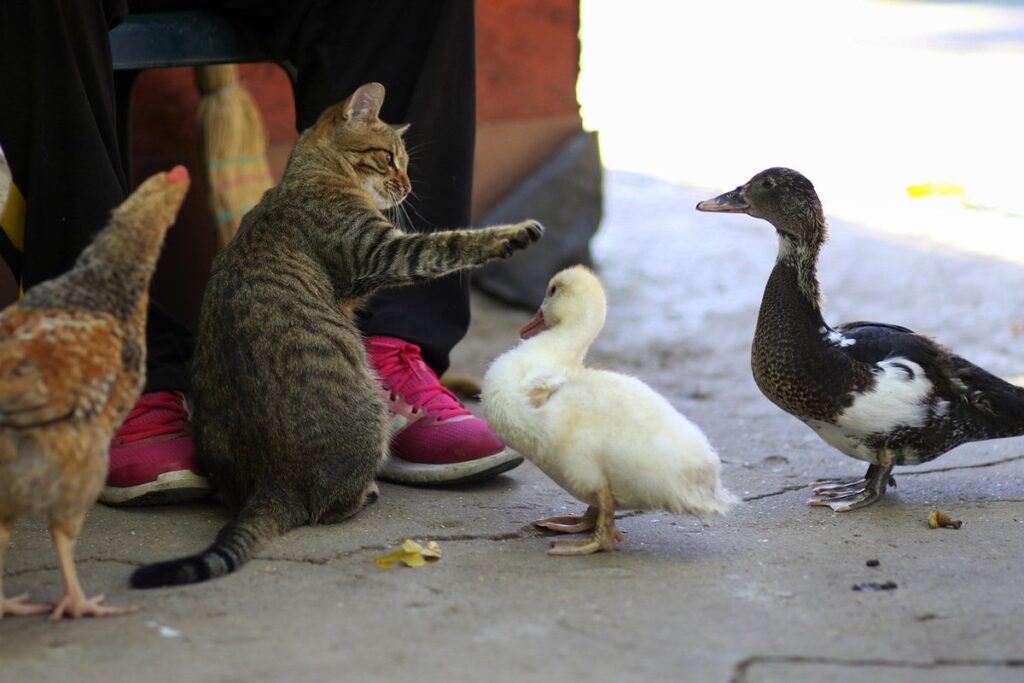
When introducing ducks to chickens, there are several benefits to consider, including increased egg production and enhanced foraging capabilities. However, some potential drawbacks should also be weighed carefully.
Why Keep Ducks and Chickens Together
Keeping ducks and chickens together is an excellent idea for several reasons. Not only can it create a more social and dynamic flock environment, but it also offers benefits like improved pest control and mutual learning opportunities.
Socially, integrating ducks into your existing chicken flock can be beneficial as they both learn from each other’s behaviors and adapt to their new companions. For instance, chickens can learn how to forage effectively from the ground-dwelling ducks, which are known for their keen eye for spotting small insects and worms. On the other hand, ducks can benefit from the chickens’ ability to alert them to potential predators.
In terms of pest control, a mixed flock like this one can be incredibly effective at keeping pests under control. Both ducks and chickens will peck at ticks, slugs, and other unwanted creatures that might be lurking in your yard. This way, you’ll have fewer issues with parasites and weeds.
To make the integration process smooth, start by introducing them gradually and allowing them to get accustomed to each other’s presence over time.
Understanding Compatibility Issues
When introducing ducks to chickens, it’s essential to consider potential compatibility issues that may arise. One key factor is personality: some breeds are naturally more dominant and may bully their feathered friends. For example, Muscovy ducks are known for their assertive nature and can be too intense for smaller chicken breeds.
Another crucial aspect is age. Mixing ducklings with adult chickens can lead to bullying or even attacks on the younger birds. On the other hand, introducing older ducks to a flock of younger chickens may cause stress and disrupt social dynamics. Size also plays a significant role in compatibility. A large duck breed can intimidate smaller chicken breeds, while small ducks may be picked on by larger chickens.
Understanding these potential conflicts is vital for creating a harmonious household. To ensure success, start by introducing the birds slowly and under close supervision. Monitor their behavior and body language, intervening if necessary to prevent bullying or stress. By considering age, size, and breed compatibility, you can create a peaceful coexistence between your feathered friends.
Preparing Your Flock for New Arrivals
Before bringing home new ducks, you’ll need to make sure your existing chicken flock is ready for their arrival and any potential changes to your backyard coop. This section will walk you through essential preparations.
Assessing Your Coop’s Readiness
Before bringing home your new duck additions, it’s essential to assess whether your coop is ready to accommodate both species comfortably. This means evaluating its space, ventilation, and predator protection to ensure a safe and happy environment for all your feathered friends.
Start by measuring the coop’s interior space. Ensure there’s enough room for both chickens and ducks to move around comfortably. A general rule of thumb is to provide at least 2-3 square feet per bird inside the coop. Consider the size of your flock, including the new ducklings, and adjust accordingly. For example, if you’re planning for a small flock of five birds (three chickens and two ducks), aim for an area of around 10-15 square feet.
Next, inspect the ventilation system to prevent ammonia buildup from the droppings. Proper airflow is crucial, especially when housing waterfowl that produce more moisture than chickens. Check for any gaps or openings where predators could enter, and ensure all doors and windows are secure and predator-proofed.
Consider adding some modifications, such as:
• Installing a larger ventilation system
• Adding netting or hardware cloth to cover windows and doors
• Increasing the roof’s overhang to prevent predators from reaching in
By taking these steps, you’ll be well-prepared to welcome your new ducklings into their forever home.
Introducing New Water Sources and Feeders
When introducing new water sources and feeders to your flock, it’s essential to consider the unique needs of both ducks and chickens. Ducks require a different type of watering system than chickens, as they need to be able to wade into the water to clean their feathers and keep cool. Consider installing a duck pond or a shallow dish with fresh water that allows them to easily access the water without having to jump in and out.
For feeding, you’ll also want to provide separate feeders for ducks and chickens. Ducks have different nutritional needs than chickens, so make sure to provide a diet specifically formulated for waterfowl. You can also use a combination feeder that has separate compartments for each type of bird. Remember to place the feeders in an easy-to-reach location, but not too close to their roosting areas, to prevent waste and mess.
When introducing new water sources and feeders, make sure to do it gradually to avoid stressing your birds. Introduce one source or feeder at a time, allowing them to become familiar with the new setup before adding more options. This will help prevent competition and aggression between the ducks and chickens as they adjust to their new environment.
Step-by-Step Introduction Process
To introduce ducks and chickens safely, you’ll need a thoughtful plan. This step-by-step guide will walk you through the process of introducing these feathered friends to each other.
Preparing a Quarantine Area
When introducing ducks to chickens, it’s essential to set up a quarantine area where new arrivals can acclimate before joining the main flock. This separate zone will help prevent the risk of disease transmission and stress on both species.
To prepare an effective quarantine area, start by designating a secure enclosure with adequate space for your ducks to move around comfortably. A 10×10 foot pen would be ideal for a small group of ducks. Make sure it’s at least 6-8 feet away from the main flock to minimize stress and potential conflicts.
Once you’ve set up the enclosure, provide a shallow water source, such as a kiddie pool or birdbath, and a feeder with starter feed specifically formulated for waterfowl. Add some hiding places like cardboard boxes or small shelters to help your ducks feel secure. Keep the quarantine area clean by removing soiled bedding material regularly and disinfecting any surfaces.
In this safe haven, your new arrivals can spend 7-10 days before joining the main flock. This acclimation period will allow them to settle in, eat their fill of food, and become familiar with their surroundings. By doing so, you’ll reduce stress levels and ensure a smoother transition into the main flock.
Gradual Integration Methodology
When introducing ducks to chickens, it’s essential to do so gradually to prevent stress and aggression. A well-planned introduction process will help both species adjust to each other’s presence without causing unnecessary tension.
Start by separating the two groups and allowing them to become familiar with each other through visual introductions. Begin by keeping them in adjacent enclosures or separated areas, where they can see and smell each other but not interact directly. This phase is crucial as it allows both species to get used to each other’s appearance without feeling threatened.
Once they seem comfortable with each other’s presence, move on to scent marking. Bring the ducks’ bedding into the chicken enclosure and vice versa, allowing them to become familiar with each other’s scents. This subtle introduction will help reduce stress during future interactions.
After scent marking has been successful, it’s time for supervised interactions. Start by keeping both groups under close observation and gradually increase their interaction time over a period of days or weeks. Monitor their behavior closely, intervening if you notice any signs of aggression or fear.
Monitoring Progress and Addressing Challenges
Now that you’ve introduced ducks to your chicken flock, it’s essential to monitor their behavior and adapt to any challenges that arise as they adjust to each other. We’ll cover how to track progress and address common issues in this section.
Recognizing Early Warning Signs of Stress
When introducing ducks to chickens, it’s crucial to recognize early warning signs of stress and illness. Stress can arise from changes in environment, social dynamics, or even minor health issues that can quickly escalate. So, how do you identify potential problems?
Watch for subtle changes in behavior, such as changes in appetite, increased vocalization, or unusual activity levels. Ducks may become lethargic or withdrawn if they’re feeling stressed, while chickens might exhibit aggressive behaviors like feather pecking or bullying. Monitor the flock’s health by inspecting their droppings, feathers, and overall appearance.
In addition to behavioral cues, be aware of physical signs such as ruffled feathers, labored breathing, or unusual discharges. If you notice any of these indicators, isolate the affected animal immediately and consult a veterinarian familiar with poultry care. Remember that prevention is key: maintaining clean living conditions, providing adequate space, and ensuring balanced nutrition can all help minimize stress and prevent potential health issues.
Managing Feather Pecking and Cannibalism
When introducing new ducks to an existing flock of chickens, it’s not uncommon for some birds to exhibit undesirable behaviors such as feather pecking and cannibalism. These issues can arise due to stress, boredom, or even nutritional deficiencies. To prevent and address these problems, it’s essential to understand their causes and implement strategies to mitigate them.
Start by monitoring your flock’s behavior closely during the introduction process. Identify any signs of stress or aggression, such as excessive feather pecking, beak biting, or withdrawal from social interactions. Address these issues promptly by separating the affected birds and providing a safe space for them to recover.
A well-planned introduction process can also help minimize conflicts between ducks and chickens. Introduce new birds gradually, allowing them to become familiar with each other’s presence, sounds, and scents before introducing them to the same enclosure. Provide plenty of enrichment activities, such as toys and treats, to keep your flock engaged and stimulated.
By recognizing these behaviors early on and taking proactive steps, you can prevent feather pecking and cannibalism from becoming severe issues within your flock.
Long-Term Care and Maintenance
Once you’ve welcomed ducks into your flock, it’s essential to think ahead to long-term care and maintenance to ensure a harmonious and thriving coop. We’ll walk through the steps to make this transition smooth.
Nutritional Considerations
When introducing ducks to chickens, it’s essential to consider their unique nutritional needs. Ducks require a diet rich in protein and calcium to support their rapid growth and development. A commercial duck feed can provide the necessary nutrients, but you may also need to supplement with treats like mealworms or fruits.
Chickens, on the other hand, have different nutritional requirements at various stages of life. For example, young chicks need a high-protein starter feed for the first 6-8 weeks, while laying hens require a balanced layer feed. If you’re planning to keep both ducks and chickens together, it’s crucial to provide separate feeding areas and dishes to prevent competition and ensure each species gets its necessary nutrients.
As your flock ages, nutritional adjustments may be necessary. For instance, older birds may benefit from joint supplements or probiotics to support their health. Keep in mind that individual needs can vary depending on factors like breed, climate, and activity level. Monitor your flock’s health and adjust their diet accordingly. By understanding the unique nutritional requirements of ducks and chickens, you’ll be better equipped to provide a balanced and nutritious environment for your feathered friends.
Health Checks and Vaccinations
When introducing ducks to chickens, it’s essential to prioritize their health and well-being. Regular health checks are crucial to detect potential issues early on. For chickens, a bi-monthly check-up is recommended, while ducks require a monthly examination due to their higher susceptibility to diseases.
Vaccination schedules should be carefully planned for both species. Chickens typically require vaccinations against Marek’s disease, Newcastle disease, and infectious bronchitis. Ducks, on the other hand, need protection against avian influenza, E. coli, and duck plague. Consult with a veterinarian to create a tailored vaccination plan.
During health checks, look out for signs of stress, such as changes in appetite or behavior. Monitor their living conditions, ensuring proper ventilation, sanitation, and access to clean water. A balanced diet is also vital; provide a high-quality commercial feed supplemented with fruits and vegetables.
By staying on top of health checks and vaccinations, you’ll be better equipped to address any potential issues that may arise. Remember, prevention is key in maintaining the optimal well-being of your feathered friends.
Conclusion: A Harmonious Flock
Now that you’ve introduced ducks to your chickens, it’s time to reap the rewards of a harmonious flock. By following these steps and being patient, you should be able to create a thriving environment where both species can coexist peacefully. Remember to keep an eye on their behavior and make adjustments as needed to ensure their well-being.
As you continue to observe your ducks and chickens interacting, take note of any changes in their behavior or appetite. Make sure to provide adequate shelter, food, and water for all birds, taking into account the unique needs of each species. With a little creativity and flexibility, you can create a coop that meets everyone’s needs.
With time and effort, your ducks and chickens will become inseparable companions, providing endless entertainment and joy in your backyard. By following these guidelines and being attentive to their needs, you’ll be well on your way to creating a harmonious flock that will bring you years of happiness and fulfillment.
Frequently Asked Questions
Can I introduce ducks to chickens that are already laying eggs?
When introducing new ducks to your existing chicken flock, especially if they’re prolific layers, it’s essential to ensure a smooth transition to avoid disrupting egg production. Start by observing your chickens’ behavior and adjusting the introduction process accordingly. If necessary, temporarily relocate your chickens to a separate area or coop while you introduce the ducks, then gradually reintroduce them once everything seems calm.
How do I prevent feather pecking when introducing ducks to my chicken flock?
Feather pecking can be a significant issue when integrating new birds into your existing flock. To mitigate this, make sure all birds have access to adequate space and perches. You can also try providing a “dust bath” area specifically for the ducks, as they tend to love taking dust baths and may engage in less feather pecking behavior.
Can I mix ducklings with chicks when introducing them to my chicken flock?
While it’s not recommended to introduce adult ducks directly to chicks or vice versa, you can introduce ducklings to your existing chicken flock once the ducklings are about 4-6 weeks old. This helps the older birds get accustomed to the new additions gradually.
How often should I monitor for signs of stress in my flock after introducing ducks?
Monitoring your flock’s behavior and well-being closely is crucial during the introduction process, especially in the first few days and weeks. Look out for unusual behaviors such as pecking at each other or showing aggression towards the ducks. If you notice any significant changes in their behavior or health, consult with a poultry expert or veterinarian for advice.
Can I add water features like ponds to my existing coop if I’m introducing ducks?
While it’s technically possible to add a pond or a larger water feature to your existing coop, ensure that it doesn’t lead to overcrowding or stress among the birds. Make sure you have adequate space and consider factors such as the type of soil in your pond, potential diseases, and how it will affect your overall flock management.