
If you’re raising backyard chickens, you know how vulnerable they can be to predators. From coyotes to hawks, there are many threats lurking in the shadows waiting to pounce on your unsuspecting flock. But did you know that geese can serve as an effective guardian for your chicken coop? These fierce waterfowl have a natural instinct to protect their territory and family, making them a great addition to any backyard poultry operation.
In this article, we’ll explore the role of geese as guardians for chickens, discussing how they can enhance overall security and keep predators at bay. We’ll delve into the benefits of raising geese alongside your chicken flock and provide tips on integrating these birds successfully. Whether you’re a seasoned homesteader or just starting out with backyard chickens, this information is essential reading to help safeguard your feathered friends and ensure their well-being.
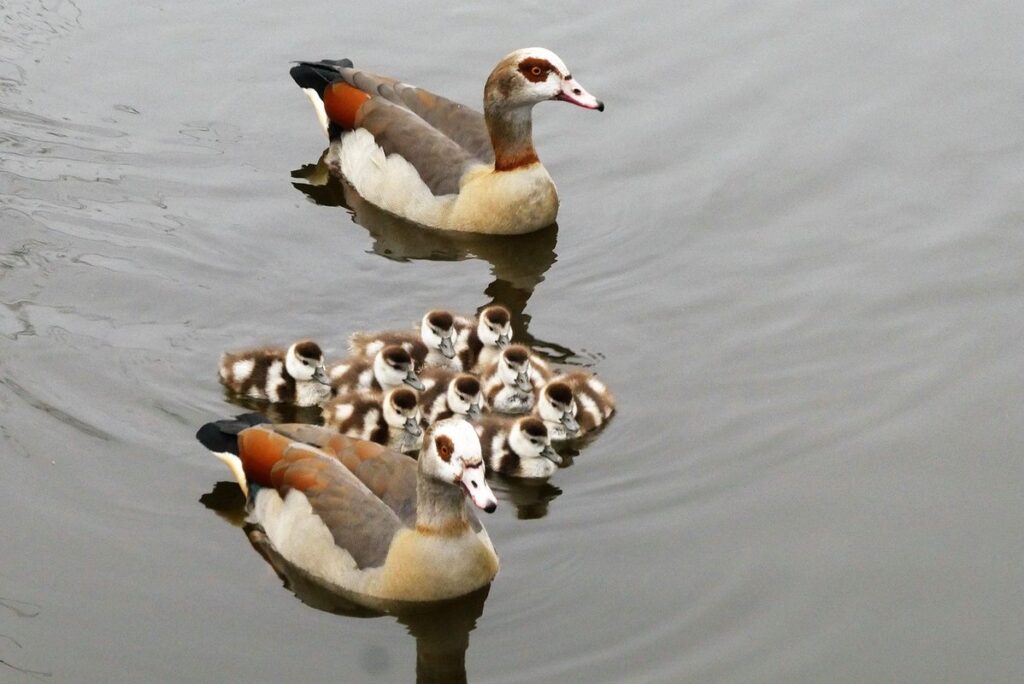
The Importance of Protecting Your Chicken Flock
When it comes to safeguarding your precious chickens, having a watchful eye can be just as important as locking up your coop at night. In this section, we’ll explore how geese can serve as devoted guardians for your flock.
Identifying Threats to Your Chickens
When it comes to protecting your chicken flock, one of the most critical aspects is identifying potential threats. As a backyard chicken owner, you’re likely aware that foxes, coyotes, hawks, and domestic cats are among the most common predators that target chickens.
Foxes, in particular, are notorious for their cunning and stealth, often raiding coops under cover of darkness. Coyotes, on the other hand, are a more significant threat to larger flocks or those located near rural areas. Hawks and owls pose a risk, especially during breeding season when they’re more aggressive.
Domestic cats, although seemingly harmless, can also be a threat if not properly supervised or if they’re allowed to roam freely around the coop. It’s essential to take proactive measures to protect your flock from these predators. Consider using sturdy fencing, locking coops securely at night, and removing potential hiding spots such as rocks or bushes.
Regularly inspecting your property for signs of predator activity can also help prevent attacks. Keep an eye out for tracks, scat, or other signs of predation. By being aware of the potential threats to your flock, you can take steps to ensure their safety and well-being.
Assessing Your Current Security Measures
Before introducing geese as guardians to your chicken flock, it’s essential to evaluate and strengthen your existing security measures. Take a closer look at your coop design, fencing, and other safeguards in place.
Are your fences sturdy enough to withstand a predator’s push? A weak point can be as simple as a loose board or an aging fence post. Regularly inspect your perimeter for any signs of damage or wear. Consider upgrading to durable, high-tensile wire or installing electric fencing to deter predators like coyotes and foxes.
Another common vulnerability is the coop itself. Are doors secure, or are they easily opened by curious raccoons or sly opossums? Ensure all doors have sturdy latches and consider adding secondary barriers, such as hardware cloth or chicken wire, around vulnerable areas like windows and vents.
Consider also evaluating your flock’s layout within the coop. Keep in mind that a predator may exploit any gaps between coops or enclosures, so think about rearranging your setup to minimize these weaknesses. By addressing these common vulnerabilities, you’ll create a more secure environment for both your chickens and geese to thrive.
The Role of Geese as Guardians
When it comes to protecting your flock, geese are natural guardians that can help keep predators at bay and add an extra layer of security for your chickens. Let’s explore how they can serve as loyal sentries on your farm.
Characteristics of Guard Geese
Guard geese possess several characteristics that make them exceptional guardians for chickens. One of their most notable traits is their keen sense of hearing. Geese are highly attuned to even the slightest sounds, allowing them to detect potential threats from a distance. This keen auditory perception enables them to alert other birds in the flock, warning them of impending danger.
In addition to their acute hearing, guard geese also possess strong visual acuity. Their exceptional eyesight allows them to spot predators from afar, giving them ample time to respond and protect the flock. When threatened, geese are known for their aggressive behavior, which can be quite intimidating to potential predators.
These traits work in tandem to make guard geese highly effective guardians for chickens. By sounding the alarm with their loud honking when they sense danger, and then charging at the threat with fierce determination, guard geese provide a robust defense system for the flock.
Breeds Suitable for Backyard Flocks
When selecting breeds for your backyard flock, it’s essential to choose geese that are well-suited for their new home. Three popular and suitable breeds for a backyard flock are the Embden, Toulouse, and Chinese geese.
The Embden goose is a medium-sized breed known for its gentle disposition and calm temperament, making them an excellent choice for families with children or small gardens. They can grow up to 27 pounds in weight, but their size doesn’t intimidate them from exploring their surroundings.
Toulouse geese are another great option for backyard flocks. Originating from France, they have a friendly and curious nature that makes them easy to interact with. Toulouse geese typically weigh between 15-20 pounds, making them an ideal choice for smaller gardens or urban settings.
Chinese geese are the smallest of the three breeds, weighing around 10-12 pounds. Their quiet demeanor and small size make them a great addition to any backyard flock. Chinese geese are also known for their attractive white and brown plumage patterns.
Integrating Geese into Your Backyard Flock
When introducing geese into your backyard flock, it’s essential to consider their unique needs and personalities to ensure a harmonious coexistence with your chickens. This section explores practical tips for integrating geese successfully.
Introducing Geese to the Coop and Run
When introducing geese to an existing chicken flock, it’s essential to establish a harmonious environment from the start. Geese can be territorial and assertive, especially when integrating with other birds. To prevent conflicts, begin by isolating the new geese from the rest of the flock for a few days. This allows them to settle in and get familiar with their new surroundings without feeling overwhelmed or threatened.
Once the geese are comfortable, start introducing them to the chickens gradually. Begin with visual introductions, where both groups can see each other but remain separated by a fence or netting. Monitor body language closely – if you notice any signs of aggression, such as hissing or feather plucking, it’s best to slow down the integration process.
As the geese and chickens get accustomed to each other’s presence, it’s crucial to ensure they establish a pecking order peacefully. Provide multiple feeders and water sources to prevent competition for resources. Also, be mindful of individual personalities – some birds may require extra attention or separate areas where they can retreat if feeling anxious or stressed. With patience and careful observation, your geese and chickens will learn to coexist harmoniously.
Training Geese as Guardians
Training geese to respond effectively to threats is crucial for their role as guardians of your backyard flock. One effective method is sound-based training. Start by associating a distinct sound with a threat, such as a whistle or a bell. When you see or hear a potential predator, like a hawk or fox, blow the whistle and immediately remove any perceived threats from the area. This teaches your geese to associate the sound with danger.
Consistency is key in this training process. Make sure everyone on your property uses the same sound cue for threats. Visual cues can also be effective, such as using a flag or ribbon that signals danger. Introduce these cues gradually and consistently, so your geese learn to respond accordingly. Positive reinforcement is essential; reward your geese with treats when they react promptly to the threat. Use clear and consistent body language, like standing up or spreading wings, to reinforce their response.
Regular practice will help solidify this behavior in your geese. Be patient and remember that training a goose takes time.
Health Considerations for Guard Geese
When considering geese as guardians for your chickens, it’s essential to think carefully about their impact on both flock health and overall well-being. This section will cover key health considerations for integrating guard geese into your backyard chicken keeping setup.
Nutrition and Dietary Needs
When it comes to keeping guard geese healthy and happy, nutrition plays a crucial role. As you’re aware, geese have different nutritional needs than chickens, so it’s essential to provide them with a balanced diet that meets their energy requirements.
A good starting point is to feed your guard geese a high-quality commercial waterfowl feed or pellets specifically formulated for ducks and geese. These feeds typically contain the right mix of protein, fat, and fiber to support their growth and maintenance needs. Look for feeds that contain at least 16-18% protein and are fortified with vitamins and minerals essential for waterfowl health.
In addition to a balanced commercial feed, consider supplementing your guard geese’s diet with fresh fruits and vegetables, such as leafy greens, carrots, and apples. These treats not only provide essential nutrients but also encourage exercise and mental stimulation. Avoid giving them too many high-sugar foods, like bread or table scraps, which can lead to obesity and other health issues.
Remember to always provide fresh water for your guard geese at all times, and consider adding a small amount of oyster shells or crushed eggshells to their feed to support calcium intake and strong bone development. By following these dietary guidelines, you’ll be well on your way to keeping your guard geese healthy, happy, and effective guardians of your flock!
Vaccinations and Health Maintenance
When it comes to maintaining the health and well-being of your guard geese, vaccinations play a crucial role. Consult with a veterinarian experienced in avian care to determine the necessary vaccinations for your region. Typically, young goslings should receive a series of vaccinations between 4-16 weeks old, while adults may require booster shots annually or biennially.
Common health issues affecting geese include respiratory problems, such as pneumonia and air sac miosis, often caused by bacteria like Pasteurella multocida. To prevent these conditions, ensure your geese have access to clean water and a balanced diet rich in vitamins A and D. Regular exercise and adequate space can also help reduce the risk of obesity-related health issues.
In addition to vaccinations and proper care, it’s essential to perform regular health checks on your guard geese. Monitor their behavior, appetite, and droppings for signs of illness or stress. Schedule annual check-ups with a veterinarian to detect any potential health issues early on. By prioritizing the health maintenance of your guard geese, you can ensure they remain effective guardians for your chickens while minimizing the risk of disease transmission.
Success Stories and Case Studies
Real farmers have put geese to work as guardians for their chickens, with impressive results protecting against predators and ensuring a safer coop environment. Let’s take a look at some of these inspiring examples.
Real-Life Examples of Geese as Guardians
Imagine coming home to find that a predator has invaded your backyard flock, but instead of chaos and destruction, you see a fierce goose protecting its precious charges. This is the reality for many backyard chicken keepers who have learned to harness the natural guardian instincts of geese.
Take the example of Sarah from rural New Hampshire, who was struggling to keep raccoons out of her coop. That’s when she introduced two white geese into the mix. Within a week, the geese had successfully chased off multiple raccoon invasions and even protected the chickens from a fox attack. Sarah credits the geese for “keeping the peace” in her backyard.
Similarly, Mark from California shares that his family’s three geese have become an integral part of their flock protection system. They’ve been able to deter coyotes, bobcats, and even a curious mountain lion from getting too close. By combining geese with other security measures like electric fencing, these families have created a robust defense system for their beloved backyard chickens.
These real-life examples illustrate the power of geese as guardians in protecting backyard flocks from predators.
Lessons Learned from Experienced Keepers
When we delve into the experiences of seasoned chicken keepers who have successfully integrated geese as guardians for their flocks, a wealth of knowledge and insight emerges. One common theme among these experienced individuals is that patience and persistence are essential when introducing geese to a new environment.
Many of these keepers report that it takes time for geese to warm up to their new surroundings, and establishing trust with the chickens is crucial. By providing a safe space for the geese to settle in initially and gradually introducing them to the rest of the flock, keepers have seen remarkable results in terms of reduced stress levels and improved overall health.
Practical tips from these experienced keepers include keeping a close eye on body language and behavior, recognizing early signs of tension or aggression, and addressing any issues promptly. By being proactive and adaptable, chicken keepers can capitalize on the natural protective instincts of geese to create a harmonious and secure environment for all flock members.
Another key takeaway from these experienced keepers is that geese are intelligent animals that require mental stimulation. Providing engaging activities, such as swimming or exploration, has been shown to help reduce boredom and stress in these birds.
Conclusion: Why Geese Make Ideal Guardians
So you’re convinced that geese and chickens can get along, but now you want to know why geese make ideal guardians for your flock – let’s dive into the reasons.
Recap of Benefits and Key Takeaways
In conclusion to our discussion on geese as guardians for your backyard flock, let’s recap the benefits and key takeaways that make them an ideal choice for protecting your chickens.
As we’ve explored throughout this section, geese are a natural and effective deterrent against predators. Their alert systems are unparalleled, with their ability to sound alarm calls at the slightest sign of danger making them an invaluable asset in safeguarding your flock. Whether it’s a fox, coyote, or even a hungry raccoon, geese will not hesitate to sound the warning signal, giving you precious time to intervene and protect your birds.
One of the most significant advantages of integrating geese into your flock is their ability to detect threats before they become a problem. Their keen senses allow them to pick up on subtle changes in their environment, making it possible for them to respond quickly and decisively. For instance, if you have a goose pair that has been together for some time, they will develop a symbiotic relationship that makes them highly attuned to each other’s behavior. This means that when one bird senses something is amiss, the other will immediately sound the alarm.
By incorporating geese into your flock, you’ll not only be gaining a reliable guardian but also an intelligent and social companion. Just remember to provide them with enough space to roam and exercise, as well as a balanced diet that meets their specific nutritional needs. With proper care and attention, your goose guardians will thrive and continue to protect your chickens for years to come.
Incorporating geese into your flock is easier than you think. By providing a suitable environment and following some simple guidelines, you can reap the benefits of having these incredible birds by your side.
Frequently Asked Questions
Can geese be aggressive towards people if they feel their territory or flock is threatened?
No, while geese are fiercely protective of their territory and family, proper training and socialization can help them distinguish between genuine threats and harmless humans. It’s essential to introduce geese to your backyard flock and interact with them regularly to ensure a harmonious relationship.
How do I train my guard geese to recognize predators without scaring them off?
Training involves gradually exposing your geese to predator decoys or real predators under controlled circumstances, rewarding them for remaining vigilant but calm. This process can take several weeks, so patience and consistency are key to developing effective guardian geese.
Are there specific breeds of geese that make better guard animals than others?
While most geese breeds can serve as guardians, some, like Toulouse, Embden, and African Geese, have a reputation for being more aggressive towards predators. However, individual personalities also play a significant role in determining their guarding abilities.
Can I keep geese with other types of poultry or only with chickens?
Geese can be integrated into flocks containing ducks, turkeys, and even quails. However, it’s essential to introduce them slowly and under close supervision to ensure peaceful coexistence. Chickens are often a good match for geese guardians.
What are some common health issues that may arise in guard geese, and how can I prevent or address them?
Common health concerns include respiratory problems, parasites, and injuries. Regular vaccinations, proper nutrition, and maintaining a clean living environment can help minimize the risk of these issues. Regular check-ups with a veterinarian experienced in waterfowl care are also crucial for detecting potential problems early on.