
If you’re tired of the early morning wake-up calls from your loud rooster, you’re not alone. Many backyard farmers, urban dwellers, and even large-scale farm owners face the challenge of managing noise levels from their feathered friends. But what if I told you there’s a way to have your eggs and quiet mornings too? Silent rooster solutions are not just a myth; with the right strategies, breeds, and DIY projects, you can reduce the noise level and enjoy peaceful surroundings.
In this comprehensive guide, we’ll explore effective noise reduction techniques, introduce you to quiet bird breeds, and provide step-by-step instructions for DIY silent rooster solutions. Whether you live in a bustling city or a rural area, our expert advice will help you create a harmonious environment that works for both you and your birds.
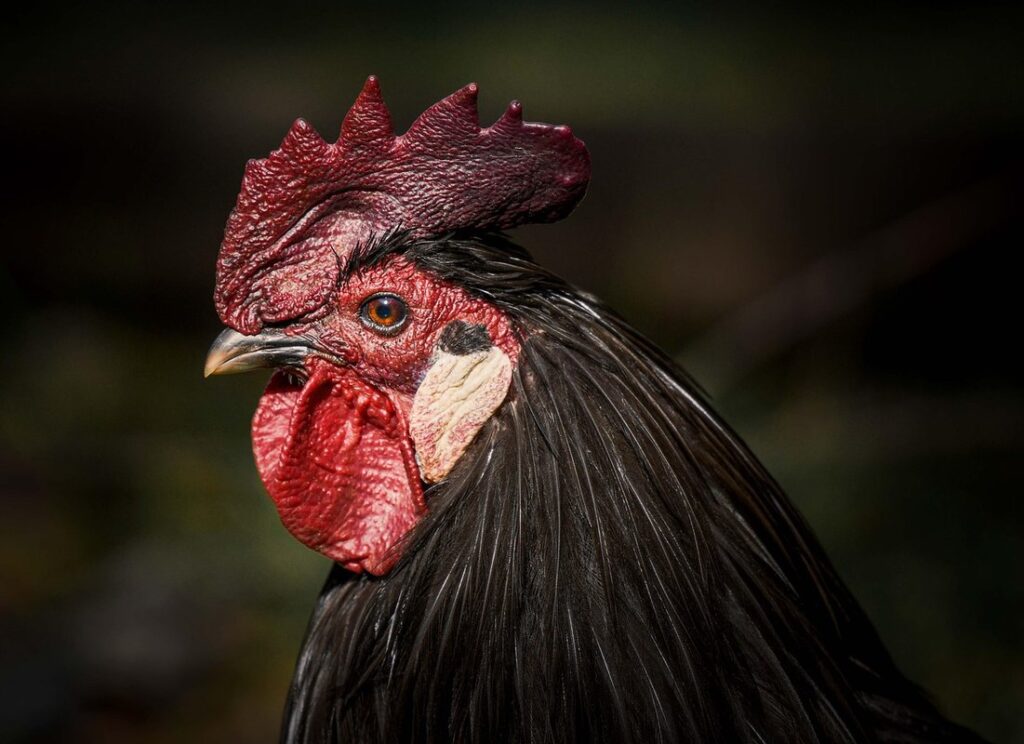
What are Silent Rooster Solutions?
Silent roosters may sound like a myth, but they’re a real solution for backyard farmers and urban dwellers alike who want to raise chickens without the noise. Let’s explore what Silent Rooster Solutions have to offer.
Definition and Explanation
Silent rooster solutions are innovative approaches designed to minimize or eliminate the loud crowing of male chickens, also known as cocks. This concept is particularly relevant for backyard chicken keepers and farmers who want to maintain a peaceful environment without sacrificing egg production.
At its core, silent rooster solutions involve noise reduction strategies that address the underlying causes of loud crowing. These strategies can be categorized into two main areas: behavior modification and environmental adjustments. Behavior modification techniques focus on changing the cock’s natural behavior through training, socialization, or even surgery. For instance, some breeders have successfully trained cocks to crow less by associating loud noises with undesirable outcomes.
Environmental adjustments, on the other hand, involve modifying the surroundings to discourage loud crowing. This can be achieved by isolating cocks from hens during peak crowing periods or providing them with alternative perches and roosts that reduce visibility. By implementing these strategies, individuals can enjoy the benefits of raising chickens while minimizing the disturbance caused by loud crowing.
Importance of Silencing Roosters
Silencing roosters is crucial for maintaining peace and quiet in various environments. For farmers, reducing the noise level can be a major advantage as it enables them to focus on other essential tasks without being distracted by loud crowing. Moreover, it can also contribute to improved sleep quality among farmhands, leading to increased productivity.
In backyard settings, excessive rooster noise can be a source of tension between neighbors. A silent rooster solution helps prevent conflicts and promotes a harmonious living environment. Similarly, in urban areas where noise regulations are strict, having a quiet rooster is essential to avoid fines or penalties.
One way to achieve this is by introducing a “lockdown” period for roosters during the night, preventing them from crowing excessively. This can be done by providing a separate coop for hens and roosters or using noise-reducing materials in the coop design. By implementing these measures, you can enjoy the benefits of having roosters on your property while maintaining a peaceful atmosphere.
Understanding Noise Generation in Roosters
When it comes to noise generation in roosters, understanding the science behind their crowing is key to finding effective solutions for a more peaceful backyard. Let’s break down what drives this natural behavior.
Anatomy of Noisy Behavior
Roosters are known for their loud crowing, but have you ever wondered what drives this noisy behavior? It’s not just a matter of vocal cords or hormonal imbalances. The anatomy and physiology of roosters play a significant role in shaping their vocalizations.
Let’s start with the basics: a rooster’s vocal anatomy consists of two syrinxes located at the base of the trachea, which produce sound waves when air is expelled through them. These syrinxes are made up of cartilage, muscle, and connective tissue, allowing for incredible range and control over pitch. But what triggers these loud calls?
Hormonal influences, particularly testosterone, can amplify a rooster’s vocalizations. As they mature, their testicles produce more testosterone, which boosts the size and activity of the syrinxes, leading to louder crowing. Environmental factors also come into play: noise pollution, stress, and even the presence of predators can stimulate a rooster’s vocalizations.
To manage your rooster’s noisy behavior, provide them with adequate space, social interaction, and regular exercise to reduce stress levels. This may involve enriching their environment with perches, toys, or even other birds. By understanding these biological and physical factors, you can take the first step in silencing your rooster’s loud crowing for good.
Factors Influencing Rooster Noise Levels
When it comes to managing rooster noise levels, understanding the underlying factors that influence their vocalizations is crucial. One of the most significant factors affecting rooster noise levels is breed. Some breeds, such as Silkies and Polish, are naturally quieter than others, like Leghorns and Rhode Island Reds.
Age also plays a role in determining a rooster’s noise level. Younger roosters tend to be more vocal as they establish their dominance within the flock. In contrast, older roosters may become less vocal over time due to reduced testosterone levels.
The sex ratio of your flock can also impact rooster noise levels. A ratio that is too skewed towards males can lead to increased competition and subsequent vocalizations. Dietary factors, such as protein intake, have been shown to affect the volume and frequency of a rooster’s crowing. Finally, living conditions, including space and environmental stimulation, can contribute to a rooster’s overall noise level.
By understanding these factors and making adjustments to your flock’s environment, you may be able to reduce unwanted noise levels and create a more harmonious backyard.
Effective Strategies for Silencing Roosters
If you’re tired of being woken up by loud rooster crowing, don’t worry, we’ve got some effective strategies to help you keep the peace. From noise-dampening solutions to behavioral training, we’ll show you how.
Environment-Related Solutions
Modifying a rooster’s environment can be an effective way to reduce noise levels. One key aspect is coop design. A spacious and well-ventilated coop with adequate perches for the birds to roost on can help minimize squawking. Consider using sound-absorbing materials like straw or wood shavings in the nesting boxes, as these can help dampen loud calls.
Another factor to consider is the layout of the coop. Place the nesting boxes away from high-traffic areas and noise-generating equipment like feeders or water dispensers. A quieter environment can help reduce stress, leading to less vocalization from the rooster.
The surrounding landscape also plays a crucial role in minimizing noise levels. Planting dense foliage like bushes or trees around the coop can act as a natural sound barrier, blocking loud calls from traveling far. Additionally, incorporating features like ponds or waterfalls can create white noise, helping mask any loud sounds produced by the rooster.
Behavioral Modification Techniques
One effective way to minimize loud vocalization from roosters is through behavioral modification techniques. These methods focus on changing a rooster’s behavior rather than masking its sounds. Training is an excellent starting point, as it helps establish clear boundaries and expectations for acceptable noise levels.
To begin training, observe your rooster’s vocalization patterns and identify triggers that cause loud crowing. Once you’ve pinpointed these triggers, use positive reinforcement techniques to associate quiet behavior with rewards, such as treats or attention. For instance, every time the rooster makes a soft “cackle” rather than a loud crow, reward it with a treat.
Social interaction manipulation is another technique worth exploring. Roosters often vocalize loudly when they feel threatened or need attention. By adjusting their social dynamic, you can reduce noise levels significantly. Try introducing a calm and assertive rooster or hen to your flock, as their influence can help temper loud behavior. You can also experiment with using decoy birds to distract the rooster from its usual vocalization triggers.
DIY Silencing Solutions for Roosters
If you’re tired of dealing with early morning rooster wake-up calls, we’ve got some creative solutions to help silence your feathered friend without sacrificing its well-being.
Homemade Noise Reducers
When it comes to reducing noise from roosters, you don’t always need expensive commercial products. With some creativity and basic materials, you can create effective homemade noise-reducing devices that’ll help keep the peace in your backyard.
One of the simplest solutions is a DIY silencer made from an old plastic bottle or container. Cut out the bottom and any handles, then wrap the top with absorbent material like cotton balls or a towel. This will significantly reduce the rooster’s crowing decibel level. Place it over the rooster’s beak or attach it to their coop to minimize noise pollution.
Another option is to create sound-absorbing materials using household items. Mix baking soda and water to form a paste, then apply it to a piece of fabric or cardboard. The mixture will absorb sound waves, reducing echoes and reverberations that can amplify the rooster’s crowing.
You can also repurpose old muffs as homemade noise-reducing accessories for your roosters. Clean and disinfect them thoroughly before placing them over the birds’ ears to block out loud noises. By getting creative with materials you already have, you’ll be well on your way to reducing noise pollution from your rooster flock without breaking the bank.
Commercial Products and Reviews
When it comes to silencing roosters, many of us turn to commercial products that promise to solve our noise problems. But do these products live up to their claims? Let’s take a closer look at some popular commercial options and their effectiveness.
One product worth mentioning is the SilencerCo Harvester, which uses a specialized valve system to reduce rooster noise by 95%. While this might sound impressive, there are some drawbacks – for one, it requires a significant upfront investment (around $150) and may not be compatible with all breeds or coop designs. Additionally, some users have reported issues with the device’s durability.
Another product on the market is the Roost-a-Silencer, which uses a combination of sound-absorbing materials and a clever design to reduce noise levels. While user reviews are generally positive, some owners have complained about its limited effectiveness for larger or more vocal roosters.
When considering commercial products, it’s essential to weigh their pros and cons carefully. While they might offer a convenient solution, they may not address the root cause of your rooster’s noise issues.
Alternative Solutions: Breeds and Selection
If you’re not ready for a rooster-free life just yet, let’s explore some breeds that are naturally quieter than others. These low-key roosters might be just what you need to achieve a peaceful backyard.
Quiet Rooster Breeds
If you’re looking for silent rooster solutions but still want to enjoy the benefits of having male chickens in your backyard flock, consider quieter rooster breeds. These birds are perfect for small-scale farming operations or backyard flocks where noise regulations might be a concern.
Some popular quiet rooster breeds include Silkie, Polish, and Cochin. Silkies, for example, have a soft, gentle cooing sound that’s much softer than the typical crowing of other roosters. They’re also known for their friendly and docile nature, making them an excellent choice for families with children.
Polish chickens are another quiet breed option, with a soft “chirp” instead of a loud crow. They’re relatively small in size, which makes them perfect for smaller backyards or coops. Cochins, on the other hand, have a deep, resonant call that’s more akin to a gentle bellow than a loud crow.
When selecting quieter rooster breeds, remember to look for birds with docile temperaments and minimal aggressive behavior. This will help ensure a harmonious flock environment.
Selecting the Right Rooster
When selecting a quiet rooster from a breeder or purchasing a younger bird with potential to reduce noise over time, it’s essential to know what to look for. Not all breeds are created equal when it comes to vocalization, and some will be much quieter than others.
Consider the breed’s natural behavior and temperament. For example, Silkies, Polish, and Brahma roosters are often known for being quieter than other breeds. You can also ask the breeder about the bird’s background and how they’ve handled previous noise issues.
If purchasing a younger bird, look for those between 6-12 months old. At this age, their vocal cords are still developing, which means they will have less opportunity to imprint loud behavior. Additionally, many breeders will work with young birds to reduce noise levels through training and socialization.
Ultimately, finding the right rooster requires patience and research. Work closely with your breeder to find a bird that meets your needs, and remember that every rooster is unique – some may be naturally quieter than others, even within the same breed.
Managing Flock Dynamics: Social Structure and Interaction
When it comes to a silent rooster solution, understanding your flock’s social dynamics is crucial. This section will delve into how social structure and interaction impact noise levels in your backyard flock.
Raising Chicks and Pullet Management
When raising chicks and pullets, it’s essential to prioritize early socialization and management techniques that discourage loud behavior. This is especially crucial for finding silent rooster solutions, as aggressive or noisy birds can lead to unwanted roosters in the flock.
Start by separating chicks from their parents at 4-6 weeks old to prevent them from learning dominant behaviors like crowing. Introduce pullets to a flock of hens already over a year old, allowing them to absorb gentle and calm behavior.
Monitor your flock’s dynamics closely during this period, removing any birds that exhibit loud or aggressive behavior. Keep groups small, ideally around 10-15 birds, to prevent dominant individuals from asserting themselves.
Early socialization is key; introduce new pullets gradually, beginning with visual introductions through a fence or gate before releasing them into the flock together. This helps prevent territorial disputes and loud squawking that can occur when introducing birds too quickly.
Be patient and watchful during this time – it’s better to lose one bird than risk disrupting your entire flock’s social structure.
Adult Rooster Integration and Social Hierarchy
Integrating a new adult rooster into an existing flock can be a delicate process, especially if you’re looking to minimize noise levels. One key consideration is the social hierarchy of your flock. Roosters establish dominance through vocalizations and body language, so introducing a new bird without careful planning can lead to territorial disputes.
To avoid this, it’s best to introduce a young rooster or one that has been raised together with other birds from an early age. This way, they’ll have a chance to form bonds and learn each other’s roles within the flock. When integrating an adult rooster, start by separating them from the existing flock for a few days to allow them to become familiar with each other’s presence.
When reintroducing the birds, do so gradually under close supervision. Observe their behavior closely, watching for signs of aggression or submission. If tensions rise, intervene promptly and separate the birds until they calm down.
Implementing Long-Term Solutions: Maintenance and Upkeep
Now that you’ve silenced your rooster’s loud crowing, it’s essential to implement long-term solutions for maintenance and upkeep to ensure the noise doesn’t return. Let’s explore the best practices for keeping your coop tidy and quiet.
Regular Cleaning and Maintenance
Regular cleaning and maintenance are crucial aspects of implementing long-term solutions for reducing stress-related loud behavior in roosters. A clean coop can help minimize stress triggers, such as ammonia buildup from waste, which can lead to loud vocalizations.
To maintain a clean and healthy environment, remove soiled bedding material regularly, ideally every 6-8 weeks, depending on the number of birds and their age. Replace it with fresh, dry bedding like straw or pine shavings. Also, keep the coop well-ventilated by ensuring adequate airflow through windows or doors.
Proper waste management is equally important. Remove droppings daily to prevent ammonia buildup. Consider using a drop pan or tray under the roosting bars to catch droppings and make clean-up easier. Furthermore, maintain a regular cleaning schedule for food and water dishes, and ensure that the coop’s windows are free from debris.
By prioritizing regular cleaning and maintenance, you can significantly reduce stress-related loud behavior in your roosters.
Monitoring and Adjusting Strategies
Monitoring a rooster’s behavior and adjusting silencing strategies as needed is crucial for long-term effectiveness. At first, it may seem like the rooster has been successfully silenced, but if you don’t keep an eye on its behavior, you might miss signs that the strategy isn’t working.
Start by observing your rooster regularly, paying attention to any changes in its vocalization patterns. If you notice that the rooster is starting to crow again or making other noise complaints, it’s likely that the current silencing strategy isn’t sufficient. Don’t assume that a one-time solution will last forever – roosters can adapt and find new ways to make noise.
Consider factors like changes in season, weather, and social dynamics within the flock when adjusting strategies. For example, you might need to re-introduce visual barriers or increase noise-reducing measures during mating season or when introducing new birds to the flock. By being proactive and monitoring your rooster’s behavior closely, you can make adjustments as needed to maintain a peaceful environment. This ensures that your silencing strategy remains effective over time.
Frequently Asked Questions
Can I use silent rooster solutions for large-scale farms or commercial operations?
Yes, the principles of silent rooster solutions can be applied to various farm settings, including large-scale commercial operations. However, it’s essential to consider factors like noise regulations, animal welfare standards, and economic feasibility when implementing these strategies on a larger scale.
How do I determine which quiet rooster breed is best for my backyard flock?
Selecting the right breed depends on your specific needs and environment. Consider factors such as climate, available space, egg production requirements, and personal preferences for noise levels. Research breeds like Marans, Brahmas, or Australorps, which are known to be relatively quiet.
Can I silence a rooster that’s already developed loud crowing habits?
While it may be more challenging to modify an existing bird’s behavior, it’s not impossible. Focus on gradual behavioral modification techniques, such as reducing stress triggers and encouraging positive associations with the environment. Be patient and consistent in your approach, but also consider the potential for limited success.
What are some common mistakes people make when implementing DIY silent rooster solutions?
Common pitfalls include inadequate research, incorrect material selection, and poor installation. Ensure you understand the underlying principles of noise reduction and invest time in selecting suitable materials that meet your specific needs.
How often should I monitor and adjust my silent rooster solution strategies?
Regular monitoring is crucial to ensure effectiveness and adapt to changing circumstances. Schedule regular checks on noise levels, environmental conditions, and bird behavior to identify areas for improvement or adjustments. Consider implementing a maintenance schedule to maintain the integrity of your solutions over time.