
When it comes to helping birds create their perfect nests, providing the right nesting materials is crucial. But with so many options available, it can be overwhelming to choose the best ones for your feathered friends. Should you opt for natural materials like twigs and grasses or synthetic alternatives that mimic these? And what about DIY recipes and specialty options tailored to specific bird species?
In this comprehensive guide, we’ll delve into the world of nesting material options, exploring both natural and synthetic choices. We’ll also share some creative DIY recipes to make your own nesting materials at home. Whether you’re a seasoned birder or just starting out, this article will help you understand what types of nesting materials are best for different bird species, ensuring that you provide the perfect haven for these incredible creatures to raise their young.
Introduction to Nesting Materials
When it comes to choosing the right nesting materials for your feathered friends, you’ll want to consider a few essential factors that affect their comfort and safety. This section covers the basics of popular nesting material options.
Definition and Importance of Nesting Materials
Nesting materials play a vital role in supporting bird health and well-being. At its core, nesting material refers to any substance used by birds to construct their nests. This can range from plant fibers like grasses and leaves, to twigs and pine needles, to human-provided alternatives like wood shavings or paper-based products.
While it may seem simple, the choice of nesting materials has significant implications for bird health. For instance, birds that nest in areas with high levels of pollution are more likely to bring pollutants into their nests through the use of contaminated materials. This highlights the importance of selecting high-quality, non-toxic nesting materials. In terms of EEAT (Expertise, Experience, Authoritativeness, Trustworthiness) considerations, it’s essential to consult reputable sources and consider expert opinions when choosing a nesting material.
As we explore the world of nesting materials, it’s crucial to prioritize bird health and safety above all else. By making informed choices about nesting materials, you can help create a healthier environment for our feathered friends to thrive in.
Types of Nesting Materials Used by Birds
When it comes to building their nests, birds are incredibly resourceful and versatile. They use an astonishing array of materials found in their environment to create a safe and cozy home for themselves and their young. Let’s take a look at some of the most common types of nesting materials used by birds.
Twigs and branches are perhaps the most obvious choice for nest building. Birds will often collect sturdy twigs from trees or shrubs, arranging them in a crisscross pattern to form the base of the nest. Grasses and leaves are also popular choices, providing a soft and insulating layer that helps keep eggs warm. Some birds, like robins and sparrows, use mud to construct their nests, often combining it with other materials for added strength.
Feathers are another crucial component of many bird nests. Many species will collect feathers from the ground or strip them from nearby trees, using them to line their nest and provide extra cushioning. Even seeds, hair, and plant fibers can be used in some cases. It’s truly amazing to see how creatively birds adapt and reuse materials available to them to build a comfortable and secure home.
Birds often choose materials based on what is locally abundant or readily accessible, so the specific types of nesting materials will vary depending on their habitat and geographical location.
Natural vs. Synthetic Nesting Materials
When it comes to choosing nesting materials, one of the most significant decisions you’ll make is whether to opt for natural or synthetic options. Let’s dive into the pros and cons of each type.
Pros and Cons of Using Natural Nesting Materials
Using natural nesting materials can be a great option for bird enthusiasts and wildlife conservationists. These materials are readily available in most environments, making them an attractive choice for those who want to create nests that blend in with their surroundings.
Some of the benefits of using natural nesting materials include their ability to provide insulation and structure for the nest, as well as their potential to be replaced by the birds themselves over time. For example, twigs and branches can be easily found on the forest floor or in nearby trees, making them an accessible choice for creating a natural nest.
However, there are also some drawbacks to consider. Natural materials may have variable quality, which can affect their durability and performance. Additionally, collecting these materials can sometimes harm the environment, especially if it involves damaging existing habitats or disrupting local ecosystems.
Popular Synthetic Alternatives to Natural Nesting Materials
If you’re looking for synthetic alternatives to natural nesting materials that still mimic their benefits, there are several options worth considering. For instance, paper-based nest boxes have gained popularity among bird enthusiasts due to their ease of use and sustainability. These boxes can be made from recycled paper products, such as egg cartons or newspaper, which are biodegradable and compostable.
Another option is using synthetic grasses that resemble natural plant fibers like reeds or cattails. These materials can provide a similar texture and structure to natural nesting materials without the risk of decomposition or pest infestation. Some manufacturers also offer heat-treated synthetic grasses that mimic the look and feel of real grass, making them an attractive alternative for nest box construction.
One advantage of these synthetic alternatives is their durability, which can withstand harsh weather conditions and repeated use. This makes them a great option for bird enthusiasts who want to provide long-term nesting opportunities without the need for frequent replacements or maintenance.
DIY vs. Commercial Nesting Material Options
When choosing nesting material, you may be torn between making your own or buying pre-made options from a commercial supplier.
This section compares and contrasts DIY and commercial nesting material options to help guide your decision.
Creating Your Own Nesting Materials at Home
Creating homemade nesting materials at home is not only cost-effective but also a fun and eco-friendly way to provide for your feathered friends. With just a few simple household items, you can create a variety of nesting materials that are perfect for birds to build their nests.
To get started, gather the following materials:
* Dry grasses or hay
* Twigs and small branches
* Pine needles or dry leaves
* Yarn or twine
* Cardboard tubes (from paper towel rolls or toilet paper holders)
Next, simply bundle your collected materials together in a neat package, leaving some loose ends for the birds to arrange as they see fit. You can also get creative and add other items like cotton strings, wool roving, or even dried flowers.
The cost-effectiveness of creating homemade nesting materials is undeniable – you’re likely to spend no more than $5-10 on all the necessary materials. Plus, by reusing household items, you’ll be reducing your environmental impact and contributing to a more sustainable lifestyle. By giving birds the materials they need to build their nests, you’ll also be supporting their natural behavior and helping them thrive in your community.
Advantages and Disadvantages of Commercial Nesting Materials
When it comes to commercial nesting materials, there are several advantages and disadvantages to consider. One of the main benefits is that these products are designed with quality in mind, often featuring durable and long-lasting materials that can withstand repeated use. Additionally, many commercial nesting materials are treated with safe and non-toxic chemicals, making them a good choice for birds that may ingest some of the material during preening.
However, there are also several drawbacks to consider. Commercial nesting materials can be quite expensive, especially when compared to DIY options or natural materials found in nature. Furthermore, availability can be limited depending on your location and the specific products you’re looking for. Some commercial nesting materials may also have a high carbon footprint due to transportation and packaging.
Overall, it’s essential to weigh these pros and cons carefully before deciding whether commercial nesting materials are right for your project or flock. By doing so, you can make an informed decision that balances quality, cost, and sustainability.
Specialty Nesting Material Options for Specific Species
Certain bird species have unique nesting requirements, making specialized materials a must for their habitats, such as bamboo for parrots and sand for weavers.
Examples of Unique Nesting Material Requirements
Some bird species have distinct preferences when it comes to nesting material, and using the wrong type can be detrimental to their reproductive success. For instance, birds like the Common Cuckoo and the Baya Weaver are known to use specific types of grasses for their nests.
The Common Cuckoo, in particular, uses tall grasses with long stems to create a sturdy nest platform. These grasses should be carefully collected from the bird’s natural habitat, taking care not to damage the plant or disrupt its growth cycle. Meanwhile, the Baya Weaver uses short, broad-leaved grasses to build an intricate and complex nest.
The Northern Flicker, on the other hand, prefers to use feathers in its nesting material, particularly those from birds like the American Robin and the House Wren. This may seem unusual, but it’s essential for creating a comfortable and protective environment for their young. If you’re trying to replicate these nesting materials, consider using natural fibers or sustainable alternatives to ensure the nest meets the bird’s specific needs.
How to Choose the Right Nesting Materials for Your Birds
When it comes to choosing nesting materials for your birds, it’s essential to consider their specific needs and habitat requirements. Different bird species have unique preferences when it comes to nesting materials, so let’s dive into some expert advice on selecting the right materials for your feathered friends.
For example, cavity-nesting birds like bluebirds and swallows prefer soft, dry materials such as wood shavings or excelsior to line their nests. These materials are easy to remove and clean out after each nesting season. In contrast, open-cup nesters like robins and sparrows often use coarser materials like grasses and twigs.
To choose the right nesting material for your birds, start by researching the specific needs of your species. Consider factors like climate, availability of natural materials, and predation risks. For instance, in areas with high humidity or heavy rainfall, you may want to opt for materials that can withstand moisture, such as moss or sphagnum peat. By selecting nesting materials tailored to your bird’s specific needs, you’ll be supporting their health, safety, and success.
Nesting Material Safety and Hygiene Considerations
When selecting nesting materials, it’s essential to consider their safety and hygiene implications for your health and the well-being of your baby. Let’s explore some key considerations to keep in mind.
Potential Health Risks Associated with Certain Nesting Materials
When it comes to choosing the right nesting materials for your birds, safety and hygiene should be top of mind. Unfortunately, some materials can harbor potential health hazards that may affect not only the birds but also their owners. Mold, bacteria, and parasites are just a few examples of the unwanted visitors you might find in certain nesting materials.
For instance, wood shavings or sawdust can be contaminated with mold spores, which thrive in damp environments. If the shavings become wet due to humidity or cleaning, it can create an ideal breeding ground for mold growth. Similarly, pine shavings have been known to harbor mites and other parasites that can cause skin irritation and respiratory issues.
Another concern is bacteria-laden materials like straw or hay. These can be contaminated with pathogens such as E. coli or Salmonella, which can easily spread to the birds’ beaks, feathers, or even human handlers.
To minimize these risks, always opt for nesting materials made from non-porous, easy-to-clean materials like plastic or paper-based products. Regular cleaning and disinfection of any nesting material are also crucial in maintaining a healthy environment.
How to Ensure Cleanliness and Hygiene in Nesting Materials
When it comes to ensuring cleanliness and hygiene in nesting materials, it’s essential to follow proper storage, handling, and disposal guidelines. To maintain a clean environment for your birds, store nesting materials in a dry, well-ventilated area away from direct sunlight and moisture. This will help prevent mold and mildew growth.
Before placing new nesting materials in the bird enclosure, inspect them thoroughly for any signs of damage or contamination. Remove any debris, dust, or loose fibers, and wash reusable materials like paper bags or towels according to the manufacturer’s instructions. Always wash your hands before and after handling nesting materials.
Proper disposal is also crucial. Dispose of soiled or contaminated materials immediately, and replace them with fresh ones. Regularly clean and disinfect surfaces that come into contact with nesting materials, such as perches and feeding trays. By following these guidelines, you can help maintain a safe and healthy environment for your birds to nest and thrive.
Conclusion: Choosing the Right Nesting Material for Your Birds
Now that you’ve weighed your nesting material options, it’s time to make a final decision on what will bring your feathered friends the most comfort and security. Let’s review key considerations for choosing the right nesting material.
Recap of Key Points
In conclusion, choosing the right nesting material for your birds is crucial to ensure their health and well-being. Let’s recap the key points covered in this article: selecting suitable materials based on expert recommendations can significantly impact the success of your birds’ nesting endeavors.
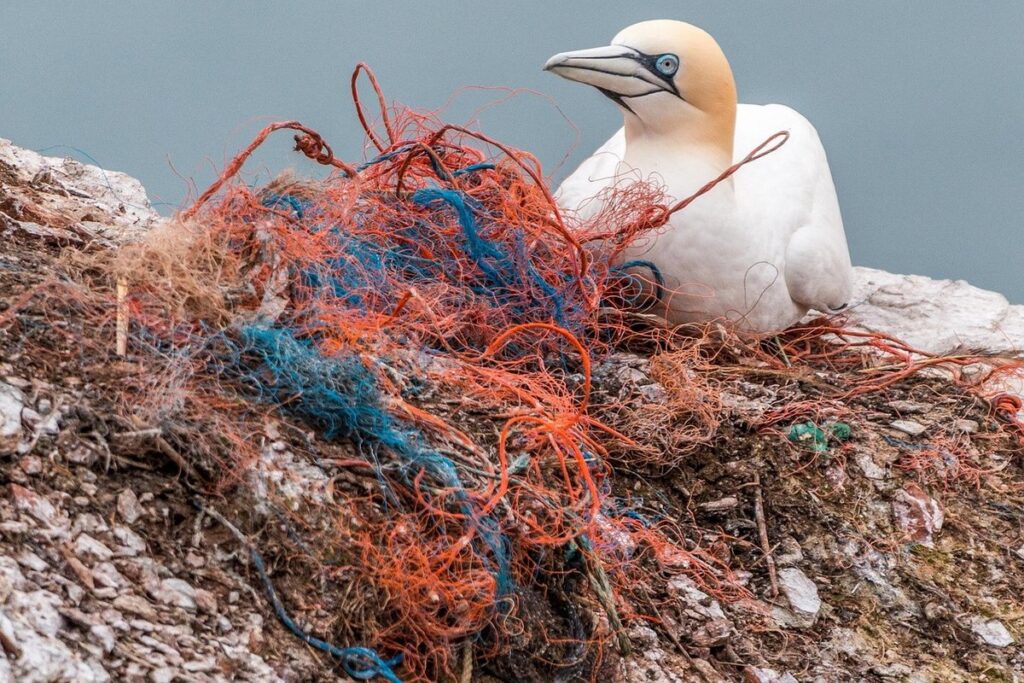
As discussed earlier, natural fibers like cotton, hemp, and bamboo are ideal options due to their breathability and gentle texture. These materials promote a comfortable environment for birds to build their nests without causing stress or discomfort. On the other hand, synthetic materials like plastic and nylon should be avoided as they can cause respiratory problems and even death in some cases.
It’s essential to note that different bird species have unique preferences when it comes to nesting materials. Some birds may prefer coarser fibers like grasses and twigs, while others may opt for softer materials like feathers and moss. Consider the specific needs of your bird species when selecting a nesting material.
Remember, providing suitable nesting materials is not only a matter of comfort but also a safety concern for your birds. By choosing the right materials, you can help reduce stress, promote healthy nesting habits, and ensure the overall well-being of your feathered friends.
Final Thoughts on Best Practices for Nesting Materials
When it comes to choosing the right nesting material for our feathered friends, we’ve covered a lot of ground. From natural fibers like twigs and grasses to synthetic options like paper and foam, each type has its own set of benefits and drawbacks.
In conclusion, selecting the right nesting material is crucial not only for your bird’s comfort but also their health and well-being. To promote optimal bird health, opt for materials that are free from chemicals and pesticides, and choose natural fibers whenever possible. For example, a mix of twigs, grasses, and pine needles can provide excellent insulation and support for your birds’ nests.
When introducing new nesting materials, do so gradually to prevent overwhelming your birds. Start by offering small amounts or replacing existing materials with new ones to encourage exploration and acceptance. By following these best practices and considering the unique needs of each species, you’ll be well on your way to creating a healthy and happy nesting environment for your birds.
Frequently Asked Questions
Can I use a single type of nesting material for all bird species?
No, different bird species have unique requirements when it comes to nesting materials. Research the specific needs of your target birds to provide the best possible materials.
How do I ensure the cleanliness and hygiene of DIY nesting materials?
When creating your own nesting materials at home, make sure to use clean and sanitized equipment, and wash your hands thoroughly before handling any materials. Consider using a UV sanitizer or letting materials air-dry for 24 hours to minimize bacteria growth.
Are there any health risks associated with certain synthetic nesting materials?
Yes, some synthetic materials can be toxic to birds if ingested or come into contact with their skin. Opt for non-toxic and eco-friendly alternatives whenever possible, and always read labels carefully before using any new material.
Can I mix and match different types of natural materials for a unique blend?
Yes, many bird species appreciate the creativity and diversity that comes with mixed-material nests. Just be sure to use materials that complement each other in terms of texture, size, and flexibility.
What are some creative ways to repurpose household items as nesting materials?
Repurposed household items like cardboard tubes, egg cartons, and fabric scraps can make excellent nesting materials for birds. Get creative and think outside the box (or nest!) when sourcing materials – just be sure they’re safe and non-toxic for your feathered friends.