
Protecting your poultry farm from disease is crucial for maintaining the health and productivity of your birds. As a poultry farmer, you’re likely aware of the devastating impact that diseases can have on your business. A well-planned biosecurity strategy is key to preventing the introduction and spread of diseases on your farm.
But where do you start? Creating a comprehensive biosecurity checklist is an essential first step in safeguarding your flock. In this article, we’ll guide you through the key areas to consider when developing your poultry biosecurity plan. From designing a disease-resistant farm layout to implementing effective cleaning protocols and training staff on biosecurity best practices, we’ve got you covered. We’ll also explore the importance of vaccination strategies and how to incorporate them into your overall biosecurity plan.
Understanding Poultry Biosecurity
Effective biosecurity measures begin with a clear understanding of potential risks, which is why we’ll be diving into the essential components of poultry biosecurity in this section. We’ll explore key areas to focus on for a robust defense against disease outbreaks.
Importance of Biosecurity in Poultry Production
Biosecurity is crucial in poultry production for several reasons. One of the most significant concerns is the impact of disease outbreaks on farms and the economy as a whole. According to the World Organisation for Animal Health (OIE), avian influenza alone has caused losses of over $20 billion globally since 2003.
Disease outbreaks can lead to devastating consequences, including loss of revenue, damage to reputation, and even closure of farms. For instance, in 2014-2015, a highly pathogenic avian influenza outbreak in the United States resulted in the culling of nearly 50 million birds, causing losses estimated at over $3 billion.
In addition to financial losses, disease outbreaks can also lead to food safety concerns and trade disruptions. This is because many countries have strict regulations against importing poultry products from areas affected by diseases like avian influenza or salmonella. To mitigate these risks, poultry producers must prioritize biosecurity measures such as vaccinations, sanitation practices, and proper waste disposal.
Effective biosecurity planning requires a multi-faceted approach that involves regular monitoring, cleaning, and disinfection protocols. This includes separating different bird flocks, implementing strict visitor controls, and training staff on best practices for handling birds and their environments.
Overview of Biosecurity Principles
Biosecurity is the cornerstone of maintaining a healthy and productive poultry farm. At its core, biosecurity aims to prevent the entry of pathogens into a facility and minimize the risk of transmission within it. This is achieved through a combination of physical barriers, hygiene practices, and management strategies that limit exposure to potential disease-causing agents.
Preventing pathogen entry involves controlling who enters and exits your farm, as well as what they bring with them. This includes limiting visitor access, requiring proper attire and disinfection protocols for personnel entering the facility, and inspecting equipment and supplies before they are brought onto the premises. Regular cleaning and disinfection of all areas within the farm, including living quarters, feed and water sources, and equipment, is also crucial.
Effective biosecurity measures must be in place at every level of a poultry operation, from management to laborers, to ensure that disease risk is minimized. This includes regular training for staff on proper hygiene practices and protocols, monitoring for signs of disease, and maintaining accurate records of all activities related to biosecurity.
Farm Design and Layout for Biosecurity
To effectively prevent disease outbreaks, you’ll want to carefully consider the design and layout of your poultry farm, focusing on key features that boost biosecurity. A well-planned layout can make all the difference.
Poultry House Design Considerations
When designing a poultry house, it’s essential to prioritize biosecurity measures that minimize the risk of disease introduction and spread. One crucial factor is ventilation, which plays a critical role in maintaining a healthy environment for birds. Adequate airflow helps to remove dust, ammonia, and moisture-laden air, reducing the likelihood of respiratory problems and other health issues.
Proper lighting is also vital, as it affects bird behavior, productivity, and overall well-being. Natural light can be supplemented with artificial lighting to ensure optimal illumination levels, especially during periods when natural light is scarce. However, over-illumination can have negative effects on birds’ visual health and should be avoided.
Effective waste management systems are another critical component of poultry house design. Proper removal and disposal of manure and dead birds prevent the accumulation of pathogens and minimize disease transmission risk. Consider implementing automated manure removal systems or regular manual cleaning schedules to maintain a clean environment.
To optimize biosecurity, consider incorporating features such as covered feeders, nesting boxes with easy cleaning access, and dedicated areas for vaccinations and treatment.
Layout and Traffic Control
When designing your poultry farm layout, it’s essential to prioritize traffic control and minimize human movement to reduce disease transmission risks. Start by separating visitor areas from the main production zone. Designate a specific entry point for visitors, which should be separate from worker entrances. This will help prevent unauthorized access to high-risk areas.
To optimize worker movement, consider creating a one-way flow system or designated paths for personnel. Label these routes clearly and ensure they’re well-maintained to reduce slip hazards. Incorporating features like ramps and gentle slopes can also make it easier for workers to navigate the farm while carrying equipment.
When planning your layout, identify high-risk areas, such as feed storage rooms and loading/unloading zones, and implement stricter access controls. Install hand-sanitizing stations strategically throughout the facility to promote good hygiene practices among personnel. By carefully designing your poultry farm’s traffic flow and visitor management system, you can reduce disease transmission risks and create a more efficient working environment for your staff.
Cleaning and Disinfection Protocols
When it comes to poultry biosecurity, maintaining a clean and disinfected environment is crucial. This section will guide you through the essential cleaning and disinfection protocols to safeguard your flock’s health.
Pre-Cleaning Procedures
Before you start cleaning and disinfecting your poultry farm, it’s essential to follow some pre-cleaning procedures to ensure a thorough job. Remove all manure from the production area, as it can harbor disease-causing pathogens. Use a fork lift or tractor to collect and dispose of the manure in an approved manner.
Next, clean all equipment used for cleaning and disinfecting, such as hoses, nozzles, and squeegees. Wash these items with soap and warm water, then sanitize them with a solution of one part bleach to nine parts water. Allow the equipment to air dry before using it again.
Decontaminate surfaces by removing any visible debris, followed by a thorough cleaning with a detergent specifically designed for poultry production areas. Use a mop or broom to sweep and clean all floors, paying particular attention to corners and crevices where dirt tends to accumulate. Finally, apply a disinfectant to high-touch areas such as feeders, waterers, and nesting boxes.
Remember to always follow the manufacturer’s instructions when using cleaning agents, and take necessary safety precautions to avoid exposure to chemicals.
Disinfection Methods and Scheduling
In poultry production, disinfection is a crucial aspect of maintaining biosecurity. Various methods are employed to eliminate pathogens and prevent disease outbreaks. Chemical disinfection involves the use of products such as quaternary ammonium compounds (quats) or hypochlorite solutions. These have broad-spectrum activity but can be corrosive to equipment and harm animals if ingested.
Physical disinfection, on the other hand, relies on manual scrubbing with cleaning agents followed by rinsing. While it’s labor-intensive, this method is gentler on equipment and surfaces.
Other methods include dry fogging, which uses a mist of micro-droplets to cover large areas quickly; UV light disinfection, which targets bacteria and viruses through electromagnetic radiation; and steam disinfection, which utilizes high-temperature water vapor to eradicate pathogens.
When it comes to scheduling disinfection activities, it’s recommended to perform daily cleaning followed by weekly chemical or physical disinfections. Dry fogging may be done bi-weekly or monthly depending on the farm’s specific needs. Regular maintenance ensures a controlled environment and minimizes disease outbreaks.
Staff Training and Biosecurity Practices
Ensuring staff are well-trained on biosecurity practices is crucial for a successful poultry operation, let’s dive into the essential training protocols you need to implement. Proper procedures help prevent disease outbreaks and maintain a healthy flock.
Staff Roles and Responsibilities
Clear communication is key to effective biosecurity practices on your poultry farm. It’s essential that all staff members are aware of their roles and responsibilities regarding biosecurity protocols. This not only helps prevent the spread of disease but also ensures a smooth operation of daily tasks.
Designate specific roles for each staff member, such as:
* Lead Farm Worker: responsible for enforcing biosecurity measures
* Health Manager: oversees health programs and ensures compliance with regulations
* Cleaning Supervisor: supervises cleaning and disinfection activities
Establish clear protocols for reporting incidents, such as bird escapes or equipment failures. This helps ensure a swift response to potential biosecurity breaches.
When assigning roles and responsibilities, consider conducting regular training sessions to reinforce the importance of biosecurity practices. Hold meetings to discuss any issues that have arisen and brainstorm solutions. Remember to communicate effectively with your team, ensuring everyone understands their part in maintaining a safe and healthy poultry farm environment. This collaborative approach will help you stay ahead of potential biosecurity threats and protect your flock.
Personal Protective Equipment (PPE) Usage
When working with poultry, it’s essential to understand the critical role that Personal Protective Equipment (PPE) plays in preventing disease transmission through human contact. One of the most significant risks in poultry production is the transfer of pathogens from one bird to another via people. This can happen when handlers don’t follow proper protocols.
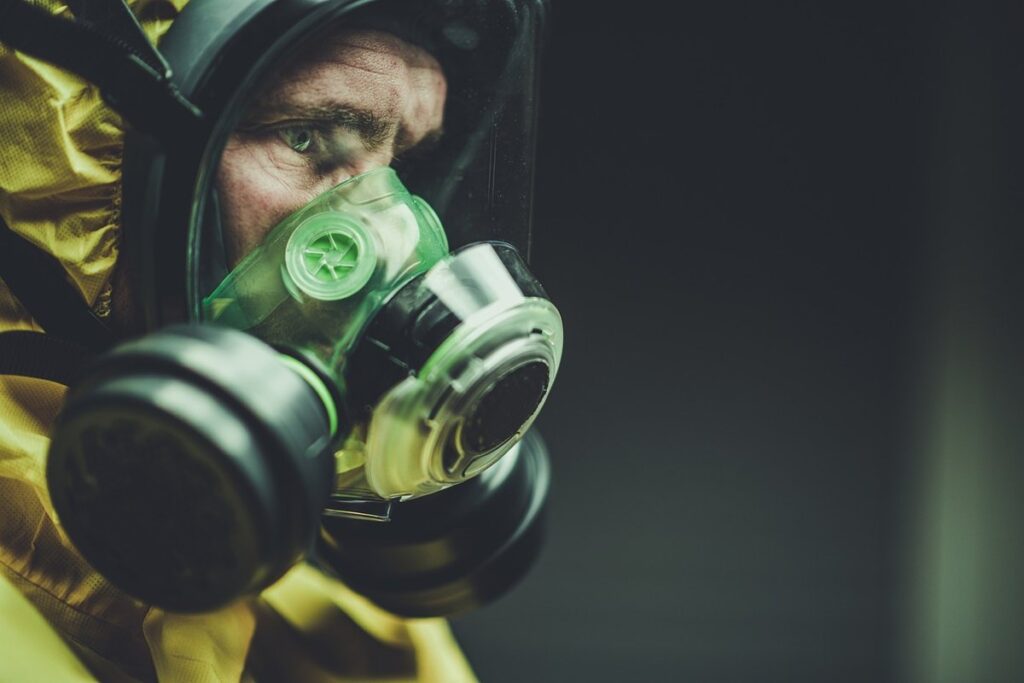
To minimize this risk, always wear appropriate PPE, including gloves, masks, and eye protection. Gloves will protect your hands from coming into direct contact with feathers, droppings, or other contaminants that may harbor bacteria or viruses. Masks will prevent respiratory pathogens from entering your body through the mouth or nose. Eye protection will shield you from potential splashes of contaminated materials.
Remember to change gloves frequently throughout your shift and wash your hands thoroughly after removing PPE. Choose masks with high bacterial filtration efficiency ratings, which should filter out at least 95% of airborne particles. Make sure eye protection meets industry standards for optical clarity and durability.
Vaccination and Disease Management
When it comes to keeping your poultry flock healthy, understanding how to manage vaccinations and diseases is crucial. Let’s dive into the essential steps for vaccination and disease management.
Vaccination Strategies
When it comes to vaccination strategies for common poultry diseases, several factors must be considered to ensure the health and safety of your flock. Timing is crucial, as vaccinating too early can lead to reduced efficacy, while waiting too long may leave your birds vulnerable to infection.
The dosage of vaccine administered will also depend on the specific disease being targeted, as well as the age and size of the birds. For example, Newcastle disease vaccine is typically given in two doses, 7-10 days apart, while infectious bronchitis (IB) vaccine often requires a single dose at around 1 day old.
It’s also essential to be aware of potential side effects, such as inflammation or allergic reactions, which can occur in some birds. Regular monitoring and reporting of adverse events will help you identify any issues early on, allowing for prompt intervention if necessary. As part of your vaccination strategy, ensure that you’re following the recommended vaccine schedule for each disease, taking into account factors like flock dynamics and environmental conditions to maximize efficacy and minimize risks.
Disease Surveillance and Monitoring
Regular monitoring for signs of disease is crucial to maintaining poultry biosecurity. Flocks can be vulnerable to various diseases, and early detection enables prompt action to prevent further spread. Signs of disease may include sudden changes in behavior, appetite, or water consumption, as well as observable physical symptoms such as lesions, respiratory distress, or unusual droppings.
To ensure timely detection, it’s essential to establish a regular monitoring routine. This involves daily inspections by trained personnel who are familiar with normal flock behavior and can quickly identify any anomalies. Monitoring should also include tracking vital signs such as temperature, humidity, and air quality within the facility.
In the event of an outbreak, swift reporting and response are critical. Report any suspected disease to local authorities or a veterinary professional immediately. This allows for prompt collection of samples, analysis, and implementation of control measures. Regular monitoring and reporting also facilitate early detection of emerging diseases, enabling targeted vaccination programs and reducing the risk of disease introduction.
Record Keeping and Biosecurity Audits
Keeping accurate records is essential for maintaining a robust biosecurity program, so let’s dive into the details of record keeping and audits. This includes monitoring, tracking, and reporting key metrics to ensure your flock stays safe.
Importance of Accurate Record Keeping
Accurate record-keeping is a vital component of poultry biosecurity protocols. By maintaining precise and up-to-date records, you’ll be able to identify trends and patterns that may indicate potential breaches in security. This information can then be used to inform data-driven decisions about updating or adjusting your biosecurity measures.
For instance, if you notice a consistent spike in bird mortality rates during a particular time of year, you might investigate further to determine the root cause. Perhaps the increased incidence is due to external factors such as weather conditions, pests, or diseases. By tracking these metrics over time, you can develop targeted strategies to mitigate these risks and maintain optimal health within your flock.
Regular record-keeping also enables you to monitor compliance with established protocols and procedures. This helps ensure that all personnel are adhering to best practices for maintaining a secure environment. Remember to keep records of training sessions, regular cleaning schedules, and visitor logs, among other key activities.
Conducting Regular Biosecurity Audits
Conducting regular biosecurity audits is an essential step in maintaining optimal farm health and preventing disease outbreaks. These audits allow you to evaluate your current biosecurity practices and identify areas that need improvement.
To conduct a thorough audit, start by reviewing your farm’s biosecurity protocols and comparing them to industry standards. Look for any gaps or inconsistencies in procedures and practices. Then, walk through the farm with a team of personnel from different departments, such as production, veterinary, and maintenance. Observe their adherence to biosecurity protocols during daily operations.
During the audit, take note of any issues that arise, no matter how minor they may seem. These can include anything from poor hand hygiene to inadequate cleaning of equipment. Document all findings and discuss them with your team to identify root causes and develop solutions.
Regular audits should be conducted at least quarterly, with more frequent checks during peak production periods or when introducing new animals to the farm. By following this process, you’ll be able to proactively address potential biosecurity risks and maintain a clean, healthy flock.
Frequently Asked Questions
How do I prioritize my biosecurity checklist for a small poultry farm?
Prioritizing your biosecurity checklist can be challenging, especially when resources are limited. Start by identifying the highest-risk areas on your farm and address those first. Consider factors like bird movement patterns, water supply accessibility, and staff interactions with birds. By focusing on these high-risk areas, you’ll be able to mitigate potential disease outbreaks more effectively.
What happens if I don’t have a dedicated biosecurity officer?
While having a dedicated biosecurity officer is ideal, it’s not always feasible for smaller farms or those with limited budgets. In this case, consider designating an existing staff member as the biosecurity liaison and provide them with comprehensive training on all aspects of poultry biosecurity.
How often should I conduct disinfection in my poultry houses?
Disinfection frequency depends on several factors, including bird density, age, and health status. As a general rule, aim to disinfect your poultry houses at least every 4-6 weeks during peak production periods. Be sure to adjust the frequency based on specific farm conditions and disease surveillance data.
Can I use bleach as my primary disinfectant?
While bleach is a common disinfectant, it’s not always the best choice for poultry farms due to its toxicity and potential environmental hazards. Instead, opt for registered disinfectants specifically designed for agricultural use. These products are typically safer, more effective, and often easier on surfaces.
How do I handle equipment and vehicle cleaning and disinfection on my farm?
Equipment and vehicles can spread disease if not properly cleaned and disinfected between farms or within your own operation. To minimize risks, designate a specific area for equipment and vehicle decontamination, use a pressure washer with registered disinfectant, and ensure all staff follow proper decontamination procedures. Regularly inspect and clean vehicles to prevent contamination and maintain a safe biosecurity environment.