
Are you tired of raising chickens on the same old feed? Do you want to give them a more natural and nutritious diet that translates into better eggs for your family? Incorporating pasture plants into your chicken’s diet is a game-changer. Not only will it improve the quality, flavor, and nutrition of their eggs, but it will also reduce stress and increase happiness in your flock. By moving away from traditional feed and towards a more diverse and dynamic menu, you’ll be giving your chickens the chance to thrive.
In this article, we’ll explore the benefits of introducing pasture plants into your chicken’s diet, including how to choose the right varieties and incorporate them into their daily routine. We’ll also delve into the science behind why this approach is so effective in improving egg quality and nutrition. By the end of it, you’ll have a clear plan for taking your flock’s diet to the next level and enjoying the benefits that come with it.
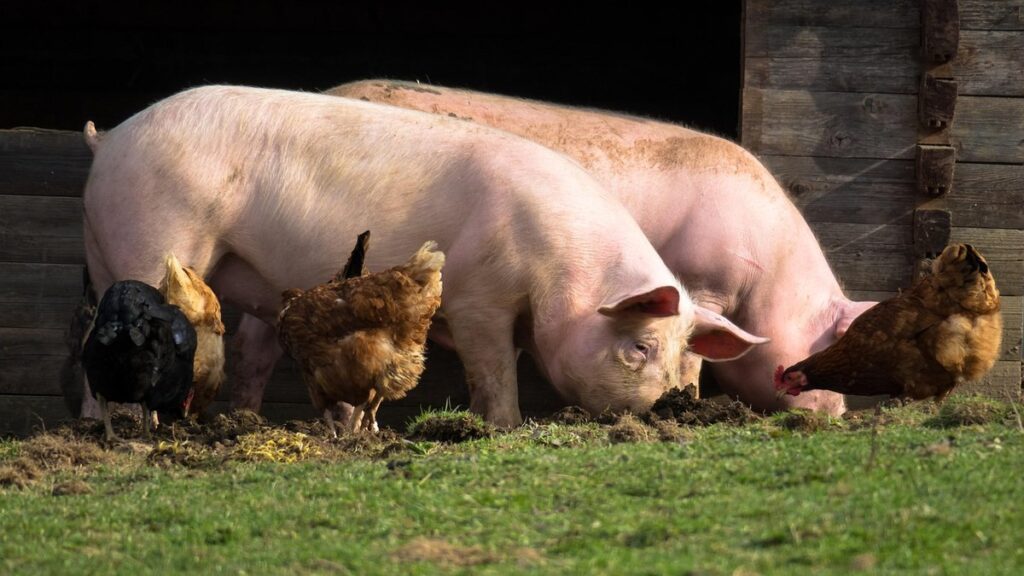
Benefits of Raising Chickens on Pastures
Let’s explore some of the many benefits you and your flock can enjoy by letting chickens forage on pastures, where they can roam free and peck at their favorite treats.
Improved Egg Quality and Production
When you let your backyard chickens roam on pastures, they’re not only happy and healthy, but also produce eggs that are packed with nutrients. One of the most significant benefits of raising chickens on pasture is improved egg quality and production.
Not only do eggs from pasture-raised hens have more omega-3 fatty acids and vitamins A and E, but they also tend to have stronger, thicker shells. This is because pasture plants provide a diet rich in calcium, which is essential for strong eggshell production.
In addition to better nutrition, pasture plants can also increase egg production. Research has shown that hens raised on pastures lay up to 30% more eggs than those confined to coops. By incorporating diverse pasture plants like clover, alfalfa, and dandelion into your chicken’s diet, you’ll be giving them the tools they need to thrive.
To get started, try rotating your chickens through different sections of pasture every few days. This will ensure they have access to a variety of plants and nutrients throughout their grazing period. With time and practice, you can develop a thriving and productive pastured chicken operation that’s good for both you and the environment.
Enhanced Flavor and Nutrition
When you give your chickens access to fresh pasture plants, the benefits for their health and well-being are numerous. However, one of the most exciting advantages is the enhanced flavor and nutrition that come with it.
The rich soil and diverse plant life on pastures provide a wealth of nutrients that can’t be replicated in traditional feed. By incorporating fresh pasture plants into their diet, your chickens will have access to an array of vitamins, minerals, and antioxidants that are essential for optimal health. For example, the omega-3 fatty acids found in clover and alfalfa can enhance the quality and taste of your eggs.
In addition to improving the nutritional profile of your chicken’s diet, pasture-raised eggs also boast a more complex and nuanced flavor profile compared to conventionally raised eggs. The result is a more satisfying and enjoyable eating experience for you and your family. To maximize these benefits, consider creating a rotation plan that allows your chickens to graze on different areas of the pasture throughout the year. This will ensure they have constant access to fresh plants and prevent overgrazing in any one area.
Reduced Stress and Increased Happiness
Raising chickens on pastures is not only beneficial for their health and wellbeing but also has a profound impact on reducing stress and increasing happiness for both humans and animals alike. Studies have shown that being outdoors and exposed to natural sunlight can significantly reduce symptoms of anxiety and depression in individuals.
For chickens, having access to pasture allows them to engage in natural behaviors such as foraging, scratching, and pecking, which are essential for their mental health and wellbeing. This freedom from confinement and the ability to roam freely reduces stress levels in chickens, leading to a more relaxed and happy disposition.
In addition to reducing stress, raising chickens on pastures has been shown to increase happiness in both humans and animals. The joy of collecting fresh eggs from your own backyard flock, watching them explore and play outdoors, and seeing their overall health and wellbeing improve is unmatched. To reap these benefits, consider the following tips:
* Allow your chickens at least 6-8 hours of outdoor time per day
* Provide a diverse range of pasture plants to keep them engaged and stimulated
* Consider incorporating activities such as foraging games or agility training to keep them mentally stimulated
Choosing the Right Pasture Plants for Your Flock
When it comes to picking the perfect pasture plants for your flock, there are several factors to consider to ensure they thrive on what you’re offering. Let’s explore these essential considerations together!
Understanding Chicken Grazing Habits
When it comes to creating a thriving pasture for your flock, understanding chicken grazing habits is crucial. Chickens are natural foragers and their behavior can impact the health of your plants. For instance, chickens have a strong instinct to scratch, peck, and dig, which can lead to soil compaction and erosion if not managed properly.
To select suitable pasture plants that meet their nutritional needs, it’s essential to know how often and how much your chickens will graze on different types of plants. Generally, chickens prefer grasses, legumes, and leafy greens, but the ideal mix of these plants can vary depending on factors like climate, soil type, and age of the chicken.
A good rule of thumb is to provide a diverse mix of pasture plants that cater to your chickens’ varying nutritional needs at different stages of their lives. For example, younger birds require more protein-rich foods like clover and alfalfa, while older hens prefer grasses and other fiber-rich options. By understanding chicken grazing habits, you can create a balanced and sustainable pasture ecosystem that supports the health and well-being of your flock.
Grasses vs. Legumes: What’s Best for Chickens?
When it comes to pasture plants for your chickens, you’ll often come across two main categories: grasses and legumes. While both are beneficial for your flock, they offer unique advantages that make one more suitable than the other depending on your specific needs.
Grasses like orchardgrass and brome provide a consistent source of energy-rich food for your chickens. They’re easy to establish and can tolerate heavy grazing, making them an excellent choice for large flocks or areas with high chicken traffic. However, grasses tend to be lower in protein compared to legumes, which can lead to nutritional deficiencies if not balanced with other feed sources.
Legumes like clover and alfalfa are the clear winners when it comes to providing a nutrient-rich food source for your chickens. They’re packed with protein, vitamins, and minerals that support optimal health and fertility. Plus, they have the added benefit of fixing nitrogen in the soil, reducing the need for synthetic fertilizers. Consider planting a mix of both grasses and legumes to create a balanced and diverse pasture ecosystem.
Ultimately, the choice between grasses and legumes comes down to your flock’s specific needs and preferences. If you’re looking for a low-maintenance option with consistent energy-rich food, grasses might be the way to go. But if you want to provide your chickens with a nutrient-dense food source that supports their overall health, legumes are the clear winner.
Companion Planting Strategies
Companion planting is an age-old technique that can greatly benefit your chicken’s health and the overall quality of your pasture. By strategically pairing plants with different growing habits, pest-repellent properties, and nutritional profiles, you can create a thriving ecosystem that enhances growth, reduces pests, and promotes healthy digestion in your flock.
For example, planting marigolds alongside your pasture grasses can help deter nematodes, microscopic worms that can harm your chickens’ health. Borage is another excellent companion plant that not only attracts beneficial insects but also adds essential fatty acids to the soil, which can improve the nutritional value of your pasture.
Consider grouping plants with similar growth habits together, such as planting tall grasses like orchard grass or brome in one area and shorter legumes like clover or alfalfa in another. This will help you make efficient use of space and prevent competition for resources.
Remember to choose companion plants that complement the specific needs of your flock. For instance, if you’re raising chickens prone to digestive issues, consider incorporating plants high in fiber like alfalfa or oat grass into their pasture rotation.
Creating a Pasture-Based Chicken System
When setting up a pasture-based chicken system, it’s crucial to choose plants that thrive alongside your flock and provide essential nutrients through forage. Let’s explore the top pasture plants perfect for your backyard chickens.
Designing Your Chicken Coop and Run
When designing your chicken coop and run, it’s essential to incorporate pasture plants for optimal health and production. A well-planned coop and run will provide a safe and healthy environment for your chickens to thrive.
Start by choosing a location with good sunlight and airflow. Ensure the coop is situated on higher ground to prevent water from accumulating and making the area soggy. The run should be spacious enough for your chickens to roam freely, with at least 2-3 square feet of space per bird.
Consider adding windows or vents to provide natural light and ventilation. This will help maintain a comfortable temperature inside the coop during hot summer months and keep it dry during rainy days. Incorporate pasture plants into the run by planting a mix of grasses, herbs, and vegetables that are safe for your chickens to eat.
Some excellent options include clover, alfalfa, and comfrey. These plants will not only provide a nutritious snack but also help to control pests and weeds in the run. Just be sure to research which plants are safe for your flock before introducing them to their environment.
Implementing Rotational Grazing
Implementing rotational grazing is a crucial step in creating a thriving pasture-based chicken system. This approach involves moving your flock to different pastures at regular intervals to maintain the health and productivity of both the land and the birds. By doing so, you’ll create a diverse range of microclimates that cater to the needs of your chickens.
To start implementing rotational grazing, begin by dividing your pasture into smaller sections or paddocks. These should be large enough for 10-20 birds per acre, depending on their age, breed, and purpose (meat or egg production). You’ll also want to consider factors such as soil type, slope, and sun exposure when designing your pasture layout.
When moving your flock to a new pasture, ensure they have access to fresh water, food, and shelter. Monitor their behavior closely to determine the optimal grazing period for each section. This will typically be 1-3 days, depending on factors like vegetation growth and bird density.
Managing Pasture Health and Fertility
Managing pasture health and fertility is crucial for maintaining a thriving chicken system. One of the most effective ways to achieve this is by adopting regenerative practices that prioritize soil health.
When it comes to managing nutrient cycles, consider implementing techniques like rotational grazing ormob-grazing. This involves moving your flock regularly to new areas of pasture, allowing previously grazed land time to recover and rebuild its fertility. For example, you can divide your pasture into sections, rotating the chickens through each one every few weeks. As they forage, their manure acts as a natural fertilizer, replenishing soil nutrients.
Controlling pests and diseases requires a holistic approach that addresses soil conditions, grazing management, and flock health. Regular monitoring of your pastures’ microclimate can help prevent pest infestations, while maintaining optimal pH levels and nutrient balances will reduce disease susceptibility.
By taking a proactive stance on pasture health and fertility, you’ll create a more resilient and productive ecosystem for your chickens to thrive in. This not only benefits the birds but also enhances overall farm productivity and biodiversity.
Challenges and Considerations When Raising Chickens on Pastures
When it comes to raising chickens on pastures, there are several challenges and considerations you’ll need to keep in mind to ensure a healthy and thriving flock. Let’s explore these important details together.
Common Pests and Predators
When raising chickens on pastures, it’s essential to be aware of common pests and predators that can threaten their health and well-being. Foxes, coyotes, and weasels are frequent visitors to pastured chicken flocks, and they’ll do whatever it takes to get a free meal. To deter them, consider installing a sturdy fence around your pasture that’s at least 6 feet high and extends 12 inches below ground level.
Raccoons, opossums, and stray cats are also notorious for raiding chicken coops and pastures. Keep in mind that these pests often target vulnerable birds like chicks or hens with weakened immune systems. To prevent losses, make sure to secure your coop at night and remove any tempting food sources nearby.
Another common threat is internal parasites like mites, lice, and fleas, which can spread quickly through a flock. Monitor your chickens regularly for signs of infestation, such as excessive scratching or feather loss, and treat promptly with an integrated pest management (IPM) strategy that includes natural remedies like diatomaceous earth or neem oil.
Lastly, consider introducing predator-repellent plants to your pasture, like hot peppers, garlic, or mint. These can help deter pests without harming the environment. With a little planning and vigilance, you can minimize the risks associated with common pests and predators on your pastured chicken flock.
Managing Climate and Weather Variability
Managing climate and weather variability is crucial when it comes to raising chickens on pastures. Extreme temperatures, droughts, and heavy rainfall can impact pasture plants, affecting the quality of forage for your flock. For instance, a prolonged heatwave can cause grasses to dry out, reducing their nutritional value. On the other hand, excessive rain can lead to overgrazing, as plants grow too quickly and become more susceptible to pests and diseases.
To adapt to these changes, it’s essential to be flexible with your flock’s grazing schedule. This may mean adjusting the frequency or duration of their grazing sessions based on weather conditions. For example, during hot spells, you can limit grazing time to prevent overheating and overexertion. Conversely, after a prolonged drought, you may need to increase grazing time to allow plants to recover.
Monitor pasture health regularly by assessing plant growth, color, and signs of stress. By doing so, you’ll be able to make informed decisions about when to rotate your flock or adjust their grazing schedule accordingly. This proactive approach will help ensure the continued health and productivity of both your chickens and pasture plants.
Balancing Pasture Management with Flock Health
When managing pastures for chickens, it’s essential to strike a balance between maintaining a healthy and thriving pasture ecosystem and ensuring the well-being of your flock. This can be achieved by implementing effective vaccination strategies and disease prevention measures.
For example, integrating rotational grazing practices into your pasture management plan can help reduce the risk of disease transmission among birds. By moving your chickens to fresh pasture areas regularly, you’re not only promoting soil health but also minimizing the opportunity for pathogens to spread through overcrowding.
Another crucial aspect is monitoring flock health closely and keeping detailed records of any health issues that arise. This information will enable you to identify patterns or common causes of illness, allowing for targeted interventions such as vaccination programs or parasite control measures.
Regular pasture maintenance activities like mowing, weeding, and watering also play a vital role in maintaining a healthy environment for your flock. Aim to spend at least 15-20 minutes per day on these tasks to ensure your chickens have access to clean air, water, and nutritious forage.
Monitoring and Maintaining a Healthy Pasture Ecosystem
Now that you’ve got your pasture up and running, it’s time to focus on keeping it thriving with regular monitoring and maintenance to ensure a healthy ecosystem for your flock. This involves checking for pests and diseases regularly.
Assessing Soil Health and Fertility
When it comes to maintaining a healthy pasture ecosystem for your chickens, assessing soil health and fertility is crucial. You can’t manage what you can’t measure, after all! To get a clear picture of your soil’s condition, you’ll want to collect samples from different areas of the pasture at least once a year.
Lab tests will reveal valuable information about pH levels, nutrient content, and other factors affecting soil health. But how do you interpret these results? A pH level that’s too high or low can impact microbial activity, making it harder for your chickens to access essential nutrients. Aim for a slightly acidic to neutral range (5.5-7.0). Nutrient deficiencies will also be highlighted – common ones include nitrogen, phosphorus, and potassium.
Adjusting your pasture management based on these findings is where the magic happens. If you’re dealing with low fertility levels, consider incorporating compost or manure tea into your rotation. This adds vital nutrients back into the soil without overloading it. Similarly, adjusting grazing patterns to avoid overgrazing can help maintain a healthy balance between microbes and plant growth.
Regular monitoring allows you to fine-tune these adjustments, ensuring your pasture remains resilient and productive for years to come. With a little practice and patience, you’ll be making informed decisions that promote soil health, boost biodiversity, and keep your flock happy and healthy.
Water Quality Management
When it comes to raising healthy chickens on pasture, many of us focus on providing them with nutritious food and plenty of space to roam. However, we often overlook one crucial aspect of their well-being: water quality. The water that our feathered friends drink can have a significant impact on their health, so it’s essential to monitor and maintain its quality.
Here are some reasons why water quality is vital for your chickens’ health:
* Bacteria, viruses, and parasites in contaminated water can cause digestive issues, respiratory problems, and even death
* Poor water quality can lead to the spread of diseases, which can be costly and time-consuming to treat
* Clean drinking water also affects egg production and overall bird performance
To ensure your chickens have access to clean drinking water, here are some practical tips:
* Test your water source regularly for bacteria, nitrates, and other contaminants
* Change the water frequently, especially in hot weather or after heavy rainfall
* Consider installing a water filter or purifier specifically designed for farm use
* Keep the feeding area and surrounding environment clean to prevent cross-contamination
Monitoring Pasture Plant Growth and Diversity
Monitoring pasture plant growth and diversity is crucial to maintaining a healthy and thriving ecosystem for your chickens. One way to do this is by regularly observing the plants on your pasture. Walk through the area and take note of the types of plants that are growing, their heights, and any signs of stress or disease.
Look for a mix of grasses, legumes, and other vegetation to promote biodiversity. Aim for at least three different species per square meter. You can also plant specific crops like clover, alfalfa, or ryegrass that are high in protein and nutrients for your chickens.
Adjusting grazing schedules is essential to promoting optimal growth and diversity. Rotate your chickens regularly to prevent overgrazing, which can lead to soil erosion and decreased plant health. Aim to move them every 1-2 days during the growing season. This will allow plants to regrow and give new areas a chance to flourish.
Keep an eye on weather patterns too – excessive rain or drought can impact plant growth. By being attentive to these factors, you can make adjustments as needed to keep your pasture thriving.
Frequently Asked Questions
What are the key pasture plants to include in my chicken’s diet for optimal nutrition?
Incorporating a mix of grasses, legumes, and other nutrient-rich plants is essential for providing your chickens with a balanced diet. Consider including plants like clover, alfalfa, and dandelion in your pasture plan. These plants offer high levels of protein, calcium, and vitamins that are vital for egg production.
How do I manage my flock’s access to pastures during different seasons or weather conditions?
Understanding chicken grazing habits is crucial when managing pasture access during various seasons or weather conditions. During extreme temperatures, it’s essential to provide shade and ensure adequate water sources. You can also implement rotational grazing practices to distribute the flock’s impact on pastures and maintain soil health.
Can I grow my own pasture plants or should I purchase from a supplier?
Growing your own pasture plants can be cost-effective and offer more control over quality. However, if you have limited space or prefer convenience, purchasing from a reputable supplier is a viable option. When sourcing pasture plants, look for high-quality seeds that are specifically formulated for chicken grazing.
How often should I rotate my flock to new pastures to prevent overgrazing?
Rotating your flock regularly is crucial to maintaining healthy pastures and preventing overgrazing. A general rule of thumb is to rotate your flock every 7-10 days, depending on the size of your pasture and the number of chickens. Regular rotation will also help maintain soil fertility and promote diverse plant growth.
Can I combine pasture-raised chickens with other farming practices, such as organic gardening or beekeeping?
Combining pasture-raised chickens with other sustainable farming practices can be a great way to create a holistic and self-sufficient farm ecosystem. When integrating multiple practices, consider companion planting strategies that promote pollination, pest control, and soil health. This approach will not only enhance your farm’s biodiversity but also improve overall productivity.