
As a chicken owner, you want to provide your flock with the best possible care. But did you know that some common plants can be toxic to your feathered friends? Toxic weeds are more than just an annoyance – they can pose a serious threat to your chickens’ health and even cause fatalities if left unchecked.
In this article, we’ll dive into the world of toxic weeds for chickens, covering signs, symptoms, and prevention methods. You’ll learn how to identify these hazardous plants, what to do in case of an emergency, and how to take proactive steps to keep your flock safe. From recognizing poisonous plants like hemlock and nightshade to developing a plan for treatment and recovery, we’ve got you covered. By the end of this article, you’ll be equipped with the knowledge to create a poison-free environment for your beloved chickens.
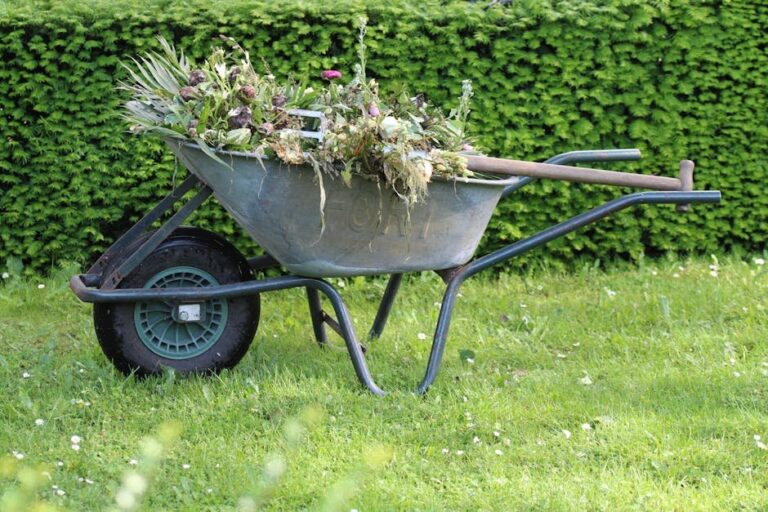
Understanding Toxic Weeds
Let’s talk about some of the most common toxic weeds that can be hazardous to your chickens, and how to identify them. This section will help you recognize potential threats in your backyard.
Common Types of Toxic Weeds
Toxic weeds can be lurking in even the most well-manicured yards and gardens, posing a significant threat to our feathered friends. As a chicken owner, it’s essential to know which plants to avoid, as some common weeds can cause serious harm or even death.
Hemlock (Conium maculatum) is one such plant that should be avoided at all costs. Its umbrella-shaped leaves and purple spots make it easily recognizable, but its toxicity is not something to take lightly. Eating just a small amount of hemlock can be fatal for chickens.
Nightshade (Solanum spp.) is another weed to watch out for. While the berries might look attractive to your flock, they contain toxic compounds called solanine and alkaloids that can cause vomiting, diarrhea, and even respiratory failure in chickens.
Yellow Jessamine (Gelsemium sempervirens) may be a common ornamental plant in many gardens, but its flowers are highly toxic to chickens. Ingestion of just one or two leaves can lead to seizures, tremors, and eventually, death. If you suspect your flock has ingested any of these weeds, act quickly and seek veterinary attention.
When it comes to identifying these plants, a quick internet search can provide plenty of images and illustrations to help you spot them in your yard. Keep an eye out for their distinctive features and take steps to remove them before they cause harm to your beloved chickens.
Signs and Symptoms of Toxic Weed Ingestion
If you suspect that your chickens have ingested toxic weeds, it’s essential to recognize the signs and symptoms of poisoning. Keep a close eye on their behavior, as they may exhibit lethargy, drooping wings, or labored breathing. Chickens with mild toxicity might appear disinterested in food and water, while more severe cases can cause violent shaking, seizures, or even death.
In some cases, toxic weeds can cause respiratory distress, leading to rapid breathing or gasping for air. If you notice your chickens struggling to breathe or displaying extreme lethargy, seek veterinary attention immediately. Recognize that not all toxic weed ingestions will show immediate symptoms, as some toxins can build up over time and cause more insidious problems.
Monitor your flock regularly, especially after exposure to areas with known toxic weeds. Keep a record of your chickens’ behavior, noting any changes or unusual activities. If you notice signs of toxicity, remove the affected chicken from the group and provide a safe environment for observation.
Identification of Toxic Weeds
To keep your girls safe and healthy, it’s crucial to identify which weeds are toxic to chickens, as some common plants can cause serious harm if ingested.
Visual Identification Methods
When it comes to identifying toxic weeds for chickens, visual recognition is key. Let’s take a closer look at some common culprits and their distinguishing features.
Poisonous Plant #1: Oxalis (Wood Sorrel)
Oxalis has heart-shaped leaves with pointed tips, typically 2-4 inches long, and are often variegated with white or pale yellow markings. The plant’s stems and leaves have a sour taste and smell, reminiscent of citrus. Be cautious: even small amounts can cause oral and gastrointestinal irritation in chickens.
Poisonous Plant #2: Ragwort (Senecio jacobaea)
Ragwort has fern-like foliage with 2-5 leaflets that are typically a deep green color, sometimes tinged with yellow or brown. The plant’s height varies from 1 to 4 feet, and it can grow in dense clusters. Note the distinctive, almost shrub-like appearance, and keep an eye out for seed heads, which resemble fluffy cotton balls.
Poisonous Plant #3: Hemlock (Conium maculatum)
Hemlock has lacy, fern-like foliage with compound leaves consisting of 2-5 leaflets. Each leaflet is usually 1-4 inches long and has a pointed tip. The plant’s greenish-blue flowers are small and insignificant. Be aware that even small quantities can be fatal to chickens.
To aid in identification, it’s essential to familiarize yourself with these weeds’ growth habits, including their preferred habitats and common locations. Take note of any changes in your flock’s behavior or health, as ingestion of toxic plants can lead to severe symptoms.
Habitat and Distribution
Toxic weeds can be found in various habitats, including fields, forests, and even backyards. Chickens may encounter these plants while foraging for food, which is why it’s essential to know what to look out for.
Fields are a common breeding ground for toxic weeds like ragwort (Senecio jacobaea) and hemlock (Conium maculatum). These plants can grow up to 6 feet tall and have distinctive features that make them hard to miss. Ragwort, for example, has bright yellow flowers with a reddish tint, while hemlock has umbrella-shaped white flowers.
When foraging in forests, chickens may come across plants like deadly nightshade (Atropa belladonna) and poison hemlock (Conium maculatum). These plants have distinctive berries and seeds that can be fatal if ingested. Backyards are also not immune to toxic weeds; dandelion, for instance, may seem harmless but contains taraxasterol, a compound that can cause liver damage in chickens.
To prevent your flock from encountering these plants, keep an eye out for them during foraging sessions and consider fencing off areas where toxic weeds are known to grow.
Prevention and Control
Now that we’ve identified the invasive weeds in your backyard, let’s explore ways to prevent them from spreading and harming your flock. We’ll cover effective methods for control and prevention.
Fencing and Enclosures
When it comes to preventing chickens from accessing toxic weeds, one of the most effective solutions is to fence or enclose areas where these plants are present. This can be as simple as creating a barrier around individual plants using chicken wire or hardware cloth, or as extensive as installing a full-fledged enclosure for your entire flock.
Regular inspections and maintenance of fencing are crucial to ensure that your chickens stay safe. Check the integrity of fences and enclosures at least once a week, looking for any signs of damage or wear. Make sure to repair or replace damaged sections promptly to prevent any potential risks. Consider installing electric fencing around high-risk areas, as this can be an effective deterrent against curious chickens.
In addition to physical barriers, it’s also essential to keep your flock confined to designated grazing areas during peak toxic weed seasons. Provide plenty of fresh water and nutritious feed to ensure that your birds are well-nourished and less likely to forage for alternative sources of food. By taking proactive steps to prevent access to toxic weeds, you can help safeguard the health and well-being of your feathered friends.
Forage Management Strategies
Managing forages is an essential part of keeping toxic weeds out of your chickens’ diet. A well-planned forage management strategy can help you maintain a healthy and safe environment for your flock. One effective approach is to rotate pastures regularly, allowing the land to rest and recover from previous grazings. This not only reduces weed growth but also promotes soil health.
Another strategy is to use weed barriers, such as fencing or mulch, to prevent weeds from spreading into designated grazing areas. Consider creating a buffer zone around your pasture to contain weeds and prevent them from escaping into adjacent areas. You can also provide alternative food sources for your chickens, like alfalfa hay or leafy greens, to reduce their reliance on pastures.
Remember to monitor your pastures regularly and identify areas where toxic weeds are growing. Once you’ve pinpointed these areas, take action to remove the weeds before they spread. Consider working with a professional to develop a customized forage management plan tailored to your specific climate, soil type, and weed species present.
Emergency Response
If you suspect your chickens have ingested toxic weeds, it’s crucial to act quickly and follow these emergency response steps carefully to minimize harm. We’ll walk through what to do in a crisis situation.
Recognizing Poisoning Symptoms
If you suspect that your chickens have ingested toxic weeds, it’s crucial to recognize poisoning symptoms quickly. These can vary depending on the type of weed and its potency, but some common signs include changes in behavior, appetite, or droppings.
Be aware of unusual behaviors such as lethargy, depression, loss of coordination, or excessive thirst. If your chickens are normally energetic and curious, sudden lethargy could be a warning sign. Changes in appetite can also indicate poisoning – if your birds stop eating or show less interest in their feed.
Keep an eye on droppings too; changes in color, consistency, or frequency can signal trouble. Look for blood-stained droppings, diarrhea, or abdominal cramps, which could be indicative of a weed poisoning. If you notice any of these symptoms, act fast: immediately separate the affected bird from its flock to prevent further exposure.
Check your chicken’s coop and run regularly for signs of toxic weeds and remove them promptly. Make sure your chickens have access to fresh water and a balanced diet at all times.
First Aid and Treatment
If you suspect that your chickens have ingested toxic weeds, it’s essential to act quickly and provide proper first aid. The first step is to keep a close eye on your flock for signs of poisoning, such as vomiting, diarrhea, lethargy, or difficulty breathing. If you notice any of these symptoms, isolate the affected bird immediately.
Administering activated charcoal can help absorb some of the toxins in the digestive system. However, it’s crucial to use the right type of charcoal specifically designed for animals. Human-grade charcoal is not suitable for chickens and can cause more harm. Mix a small amount of activated charcoal powder with their food or water, but make sure they have access to plenty of fresh water as well.
Providing supportive care involves keeping your birds calm and comfortable. You can offer a warm, quiet space to rest, and ensure they’re getting enough nutrients through their food. However, it’s vital to seek veterinary attention if the symptoms persist or worsen over time. A veterinarian can provide professional advice and treatment options specific to the type of toxic weed ingested.
If you’re unsure about any aspect of first aid or treatment, don’t hesitate to consult with a veterinarian for guidance.
Long-term Solutions
Now that you’ve learned how to tackle those pesky weeds, let’s dive into more effective ways to keep them at bay in the long run. We’ll explore simple yet lasting solutions for a weed-free chicken paradise.
Weed Control Methods
When it comes to controlling toxic weeds on your chicken-keeping property, you have several methods to choose from. Physical removal is often the most straightforward and effective approach. This involves manually pulling or digging up weeds to prevent them from spreading seeds and re-growing. For larger areas, consider using a tool like a hoe or a weed whacker with a long handle to save time and energy.
Herbicides can also be used to control weeds, but it’s essential to exercise caution due to their potential risks to your chickens’ health and the environment. Always choose products specifically labeled for use around poultry and follow instructions carefully to minimize exposure. However, herbicides may not provide a long-term solution as new weeds often grow back quickly.
Cultural practices, such as proper lawn care and using mulch or groundcovers, can also help suppress weed growth. Regularly mowing your lawn at the recommended height for your grass type will encourage deep root growth and make it harder for weeds to compete. Additionally, applying a thick layer of organic mulch around plants can prevent weeds from receiving sunlight and growing. These methods may require more effort upfront but can lead to long-term weed reduction and a healthier environment for your chickens.
Sustainable Foraging Practices
When it comes to sustainable foraging practices that minimize the risk of toxic weeds, there are several strategies you can implement on your backyard chicken farm. One approach is to focus on selecting plants with low toxicity levels. This involves identifying non-toxic grasses, legumes, and other vegetation that your chickens will thrive on without putting their health at risk.
Consider using cover crops as a natural way to suppress weeds. These are specially designed crops planted between crop cycles or in areas where weeds tend to grow. Cover crops like oats, rye, and clover not only help choke out unwanted weeds but also provide valuable nutrients for your soil. This approach not only reduces the risk of toxic weed exposure but also promotes a healthier ecosystem.
Another sustainable practice is to rotate your chicken foraging areas regularly. By moving them to different sections of the farm, you’ll prevent overgrazing and give weeds less opportunity to grow. You can also use physical barriers like fencing or netting to create separate areas for foraging and reduce the risk of toxic weed ingestion.
Additional Tips and Considerations
Now that you’ve identified the toxic weeds in your flock’s territory, let’s dive into some extra considerations to keep your girls safe and healthy. We’ll cover a few more essential tips for coexisting peacefully.
Chickens’ Nutritional Needs
When it comes to keeping your chickens happy and healthy, providing a balanced diet is essential. A well-rounded diet will not only reduce their dependence on foraging for toxic weeds but also give them the energy they need to stay active and engaged.
First and foremost, ensure access to high-quality feed that meets their nutritional needs. Look for feeds that are free from fillers and by-products, and opt for organic or non-GMO options when possible. A good quality layer feed will provide your chickens with all the essential nutrients they need, including protein, calcium, and vitamins.
But feeding alone is not enough – fresh water is just as crucial. Make sure to change their water daily to prevent bacterial growth and contamination. Add a source of grit or oyster shells to help them digest their food and keep their beaks healthy.
By prioritizing your chickens’ dietary needs, you can reduce the likelihood of them seeking out toxic weeds in the first place. This will not only keep them safe but also save you time and effort spent on weeding and cleaning up after them.
Community Support and Resources
As you continue to learn more about toxic weeds and their impact on your flock’s health, it’s essential to connect with other chicken keepers who share similar experiences and concerns. Joining online communities or forums is an excellent way to gain valuable insights, ask questions, and share knowledge.
Some popular resources include social media groups dedicated to backyard chickens, online forums like BackYard Chickens or Chicken Forum, and blogs focused on sustainable living and homesteading. Participating in these communities will not only provide you with a wealth of information but also offer a supportive network of fellow chicken enthusiasts.
When engaging with others in online discussions, remember to share your own experiences and lessons learned about toxic weeds. Be open to feedback and constructive criticism, as this is often where the most valuable insights come from. By sharing knowledge and resources, you’ll contribute to a collective understanding of what works (and what doesn’t) when it comes to keeping your flock safe and healthy in the presence of toxic weeds.
Frequently Asked Questions
What if I accidentally leave some toxic weeds in my backyard, and my chickens ingest them? Can they still recover?
Yes, prompt identification of the ingested plant and swift action can significantly improve chances of recovery. If you suspect your chickens have ingested a toxic weed, monitor their behavior closely for signs of poisoning and seek veterinary attention immediately if symptoms persist.
How do I ensure that my backyard is completely free from toxic weeds, especially in areas where chickens will be foraging?
Implementing regular weeding practices, monitoring plants regularly for toxicity, and maintaining an up-to-date plant database can all help minimize the risk. Consider collaborating with a local expert or group to obtain guidance on identifying and removing hazardous plants.
Are there any natural remedies or treatments I can use in case of toxic weed poisoning in my chickens?
While natural treatments may alleviate symptoms, it’s crucial to consult with a veterinarian for proper diagnosis and advice. Some common natural remedies include activated charcoal and probiotics; however, their effectiveness will depend on the specific toxin ingested.
Can I still allow my chickens to free-range if I’ve identified some toxic weeds in my backyard?
If your yard contains hazardous plants, it’s recommended to restrict or limit access until you can implement measures to remove them. However, this approach may not be feasible for all situations; consider consulting with a local expert or veterinarian for guidance on mitigating risks while still allowing free-range activities.
What if I’m unable to identify the specific toxic weed that my chickens ingested? How do I proceed?
When dealing with unknown toxins, prioritize your flock’s safety by assuming the worst-case scenario. Keep close records of any incidents and consult a veterinarian or toxicology expert for guidance on treatment and management strategies tailored to your situation.