
As any backyard chicken keeper knows, providing your flock with a balanced diet can be a challenge. One way to supplement their nutrition is by giving them access to safe and nutritious weeds. Not only do these leafy greens add variety to their diet, but they’re also packed with essential vitamins and minerals that promote healthy growth and egg production. In this article, we’ll explore the world of safe weeds for chickens, including popular leafy greens like dandelion and plantain, as well as flowering options like nasturtiums and marigolds. We’ll cover which weeds are safe to eat and how you can incorporate them into your flock’s diet. By adding these weeds to their menu, you may see an improvement in egg quality and overall health.
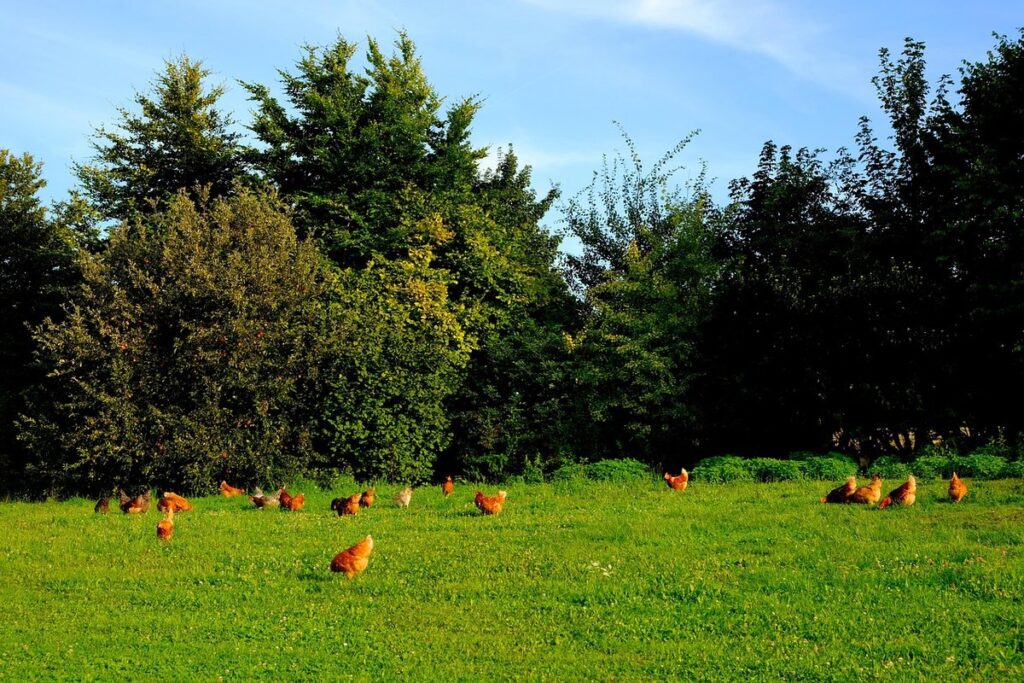
Understanding Chicken Nutrition and Weed Safety
When it comes to introducing new greens into your flock’s diet, understanding what weeds are safe for chickens to eat is crucial. This section will guide you through the essential nutrients and weed safety guidelines.
Importance of Nutrient Diversity in Chicken Feed
Providing chickens with nutrient diversity is crucial for their overall health and well-being. A varied diet ensures they receive all the necessary vitamins, minerals, and amino acids to maintain optimal bodily functions. When it comes to supplementing their feed with weeds, incorporating a mix of greens offers numerous benefits. For instance, dandelion leaves are rich in vitamins A, C, and K, while plantain provides essential potassium.
However, feeding chickens certain types of plants can be detrimental if not done correctly. Certain plants like rhododendron and azalea contain toxic compounds that can cause serious harm or even death. Always research the specific weeds you plan to introduce into your chicken’s diet and ensure they are safe for consumption. Start with small quantities and monitor their behavior, looking for any signs of illness.
Some popular weeds suitable for chickens include clover, alfalfa, and chicory. Mix them in moderation (about 10-15% of their total feed) to avoid over-reliance on a single type of plant. Keep in mind that some weeds may have unique requirements or preparation methods before being fed to your flock.
Common Weeds Found on Farms and Properties
When it comes to safe weeds for chickens, understanding which ones are harmless and even beneficial is crucial. One of the most common concerns among backyard chicken keepers is identifying weeds that won’t harm their flock.
Dandelions, plantain, and clover are often found growing in gardens, fields, and backyards, but they’re also considered safe for chickens to eat. Dandelion leaves, in particular, are a nutrient-rich treat that’s high in vitamins A, C, and K. Plantain, on the other hand, is an excellent source of fiber and can help support healthy digestion in your flock.
Clover, commonly known as white clover or red clover, is another weed that’s not only safe for chickens but also provides them with a boost of protein. When introducing new weeds to your chicken’s diet, it’s essential to do so gradually to prevent digestive upset. Start by mixing small amounts into their feed and monitor their response.
Remember to identify any weeds carefully before allowing your flock to graze on them. Some weeds, like ragweed or nightshade, can be toxic to chickens, so it’s crucial to avoid those altogether.
Edible Weeds for Chickens: A List of Safe Options
If you’re looking to provide your flock with a nutritious and free snack, we’ve got you covered with our list of safe edible weeds for chickens. From dandelions to plantain, discover which weeds are perfect for scratching up!
Leafy Greens
When it comes to leafy greens for your flock, you’re spoiled for choice. Safe options like kale, spinach, and collard greens are not only delicious but also packed with nutrients that will keep your chickens healthy and happy.
To ensure you’re giving your girls the best, it’s essential to identify these plants correctly and verify they’re free from pesticides or other contaminants. Look for plants with thick, sturdy leaves and a slightly bitter taste – this is a sure sign of their nutritional punch. When foraging, inspect the leaves carefully, avoiding any that are wilted, yellow, or have signs of pests.
To make the most of leafy greens, incorporate them into your chicken’s diet in moderation – about 10% of their daily intake should come from these treats. You can offer them fresh or frozen, depending on what you have available. For example, toss some chopped kale into their coop or scatter spinach leaves around their run.
When sourcing leafy greens, prioritize organic or locally grown options to minimize pesticide exposure. You can also grow your own using companion planting techniques or buy from reputable suppliers. With a little creativity and attention to detail, you can give your chickens the gift of these nutrient-rich superfoods while ensuring they stay safe and healthy.
Flowering Weeds
When it comes to flowering weeds for chickens, there are several options that not only add variety to their diet but also offer additional health benefits. Nasturtiums, with their bright flowers and leafy greens, are a great example. Not only do they taste similar to cress, but the flowers have anti-inflammatory properties that can help soothe skin irritations in chickens.
Pansies, another beautiful flowering weed, are rich in vitamins A and C as well as calcium, making them an excellent supplement for hens looking to strengthen their beaks and claws. They’re also a tasty treat that your flock will love! To grow pansies specifically for your chickens, choose varieties like ‘Goldstrike’ or ‘Redwing’, which have larger flowers and fewer bitter compounds.
Calendula, with its daisy-like blooms, is another flowering weed that’s safe for chickens to eat. The petals can be added fresh to their feed or dried for later use. Calendula has anti-inflammatory properties similar to those found in nasturtiums, making it a great addition to your flock’s diet during times of stress or illness.
When introducing any new weeds into your flock’s diet, be sure to do so gradually and in small amounts to prevent digestive upset.
Precautions and Safety Considerations When Feeding Chickens Weeds
Before feeding your chickens weeds, there are a few crucial precautions to take note of to ensure their health and safety. Let’s dive into these important considerations together!
Identifying Toxic Plants
When foraging for weeds to feed your chickens, it’s essential to exercise caution and ensure you’re not inadvertently feeding them something toxic. Some plants may look harmless but can be poisonous to your flock.
To avoid feeding your chickens toxic weeds, start by familiarizing yourself with common plants that are toxic to poultry. These include the nightshade family (which includes tomatoes, peppers, and eggplants), castor bean, hemlock, and oleander. Be aware of these plants’ appearance, as they can resemble other harmless weeds.
When foraging, take a closer look at the leaves, stems, and flowers. Check if there are any red or purple colors, which often indicate toxicity. Also, be mindful of the plant’s texture – some toxic plants have hairy or sticky surfaces. To confirm identification, consult with experts or reliable field guides. Even when in doubt, it’s always better to err on the side of caution and choose a different weed.
In some cases, weeds can mimic edible ones, so stay vigilant and double-check every new find. For example, false dandelion (Hypochaeris radicata) looks similar to real dandelion (Taraxacum officinale), but it’s toxic in large quantities.
Cooking or Drying Weeds: Is it Safe?
When it comes to making weeds safer for chicken consumption, many backyard flock owners wonder if cooking or drying is the answer. While heat treatment can be beneficial in some cases, it’s essential to understand its limitations and potential drawbacks.
Cooking weeds can indeed help break down toxic compounds like tannins and anthraquinones found in plants like black walnut and rhubarb. These toxins can cause digestive issues and even kidney damage if ingested in large quantities. By cooking these weeds, you can reduce their toxicity levels. For example, boiling black walnut hulls for 30 minutes can significantly decrease their toxic compounds.
However, not all weeds require heat treatment to make them safe. Some, like dandelion and plantain, are naturally rich in nutrients and don’t pose a significant risk of toxicity even without cooking or drying. In fact, excessive heat treatment can lead to nutrient loss and create new hazards, such as the formation of carcinogenic compounds.
To be on the safe side, it’s crucial to research specific weed varieties and their required preparation methods before offering them to your flock. Always err on caution and consider consulting with a veterinarian or experienced chicken keeper for guidance.
Benefits of Feeding Chickens Weeds
Feeding your chickens a variety of weeds can be a great way to provide them with essential nutrients and add some extra flavor to their diet. Let’s explore the benefits in more detail.
Improved Egg Quality and Fertility
When you feed your chickens weeds, you may be surprised at the potential benefits it has on their egg quality and fertility. One of the most significant advantages is improved shell strength. Weeds rich in calcium and other minerals can help fortify eggshells, making them less prone to breakage and more resistant to cracking.
This is particularly important for backyard chicken keepers who often prioritize strong, healthy eggs for family consumption or sale at farmers’ markets. For example, a study found that hens fed a diet rich in weeds like dandelion and plantain produced eggs with significantly stronger shells compared to those on a standard commercial feed alone.
Feeding your chickens weeds can also help reduce the risk of reproductive issues. Many weeds are high in phytoestrogens, which have been shown to support hormone balance and alleviate symptoms associated with egg-laying disorders. By incorporating weeds into their diet, you may see improvements in fertility rates, reduced instances of egg-binding, and a decrease in overall stress levels within your flock.
This is achieved through the addition of beneficial compounds like saponins, flavonoids, and terpenes found in various weed species.
Boosting Immune System and Gut Health
Feeding chickens weeds can have a profound impact on their immune system and gut health. Research has shown that incorporating diverse plant-based foods into their diet can help stimulate the growth of beneficial bacteria in the gut, leading to a stronger immune response (1). This is particularly important for backyard chicken keepers, as a healthy gut microbiome is crucial for optimal bird health.
One key way weeds support immune function is by providing essential vitamins and minerals. For example, dandelion greens are rich in vitamin A, which plays a critical role in the development of white blood cells (2). Meanwhile, plantain leaves contain antimicrobial properties that can help combat pathogens and reduce inflammation (3).
To get started with feeding weeds to your flock, begin by offering them a mix of leafy greens like dandelion, plantain, and clover. You can also add other weed-based ingredients like nettle or chickweed to their diet. A general rule of thumb is to introduce new foods gradually, starting with small amounts (about 10-15% of their daily ration) and increasing as needed.
By incorporating weeds into your flock’s diet, you’ll not only be providing essential nutrients but also supporting the growth of beneficial gut bacteria. This will lead to a stronger immune system and overall improved health for your birds.
Incorporating Weeds into Your Chicken’s Diet
When it comes to foraging, there are some sneaky weeds that are actually super safe and nutritious for your feathered friends to snack on. Here are a few examples to try.
Creating a Balanced Feed Mix
When incorporating safe weeds into your chicken’s diet, it’s essential to create a balanced feed mix that meets their nutritional needs. A typical layer feed contains around 16-18% protein, which is crucial for egg production and overall health. However, relying solely on commercial feed can be expensive and may not provide the desired benefits of adding weed supplements.
To create a balanced feed mix, start by determining your chicken’s current diet and nutritional requirements. Consider factors like age, breed, and activity level to ensure you’re meeting their specific needs. Next, identify safe weeds that are high in protein, calcium, or other essential nutrients. For example, dandelion greens are rich in protein, while plantain leaves provide a good source of potassium.
Begin by substituting 10-20% of your chicken’s commercial feed with fresh or dried weed supplements. Monitor their health and adjust the proportion as needed. A general rule of thumb is to aim for a mix that includes:
* 70-80% commercial layer feed
* 10-15% safe weeds (fresh or dried)
* 5-10% treats like fruits, vegetables, and grains
Tips for Growing and Harvesting Safe Weeds
When it comes to incorporating weeds into your chicken’s diet, ensuring they are safe and free from contaminants is crucial. To do this, you’ll need to focus on growing and harvesting the right types of weeds.
First, choose a spot for your weed patch that is far away from any areas where pesticides or other chemicals may be used. This will help minimize the risk of contamination. When it’s time to harvest, make sure to inspect each weed thoroughly before giving it to your chickens. Check for any signs of mold, mildew, or damage.
To ensure weeds are free from pesticides, avoid using herbicides in your yard or garden. Instead, opt for natural methods like hand-pulling or mulching to control weeds. If you do need to use a chemical-based weed killer, wait until it has fully broken down before harvesting the affected area.
For added peace of mind, consider having your soil tested regularly to ensure it’s free from contaminants. This will give you confidence in the quality of the weeds growing on your property. By taking these steps, you can enjoy the benefits of incorporating safe weeds into your chicken’s diet while minimizing the risks associated with contamination.
Frequently Asked Questions
Can I grow weeds specifically for my chickens, or can they forage on existing plants?
Yes, you can grow weeds specifically for your chickens. In fact, it’s a great idea to create a dedicated area where you can cultivate safe and nutritious weeds like dandelion, plantain, and nasturtiums. This will not only ensure that your flock has access to fresh greens but also help you control the quality of the plants they eat.
How do I know if my chickens are actually benefiting from eating weeds?
Monitoring your flock’s overall health and egg production is key to understanding whether they’re benefiting from weed consumption. Look for improvements in egg quality, shell strength, and yolk color. You can also observe their energy levels and digestive health. Keep a note of any changes you notice, and adjust the types or quantities of weeds accordingly.
Can I feed my chickens cooked or dried weeds, or should they only eat fresh ones?
Cooking or drying weeds can help preserve them for longer periods, but it’s essential to ensure that the heat doesn’t destroy vital nutrients. For most weeds, a light steam or air-drying process is sufficient. However, some plants like nasturtiums and marigolds might not retain their potency when cooked. Always introduce new weed varieties in their raw form initially to gauge your flock’s tolerance.
What if I have multiple types of chickens – will they all benefit from the same weeds?
Yes, most breeds of chickens can benefit from a balanced diet that includes safe weeds. However, some breeds may have specific dietary needs or allergies. For example, Leghorns and other egg-laying breeds require a higher nutrient intake than heavy breeds like Orpingtons. Research your flock’s breed-specific requirements and adjust the types of weeds you offer accordingly.
Can I mix weeds with their commercial feed, or should they only eat them separately?
You can safely mix weeds with your chickens’ commercial feed in moderation. In fact, a 10-20% weed-to-feed ratio is recommended to ensure a balanced nutrient intake. Start by introducing small amounts of fresh weeds into their regular feed and observe how they digest it. Adjust the ratio based on their individual needs and health indicators.