
If you’re an avid poultry enthusiast or just starting your backyard flock, chances are you’ve heard of the charming Ameraucana rooster. This breed has gained popularity worldwide for its striking blue eggs and attractive appearance. But did you know that caring for an Ameraucana rooster requires more than just feeding it? In this comprehensive guide, we’ll delve into the world of these unique birds, covering their origin, physical characteristics, health considerations, and even tips on how to show them off.
We’ll take a closer look at what makes the Ameraucana rooster tick, from its history as a farm bird in South America to its modern-day uses in backyard flocks. You’ll learn essential care tips, including nutrition, exercise, and health maintenance, ensuring your feathered friend stays happy and healthy. We’ll also explore the world of breeding and showing Ameraucanas, providing valuable insights for those looking to take their flock to the next level.
Origin and History of the Breed
The Ameaucana chicken rooster has a rich history that spans centuries, originating from South America where it was prized for its unique characteristics and hardiness. Let’s explore how this remarkable breed came to be.
Early Beginnings: The Origins of the Ameraucana
The origins of the Ameraucana breed can be traced back to South America, where it was developed from the Araucana chicken brought by Spanish conquistadors in the 16th century. The name “Araucana” was later changed to “Ameraucana” to distinguish the American-bred version from its South American counterpart.
Interestingly, the Ameraucana’s unique characteristic – its ability to produce blue eggs – was a result of genetic mutations that occurred as the breed was developed in the United States. The original Araucanas were known for their slate-blue eggs, and through careful breeding, American farmers were able to isolate this trait and create a distinct breed.
Today, we can see how the Ameraucana’s South American roots have influenced its characteristics – from its striking plumage to its hardy, adaptable nature. As you consider bringing an Ameraucana rooster into your flock, remember that their history is not just about their physical attributes, but also about the resilience and resourcefulness of the farmers who developed them.
The breed’s origins in South America also highlight the importance of adaptability – a key trait for any chicken to thrive in different environments.
Introduction to the Roosters: Physical Characteristics and Traits
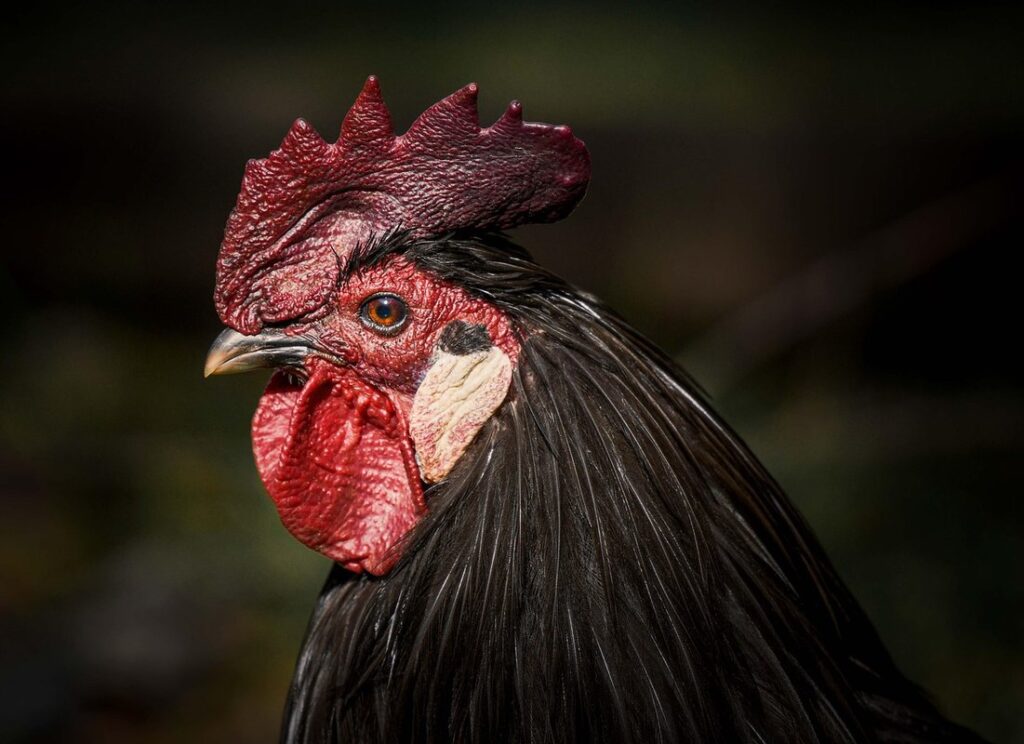
Ameraucana roosters are a sight to behold, with their unique blend of charm and rugged good looks. One of the most distinctive physical characteristics of this breed is their plumage, which features a mix of blue, black, and white feathers that create a stunning mosaic effect. Whether you’re looking at a solid-colored Ameraucana or one of the many variations with intricate patterns, it’s hard not to be drawn in by the beauty of these birds.
In terms of size, Ameraucana roosters are relatively medium-sized, weighing in around 5-7 pounds (2.3-3.2 kg). This makes them a great choice for backyard flocks, where space may be limited. Despite their compact stature, however, Ameraucana roosters are known for their bold and confident personalities – they’re not afraid to stand up for themselves or assert their dominance.
But don’t let their toughness fool you: at heart, Ameraucana roosters are friendly and curious birds that thrive on human interaction. They make great additions to families with children, as long as the kids are willing to learn about gentle handling and respectful behavior around animals.
Care and Management of Ameraucana Roosters
When it comes to caring for your Ameraucana rooster, there are several key considerations that will help ensure he stays happy and healthy. This section explores these essential management tips in more detail.
Housing and Environment: Providing a Suitable Space for Your Rooster
When it comes to housing and environment for your Ameraucana rooster, providing a suitable space is crucial. Your rooster needs room to move around, stretch his wings, and exercise, just like any other animal. A cramped or confined space can lead to stress, frustration, and even health issues.
Adequate ventilation is also vital in keeping your rooster healthy. Proper airflow helps to remove ammonia from the droppings, which can be toxic to birds if not removed properly. You should ensure that your rooster’s enclosure has windows or vents for cross-ventilation, and change the litter frequently.
Lighting is another important aspect of housing an Ameraucana rooster. Natural light is ideal, but if you’re keeping your rooster indoors, invest in a high-quality LED light that mimics natural daylight. Aim for at least 10 hours of light per day, including some UVB rays to promote calcium metabolism and prevent health issues.
In addition to these basic needs, consider the following: a minimum floor space of 2-3 square feet per rooster is recommended, with adequate perch space for resting and stretching.
Diet and Nutrition: Meeting the Nutritional Needs of Your Ameraucana Rooster
Ameraucana roosters have distinct dietary needs that are essential for their optimal health and well-being. As a responsible owner, it’s crucial to provide them with the right balance of nutrients to ensure they grow strong and healthy.
In terms of protein requirements, Ameraucana roosters need about 20% of their diet to consist of high-quality protein sources such as crickets, mealworms, or commercial pellets specifically formulated for game birds. A good example is providing a mix of 1/4 cup of crickets and 1/4 cup of oats daily. You can also supplement with chopped nuts like almonds or walnuts.
Calcium intake is another critical aspect to consider. Ameraucana roosters, especially young ones, require adequate calcium for bone growth and development. Offer crushed eggshells or cuttlebone as a calcium-rich treat, and make sure their feed includes 2-3% calcium content.
Consider adding supplements like oyster shells or dark leafy greens like kale or spinach to their diet, which are rich in essential vitamins and minerals. Always consult with a veterinarian before making any significant changes to your rooster’s diet.
Health Considerations for Ameraucana Roosters
When bringing home an Ameraucana rooster, it’s essential to be aware of potential health concerns specific to these birds, such as feather pecking and reproductive issues. Regular monitoring can help prevent or address these issues early on.
Common Health Issues in Ameraucana Roosters: Identifying Signs and Symptoms
Ameraucana roosters can be prone to several health issues that may require attention from their owners. Respiratory problems are common in these birds, particularly if they’re exposed to drafts, extreme temperatures, or pollutants in the air. Keep an eye out for signs such as labored breathing, wheezing sounds, or a bluish tint around the nostrils and mouth.
Feather pecking is another issue you might encounter with your Ameraucana roosters. This behavior can be caused by stress, boredom, or inadequate nutrition. You can prevent feather pecking by providing enough perches for your birds to scratch on, offering plenty of foraging opportunities, and ensuring their diet is well-balanced.
Reproductive issues can also affect male Ameraucanas, particularly those bred specifically for laying eggs. You might notice swollen testes, reduced fertility, or other symptoms that require veterinary care. To minimize the risk of reproductive problems, it’s essential to breed your birds responsibly and under close supervision.
Regular check-ups with a veterinarian will help identify any underlying health issues early on, allowing you to take preventive measures and provide the necessary care for your roosters to live healthy lives.
Preventative Measures: Vaccinations, Parasite Control, and Regular Check-Ups
Maintaining the overall health of your Ameraucana rooster is crucial to prevent diseases and ensure its well-being. Vaccinations are a vital part of preventative care. Consult with a veterinarian to determine which vaccinations are necessary for your rooster, as they may vary depending on factors like age, location, and health status.
In addition to vaccinations, parasite control is essential to protect your rooster from internal and external parasites such as mites, lice, and worms. Use approved medications and follow the recommended treatment schedule to ensure effectiveness.
Regular check-ups with a veterinarian are also vital for monitoring your rooster’s health. Schedule annual or bi-annual visits for vaccinations, parasite control checks, and overall health assessments. Keep records of your rooster’s vaccinations, medical treatments, and any health issues that may arise.
During these visits, have your veterinarian inspect your rooster’s beak, feet, and eyes for signs of injury or disease. Also, ask about routine blood work to monitor your rooster’s internal health and detect potential problems early on. By following this preventative care regimen, you can help ensure a long and healthy life for your Ameraucana rooster.
Breeding and Raising Ameraucana Roosters
If you’re planning to breed Ameraucana roosters, it’s essential to understand their unique characteristics and specific needs to raise healthy chicks. This section will guide you through the process of breeding and raising these magnificent birds.
Breeding Programs: Selecting Sires and Dams for Your Flock
When it comes to breeding programs for Ameraucana roosters, selecting suitable sires and dams is crucial for maintaining breed quality and consistency. As you start building your flock, consider the following factors when choosing a sire or dam.
For a sire, look for an Ameraucana rooster that demonstrates exceptional breeding qualities such as fertility, vigor, and good egg-laying ability in his daughters. A stud rooster’s ancestry and genetic makeup can also play a significant role in determining breed characteristics you want to pass on to the next generation. Consider registering your stud rooster with the American Bantam Association (ABA) or other reputable poultry associations for documentation of his lineage.
When selecting dams, prioritize birds that exhibit desirable traits such as fertility, hatchability, and consistent egg production. A dam’s age and condition can also impact breeding performance, so consider choosing hens between 2-4 years old for optimal fertility. It’s essential to keep accurate records of your flock’s breeding history, including sire and dam information, to ensure you’re making informed decisions about future breedings.
Ultimately, selecting suitable sires and dams is an art that requires patience, observation, and a willingness to learn from your flock’s performance over time.
Raising Chicks: Providing the Best Start in Life for Your New Arrival
Raising healthy, thriving Ameraucana roosters from hatch to maturity requires careful attention to their nutritional and health needs. From the moment they emerge from their eggs, it’s essential to provide them with a nutrient-rich starter feed that contains around 20% protein. A good quality starter feed will also include a balanced mix of vitamins and minerals necessary for growth and development.
As your chicks grow, you’ll need to transition them to a grower feed that still contains around 18-20% protein but is formulated for older birds. It’s also crucial to ensure they have access to fresh water at all times. When it comes to vaccinations, consult with a local veterinarian to determine the best course of action for your flock.
Regular health checks are vital in detecting any potential issues early on. Inspect your chicks daily for signs of illness or injury and be prepared to seek professional help if you notice anything out of the ordinary. By following these guidelines, you’ll give your new Ameraucana rooster the best possible start in life, setting them up for a healthy and productive future.
Showing and Exhibiting Ameraucana Roosters
When it comes time to show off your stunning Ameraucana rooster, understanding the judging criteria is crucial to ensure you’re presenting your bird in its best light. Here’s what you need to know about exhibiting your prized rooster successfully.
Preparing for the Show Ring: Grooming, Handling, and Training Tips
Before presenting your Ameraucana rooster in the show ring, it’s essential to focus on grooming, handling, and training. Grooming plays a significant role as it showcases the bird’s overall appearance. Start by daily nail trimming to prevent overgrowth, followed by regular feather plucking to maintain an even coat. Keep your rooster clean by providing regular dust baths, which help to keep his feathers in top condition.
Handling is equally crucial for a confident show ring performance. Familiarize your rooster with gentle handling techniques, such as lifting and carrying him securely without causing distress. This should begin from an early age through consistent interaction and training sessions. Training also encompasses teaching basic obedience commands like ‘step-up’ or ‘come,’ which help control the bird during the judging process.
Consistent practice in these areas will significantly enhance your rooster’s chances of success at competitions.
Competition Rules and Regulations: Understanding the Guidelines for Exhibitors
When participating in Ameraucana rooster shows, it’s essential to understand the competition rules and regulations. The American Bantam Association (ABA) is one of the leading organizations that governs the exhibition of Ameraucana chickens, including roosters.
According to the ABA breed standard, Ameraucana roosters should have a unique combination of characteristics, such as a mottled or blue-gray plumage with black hackles and saddle feathers. The ideal weight for an Ameraucana rooster is around 5-6 pounds, with a compact, muscular body.
Competition categories for Ameraucana roosters include Junior (chickens under one year of age), Intermediate (one to two years old), and Senior (two years or older). Judging criteria focus on conformation, breed characteristics, and overall appearance. Exhibitors should familiarize themselves with the judging standards and ensure their birds meet the required specifications.
To increase your chances of success in a show, make sure to carefully read and follow the competition rules, which can be found on the ABA website or through local poultry associations. This will help you prepare your Ameraucana rooster for exhibition and avoid any potential penalties or disqualifications.
Conclusion
As we bring our journey through the unique characteristics and traits of Ameraucana roosters to a close, let’s recap what makes these birds truly special.
Recap of Key Points: Essential Information for Raising Healthy and Happy Ameraucana Roosters
When it comes to raising healthy and happy Ameraucana roosters, there are several key takeaways from our discussion. First and foremost, ensure you’re providing a nutritious diet that meets their specific needs. This includes a balanced mix of protein, vitamins, and minerals, as well as access to calcium-rich foods to support strong beak growth.
You’ll also want to prioritize proper health checks, including regular monitoring for signs of stress or illness. Keep an eye out for changes in appetite, drooping wings, or unusual behavior, which can indicate potential issues.
Another essential aspect is creating a safe and comfortable living space. Make sure your rooster has ample room to move around, stretch its wings, and engage in natural behaviors like perching and dust bathing.
In addition to their physical needs, Ameraucana roosters also benefit from social interaction. Provide opportunities for them to interact with other birds, whether through flock integration or playtime with toys.
When it comes to specific care tips, consider the following:
* Maintain a clean coop environment by removing soiled bedding and providing fresh water daily
* Offer a variety of enrichment activities to keep your rooster’s mind engaged and stimulated
* Be aware of local regulations regarding backyard chickens, including any restrictions on rooster ownership
By incorporating these practices into your care routine, you’ll be well on your way to raising happy and healthy Ameraucana roosters. Remember to stay vigilant in monitoring their behavior and adjust your approach as needed to ensure the best possible outcome for your feathered friend.
Frequently Asked Questions
Can I keep multiple Ameraucana roosters together in the same flock?
Yes, it’s possible to keep multiple Ameraucana roosters together, but it’s essential to ensure a sufficient space and provide separate areas for each bird. Introducing multiple roosters requires careful planning to avoid aggression and stress. Monitor their behavior closely and provide adequate shelter, food, and water to prevent competition.
What are the key differences between an Ameraucana rooster and a hen?
Ameraucana roosters and hens exhibit distinct characteristics. Roosters have a more prominent comb, larger wattles, and brighter plumage colors than hens. Males also tend to be larger and more muscular than females. Be aware of these differences when selecting or breeding Ameraucanas for specific purposes.
How can I prevent health issues in my Ameraucana rooster?
Preventative measures are crucial to maintaining the health of your Ameraucana rooster. Ensure regular check-ups with a veterinarian, provide vaccinations and parasite control as necessary, and maintain a balanced diet. Keep an eye out for signs of illness or stress and address any issues promptly.
Can I breed my Ameraucana rooster to other breeds?
Ameraucanas are known for their unique characteristics, which can be influenced by breeding with other breeds. However, it’s essential to consider the potential consequences on your flock’s overall health and genetics. Research reputable breeding programs and consult with experienced breeders before attempting cross-breeding.
How long does it take for an Ameraucana rooster to mature?
Ameraucana roosters typically reach maturity between 20-30 weeks of age, depending on their diet, environment, and genetics. Ensure they have access to adequate nutrition and a suitable living space to support their growth and development. Monitor their progress closely and adjust your care routine accordingly.