
Are you considering adding some new feathered friends to your backyard flock? Or perhaps you’re an experienced breeder looking for unique characteristics in your birds? Either way, you’ll want to learn about the amazing Cochin chicken eggs. These gentle giants are not only a delight to raise, but their large, brown eggs are also packed with nutrients and offer several health benefits when consumed.
In this article, we’ll delve into the world of Cochin chicken eggs, exploring their unique characteristics, nutrition benefits, and tips on breeding, raising, and caring for these lovable birds. We’ll discuss everything from eggshell thickness to incubation temperatures, making it a valuable resource for both beginners and seasoned breeders alike. Whether you’re looking to supplement your family’s diet or start a backyard flock of your own, this article will provide the essential information you need to get started with Cochin chicken eggs.
Characteristics of Cochin Chicken Eggs
Let’s dive into what makes Cochin chicken eggs truly unique, from their size and color to their internal characteristics that set them apart.
What Makes Cochins Unique?
What sets Cochin chicken eggs apart from other breeds is their impressive size. On average, these eggs can weigh up to 60 grams and measure around 3 inches long. This larger size makes them a favorite among chefs and home cooks who value the extra space for omelets or frittatas.
But that’s not all – Cochins are also known for their potential double-yolk eggs. This phenomenon occurs when two yolks develop in a single eggshell, and it’s not uncommon for Cochin hens to produce up to 10% of double-yolker eggs per clutch. If you’re an avid baker or pastry enthusiast, this can be a game-changer.
Additionally, Cochin chicken eggs boast an exceptionally high fertility rate. This means that the likelihood of successfully hatching a fertilized egg is much higher than with other breeds. For backyard chicken keepers and enthusiasts, this makes Cochins an attractive choice for their desire to breed and raise chicks.
If you’re thinking of adding Cochins to your flock, consider these factors when selecting breeding stock: look for birds that are consistently producing large eggs and have a history of successful hatch rates.
Eggshell Quality and Color
When it comes to Cochin chicken eggs, the quality and color of their eggshells are notable characteristics that set them apart from other breeds. The shells themselves tend to be thicker than average, which makes them more durable and less prone to breakage during handling. This thickness is due in part to the hen’s instinctual nesting behavior, which encourages her to lay eggs with robust, protective casings.
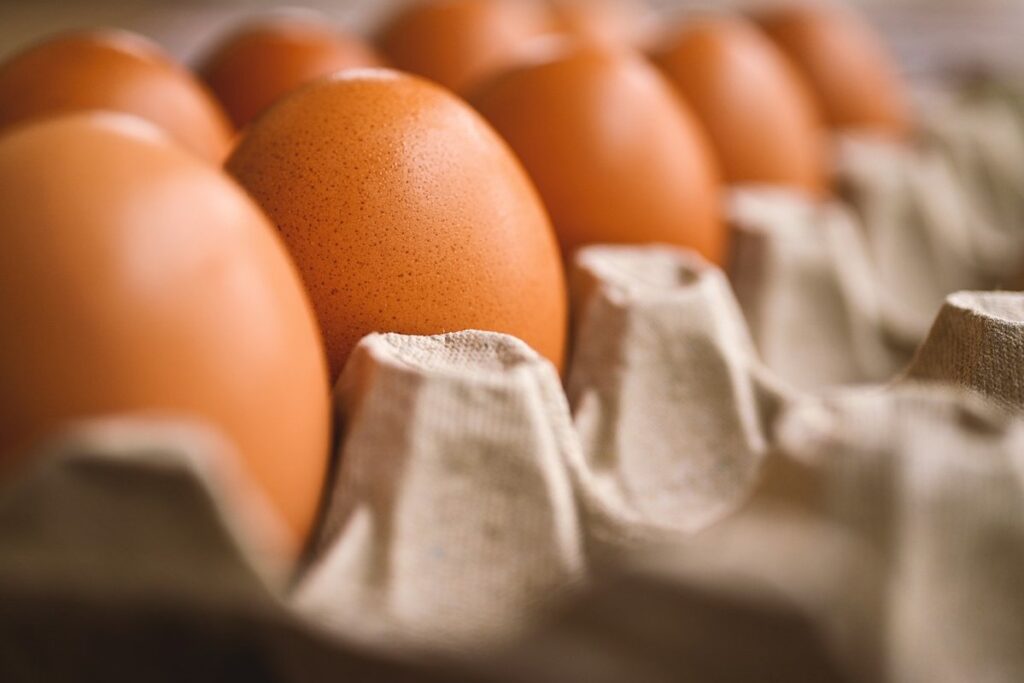
In terms of color, Cochin eggshells can range from a light cream to a pale brown, often with subtle speckling or spotting on the surface. These markings are entirely natural and can vary significantly from one bird to another, making every dozen a visually interesting collection.
It’s worth noting that if you’re planning to collect eggs from your Cochin hens, it’s essential to store them properly to maintain their quality and prevent damage. Keep the eggs in a cool, dry place, with the pointed end facing downwards to prevent moisture from seeping inside through the air cell. By following these simple guidelines, you can enjoy your Cochin eggs for longer and appreciate their unique characteristics even more.
Handling and Storage Tips for Freshness
When handling and storing Cochin chicken eggs, it’s essential to maintain their freshness and extend their shelf life. To do this, make sure to collect the eggs gently from the nesting box to avoid any damage. Cleanliness is crucial; wash your hands before touching the eggs, and always handle them by their rounded ends rather than the pointed end.
For storage, it’s recommended to keep Cochin chicken eggs in a cool, dry place away from direct sunlight. A temperature range of 60-70°F (15-21°C) is ideal. Store them in an egg carton or tray with the large end pointing down to prevent moisture from seeping into the egg through the air cell.
Humidity levels also play a significant role; maintain a relative humidity of 50-60% to slow down bacterial growth and keep eggs fresh for longer. If you plan on storing Cochin chicken eggs for an extended period, consider placing them in a refrigerator set between 32-40°F (0-4°C).
Nutrition and Health Benefits of Cochin Eggs
Cochin chicken eggs are not only a delicious addition to your breakfast plate, but they also pack a punch when it comes to nutrition. Let’s dive into some of their key health benefits!
Rich in Protein and Nutrients
Cochin eggs are an excellent choice for those seeking a nutrient-dense food option. These eggs contain a high amount of protein, making them an ideal choice for fitness enthusiasts and individuals looking to manage their weight. A large Cochin egg typically contains around 6-7 grams of protein, which is approximately 12% of the recommended daily intake.
In addition to being rich in protein, Cochin eggs are also a good source of essential vitamins and minerals such as vitamin D, B12, and iron. Vitamin D, for instance, plays a crucial role in maintaining strong bones and immune function, while B12 helps in the production of red blood cells and prevents anemia. Iron content is particularly important for pregnant women and individuals with anemia.
To maximize the nutritional benefits of Cochin eggs, it’s recommended to consume them as part of a balanced diet. For instance, you can enjoy boiled Cochin eggs with vegetables or use them as an omelette filling. When choosing Cochin eggs, ensure that they are sourced from farms that follow good agricultural practices to minimize exposure to antibiotics and pesticides. This will help to reap the full health benefits of these nutritious eggs.
Health Benefits for Consumers
Consuming Cochin eggs can be an excellent addition to a healthy diet for several reasons. For one, they are an excellent source of protein, containing all nine essential amino acids that the body cannot produce on its own. This makes them a great option for vegetarians and vegans who may struggle to get enough protein from plant-based sources.
In addition to their high protein content, Cochin eggs are also rich in various vitamins and minerals such as vitamin D, B12, iron, zinc, and omega-3 fatty acids. These nutrients play important roles in maintaining heart health by reducing inflammation, improving blood lipid profiles, and supporting the overall functioning of the cardiovascular system.
Moreover, Cochin eggs have been shown to boost immune function due to their high content of antioxidants like selenium and vitamin E. These compounds help protect cells from damage caused by free radicals, which can weaken the immune system over time. To incorporate more Cochin eggs into your diet, try adding them to omelets, frittatas, or scrambling them with vegetables for a quick and nutritious breakfast.
How Cochin Eggs Can Support Local Economies
Raising Cochins can have a profound impact on local food systems and support small-scale farmers. These gentle giants are often underutilized, but their unique characteristics make them an ideal choice for backyard flocks and small-scale farming operations.
One of the primary ways that Cochins contribute to local economies is by providing a steady supply of fresh eggs directly to consumers. By selling eggs to neighbors and friends, small-scale farmers can earn a decent income without relying on large-scale commercial farms. This direct-to-consumer model also helps to build trust between producers and consumers, fostering stronger community relationships.
To get started with raising Cochins for local sales, consider the following steps: identify your target market, assess your flock’s egg production potential, develop a marketing strategy, and ensure compliance with local regulations. By tapping into this growing demand for locally sourced eggs, you can not only support small-scale farmers but also promote sustainable food systems in your community.
Local economies benefit from Cochin eggs as they provide an alternative to industrial farming methods, creating jobs and stimulating economic growth within the region.
Breeding and Raising Cochins
If you’re eager to start your Cochin chicken journey, this section is where we’ll dive into the ins and outs of breeding and raising these beautiful birds. We’ll cover everything from egg incubation to chick development.
Understanding Cochin Temperament
Cochins are known for their gentle and docile nature, making them an excellent choice for backyard flocks and families with children. They are large and laid-back birds that don’t require a lot of space to roam, which makes them perfect for small farms or even urban backyards.
One of the standout characteristics of Cochin temperament is their adaptability. They can thrive in various climates and environments, from hot and humid to cool and dry. This trait makes them an excellent choice for farmers who live in areas with unpredictable weather conditions. Their calm demeanor also means they are less likely to engage in aggressive behavior towards other birds or humans.
Cochins are also incredibly friendly and social birds that bond well with their owners. They love attention and will follow you around the farm, making them a delight to have as pets. With proper care and handling, Cochins can become trusting and gentle companions for children and adults alike. When introducing new birds to your flock, it’s essential to do so gradually to prevent stress and maintain peace among the birds.
In general, Cochins are easy-going birds that fit well into most farm settings. Their laid-back nature makes them an excellent addition to any backyard flock or small farm operation.
Housing and Feeding Requirements
When it comes to breeding and raising Cochins, providing the right housing and feeding conditions is crucial for their health and well-being. Cochins are a large breed of chicken, so they need ample space to roam and exercise.
For ideal housing, you’ll want to provide at least 2-3 square feet per bird inside the coop, with even more space in the run or outdoor area where they can move around freely. This will not only keep them happy but also prevent overcrowding, which can lead to stress and health issues. A good rule of thumb is to have a minimum of 4×6 feet for every three birds.
In terms of feeding, Cochins are heavy-eaters due to their size, so you’ll need to provide high-quality feed that’s rich in nutrients. A balanced diet should include a mix of grains, proteins, and vegetables. You can also supplement with treats like fruits and leafy greens. Remember to always provide fresh water at all times, and consider offering grit or oyster shells to support their digestive health. With proper care and attention to their needs, your Cochin chickens will thrive and reward you with an abundance of healthy eggs.
Tips for Integrating Cochins into Your Flock
When introducing Cochins to an existing flock, it’s essential to prioritize a smooth transition. Start by isolating the new birds for a few days before integrating them with the rest of the flock. This allows both groups to get accustomed to each other’s presence without the stress of a sudden introduction.
Begin with visual introductions, where the Cochins are kept behind a fence or screen that allows them to see and smell each other without direct contact. Once they seem comfortable with each other’s presence, it’s time for supervised interactions under close observation.
During the integration process, monitor the behavior of both groups closely for signs of stress or aggression. Introduce the Cochins gradually, perhaps starting with just one bird at a time to minimize disruptions.
As the flock adjusts, make sure to provide an adequate supply of food and water to prevent competition and ensure everyone has access to resources. By introducing new birds slowly and under close supervision, you’ll be able to create a harmonious and diverse flock that’s beneficial for your farm or backyard operation.
Caring for Cochin Chicken Breeds
If you’re considering raising Cochin chickens, it’s essential to learn how to care for these gentle giants properly. In this section, we’ll discuss their specific needs and provide tips on creating a happy and healthy environment.
Health Considerations Specific to Cochins
Cochin chickens are known for their gentle nature and beautiful feathering, but they can be prone to certain health issues. One of the most common problems affecting Cochins is obesity. Due to their calm temperament and tendency to follow a set routine, they may not burn off excess energy, leading to weight gain. A diet that’s too rich in calories or lack of exercise can exacerbate this issue.
To prevent obesity in your Cochin flock, it’s essential to monitor their food intake and ensure they have enough space for physical activity. Provide fresh fruits and vegetables as treats instead of relying on processed feed, which is often high in sugar and preservatives. Aim for a balanced diet that meets the nutritional needs of your chickens, and limit access to free-choice feeding.
Respiratory problems are another common issue affecting Cochins. Their large size and flat faces can lead to breathing difficulties, especially during hot or humid weather. Ensure proper ventilation in your coop by installing windows and adequate airflow. Keep an eye on your birds’ behavior for signs of respiratory distress, such as labored breathing or coughing.
Maintaining Hygiene and Cleanliness in Cochin Enclosures
Maintaining cleanliness in Cochin enclosures is crucial to preventing disease and ensuring overall health. A dirty environment can lead to stress, discomfort, and even illness among the flock. To keep your Cochin chickens healthy and thriving, prioritize good hygiene practices.
Daily cleaning involves removing soiled bedding material, disposing of waste, and replenishing fresh litter or bedding material. This process should be done at least once a day, depending on the size of the enclosure and the number of birds. You can also set up automatic cleaners or use natural elements like straw or sand to help absorb moisture.
Regularly disinfect feeders, waterers, and perches using a solution of 1 part white vinegar to 9 parts water. This will help reduce bacterial growth and prevent the spread of diseases. Also, ensure good ventilation in your enclosure by installing windows or upgrading to a more open-style coop.
A clean and well-maintained environment is essential for the health and well-being of your Cochin chickens. By prioritizing hygiene practices, you can reduce the risk of disease and create a safe and happy home for your flock.
Strategies for Managing Stress in Cochins
When it comes to caring for Cochin chicken breeds, managing stress is crucial to maintaining their overall health and well-being. Cochins are known for being friendly and docile birds, but like all animals, they can experience stress due to various factors such as overcrowding, poor living conditions, or lack of social interaction.
Providing adequate space is essential in reducing stress levels in Cochin chickens. Ensure that your flock has enough room to roam around, stretch their wings, and exercise freely. A general rule of thumb is to provide at least 2-4 square feet of space per bird inside the coop and 8-10 square feet of outdoor run area.
Promoting social interaction among Cochins can also help reduce stress. Group them with compatible breeds, and ensure that they have access to a variety of toys and activities that stimulate their natural behaviors. Consider adding climbing structures or perches to encourage exploration and exercise.
By implementing these strategies, you can create a stress-free environment for your Cochin chickens, which will result in healthier birds, better egg production, and a more enjoyable experience for you as an owner.
Frequently Asked Questions
Can I incubate Cochin chicken eggs on my own, or do I need to buy them from a hatchery?
Yes, you can incubate Cochin chicken eggs at home using an incubator. However, it’s essential to research and understand the specific requirements for Cochin egg incubation, including temperature, humidity, and turning procedures. If you’re new to incubating eggs, consider starting with a small batch from a reputable hatchery to ensure successful hatching.
How do I integrate Cochin chickens into my existing flock without disrupting their social dynamics?
When introducing Cochin chickens to your existing flock, it’s crucial to do so gradually and under close supervision. Start by keeping them separated for a few days before allowing them to mingle in the same enclosure. This will help prevent stress and fighting among birds of different breeds.
Are Cochin chicken eggs suitable for large-scale commercial production?
While Cochin chickens can thrive in backyard flocks, they may not be ideal for large-scale commercial production due to their slower growth rate compared to other breeds. However, their unique characteristics, such as larger egg size and rich nutrient content, make them an attractive choice for smaller farms or those focused on value-added products.
Can I use Cochin chicken eggs as a starting point for creating my own hybrid breed?
Yes, Cochin chicken eggs can be used as a base for developing your own hybrid breeds. This process typically involves crossing Cochins with other breeds to create offspring that combine desirable traits from both parents. However, it’s crucial to research and understand the genetic implications of breeding different strains.
How do I store Cochin chicken eggs properly to maintain their freshness and quality?
Proper storage is essential for maintaining the freshness and quality of Cochin chicken eggs. Store them in a cool, dry place with the large end pointing down to prevent moisture from entering the egg. Avoid washing or cleaning the eggs before storage, as this can damage the protective coating and lead to contamination. For longer-term storage, consider using a sealed container filled with silica gel or a similar desiccant to maintain humidity control.