
When it comes to raising healthy and happy chickens, one crucial aspect often flies under the radar: precise temperature control during egg incubation. The truth is, even a slight deviation in temperature can spell disaster for your eggs – making it imperative to master this delicate balance.
In this article, we’ll delve into the world of chicken egg incubation temperature, exploring the ideal ranges and why they’re so critical to successful hatching. You’ll learn how to maintain a stable temperature, what dangers lurk when temperatures go awry, and practical tips for fine-tuning your incubation setup. Whether you’re an experienced poultry enthusiast or just starting out, understanding the ins and outs of egg incubation temperature will be invaluable in giving your chicks the best possible start in life. By the end of this article, you’ll have a solid grasp on the importance of temperature control and how to achieve it.
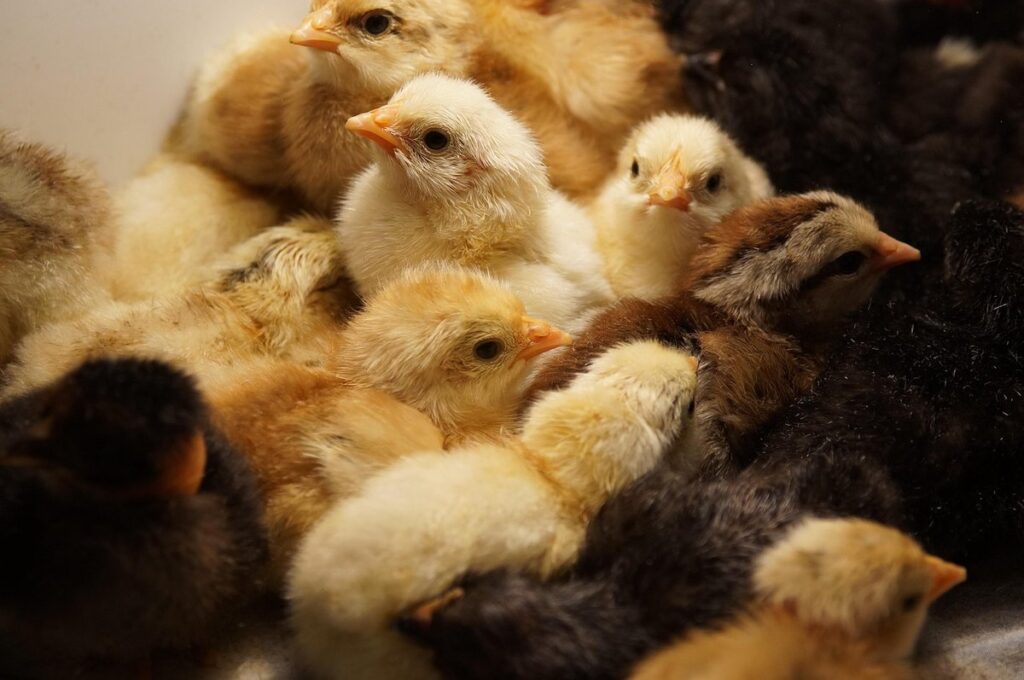
Understanding the Importance of Temperature Control
When it comes to successful egg incubation, maintaining the right temperature is crucial for healthy chick development. Let’s dive into why precise temperature control matters in the incubation process.
Why Temperature Matters in Egg Incubation
Temperature control is one of the most critical factors in successful egg incubation. Research has consistently shown that even slight deviations from optimal temperatures can have a significant impact on hatch rates and chick development. According to industry standards, temperature fluctuations of as little as 1°C can reduce hatch rates by up to 20%. To put this into perspective, a study published in the Journal of Applied Poultry Research found that eggs incubated at 37.5°C had a significantly lower hatch rate than those incubated at 37.2°C.
It’s not just about maintaining a stable temperature; it’s also about achieving the correct humidity levels to prevent dehydration and promote healthy growth. For example, if the incubator’s temperature is too high, the eggs may dry out, causing embryonic death or weakened chicks. Conversely, if the temperature is too low, metabolic processes slow down, leading to developmental delays.
To ensure optimal temperature control, it’s essential to invest in a reliable and precise thermostat, as well as regular maintenance checks on the incubator itself. By understanding the importance of temperature control and taking proactive measures, you can significantly improve your chances of successful hatching and healthy chicks.
The Ideal Temperature Range for Chick Embryo Development
Maintaining a stable temperature is crucial for chick embryo development. The ideal temperature range varies throughout the incubation period. From 0-7 days, the optimal temperature is between 99°F and 100°F (37.2°C to 37.8°C), with humidity levels at 50-60%. This allows for proper cell division and gastrulation.
Between 8-14 days, the embryo starts developing its major organs, including the heart and lungs. During this period, the ideal temperature is between 99.5°F and 100.2°F (37.7°C to 38°C), with humidity levels increasing to 60-70%. This range supports cardiovascular development and helps prevent defects.
After day 14, the embryo’s growth accelerates, and the temperature should be slightly decreased to between 99.2°F and 99.5°F (37.6°C to 37.8°C). The humidity level remains at 60-70% to ensure proper wing and feather development. It’s essential to monitor the incubator’s temperature closely during these stages, as even small variations can impact embryo growth and development.
By maintaining a consistent temperature within these ranges, you’ll significantly improve the chances of successful hatching.
Factors Affecting Temperature in an Incubator
To ensure your incubator is running smoothly, it’s crucial to understand the various factors that can impact temperature, including humidity, egg placement, and even external environment. Let’s take a closer look at these variables.
Humidity Levels and Their Impact on Incubation Temperature
When it comes to chicken egg incubation temperature control, humidity levels play a crucial role. The ideal humidity level can significantly impact the temperature control system’s performance in an incubator. In fact, maintaining optimal humidity levels is essential for ensuring accurate temperature readings and preventing temperature fluctuations.
Forced-draft incubators typically require a moderate to high humidity level of around 50-60% to maintain precise temperature control. This type of incubator uses fans to circulate air, which can dry out the environment if not adequately humidified. Still-air incubators, on the other hand, work best with lower humidity levels ranging from 30-40%. The still-air system relies on natural convection currents and doesn’t require as much moisture.
To achieve optimal humidity levels, it’s essential to monitor your incubator’s temperature and humidity readings regularly. You can use a hygrometer or thermometer to track these conditions. Additionally, ensure you’re using the right type of water for humidification – distilled or deionized water is best, as tap water can contain minerals that affect the humidity levels. By controlling humidity levels effectively, you’ll be able to maintain accurate temperature readings and provide optimal incubation conditions for your eggs.
Ventilation and Air Circulation in Egg Incubation
Proper ventilation and air circulation are crucial aspects of maintaining a stable temperature within an incubator. When heat builds up inside the incubator without sufficient airflow, it can lead to overheating and stress on the developing embryos. This is especially true during the critical early stages of development.
To ensure adequate ventilation, make sure your incubator has proper air exchange rates. A good rule of thumb is to maintain a rate of 1-2 air exchanges per hour. Some high-end incubators come with built-in ventilation systems that automatically monitor and adjust airflow levels based on temperature fluctuations.
In DIY or low-budget setups, you can create a simple yet effective ventilation system using a fan to circulate the air within the incubator. Position the fan at an angle to direct the flow of air away from the heat source and towards the intake vents. Regularly inspect your ventilation setup to ensure it’s functioning correctly and make adjustments as needed.
Adequate ventilation not only helps regulate temperature but also reduces moisture buildup, which can lead to mold growth and contamination within the incubator.
Setting Up Your Incubator for Optimal Temperature Control
To ensure your eggs develop properly, it’s essential that you set up your incubator to maintain a precise temperature. Let’s walk through the steps to get this crucial aspect just right.
Choosing the Right Equipment for Your Needs
When it comes to choosing the right equipment for your incubator, there are several factors to consider. The type of incubator you need depends on your level of experience and the number of eggs you plan to hatch. Manual incubators are a good starting point for beginners, as they provide hands-on control over temperature and humidity levels. Automatic incubators, on the other hand, offer precise temperature control and can be more convenient for larger batches.
In addition to the type of incubator, you’ll also need to choose thermometers and heaters that meet your specific needs. Digital thermometers are generally more accurate than analog ones, but may require batteries or calibration. Hygrometers measure humidity levels, which is crucial for maintaining a stable environment for embryo development. Consider investing in a thermometer with multiple probes, allowing you to monitor temperature at different points within the incubator.
When selecting heaters, choose models with adjustable wattage and thermal insulation to prevent overheating. Some incubators come with built-in heating elements; consider these if you’re short on space or want to simplify setup.
Calibration and Maintenance of Temperature-Sensitive Equipment
Calibrating temperature-sensitive equipment is crucial to ensure accurate readings and optimal performance. To start, consult your manufacturer’s guidelines for specific calibration procedures. Typically, this involves placing a calibration device at the same location as the thermometer or temperature probe. Calibrate the device to a known reference temperature, such as 98°F (36.7°C) or 37°C. Compare the reading from the device to that of the equipment you’re calibrating. Adjust the equipment’s settings accordingly.
Regular maintenance is also essential to maintain accurate readings. This includes checking for blockages in air vents and ensuring proper airflow around the incubator. Additionally, clean the temperature probes regularly with a soft cloth and mild detergent to prevent contamination. It’s also crucial to keep track of calibration history and adjust the equipment as necessary based on changes in performance or environmental conditions.
It’s recommended to perform calibration checks at least once every 30 days, or more frequently if you’re using your incubator continuously.
Monitoring and Adjusting Incubation Temperature
Now that you’ve set your incubator, let’s discuss how to monitor and adjust the temperature to create an optimal environment for your eggs. This process is crucial for successful hatching.
Using Thermometers and Temperature Probes
When it comes to monitoring and adjusting incubation temperature, having the right tools for the job is essential. You’ll want to use thermometers and temperature probes that are specifically designed for this purpose. There are several types of thermometers and temperature probes available on the market, each with its own advantages and limitations.
One popular option is digital thermometers, which provide accurate readings quickly and easily. They’re often battery-powered and can be inserted directly into the incubator or attached to the outside of it. One advantage of digital thermometers is that they’re relatively inexpensive compared to other options.
Another type of thermometer you might consider is an analog thermometer, also known as a mercury thermometer. These have been around for years and are still widely used today. However, they can be less accurate than digital thermometers and require more maintenance, as the mercury needs to be replaced periodically.
You’ll also find temperature probes that can be inserted into the incubator or attached to the outside. These can provide continuous temperature readings and often come with alerts if the temperature exceeds a certain threshold. Some popular options include thermocouple probes and RTD (resistance temperature detector) probes.
In terms of choosing the right thermometer for your needs, consider factors such as accuracy, ease of use, and durability. You may also want to read reviews from other users to get a sense of how well a particular product performs in real-world conditions.
When selecting a thermometer or temperature probe, be sure to check its accuracy range and ensure it’s calibrated specifically for incubation temperatures (between 99°F and 102°F). This will give you peace of mind knowing that your readings are accurate.
Techniques for Maintaining a Stable Temperature During Incubation
Maintaining a stable temperature during incubation is crucial for healthy egg development. A sudden drop or rise in temperature can be catastrophic for embryonic growth. To mitigate this risk, it’s essential to have strategies in place for addressing unexpected temperature fluctuations.
One of the most effective ways to maintain a stable temperature is by using a thermostat-controlled incubator. These devices are designed to regulate temperature within a narrow range, usually between 99°F and 100°F. You can also use a separate temperature controller, which allows you to monitor and adjust the temperature remotely.
In case of a power outage or sudden change in temperature, it’s crucial to have a backup plan. Consider investing in an automatic egg turner with built-in temperature control or using a battery-powered incubator. These devices will ensure that your eggs remain at a stable temperature even during periods of low power or unexpected changes. It’s also essential to monitor the incubator regularly and make adjustments as needed to prevent any potential issues.
Troubleshooting Common Issues with Temperature Control
Don’t let temperature fluctuations ruin your incubation experience! This section will walk you through common issues and solutions to ensure a steady, safe environment for your developing eggs.
Diagnosing and Resolving Temperature-Related Problems
When temperature control issues arise during chicken egg incubation, it can be distressing for breeders. One of the most common problems is embryonic mortality, where embryos die prematurely due to inconsistent temperatures. Delayed development is another issue that can occur when eggs are exposed to suboptimal temperatures.
To diagnose these problems, you’ll want to pay attention to your incubator’s temperature readings and ensure they’re within the recommended range (99-100°F or 37.2-37.8°C). Keep a close eye on humidity levels too, as dry air can exacerbate temperature-related issues.
If you suspect improper temperature control is the culprit, check for signs of embryo distress such as irregular egg turning, cracked or broken eggs, and unusual odors from the incubator. It’s also essential to regularly clean and maintain your incubator to prevent bacterial growth and contamination.
To resolve these problems, adjust your temperature settings and ensure consistent readings throughout the day. If necessary, increase humidity levels or use a humidifier to create a more stable environment for the embryos.
Preventative Measures for Long-Term Success in Egg Incubation
To maintain optimal temperature conditions throughout the incubation period and ensure long-term success, it’s essential to take preventative measures. Before starting the incubation process, make sure you have a reliable thermometer that can accurately measure temperatures within ±0.2°C.
Invest in a good quality incubator with built-in temperature control features such as automatic temperature adjustment, alarm systems, and precise temperature calibration. Regularly check the incubator’s temperature readings against a separate thermometer to ensure accuracy.
Maintain a clean environment by washing your hands before handling eggs or entering the incubation room. Keep the incubation area free from drafts and extreme temperatures fluctuations by placing it away from windows, doors, and heating/cooling vents. Store spare eggs in a designated cooler with accurate temperature control at 15°C (59°F) to prevent sudden changes when transferring them to the incubator.
Additionally, keep a close eye on your incubator’s maintenance schedule, including daily cleaning of the humidity chamber and ensuring adequate ventilation. This will help identify potential issues early on and prevent costly mistakes or equipment failure during critical periods of development.
Conclusion: Achieving Optimal Temperature Control in Chicken Egg Incubation
Achieving optimal temperature control is crucial for successful chicken egg incubation. By following the guidelines outlined in this post, you’ll be well on your way to creating an ideal environment for your eggs to develop. Remember that even slight variations in temperature can impact hatch rates and chick health. So, it’s essential to monitor temperatures regularly, making adjustments as needed.
To recap, we discussed the importance of maintaining a consistent temperature between 99-100°F (37-38°C) during the first 18 days of incubation. You also learned about the critical role of humidity control in preventing dehydration and promoting healthy development. By striking the right balance between temperature and humidity, you’ll be creating an environment that nurtures your eggs into strong, healthy chicks. With practice and patience, you’ll become a pro at achieving optimal temperature control, resulting in successful hatch after successful hatch!
Frequently Asked Questions
What are some common temperature fluctuation scenarios I should be aware of during incubation?
When temperatures drop or rise suddenly, it can impact chick development. Be prepared for emergencies by having a backup power source and thermometer to monitor your incubator’s temperature constantly.
How often should I calibrate my temperature-sensitive equipment to ensure accurate readings?
It’s recommended to calibrate your thermometers and probes at the beginning of each incubation cycle and every 2-3 days thereafter. This will help maintain precise temperature control and prevent inaccurate readings that can harm your chicks.
Can I use a digital thermometer with an LCD display, or should I stick with analog options?
Both types have their pros and cons. Digital thermometers offer quick readings and are often more accurate, but they can be affected by humidity levels. Analog thermometers, on the other hand, may require more time to stabilize but provide reliable results in humid environments.
What’s a good rule of thumb for setting up my incubator for optimal temperature control?
Aim for a 0.5-1°C difference between different areas within your incubator. You can achieve this by evenly distributing heat and ensuring proper air circulation. Regularly monitoring temperature readings will help you fine-tune your setup.
How do I handle an unexpected power outage during incubation, and what should I prioritize?
In the event of a power loss, quickly move your eggs to a safe place with minimal temperature fluctuations (like a warm room or insulated container). Prioritize stabilizing the temperature as soon as possible to minimize damage.