
As a backyard chicken keeper, you know how exciting it is to welcome new flock members into your home. But with great pleasure comes great responsibility – keeping them safe and dry in rainy weather can be a challenge. A well-designed chicken coop is essential for protecting your birds from the elements, but what makes a coop truly rain-proof? In this article, we’ll dive into the world of backyard chicken coops and explore expert tips on designing, building, and maintaining a coop that withstands inclement weather. From choosing the right location to selecting durable materials and features like sloping roofs and waterproof walls, we’ll cover it all. Whether you’re a seasoned chicken enthusiast or just starting out, this guide will help you create a safe and comfortable home for your feathered friends, no matter what the forecast says.
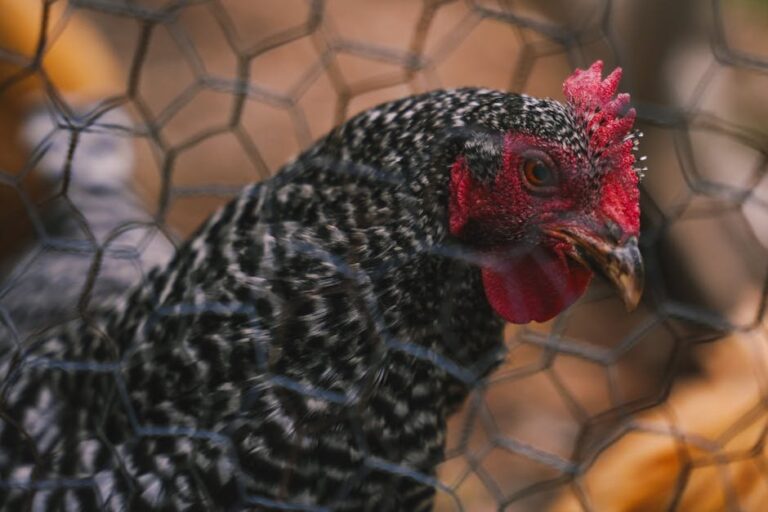
Choosing the Right Location for Your Chicken Coop
When it comes to building a chicken coop, finding the perfect spot is crucial, especially when rain protection is top of mind. Let’s explore what makes a location ideal for your backyard flock.
Considering Topography and Drainage
When choosing a location for your chicken coop, it’s essential to consider the topography and drainage patterns of your property. Siting your coop on high ground can help prevent waterlogging, which can lead to unpleasant odors, wet litter, and even damage to the coop itself.
To assess a property’s topography, observe how water flows across the land after rainfall or irrigation. Look for low-lying areas where water tends to collect. You can also consult with a surveyor or map service to determine the elevation of your property and identify potential flood zones. In addition, consider the local drainage patterns, such as nearby streams or ditches, which may impact water flow on your land.
By understanding your property’s topography and drainage patterns, you can select a coop location that minimizes the risk of waterlogging. For example, if your property has a slight slope, place the coop at the higher end to allow excess moisture to drain away from the building. This simple consideration can help keep your chickens healthy and happy, while also protecting your investment in their home.
Understanding Microclimates
When selecting a location for your chicken coop, it’s essential to consider microclimates and their potential impact on weather conditions. Microclimates are small areas with unique environmental characteristics that can differ significantly from the surrounding region. These localized conditions can lead to varying temperatures, humidity levels, and precipitation patterns.
To identify areas prone to heavy rain or flooding, observe your yard during rainfall events. Notice how water accumulates in low-lying areas, such as near ponds, lakes, or storm drains. Also, pay attention to how nearby buildings, trees, and other structures affect the flow of water. For example, a large tree can create a “rain shadow” effect, blocking rain from reaching certain areas.
When evaluating potential coop locations, look for elevated sites that allow water to drain quickly. Avoid areas near bodies of water or where water tends to collect. Consider installing a French drain or other drainage system if necessary. By understanding and addressing microclimates in your yard, you can better protect your chicken coop from heavy rain and flooding events.
Designing Your Chicken Coop for Rain Protection
When designing your chicken coop, it’s essential to prioritize rain protection to keep your flock dry and healthy. We’ll walk you through simple ways to achieve this in a functional and affordable way.
Sloping Roofs and Water Runoff
When designing your chicken coop for rain protection, incorporating a sloping roof is an excellent idea. Not only does it help with water runoff, but it also provides additional benefits such as improved ventilation and reduced risk of damage from heavy rainfall.
A well-designed sloping roof can direct rainwater away from the coop, reducing the likelihood of flooding and minimizing the impact on your chickens’ living space. The angle of the slope is crucial – a steeper angle (around 30-40 degrees) allows for better water runoff, while a more gradual slope (15-20 degrees) provides a balance between water management and structural integrity.
You can choose from various roofing materials, such as asphalt shingles, corrugated metal, or translucent panels. Each material has its pros and cons, but they all share one common goal: to keep your chickens dry and comfortable during rainy days. Consider using a waterproof underlayment beneath your chosen roof material for added protection against water infiltration.
When selecting the ideal roofing material for your coop, consider factors such as durability, maintenance requirements, and cost-effectiveness. By choosing the right materials and design, you’ll be able to keep your chickens safe from rain-related issues while also maintaining a healthy and thriving flock.
Waterproof Materials and Sealants
When it comes to building or upgrading a chicken coop, choosing the right waterproof materials and sealants is crucial for protecting both your birds and their living space from rain damage. One popular option for exterior roofing is metal roofing, which can be coated with a durable, waterproof finish that resists corrosion and fading.
For asphalt shingle roofs, apply a silicone-based caulk to the edges of each shingle to prevent water from seeping under them. This will not only keep your coop dry but also help extend the lifespan of the shingles themselves.
Another key area to consider is around doors, windows, and joints – these are common entry points for rainwater, so it’s essential to seal them thoroughly with a high-quality silicone or polyurethane-based sealant. Apply a bead of caulk along these edges, making sure to smooth out any excess to prevent drips.
To get the most from your waterproofing efforts, make sure to inspect and reapply coatings as needed – ideally at least once a year during spring maintenance. This will help maintain the integrity of your coop’s water-resistant barrier and keep your flock safe and dry for years to come.
Building a Chicken Coop Rain Gutter System
Now that you’ve decided on a rain gutter system for your chicken coop, let’s dive into building it step-by-step to ensure water flows freely and safely away from your flock. This section will guide you through each essential component.
Installing Gutters and Downspouts
Installing gutters and downspouts is a crucial step in creating an effective rain protection system for your chicken coop. Water accumulation around the coop can lead to erosion, flooding, and damage to the structure, making it essential to direct water away from the area.
To begin installing gutters and downspouts, start by choosing the right materials for your climate and coop design. You’ll need gutters made of durable materials such as vinyl or aluminum, along with matching downspout extensions and end caps.
Next, measure and mark the locations where you want to install the gutters, ensuring they’re level and securely attached to the coop’s eaves using brackets. Securely attach the gutters, then connect the downspouts, making sure all joints are watertight. Finally, direct the downspout extensions away from the coop and secure them with stakes or additional fasteners.
When installing your system, be mindful of water flow rates to ensure the gutters can handle heavy rainfall. For example, if you live in an area prone to intense storms, consider using larger diameter gutters and adjusting their slopes for optimal performance.
Managing Water Flow with Splash Guards and Drip Edges
When building a chicken coop rain gutter system, it’s essential to manage water flow effectively to prevent damage to the coop’s foundation and surrounding areas. Splash guards and drip edges play crucial roles in this process.
Splash guards are installed at the edge of the roof or overhangs to deflect water away from the coop’s foundation. They can be as simple as a horizontal piece of wood or metal attached to the roof’s edge, but their effectiveness lies in directing water flow downward and away from vulnerable areas. By installing splash guards, you can prevent erosion around your coop’s foundation and keep water from seeping into the coop itself.
Drip edges are another vital component for managing water flow. They’re typically installed along the roof’s edge, where they catch any stray drips or drops that might otherwise fall onto the surrounding area. Drip edges come in various materials – aluminum, vinyl, and steel being popular options. Consider your climate and the type of rain you receive when choosing a material for your drip edges.
When selecting splash guards or drip edges, consider the angle of your roof, local building codes, and recommendations from experts familiar with chicken coop construction.
Implementing Chicken Coop Ventilation and Insulation
When it comes to keeping your flock dry, proper ventilation and insulation are crucial. We’ll show you how to implement these essential features in your chicken coop design.
Proper Ventilation for Moisture Control
Adequate ventilation is crucial for maintaining a healthy and safe environment within your chicken coop. When it comes to moisture control, proper airflow is essential in preventing the buildup of ammonia and moisture that can lead to respiratory issues in chickens.
To ensure sufficient ventilation, you’ll need to install vents, windows, and doors strategically throughout the coop. A general rule of thumb is to provide at least 1 square foot of venting per 10 square feet of interior space. This will allow for a constant flow of fresh air and help remove stale air that can harbor moisture.
When selecting ventilation components, consider materials like metal, plastic, or mesh screens, which are easy to clean and maintain. It’s also essential to install vents at different levels to facilitate cross-ventilation, which helps prevent stagnation of air within the coop.
Regular inspection and cleaning of vents are necessary to ensure they remain free from debris and maintain their effectiveness in regulating airflow. By implementing proper ventilation, you’ll be taking a significant step towards maintaining a dry and healthy environment for your chickens.
Insulating Your Chicken Coop Against Rain and Cold
When it comes to keeping your chickens dry and warm, insulating their coop is an essential aspect of rain protection. You can achieve this by using various materials that not only provide thermal insulation but also help regulate the internal temperature of the coop.
One popular option is foam board insulation, which is easy to install and provides excellent R-value ratings. For instance, a 1-inch thick foam board has an R-value of about 5, making it suitable for most chicken coops. However, be sure to use the correct type of foam board specifically designed for outdoor use.
Another option is straw bales, which can provide natural insulation and create a cozy atmosphere within the coop. Simply stack the bales against the walls and cover them with a tarp or plastic sheet to keep them dry. Recycled denim insulation is also gaining popularity due to its eco-friendly nature and ability to retain heat. When using any of these materials, ensure they are properly installed, securely fastened, and protected from moisture to maintain their effectiveness.
Additional Tips for Protecting Your Chicken Coop from the Elements
Now that you’ve taken care of the essential rainproofing features, let’s dive into some extra tips to give your coop a double layer of protection against harsh weather conditions.
Using Birdhouses and Nest Boxes with Rain Protection
When it comes to protecting your chicken coop from the elements, incorporating birdhouses and nest boxes with rain protection features can be a great idea. These structures not only provide a safe haven for your birds but also help keep them dry during rainy days.
To design birdhouses and nest boxes that can withstand rain, consider incorporating sloping roofs or slightly pitched tops. This allows water to run off easily, reducing the risk of flooding inside the structure. You can also use waterproof materials such as asphalt shingles, corrugated metal, or even recycled plastic for the roof and walls.
Another feature you might want to include is a slight overhang around the entrance to prevent rain from entering when your birds go in and out. This can be achieved with a simple awning or canopy made of durable waterproof materials like canvas or vinyl.
Remember, it’s all about creating a dry and comfortable space for your birds. By incorporating these features into your birdhouses and nest boxes, you’ll not only protect them from the rain but also provide them with a cozy spot to lay eggs.
Maintaining Your Chicken Coop Regularly
Regular maintenance is key to keeping your chicken coop in top condition, even when faced with harsh weather conditions. A well-maintained coop will not only withstand the elements but also provide a healthy environment for your chickens.
To start, inspect your coop at least once a week during peak weather seasons. Look for signs of wear and tear on the roof, walls, and doors. Check for any gaps or cracks that could allow water to seep in and damage the interior. Make sure all screws, nails, and hinges are secure and tightened as needed.
Clean out your coop regularly by removing soiled bedding, droppings, and debris. This will help prevent mold and mildew growth, which can compromise the structural integrity of the coop. Consider using a waterproof roof coating or replacing it entirely if you notice any damage.
Remember to also check on your chickens’ living conditions. Ensure they have enough ventilation, adequate lighting, and access to fresh water and food. By maintaining a clean and well-ventilated coop, you’ll be protecting both your chickens and your investment in their habitat.
Troubleshooting Common Issues with Chicken Coop Rain Protection
Let’s face it, rain can be a real nuisance for your chicken coop, causing leaks and water damage. This section will help you troubleshoot common issues to keep your birds dry.
Identifying Leaks and Water Damage
When inspecting your chicken coop’s rain protection system, it’s essential to identify leaks and water damage as soon as possible. Leaks can cause significant stress on the structure, leading to further damage if left unaddressed.
Start by looking for signs of water intrusion around windows, doors, vents, and any other openings. Check for water droplets or mineral deposits, which can indicate a leak. Also, inspect the coop’s walls and floor for soft spots, warping, or discoloration – these are all common indicators of water damage.
To identify leaks more accurately, set up a test during a heavy rainstorm. Place a pan or tray under a suspect area to collect any drips or drops. Observe where the water is coming from and whether it’s due to a faulty seal, worn-out roofing material, or an obstruction in the drainage system.
Once you’ve identified leaks or water damage, prioritize repairs to prevent further issues. This may involve re-caulking joints, replacing damaged shingles or flashing, or adding additional ventilation to reduce moisture buildup. Regular inspections and proactive maintenance can help ensure your chicken coop remains dry and secure throughout the year.
Preventing Pests and Mold Growth
Preventing pests and mold growth is crucial to maintaining a healthy environment for your chickens. To start, ensure that your coop is well-ventilated to reduce moisture buildup. You can achieve this by installing windows or vents on opposite sides of the coop. Regular cleaning is also essential – remove soiled bedding and droppings daily, and disinfect all surfaces with a pet-safe cleaner.
To keep pests at bay, store chicken feed in rodent-proof containers, and seal any entry points around doors and windows. Consider using diatomaceous earth or peppermint oil to repel insects naturally. Keep your coop organized by storing equipment and supplies off the floor, and avoid leaving food waste lying around.
Maintain a dry environment by ensuring that water sources are secure and not prone to spills. Regularly inspect the coop for signs of mold or mildew, and address any issues promptly. By following these simple steps, you can create a clean and dry space that protects both your chickens and their living quarters from pests and disease.
Frequently Asked Questions
What if my property has a flat roof – how can I ensure rainwater doesn’t accumulate on the coop?
You can use a combination of techniques to manage water accumulation, such as installing a slope to the roof or using a waterproof coating. Additionally, incorporating gutters and downspouts will direct rainwater away from the coop, preventing damage.
Can I use regular asphalt shingles for my chicken coop’s roof, or do I need special waterproof materials?
While regular asphalt shingles are waterproof, they may not be suitable for a chicken coop exposed to heavy rainfall. Consider using specialized roofing materials like metal, corrugated plastic, or rubber that are specifically designed for outdoor applications and can withstand harsh weather conditions.
How often should I inspect my chicken coop’s rain protection system?
Regular inspections are crucial in identifying potential issues before they become major problems. Check your coop at least once a month during the rainy season to ensure gutters are clear, downspouts are functioning correctly, and there are no signs of water damage or leaks.
What if I’m renting my property – how can I implement rain protection for my chicken coop without making permanent changes?
You can use removable gutter systems or attachable splash guards to protect your coop from rainwater. These solutions won’t damage the property and can be taken down when you move out, providing a temporary yet effective solution.
Can I build a DIY chicken coop with a built-in rain protection system, or should I hire a professional?
While building a DIY coop can be cost-effective, it may not provide the best results if you’re inexperienced with carpentry or roofing. Consider consulting with a professional contractor who specializes in outdoor structures and has experience designing and installing rain protection systems to ensure your coop is well-protected from the elements.