
Are you looking to create a welcoming space for wild birds in your garden? Nesting box curtains are a simple yet effective way to do just that. Not only do they provide a safe haven for birds to nest and raise their young, but they also reduce stress levels and boost the ambiance of your home. By installing nesting box curtains, you can attract nature lovers to your property while creating a haven for local wildlife.
In this article, we’ll explore the benefits of nesting box curtains in more detail, covering how they provide a protected environment for birds, reduce stress levels for both humans and animals, and add a touch of natural charm to your home’s decor. Whether you’re a seasoned birdwatcher or just starting out on your gardening journey, this guide will show you why nesting box curtains are an essential addition to any wildlife-friendly garden.
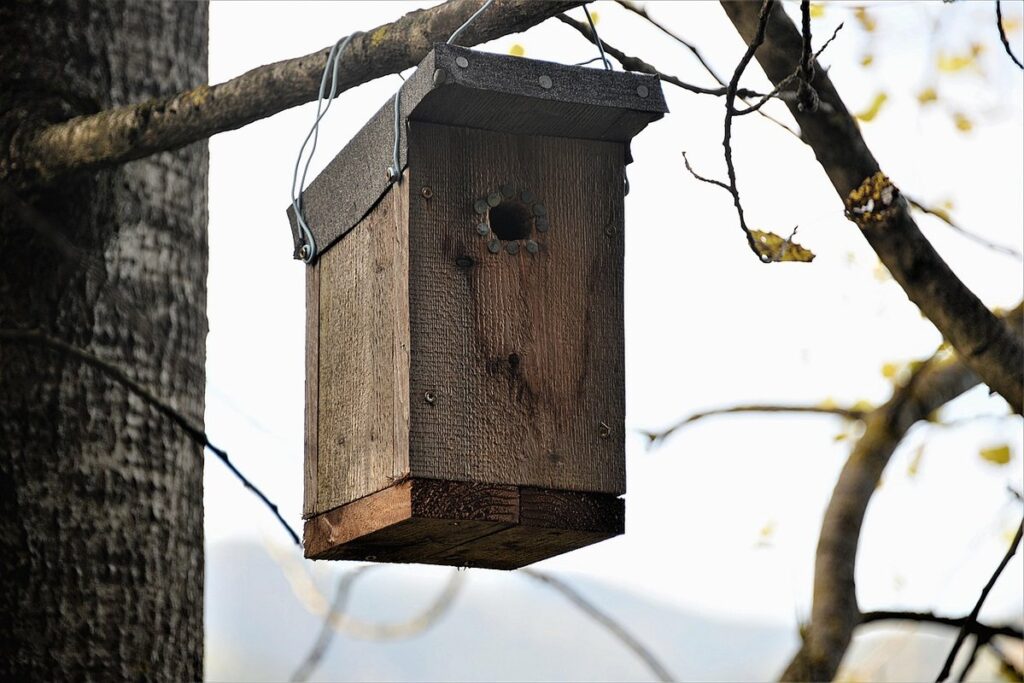
Introduction to Nesting Box Curtains
Welcome to this crucial part of our guide, where we’ll delve into the world of nesting box curtains and explore their benefits for both birds and your home. Let’s get started!
Importance of Providing a Safe Environment for Wild Birds
Providing a safe environment for wild birds is essential for both bird conservation and property owners. By installing nesting boxes, you’re not only supporting local wildlife but also creating a unique feature that can attract visitors to your garden. For bird enthusiasts, witnessing the birth of young birds or observing their feeding habits can be a thrilling experience.
From an ecological standpoint, nesting boxes help conserve species populations by offering a secure haven for reproduction and raising offspring. This is particularly important for threatened or endangered bird species, as it increases their chances of survival. By providing nesting sites, you’re contributing to the preservation of these species’ genetic diversity.
Installing nesting boxes can also be beneficial for property owners. Not only do they add visual appeal to your garden, but they can also help control pest populations by attracting birds that feed on insects and other small invertebrates. This natural form of pest control reduces the need for pesticides and maintains a balanced ecosystem.
Common Challenges Faced by Birds in Finding Suitable Nesting Sites
When wild birds search for suitable nesting sites, they often face numerous challenges that can impact their chances of successfully raising a family. One of the most significant threats is predation by predators such as cats, foxes, and hawks, which are attracted to the noise and activity around nesting areas. To mitigate this risk, birds may opt for nesting sites with dense vegetation or proximity to water sources, where predators are less likely to venture.
However, even these measures may not be enough, especially in harsh weather conditions such as strong winds, heavy rainfall, or extreme temperatures. Birds must then find ways to adapt and seek shelter from the elements, which can be a difficult task when nesting sites are scarce or poorly protected. Human activities also pose a significant threat, including habitat destruction, urbanization, and the installation of invasive species that compete with native birds for resources.
Ultimately, providing birds with suitable nesting sites is crucial to their survival and reproductive success. By offering well-designed and strategically placed nesting boxes, we can help alleviate some of these challenges and create a safer environment for birds to thrive.
Types of Nesting Box Curtains and Their Features
When it comes to choosing the right nesting box curtains for your backyard, there are several types to consider, each with its own unique features. Let’s take a closer look at what they have to offer.
Different Materials Used in Making Nesting Box Curtains
When it comes to choosing the right nesting box curtains for your backyard birds, one of the most crucial decisions is selecting the material. Different materials offer various benefits and drawbacks, so it’s essential to understand their characteristics before making a choice.
Natural fibers like cotton, linen, or bamboo are popular options due to their breathability and eco-friendliness. These materials allow for excellent airflow, keeping birds cool in summer and warm in winter. However, they may not be as durable as other materials and can be prone to UV degradation over time. For instance, a study found that cotton nesting box curtains lost up to 30% of their opacity after just six months of exposure to sunlight.
Recycled materials, such as polyester or nylon blends, are another option for nesting box curtains. These materials are often cheaper than natural fibers and can be more durable. However, they may not provide the same level of breathability as natural fibers and can retain heat in warmer climates. A mesh option is also available, which allows for excellent airflow while keeping debris out.
Consider your local climate and the specific needs of your birds when selecting a material. If you live in an area with high temperatures or humidity, a breathable mesh option might be the best choice. For colder regions, natural fibers like wool or fleece could provide extra warmth. Ultimately, it’s crucial to weigh the pros and cons of each material before making an informed decision for your nesting box curtains.
Designs and Shapes of Nesting Box Curtains for Optimal Bird Use
When it comes to choosing nesting box curtains, the design and shape play a crucial role in attracting various bird species. Different birds have unique preferences when it comes to entrance sizes, shapes, and visibility. For instance, round nesting box curtains with a 3-4 inch diameter are ideal for bluebirds, swallows, and robins, as they can easily squeeze through the opening.
On the other hand, rectangular or hexagonal-shaped curtains are more suitable for larger birds such as woodpeckers, owls, and ducks. These shapes provide a wider entrance, making it easier for them to access the nesting box. When choosing a shape, consider the species of bird you’re trying to attract and their specific needs.
To ensure optimal use by various bird species, you can also consider curtains with adjustable entrances or movable flaps. This flexibility allows birds to adjust the size of the opening according to their preference, increasing the likelihood of attracting a wider range of species to your nesting box.
Benefits of Using Nesting Box Curtains
Nesting box curtains can greatly enhance your backyard experience, so let’s dive into the benefits they provide for both you and your feathered friends.
Enhanced Bird Safety and Protection from Predators
One of the most significant advantages of using nesting box curtains is the enhanced bird safety and protection they provide against predators. When birds are nesting, they are vulnerable to attacks from hungry animals like raccoons, snakes, and cats. Nesting box curtains act as a barrier between the birds and these predators, giving them a secure space to raise their young without the constant threat of danger.
In addition to protecting against predators, nesting box curtains also shield birds from harsh weather conditions. Extreme temperatures, strong winds, and heavy rainfall can all take a toll on bird nests, making it difficult for parents to care for their chicks. By providing a cozy and sheltered environment within the nesting box, curtains help maintain a stable temperature and humidity level, ensuring that the eggs incubate properly.
To maximize the effectiveness of your nesting box curtains, consider choosing materials that are durable, breathable, and easy to clean. Some options include mesh panels or screen windows that allow for airflow while keeping predators out.
Reduced Stress Levels for Birds during Breeding Season
When birds are preparing for breeding season, their natural instinct is to create a safe and secure nest. However, this process can be stressful, especially if they feel vulnerable to predators or harsh environmental conditions. This is where nesting box curtains come into play – by providing a sense of protection and security, these curtains can significantly reduce stress levels in birds during breeding season.
One way to understand the calming effect of nesting box curtains is to consider the bird’s natural behavior. In the wild, birds often choose nesting sites with dense vegetation or other features that provide concealment from predators. By installing nesting box curtains, you’re essentially recreating this environment in your garden. The curtains create a sense of seclusion and calmness, allowing birds to focus on their breeding activities without feeling anxious about potential threats.
To maximize the benefits of nesting box curtains for stress reduction, choose materials that are durable and easy to clean. Consider installing curtains with mesh panels or other ventilation features to ensure good airflow within the nesting box. By creating a more comfortable environment for your feathered friends, you can promote healthier breeding habits and reduce stress levels in birds during this critical period.
Installation and Maintenance of Nesting Box Curtains
Before you start using your nesting box curtains, it’s essential to understand how to properly install them to ensure optimal performance. This includes understanding the best mounting methods and materials for a secure fit.
Step-by-Step Guide to Installing Nesting Box Curtains
Installing nesting box curtains is a straightforward process that requires attention to detail. Begin by selecting a suitable mounting option for your nesting boxes, such as screws, nails, or adhesive strips. Make sure the chosen method can support the weight of the curtain and any additional features like hooks or clips.
Next, secure the curtain to the nesting box using the provided hardware or installation kit. Ensure that the curtain is evenly spaced and not too tight, allowing for easy access to the nesting box and sufficient airflow. You can use screws or nails to attach the curtain to the nesting box’s frame or use adhesive strips for a more discreet look.
To ensure correct placement, position the curtain so it covers the nesting box’s entrance while leaving enough space for birds to fly in and out comfortably. The curtain should also be positioned at an angle to prevent water from accumulating on the surface. Consider adding a slight overhang to protect the nesting box from harsh weather conditions.
Tips for Regular Cleaning and Maintenance of Nesting Box Curtains
To ensure your nesting box curtains remain functional and effective, regular cleaning and maintenance are essential. Start by inspecting the curtains every 1-2 weeks for signs of dirt, debris, or damage. Check for worn-out spots, torn fabric, or loose threads that can compromise the curtain’s integrity.
Develop a cleaning schedule to maintain hygiene and prevent pest infestations. For minor messes, spot clean stains with mild soap and water. For more thorough cleaning, gently wash the curtains in cold water using a soft-bristled brush to scrub away stubborn dirt. Avoid bleach or harsh chemicals that can damage the fabric.
Don’t forget to regularly check the curtain’s fasteners and hooks for tightness and rust. Replace any worn-out parts to maintain smooth operation. Store unused curtains or replacement parts safely to prevent moisture accumulation and pest infestations. By following these simple steps, you’ll ensure your nesting box curtains remain in top condition, providing a clean and safe environment for your birds.
Conclusion: Why Every Homeowner Should Consider Installing Nesting Box Curtains
Now that you’ve learned about the benefits of nesting box curtains, it’s time to wrap up with some final thoughts on why every homeowner should consider installing them in their home.
Recap of Key Benefits and Advantages
So you’ve learned all about the wonders of nesting box curtains and how they can benefit both birds and homeowners. Now it’s time to recap the key benefits and advantages of making this simple yet impactful change.
First and foremost, nesting box curtains provide a safe haven for birds during extreme weather conditions. By installing these specialized curtains on your windows or doors, you’re giving our feathered friends a cozy retreat from scorching heat waves or freezing cold snaps. This is especially crucial in urban areas where natural habitats are scarce.
But the benefits don’t stop there! Nesting box curtains also offer protection for birds from predators like cats and hawks that might be lurking nearby. By creating a barrier between your home’s interior and the outside world, you’re giving birds a much-needed layer of defense against these threats. Plus, with nesting box curtains in place, you can enjoy watching birds up close without compromising their safety.
For homeowners, the advantages are numerous as well. For one, these specialized curtains can help reduce energy consumption by minimizing heat loss during winter and keeping your home cooler during summer months. This not only saves you money on utility bills but also reduces your carbon footprint.
Another significant benefit is that nesting box curtains can enhance the aesthetic appeal of your home’s exterior while promoting wildlife conservation. By installing these unique features, you’re not only creating a haven for birds but also making a statement about your commitment to sustainability and environmental stewardship.
By incorporating nesting box curtains into your home’s design, you’ll be supporting local bird populations and contributing to their well-being in a meaningful way. So why wait? Start exploring the world of nesting box curtains today and discover the joy of watching birds thrive in your own backyard!
Frequently Asked Questions
Can I install nesting box curtains anywhere in my garden?
Nesting box curtains can be installed almost anywhere, but it’s essential to choose a spot with partial shade, preferably near a tree or shrub for shelter and food sources. Consider the local bird species’ preferences when selecting the location.
What kind of materials should I use to clean nesting box curtains regularly?
When cleaning your nesting box curtains, use gentle soap and water, and avoid harsh chemicals that might harm birds or contaminate their surroundings. For tougher stains, mix equal parts white vinegar and water as a natural cleaning solution.
How often do I need to maintain and clean my nesting box curtains?
Regular maintenance is crucial for optimal performance and bird health. Clean your nesting box curtains at least twice a year, or more frequently if you notice excessive debris accumulation. Inspect the curtains regularly for signs of damage or wear.
What types of birds can benefit from nesting box curtains with specific designs and features?
Different bird species have unique preferences when it comes to nesting boxes. For example, bluebirds prefer open-fronted boxes, while robins and sparrows like enclosed boxes with a roof. Research the local bird population’s needs to choose the most suitable design.
Can I install multiple nesting box curtains in a single location?
Yes, installing multiple nesting box curtains can attract more birds and enhance biodiversity. However, ensure there is sufficient space between each curtain (about 3-4 feet) to prevent overcrowding and promote healthy bird behavior.