
If you’re like many of us who take pride in our backyard chickens, you know that collecting fresh eggs from your coop can be one of life’s greatest joys. But once you’ve gathered those precious eggs, it’s essential to store them safely and keep them fresh for longer. After all, nothing beats the taste of a farm-fresh egg straight from your own yard! However, improper storage can lead to spoiled or broken eggs – a waste that’s not only frustrating but also unhealthy.
In this comprehensive guide, we’ll explore the world of egg cartons specifically designed for backyard eggs. We’ll delve into various types of cartons, share expert cleaning tips to ensure your eggs stay clean and germ-free, and showcase innovative storage solutions to keep your harvest fresh for weeks to come. By the end of this article, you’ll be equipped with the knowledge to store your backyard eggs like a pro, minimizing waste and maximizing flavor!
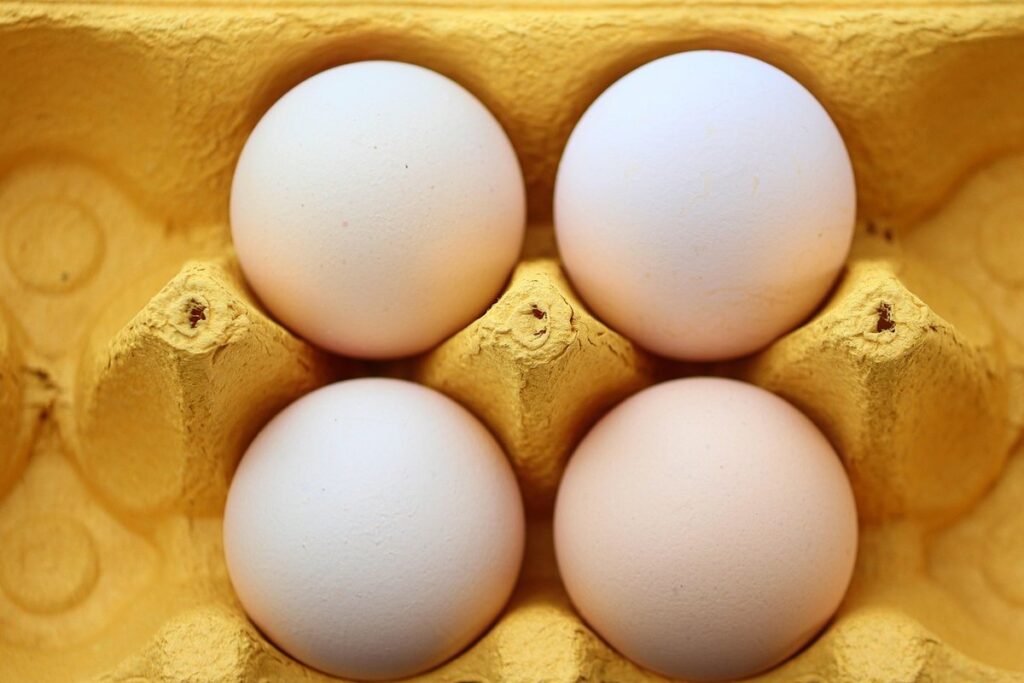
Choosing the Right Egg Carton
When it comes to storing your fresh eggs from home, selecting the right egg carton can make a big difference in keeping them clean and secure. Here’s what you need to consider.
Factors to Consider When Selecting an Egg Carton
When selecting an egg carton for your backyard eggs, there are several factors to consider. First and foremost, think about the material of the carton. Are you looking for something eco-friendly and biodegradable, such as paper or cardboard? Or do you prefer a more durable option like plastic or foam?
Consider the size of the carton as well – will it fit in your refrigerator or freezer, or will you be storing them elsewhere? A smaller carton may be sufficient if you’re only collecting eggs from a few chickens, but a larger one might be necessary for bigger flocks.
Durability is also crucial – how often do you plan on using the carton and how many eggs will it need to hold? You’ll want something that can withstand repeated use and cleaning. Additionally, think about the features you need – does your carton require ventilation or dividers to keep eggs separate?
Ultimately, choose a carton that fits your specific needs and preferences. With so many options available, take some time to research and compare different types of egg cartons before making a decision.
Types of Egg Cartons: Plastic, Paper, and Reusable
When it comes to storing eggs from your backyard flock, choosing the right egg carton is crucial. One of the most important decisions you’ll make is selecting a type of carton that suits your needs. There are three main types of egg cartons: plastic, paper, and reusable.
Plastic egg cartons are the most common type and offer great protection against breakage. They’re also relatively inexpensive and come in various sizes. However, they’re not eco-friendly and can become brittle over time, which can lead to cracks. On the other hand, paper egg cartons are a more sustainable option but may not provide enough cushioning for fragile eggs.
Reusable egg cartons, made of plastic or silicone, are another popular choice. They’re designed for long-term use and can be cleaned and reused multiple times. They often come with dividers that prevent eggs from moving around and getting damaged. Reusable cartons are a great investment if you plan to store eggs regularly.
When selecting a type of egg carton, consider your lifestyle and needs. If you prioritize convenience and affordability, plastic might be the way to go. However, if you’re environmentally conscious or want a long-term solution, reusable or paper cartons could be a better fit.
Cleaning and Preparing the Carton
Before storing your freshly gathered eggs, it’s essential to clean and prepare the carton to prevent contamination and keep them fresh. We’ll walk you through a simple process for doing just that.
Sanitizing the Carton to Prevent Bacterial Growth
Sanitizing the carton before storing eggs is crucial to prevent bacterial growth. Bacteria can multiply rapidly on surfaces, especially when exposed to moisture and warmth. This is particularly important for backyard egg producers who may not have access to commercial-grade cleaning facilities.
To sanitize the carton, start by washing it with soap and warm water. A mild dish soap is sufficient, but be sure to rinse thoroughly to remove any residue. For a deeper clean, mix 1 part bleach with 10 parts water in a spray bottle. Spray the solution onto the carton, paying attention to any crevices or areas where eggs will come into contact. Let it sit for 5-7 minutes before rinsing and drying.
An alternative to bleach is white vinegar. Mix equal parts water and vinegar in a spray bottle and follow the same instructions as above. This method is gentler on surfaces but still effective at killing bacteria. Regardless of the cleaning solution used, make sure to rinse the carton thoroughly with clean water to remove any chemical residue. A sanitized carton will help keep your eggs fresh for longer and reduce the risk of contamination.
Tips for Storing Eggs in the Carton
When storing eggs in the carton, it’s essential to do so safely and correctly to prevent damage and contamination. First, let’s talk about arrangement. Place the eggs in the carton with the pointed end facing down and the blunt end facing up. This orientation helps prevent cracking and makes it easier to see any visible cracks.
To keep your eggs cool, make sure the carton is stored in a refrigerator set at 40°F (4°C) or below. You can also consider placing the carton on the middle or bottom shelf of the fridge to maintain a consistent temperature. Aim to store the carton within 2-3 days of collection for optimal freshness.
Another crucial step is to prevent cracking during storage. To do this, gently place each egg in its designated spot and avoid jostling or bumping the carton. You can also wrap individual eggs in paper towels if you’re concerned about breakage. By following these simple tips, you’ll be able to store your backyard eggs safely and enjoy them for a longer period.
Maintaining Egg Quality and Freshness
To ensure your backyard eggs stay fresh for weeks, you’ll want to learn how to maintain their quality by storing them properly. This crucial step will keep your eggs safe to eat and delicious for longer.
Understanding Egg Storage Limits and Shelf Life
When it comes to storing eggs from your backyard flock, understanding the egg storage limits and shelf life is crucial to maintaining their quality and safety. You may be surprised to know that eggs can last for several weeks when stored properly.
At room temperature, eggs are best consumed within 7-10 days of laying. However, if you need to store them at room temperature for a longer period, make sure they’re kept in the original carton with the pointed end down and away from direct sunlight. It’s essential to check on them daily to ensure they remain clean and dry.
In the refrigerator, eggs can be stored for up to 5 weeks. Store them in their original carton or a covered container on the middle or bottom shelf of your fridge to maintain consistent humidity levels. For longer storage periods, consider freezing eggs. You can either beat the eggs and freeze them in airtight containers or freeze them whole by submerging them in cold water.
Remember to always check for any visible signs of spoilage before consuming your stored eggs.
Common Mistakes to Avoid When Storing Eggs
When storing eggs from your backyard flock, it’s easy to make mistakes that can compromise their quality and freshness. One of the most common errors is improper handling. This includes washing or cleaning the eggs before storage, which removes the natural protective coating on the shell. This can lead to moisture entering the egg and promoting bacterial growth.
Another mistake is inadequate ventilation in the storage area. Eggs need airflow to maintain a stable internal temperature, which helps prevent moisture buildup and keeps bacteria at bay. If your storage carton or container doesn’t have adequate holes for ventilation, consider drilling some or using mesh to allow air to circulate.
Temperature control is also crucial when storing eggs. A consistent refrigerator temperature between 40°F and 45°F (4°C and 7°C) is ideal. Avoid storing eggs near the freezer or in areas with high humidity or direct sunlight. When transporting eggs from the coop to storage, keep them away from extreme temperatures and avoid exposing them to jolts or bumps that can crack the shells.
Remember, a few simple precautions can make all the difference in maintaining the quality and freshness of your backyard eggs. By being mindful of these common mistakes, you can enjoy a steady supply of fresh eggs right from your own yard.
Reusable Egg Cartons: Are They Worth It?
If you’re considering switching to reusable egg cartons, let’s dive into the pros and cons of making this change in your backyard egg storage routine.
Pros and Cons of Reusable Egg Cartons
When considering reusable egg cartons for storing your backyard eggs, it’s essential to weigh their pros and cons. On one hand, these cartons are incredibly cost-effective in the long run. A single reusable carton can be used multiple times, eliminating the need for frequent replacements and reducing waste. This not only saves you money but also lessens the environmental impact of disposable egg cartons.
Another significant advantage is the durability of reusable cartons. Made from high-quality materials, they withstand repeated washing and use, ensuring your eggs remain safely stored. In contrast, disposable cartons often become brittle or develop holes after a few uses, compromising the integrity of the packaging.
However, it’s worth noting that the initial investment in a reusable egg carton can be higher than purchasing a set of disposable ones. Furthermore, some users might find them more difficult to clean and sanitize than their disposable counterparts. Nevertheless, for those willing to make an upfront investment, reusable egg cartons offer a sustainable solution for storing eggs while reducing waste and saving money over time.
How to Clean and Maintain Reusable Egg Cartons
Cleaning and maintaining your reusable egg cartons is crucial to ensure they remain hygienic and functional for future use. To start, wash the carton with soap and warm water after each use. For tougher stains, mix baking soda and water to create a paste, apply it to the stain, and let it sit for 30 minutes before rinsing thoroughly.
To sanitize your egg cartons, submerge them in a solution of 1 tablespoon of unscented bleach per gallon of water for 10-15 minutes. Rinse well with clean water, and let them air dry. Regular cleaning will prevent the buildup of bacteria and odors.
It’s also essential to inspect your cartons regularly for any signs of wear or damage. Check for cracks, holes, or loose edges that could compromise the integrity of the carton. Replace any damaged cartons to avoid cross-contamination and ensure the safety of your eggs.
By following these simple steps, you can keep your reusable egg cartons in great condition, extending their lifespan and making them a worthwhile investment for your backyard egg storage needs. Remember to store them in a dry place when not in use to prevent moisture buildup and maintain their longevity.
Storage Solutions for Backyard Eggs
As you’ve collected eggs from your backyard hens, it’s essential to store them safely and keep them fresh until they’re ready for use in the kitchen. This section will explore effective storage solutions for your backyard eggs.
Indoor and Outdoor Storage Options for Backyard Eggs
When it comes to storing backyard eggs, you’ll want to consider both indoor and outdoor options. Indoor storage is ideal for protecting eggs from extreme temperatures, humidity, and pests. You can use a designated egg carton or a plastic bin with dividers to keep eggs organized and clean.
For example, if you’re planning to store your eggs in the garage or laundry room, make sure it’s dry and cool. Avoid storing eggs near direct sunlight or heating vents. Some popular indoor storage options include:
* Cartons specifically designed for backyard eggs
* Plastic bins with dividers
* Small containers like glass jars or mason jars
Outdoor storage is a great option if you have limited space indoors or want to keep your eggs close to the coop. However, be mindful of pests and extreme weather conditions. Consider using rodent-proof containers or nesting boxes with built-in ventilation.
When choosing an outdoor storage solution, look for materials that are durable and easy to clean. You can also use a large plastic bin or a wooden crate with a secure lid. Remember to keep your outdoor storage area dry and sheltered from the elements. Regularly check on your stored eggs to ensure they remain fresh and safe to eat.
Tips for Labeling and Organizing Egg Cartons
When it comes to storing eggs from your backyard flock, labeling and organizing egg cartons is essential for keeping track of which eggs are fresh or nearing expiration. Start by assigning a unique label to each carton, such as the date it was filled, the name of the hen that laid the eggs, or any specific characteristics like size or color.
Consider using a color-coding system where you designate certain colors for different days of the week or months, making it easy to identify older eggs. You can also use stickers or markers to label individual cartons or even eggs within a carton, ensuring that no egg goes unaccounted for.
To take organization to the next level, implement a “first in, first out” policy by placing new cartons at the front and oldest ones towards the back of your storage area. This way, you’ll ensure that fresh eggs are used before they expire. By labeling and organizing your egg cartons efficiently, you’ll save time and reduce food waste while enjoying fresh, homegrown eggs throughout the year.
Common FAQs About Egg Storage
Let’s get right to it – we’ve compiled some of the most frequently asked questions about storing your backyard eggs safely and effectively. Keep reading for answers!
Frequently Asked Questions About Egg Storage
When it comes to storing eggs from your backyard flock, you’re likely to have some questions about the best practices for keeping them fresh and safe. Let’s address a few frequently asked questions that can help give you peace of mind.
Can I store eggs in a paper bag? While it might seem like a convenient option, storing eggs in a paper bag is not recommended. Moisture can seep into the bag, causing the eggs to become contaminated with bacteria. Instead, use a sturdy carton specifically designed for egg storage. These cartons have built-in ventilation and are easy to clean.
How often should I check on stored eggs? It’s essential to regularly inspect your stored eggs for any signs of spoilage or contamination. Check on them every week or two to ensure they’re still fresh and safe to eat. Look for cracks, unusual odors, or slime on the shells – if you notice any of these signs, it’s best to discard the egg.
Remember, proper egg storage is crucial for maintaining the quality and safety of your backyard eggs. By following some simple guidelines, you can keep your eggs fresh for a longer period.
Conclusion and Final Tips for Safe Egg Storage
In conclusion, safe egg storage is crucial to maintaining the quality and freshness of your backyard eggs. To recap, we’ve discussed the importance of storing eggs in a cool, dry place, away from direct sunlight and heat sources. We’ve also covered the optimal temperature range for egg storage (around 50°F to 70°F), as well as the significance of humidity control.
When it comes to storing your eggs, make sure to keep them pointed end down to prevent moisture from seeping in through the larger end. You can also label and date each carton to ensure you use the oldest eggs first.
To take your egg storage game to the next level, consider investing in an egg carton specifically designed for backyard eggs. These cartons usually have built-in ventilation systems that help regulate humidity and keep eggs fresh for longer. Additionally, always check on your eggs regularly to ensure they’re not developing off-odors or visible signs of spoilage. By following these simple tips, you’ll be able to enjoy the freshest, highest-quality eggs from your backyard chickens for months to come.
Frequently Asked Questions
Can I reuse egg cartons multiple times?
While some reusable egg cartons are designed for long-term use, it’s essential to follow proper cleaning and sanitizing procedures to prevent bacterial growth. Typically, you can reuse a high-quality reusable carton 10-20 times before needing replacement.
How often should I rotate my stored eggs in the carton?
To maintain egg quality and freshness, it’s recommended to store new eggs at the bottom of the carton and rotate them weekly. This ensures that older eggs are consumed first, reducing waste and minimizing the risk of spoilage.
What if I don’t have a designated storage area for my egg cartons?
If you don’t have a specific storage space for your egg cartons, consider investing in airtight containers or bins with labels to keep them organized. This will help prevent moisture accumulation and maintain a clean environment for storing your eggs.
Can I store eggs in the refrigerator without using an egg carton?
While it’s technically possible to store eggs directly on a refrigerator shelf, using an egg carton provides additional protection against breakage and contamination. Cartons also make it easier to keep track of the number of eggs you have on hand.
How do I know when an egg has gone bad, even if it’s stored properly?
A simple way to check for spoilage is to submerge the egg in water. If it sinks to the bottom and lies flat, it’s still good. If it stands on its end or floats, it may be spoiled or close to expiration.