
If you’re a chicken keeper, you’re probably always on the lookout for ways to keep your girls healthy and happy. One ingredient that has gained popularity in recent years is garlic – but is it good for your flock? On one hand, adding garlic to their diet can have some amazing benefits. It’s said to boost their immune system, giving them a stronger defense against diseases, and even improve the flavor of their eggs. But on the other hand, there are potential downsides to consider.
This article will delve into both the pros and cons of feeding garlic to your chickens, exploring its impact on health, egg production, and even reproduction. We’ll also examine any potential risks or drawbacks, so you can make an informed decision about whether garlic is right for your flock. By the end of this post, you’ll have a clear understanding of how garlic fits into their diet – and be able to decide if it’s worth trying out.
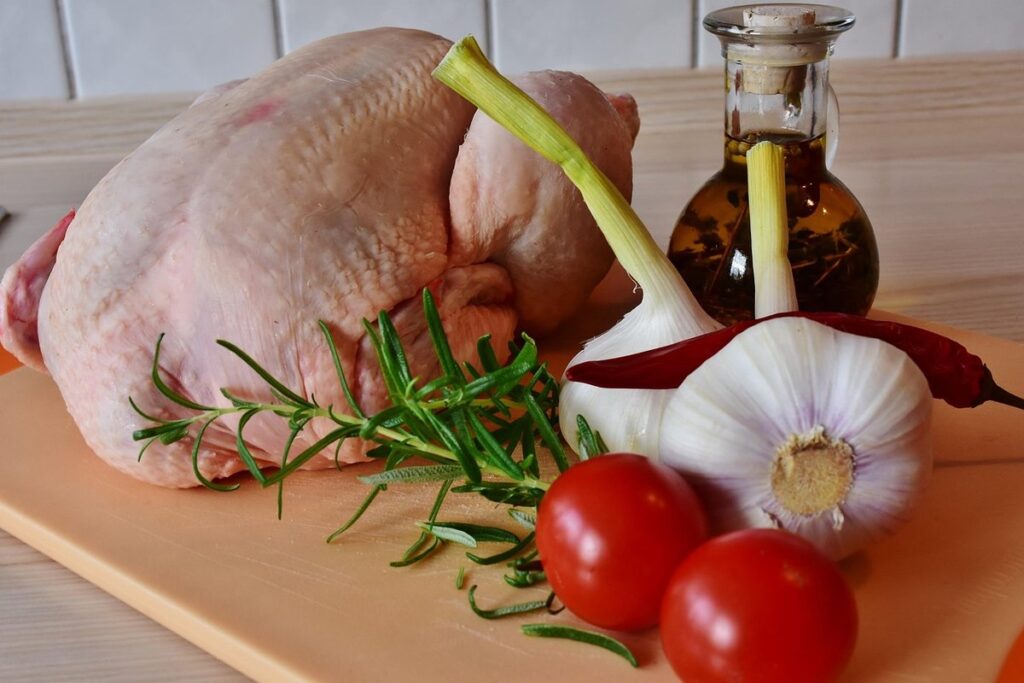
Why Feed Garlic to Your Backyard Chickens?
If you’re thinking of giving garlic a try for your flock, this is where we’ll break down the benefits and potential drawbacks of adding it to their diet. Let’s dive into why some chicken owners swear by garlic!
Improving Chicken Health through Antimicrobial Properties
Garlic’s antimicrobial properties can be a game-changer for backyard chicken owners. When it comes to keeping our feathered friends healthy, a strong immune system is key. And that’s where garlic comes in – by incorporating it into their diet, you’re giving their bodies an extra boost to fight off infections and diseases.
The way it works is simple: garlic contains compounds like allicin and allyl sulfide, which have been shown to exhibit potent antimicrobial effects. These properties help to suppress the growth of bacteria, viruses, and fungi, making it harder for diseases to take hold in the first place. This can be especially beneficial during times of stress or when introducing new birds to the flock.
By feeding garlic to your chickens regularly, you’ll be reducing their susceptibility to common poultry diseases like E. coli, Salmonella, and coccidiosis. And as an added bonus, a healthy immune system means fewer vet visits and less antibiotics in your flock’s food – a win-win for both you and your birds!
Enhancing Flavor and Aroma in Eggs
When you feed garlic to your backyard chickens, one of the most exciting benefits is the impact it has on the flavor and aroma of their eggs. As a result of consuming garlic, hens produce eggs with a more complex flavor profile that’s sure to delight cooks and chefs alike.
The science behind this phenomenon lies in the way garlic interacts with the hen’s digestive system. Garlic contains sulfur compounds that are released as volatile oils when cooked or heated. These oils have a profound effect on the egg yolks, imbuing them with a rich, savory flavor.
To achieve eggs with enhanced flavor and aroma, make sure to introduce garlic into your hens’ diet gradually. Start by adding small amounts of crushed or minced garlic to their feed or providing fresh garlic cloves as treats. This will allow your chickens to become accustomed to the new addition without experiencing digestive upset.
As a general rule of thumb, aim to provide 1-2 cloves of garlic per chicken per day. Experiment with different garlic varieties and see which one produces the most desirable flavor in your eggs.
Potential Risks Associated with Garlic Consumption in Chickens
While garlic is a popular additive for chickens, there are potential risks to consider when incorporating it into their diet. This section will explore some of these concerns in more detail.
Impact on Digestive System and Fowl Odor
Consuming garlic can potentially cause gastrointestinal issues in chickens, including digestive discomfort and fowl odor. Garlic contains sulfur compounds that, when ingested by birds, can lead to the production of hydrogen sulfide gas, resulting in unpleasant odors. These odors are often associated with a strong, pungent smell similar to rotten eggs or sewage.
Some chicken owners may notice their birds exhibiting symptoms such as diarrhea, abdominal distension, and reduced appetite after consuming garlic. In severe cases, the digestive system can become impaired, leading to malabsorption of nutrients and further exacerbating the condition.
To avoid gastrointestinal issues related to garlic consumption in chickens, it’s essential to maintain a balanced diet that includes a variety of nutrient-rich foods. Feed your flock a well-rounded mix of grains, fruits, and vegetables, and supplement with high-quality commercial feed if necessary. If you do choose to use garlic as a health aid or flavor enhancer, do so sparingly and monitor your birds’ behavior closely for any signs of adverse reaction.
Chickens are sensitive animals, and their digestive systems can be easily upset by certain substances, including garlic. By being mindful of the potential risks associated with garlic consumption and taking steps to mitigate them, you can help keep your flock healthy and thriving.
Risk of Toxicity at High Dosages
While garlic can be beneficial for chickens in moderation, feeding excessive amounts can lead to toxicity and adverse reactions. The key factor here is dosing – too much garlic can cause an overload of sulfur compounds, which can be detrimental to your flock’s health.
When garlic is consumed in high quantities, it can cause oxidative stress and damage to a chicken’s red blood cells, leading to hemolysis or the breakdown of these cells. This can result in symptoms such as jaundice, lethargy, and even death. It’s worth noting that some breeds are more susceptible to garlic toxicity than others.
To avoid this risk, it’s essential to follow proper dosing guidelines when using garlic supplements for your chickens. A general rule of thumb is to start with a small amount (about 1/4 teaspoon per gallon of water) and gradually increase the dose as needed, monitoring your flock’s response closely. Always prioritize caution and consult with a veterinarian or poultry expert if you’re unsure about the best approach for your specific flock.
Garlic’s Effect on Chicken Reproduction and Fertility
When it comes to garlic’s impact on your flock, one crucial aspect is its effect on chicken reproduction and fertility. This section explores whether garlic has any benefits or drawbacks in this area.
Positive Impact on Egg Laying and Broodiness
Research has shown that feeding garlic to egg-laying hens can have a positive impact on their reproductive health. One key area of improvement is in the frequency and quality of egg production. Studies have demonstrated that hens fed with garlic exhibit increased egg-laying rates, often surpassing those without garlic supplementation. This is attributed to garlic’s ability to stimulate blood flow and promote overall health.
Another notable effect of garlic consumption on hens is its influence on broodiness – the instinctual behavior where hens stop laying eggs and focus on raising their own chicks. Garlic has been found to reduce instances of broodiness, allowing hens to continue producing eggs at a steady rate. This reduction in broodiness enables breeders to better predict egg production levels.
To incorporate garlic into your flock’s diet, simply add minced or crushed garlic to their feed daily. A general guideline is to start with small amounts (about 1-2% of the hens’ total feed) and gradually increase as needed. Some farmers report even higher success rates when combining garlic with other natural fertility-enhancing elements, such as apple cider vinegar and probiotics.
Potential Negative Effects on Rooster Health
When it comes to garlic’s potential impact on rooster health, there are some concerns worth exploring. While garlic is often touted as a natural fertility booster for hens, its effects on roosters are less clear-cut. Research suggests that excessive garlic consumption may actually have negative consequences for male chickens.
One key area of concern is garlic’s potential to disrupt the delicate balance of testosterone in rooster bodies. Elevated levels of allicin, the active compound in garlic, can interfere with testosterone production and alter the reproductive cycle. This might result in reduced fertility or even impotence in males.
If you’re considering adding garlic to your flock’s diet, be aware that the dosage is crucial. While a small amount may have benefits for hens, it’s possible to overdo it on the male side. It’s essential to monitor rooster behavior and adjust garlic intake accordingly. A general rule of thumb is to limit garlic consumption to 1-2 cloves per week for males, as excessive amounts can lead to negative effects.
Keep in mind that these risks are still speculative and more research is needed to fully understand the relationship between garlic and rooster health. As always, consult with a veterinarian or experienced breeder before making any significant changes to your flock’s diet.
How to Safely Introduce Garlic into Your Chicken’s Diet
Adding garlic to your chicken’s diet can be a nutritious and flavorful move, but it’s crucial to do so gradually and in moderation to avoid digestive issues. We’ll walk you through a safe introduction process.
Gradual Introduction and Dosage Considerations
When introducing garlic into your chicken’s diet, it’s essential to do so gradually to avoid any adverse effects. Sudden exposure to high levels of garlic can cause digestive issues, such as diarrhea and gas, in chickens.
Start by mixing a small amount of minced garlic with their regular feed, about 1-2 cloves per pound of food. Monitor your chicken’s behavior and health closely during this initial phase. If you notice any signs of distress or discomfort, reduce the dosage immediately.
The general guideline for garlic supplementation is to start with a low dose (about 0.25% of their total diet) and gradually increase it as needed. For example, if you’re using 1 pound of feed per day, add 2-3 cloves of minced garlic to that amount. Be cautious not to exceed the recommended upper limit (around 0.5%) to prevent potential harm.
Keep in mind that some chickens may be more sensitive to garlic than others, so it’s crucial to tailor your approach based on individual needs and responses. As you observe their behavior and health, adjust the dosage accordingly to ensure a smooth transition into a garlic-rich diet.
Tips for Choosing the Right Type of Garlic
When it comes to introducing garlic into your chicken’s diet, choosing the right type is crucial. There are several varieties of garlic that are suitable for feeding chickens, each with its unique nutritional benefits.
Elephant garlic, for instance, is a popular choice due to its high sulfur content, which can help boost immune function in chickens. However, it has a stronger flavor than regular garlic and may not be ideal for all flock members.
On the other hand, soft-necked garlic is another popular option, known for its ease of storage and high nutritional value. It’s also relatively mild compared to other varieties, making it a great choice for beginners.
When selecting garlic for your chickens, look for organic or sustainably grown options to ensure you’re providing them with the best possible nutrition. You can use fresh or dried garlic, but be sure to consult with a veterinarian before introducing it into their diet to determine the optimal amount and frequency. Consider starting with small amounts (about 1-2 cloves per chicken) and gradually increasing as needed.
Monitoring and Adjusting Your Flock’s Garlic Consumption
Now that you’ve introduced garlic into your flock’s diet, it’s essential to keep a close eye on their consumption levels and adjust as needed to ensure optimal health benefits. Regular monitoring will help you achieve this balance.
Signs of Overconsumption or Allergic Reactions
If you notice that one or more chickens are displaying unusual behavior after consuming garlic, it’s essential to monitor their health closely. Some common signs of overconsumption or allergic reactions to garlic in chickens include lethargy, loss of appetite, and decreased water intake.
Watch for changes in droppings as well – if the droppings become dark green or black, this could be a sign that your chicken has overdosed on garlic. You may also notice excessive panting or labored breathing, which can indicate an allergic reaction.
If you suspect that one of your chickens is experiencing adverse effects from garlic consumption, reduce their access to it immediately and offer plenty of fresh water. Keep a close eye on the bird’s behavior and monitor its health for any signs of improvement.
In severe cases, consult with a veterinarian or poultry expert to ensure the chicken receives proper care. To avoid these issues altogether, consider starting your chickens on garlic gradually and monitoring their response closely. This can help you identify any potential problems before they escalate into more serious health concerns.
Making Data-Driven Decisions to Optimize Health Outcomes
When it comes to making informed decisions about garlic consumption for your flock, data-driven decision-making is crucial. By tracking key health indicators and analyzing the effects of garlic on your chickens’ overall well-being, you can make adjustments that optimize their health outcomes.
Start by monitoring egg production, feed intake, weight gain, and parasite load before introducing garlic into your flock’s diet. Keep accurate records to establish a baseline for comparison later on. Once garlic is integrated, continue tracking these metrics regularly. Look for any notable changes or improvements in these areas. For example, if you notice a significant increase in egg production, it could be attributed to the antimicrobial properties of garlic.
It’s also essential to consider the specific needs of your flock when deciding how much garlic to include. Factors such as age, breed, and health status can impact how well garlic is tolerated and utilized by individual birds. Consider consulting with a veterinarian or experienced poultry keeper for personalized guidance on incorporating garlic into your flock’s care routine.
By analyzing data collected from these observations, you’ll be able to identify what works best for your flock and make adjustments accordingly. This may involve tweaking the amount of garlic fed, exploring different methods of administration (e.g., garlic oil vs. crushed garlic), or even adjusting the timing of garlic introduction based on life stages or seasonal needs.
Additional Considerations for Large-Scale Commercial Operations
If you’re running a large-scale commercial operation, there are several factors to consider when incorporating garlic into your flock’s diet, including storage and waste management. These logistical concerns can make a big impact on your overall operation.
Scalability and Logistical Challenges
When it comes to large-scale commercial poultry operations, incorporating garlic into the diets of chickens can be a daunting task. Logistically, it’s one thing to add garlic to a small flock’s feed, but scaling up production and distribution to meet the demands of thousands of birds is an entirely different story.
Firstly, sourcing high-quality garlic in bulk quantities can be challenging. Farmers may need to establish relationships with multiple suppliers or even grow their own garlic on-site, which requires significant resources and infrastructure. Moreover, maintaining the potency and integrity of garlic during transportation and storage becomes a logistical nightmare. For example, garlic is highly susceptible to moisture damage, which can render it ineffective as an additive.
Another concern is ensuring that the garlic meets the specific requirements for large-scale commercial use. Farmers need to consider factors such as pesticide residue levels, mold content, and overall product consistency. To overcome these challenges, farmers might need to invest in specialized equipment or implement rigorous quality control measures. This could include testing and certification programs to guarantee the quality of their garlic supplements.
Regulatory Compliance and Labeling Requirements
When operating on a large scale, it’s essential to navigate regulatory compliance and labeling requirements for feeding garlic to chickens. This involves understanding local laws and regulations regarding the use of herbal supplements in poultry production.
Firstly, familiarize yourself with the USDA guidelines on feed additives and supplements. The USDA recommends checking the label for any claims or statements that may be considered misleading or unsubstantiated. This is crucial when marketing your products as “garlic-fed” or implying health benefits through garlic supplementation.
Next, ensure you’re adhering to labeling requirements set by regulatory bodies such as the FDA. Labels should include information on ingredient composition, nutritional content, and any potential allergens. Clearly state the amount of garlic used in the feed, as this may impact product pricing and marketing strategies.
To avoid confusion or potential legal issues, it’s recommended that you consult with a local attorney specializing in agricultural law to ensure compliance with specific regional regulations. By doing so, you’ll be able to navigate these complexities while maintaining the integrity of your operation.
Frequently Asked Questions
Can I give garlic to my chickens if they’re already on medication or supplements?
Yes, you can still give garlic to your chickens even if they’re already taking medications or supplements. However, it’s essential to consult with a veterinarian before introducing any new ingredients into their diet, especially if they have underlying health conditions.
How often should I feed garlic to my flock, and what’s the recommended dosage?
A general rule of thumb is to start with a small amount (about 1-2 cloves per bird per week) and gradually increase as needed. Monitor your chickens’ response and adjust the dosage accordingly. It’s also crucial to provide fresh water and a balanced diet to prevent any potential imbalances.
What type of garlic is best for my flock, and how do I store it properly?
Choose high-quality, organic garlic with minimal processing. Store the garlic in an airtight container, away from direct sunlight and moisture, to preserve its potency. You can also consider freezing or dehydrating garlic to make it easier to incorporate into your chickens’ diet.
Are there any specific health conditions that might be exacerbated by garlic consumption?
Yes, certain health conditions like kidney disease or bleeding disorders may require special consideration when introducing garlic into your flock’s diet. Consult with a veterinarian to determine the best approach for your individual birds and any underlying health concerns.
How can I ensure my chickens are getting enough vitamin D from their diet, especially during winter months?
Garlic can help support immune function, but it’s essential to provide a balanced diet rich in vitamins A, D, E, K, and B. Consider adding oyster shells or dark leafy greens like kale or spinach to supplement their calcium and vitamin D intake, especially during winter when natural sunlight is scarce.