
Are you thinking of expanding your backyard flock with a new rooster, but worried about disrupting the harmony among your existing birds? Introducing a new rooster to the mix can be a daunting task, especially if you’re not sure how to do it right. Choosing the wrong bird can lead to conflicts and stress for both the old and new members of your flock.
That’s why we’ve put together this expert guide on introducing a new rooster to your existing flock. In this article, we’ll walk you through the process of selecting a suitable rooster, integrating him into your flock without causing chaos, and resolving any conflicts that may arise. We’ll cover everything from understanding the pecking order to creating a peaceful coexistence among all members of your flock, so you can enjoy watching your birds thrive together in harmony.
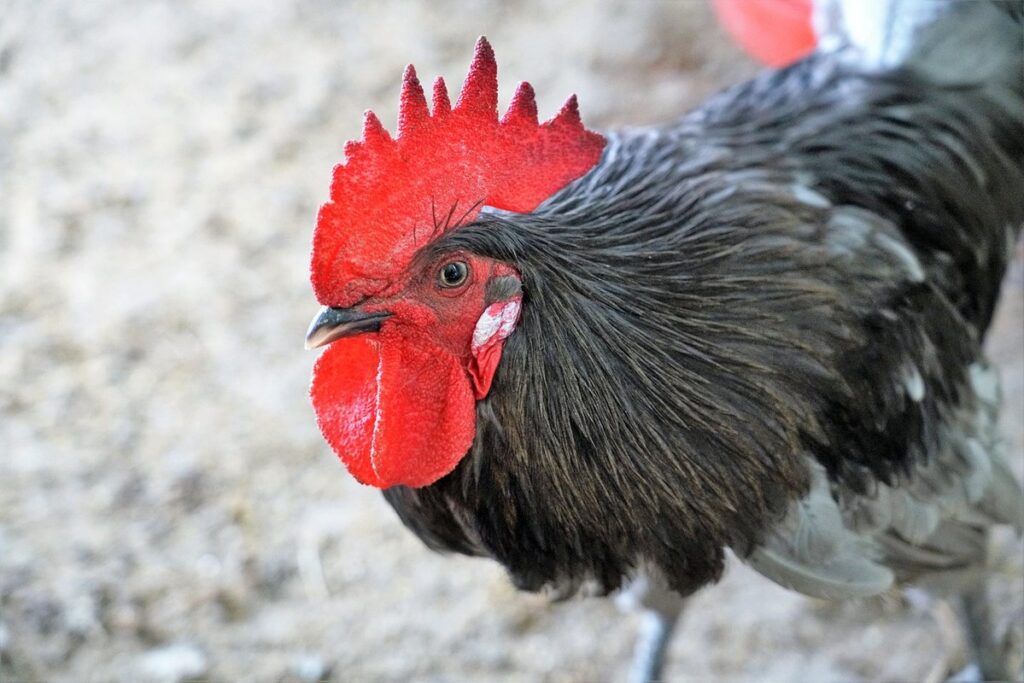
Understanding Rooster Dynamics
When introducing a new rooster to your flock, understanding their social dynamics is crucial for a harmonious and stress-free coop environment. Let’s dive into the complexities of rooster behavior and how it affects your flock.
The Importance of Rooster Selection
When adding a new rooster to your flock, selecting the right one is crucial for maintaining harmony and stability. Temperament is a top consideration – you want a rooster that’s calm, gentle, and won’t attack or harass your hens.
Breed characteristics are also essential to consider. Some breeds are naturally more aggressive or dominant than others. For example, some game bird breeds can be quite feisty, while heritage breeds like Silkies tend to be much more docile. Research the breed’s temperament and known traits before making a decision.
Another critical factor is compatibility with your existing hens. If you have older, established birds, introducing a new rooster can be challenging. It’s essential to choose a rooster that will get along with them. Look for breeds that are known for being easy-going and adaptable.
When selecting a rooster, look for one that has a calm demeanor in the presence of hens. Watch how he interacts with other birds – does he chase or harass them? Pay attention to his size and build as well; smaller roosters can be more suitable for smaller flocks.
Assessing Current Rooster Behavior
When introducing a new rooster to your flock, it’s essential to assess the current behavior of your birds around roosters. Observe how they interact with each other and respond to different situations. For example, if you have a flock that’s generally calm and laid-back, but becomes aggressive when a rooster is present, this could be a sign that they’re not ready for another dominant bird.
Pay attention to body language as well – do the hens seem fearful or submissive around roosters? Do they avoid them altogether? On the other hand, if your flock appears to have an established pecking order with the current rooster, introducing a new one could lead to conflict and stress for all involved. Take note of any existing dominance hierarchies and how your current rooster interacts with the hens.
Consider factors such as age, breed, and personality when assessing your flock’s behavior around roosters. For instance, younger birds may be more energetic and prone to fighting, while older birds may be more laid-back but still assert their dominance in subtle ways. By understanding these dynamics, you can make an informed decision about whether introducing a new rooster is the right choice for your flock.
Avoiding Aggression in the Flock
When introducing a new rooster to an existing flock, it’s essential to be aware of potential aggression issues. One key strategy for reducing aggression is to introduce the new bird gradually and under controlled circumstances. This can involve keeping the birds separated at first, allowing them to become familiar with each other’s scents and sounds without the risk of a face-to-face encounter.
Watch out for signs that may indicate aggression or stress in your flock, such as loud crowing, strutting, or direct confrontations between birds. If you notice any of these behaviors, intervene promptly by separating the birds or removing the new rooster temporarily.
A good rule of thumb is to introduce the new bird at a time when the existing flock is relaxed and calm. This might be early in the morning or late in the afternoon when they’re not competing for resources like food or attention. By introducing the new rooster slowly and carefully, you can minimize the risk of aggression and ensure a harmonious integration into your flock.
Remember, every flock is unique, so it’s crucial to observe your birds’ behavior and adjust your approach accordingly. With patience, persistence, and a gentle introduction process, you can reduce aggression and create a peaceful coexistence among your roosters.
Preparing Your Flock for the New Arrival
Before bringing home a new rooster, it’s essential to prepare your existing flock to ensure a smooth transition and prevent any potential conflicts. This section will walk you through the necessary steps to make your birds’ integration seamless.
Integrating the Rooster into the Coop
When introducing a new rooster to your existing coop, it’s essential to do so gradually and under close supervision. Start by keeping the new rooster in a separate enclosure or run for a few days to allow him to get accustomed to his surroundings. This will also give you an opportunity to observe his behavior, temperament, and any potential health issues.
Once he appears comfortable, begin introducing him to the existing flock through a secure gate or door, allowing them to sniff and become familiar with each other’s presence without direct contact. Monitor their behavior closely for signs of aggression or stress, such as feather plucking, screaming, or aggressive posturing.
Adjust feeding and watering systems accordingly, ensuring the new rooster has access to separate feeding and drinking areas to prevent competition and potential conflict. Consider increasing food and water availability during this transition period to reduce stress and promote a harmonious integration process. By following these steps carefully, you’ll be able to minimize disruptions and create a peaceful coexistence among your flock members.
Creating a Safe Environment
Creating a safe environment for both the new rooster and existing flock is crucial to avoid injury or stress during introduction. Initially, separate the birds to prevent immediate interaction and potential aggression. This separation can be done by placing the new rooster in a quarantine area, such as a separate pen or enclosure, until he’s familiar with his surroundings.
When introducing them to each other, do it gradually under close supervision. Start by allowing them to see and smell each other through a barrier, like a fence or screen, before releasing them together. This gradual introduction reduces the likelihood of territorial disputes and stress-related behaviors like feather pecking.
Another essential aspect is providing extra space for the flock during this transition period. A spacious coop with adequate perches, nesting boxes, and roosting bars can help alleviate overcrowding and prevent competition for resources. Ensure there’s enough room for all birds to move freely without feeling cramped or threatened.
Health Checks for New Roosters
When introducing a new rooster to your flock, it’s crucial to prioritize their health and well-being. This includes reviewing their vaccination records before integrating them into your existing flock. Ensure the new rooster is up-to-date on all necessary vaccinations to prevent the spread of diseases.
Parasite control is another vital aspect of maintaining a healthy flock. Check for internal parasites such as coccidiosis, histomoniasis, and blackhead disease by analyzing stool samples or performing rectal swabs. External parasite control involves inspecting for lice, mites, and fleas on the rooster’s feathers, comb, and legs.
Before bringing your new rooster home, consult with a veterinarian to discuss their specific health needs. They can provide advice tailored to your region, climate, and flock dynamics. This consultation will also help you identify any potential health risks associated with introducing the new rooster.
When handling your new rooster, always wear gloves to prevent transferring bacteria from the new bird to your existing flock.
Managing Dominance Hierarchy
When introducing a new rooster, establishing a dominance hierarchy is crucial; this section will walk you through strategies for peaceful integration and conflict resolution.
Recognizing Signs of Dominance
Recognizing signs of dominance in a new rooster can be challenging, especially if you’re not familiar with their behavior. A dominant rooster will assert himself over the rest of the flock, often through aggressive displays and posturing. Look for signs such as crowing loudly to intimidate others, chasing or pecking at other birds, or even attacking them.
Dominant roosters may also exhibit more relaxed behavior around those they perceive as submissive, such as allowing them to eat first or standing near their feeding troughs. However, this doesn’t necessarily mean they’re friendly; it’s just a sign of their dominance.
To prevent aggression from the new rooster, introduce him slowly and under close supervision. Ensure he has plenty of space and resources, and that existing birds have a safe place to escape if needed. Monitor his behavior closely and intervene promptly if you notice any signs of aggression.
If you do encounter aggressive behavior, try separating the new rooster from the rest of the flock for a few days or even weeks to give him time to adjust. Provide plenty of enrichment activities and toys to keep him occupied, reducing stress and the likelihood of outbursts.
Strategies for Reducing Conflict
When introducing a new rooster to an existing flock, it’s not uncommon for conflicts to arise. To minimize these tensions and prevent harm to both birds and humans, it’s essential to employ some strategic measures. Separating the new rooster from the rest of the flock for a period can help reduce stress and allow him to adjust to his new surroundings.
This separation phase should last around 2-3 weeks, during which time you can introduce him to individual hens in a separate enclosure or area. This way, he’ll get used to their presence without feeling threatened. Once he appears calm and composed, it’s time to reintroduce the two groups under close supervision. Monitor their behavior closely, intervening if necessary to prevent any aggressive displays.
Another approach is adjusting the hierarchy by removing the dominant rooster temporarily or reducing his privileges. This can be done by blocking his access to food or water sources, forcing him to step down and re-establish the pecking order. By implementing these strategies, you’ll significantly reduce conflicts between your roosters and create a more harmonious living environment for all your birds.
Tips for Ensuring Harmony
When bringing a new rooster into your flock, harmony can be fragile – that’s why it’s crucial to take steps to ensure a smooth transition and happy relationships.
Establishing a Routine
When introducing a new rooster to your flock, it’s essential to establish a consistent routine for feeding, cleaning, and monitoring the birds. This will help prevent stress and promote harmony among the birds.
Start by creating a schedule that works for you and stick to it. For example, feed the birds at the same times each day, making sure to provide fresh water and a balanced diet. Consistency in feeding times helps reduce competition and aggression among the birds.
Clean the coop regularly, removing soiled bedding and manure to prevent disease. Set aside dedicated time for cleaning, ideally once a week or as needed. This will help maintain a clean and safe environment for your birds.
Monitoring the flock’s behavior is also crucial. Observe any changes in pecking order, aggression, or stress levels among the birds. Be prepared to intervene if necessary, separating the rooster from other birds if you notice any signs of bullying or harassment. By establishing a consistent routine and monitoring the flock’s behavior, you’ll create an environment that promotes harmony and reduces conflict among your birds.
Encouraging Positive Interactions
When introducing a new rooster to your flock, it’s essential to encourage positive interactions among all birds. This can be achieved by providing toys and treats that stimulate exploration and play. For instance, you can offer puzzle toys filled with their favorite grains or seeds, which will keep them engaged and occupied.
Another effective way to promote harmony is through treat distribution. By scattering treats throughout the coop or run, you’ll encourage roosters to search for food together, fostering a sense of camaraderie. You can also try offering treats that require problem-solving skills, such as hanging feeders or treat-dispensing toys.
Remember to rotate toys and treats regularly to maintain your birds’ interest and prevent boredom. This will not only keep them engaged but also help reduce stress and aggression among roosters. By implementing these strategies, you’ll create a more harmonious environment for all your birds to thrive in.
Common Challenges and Solutions
Integrating a new rooster into your flock can be tricky, especially when you’re faced with common challenges like aggression and territorial behavior. This is where we’ll explore some practical solutions to help you smooth out the transition.
Addressing Aggression Issues
Adding a new rooster to an existing flock can be a delicate process. One of the most common challenges you may face is aggression issues between the old and new birds. This can manifest in various ways, such as fighting, chasing, or even feather pecking.
Aggression towards the new rooster is often driven by resource competition, particularly when it comes to food and mating opportunities. To mitigate this, make sure your existing flock has access to sufficient resources, including a clean and spacious living area. Introducing the new rooster during a time of plenty can help reduce tension.
If aggression persists, try separating the birds temporarily and introducing them in small groups under close supervision. Reward calm behavior with treats to reinforce positive interactions. Be patient and monitor their progress closely. In some cases, rehoming a dominant or aggressive bird may be necessary for the well-being of both the flock and your new addition.
Managing Rooster Health Concerns
As you integrate a new rooster into your flock, it’s essential to be aware of potential health concerns specific to these birds. Roosters are prone to health issues such as respiratory problems, feather pecking, and stress-related behaviors. Regular monitoring is crucial in identifying any potential issues early on.
Start by keeping an eye out for signs of illness or discomfort, such as labored breathing, lethargy, or changes in appetite. Check your rooster’s plumage regularly to ensure there are no signs of excessive pecking or feather loss. Be prepared to address these issues promptly, as they can lead to further complications if left unattended.
In terms of specific health concerns, be mindful of the following:
• Respiratory problems: Regularly inspect your rooster’s nostrils and beak for signs of mucus buildup or discharge.
• Feather pecking: Provide a balanced diet rich in calcium and vitamin D3 to promote healthy feather growth. Remove any loose or damaged feathers to prevent irritation.
• Stress-related behaviors: Introduce the new rooster gradually, allowing your flock to become familiar with each other’s presence and scents.
By staying vigilant and taking proactive measures, you can minimize the risk of health concerns affecting your roosters.
Conclusion
Now that you’ve welcomed your new rooster into the flock, it’s essential to remember that integration is an ongoing process. Your birds will continue to adjust and settle over time, but with patience and attention, you can create a harmonious environment for all. Make sure to keep a close eye on their behavior, especially during feeding and breeding seasons when tensions may rise. By establishing clear hierarchies and providing adequate space, resources, and enrichment activities, you’ll help your flock thrive under the watchful eye of their new leader.
Monitor their interactions closely and intervene if necessary to prevent conflicts. With time and proper management, your birds will learn to coexist peacefully. Don’t be surprised if it takes a few weeks for them to fully adapt – every flock is unique, and some may take longer than others to settle in.
Frequently Asked Questions
How do I know if my existing rooster is compatible with the new one?
When introducing a new rooster to your flock, it’s essential to assess their compatibility before bringing them together. Look for signs of stress or aggression in both birds, and consider factors like breed temperament, size, and age. You may need to keep them separated for an initial period to monitor their behavior.
What if I notice aggression between the new rooster and my existing hens?
If you notice aggressive behavior from the new rooster towards your existing hens, it’s crucial to intervene promptly. Start by separating the birds and identifying the root cause of the aggression (e.g., resource competition or dominance). Then, implement strategies like increasing space, providing separate feeding areas, or even rehoming the most aggressive bird.
Can I introduce a new rooster if my existing flock has a dominant bird?
Yes. When introducing a new rooster to a flock with an established dominant bird, it’s essential to handle the situation carefully. Gradually introduce the new rooster while keeping the dominant bird separate at first. Monitor their behavior closely and intervene if necessary to prevent conflicts.
How long does it typically take for a new rooster to settle into the existing flock?
The integration period can vary depending on factors like breed temperament, age, and size of both birds. Generally, you may need to allow 1-3 weeks for the new rooster to establish its position within the flock, but this timeframe can be longer or shorter based on individual circumstances.
What’s a common mistake people make when introducing a new rooster?
A common mistake is not giving enough attention to understanding the pecking order and dominance hierarchy of their existing flock. Failing to recognize these dynamics can lead to conflicts between the new rooster and existing birds, causing stress for all parties involved.