
Are you tired of dealing with your male chickens’ dramatic changes? As they enter puberty, even the most seasoned chicken owners can be caught off guard by their sudden mood swings and physical transformations. Cockerel behavior, in particular, becomes a challenge to manage during this time. If you’re wondering how to identify and navigate these stages, you’re not alone. In fact, understanding cockerel behavior during puberty is crucial for maintaining a healthy flock. It’s essential to know what to expect, from the physical changes that occur as they mature to the behavioral shifts that can test even the most patient owners. This article will guide you through the key signs and stages of cockerel development, providing expert advice on how to manage their puberty and ensure a harmonious home for both you and your feathered friends.
The Importance of Identifying Puberty in Male Chickens
As you raise your flock, it’s crucial to recognize the subtle signs that signal a male chicken has reached puberty, marking a significant change in his behavior and needs. This transition is essential for providing the right care.
Recognizing Physical Changes
As you observe your cockerels growing and developing, it’s essential to recognize the physical changes that occur during puberty. This stage is marked by rapid growth and transformation, and identifying these changes can help you provide the best possible care for your birds.
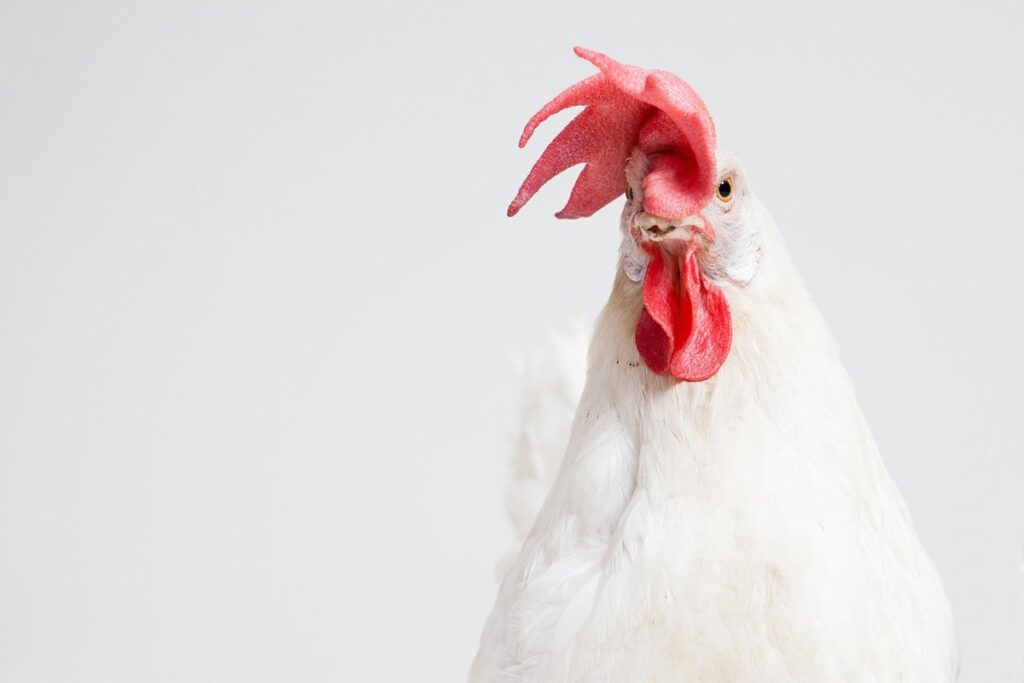
One of the most noticeable signs of puberty in cockerels is comb growth. A healthy cockerel’s comb should be firm, red, and slightly rounded, while a pubescent cockerel’s comb will begin to swell and take on a more vibrant color. Keep an eye out for any changes in shape or size, as these can indicate an underlying health issue.
Feather development is another significant physical change that occurs during puberty. Young cockerels will start to grow adult feathers, which may appear dull or mottled at first but should eventually reach their full color and luster. Pay attention to any unevenness or ruffled appearance, as this could be a sign of stress or nutritional deficiencies.
Monitor your birds’ overall health by regularly inspecting their combs and feathers. This will help you catch any potential issues early on and make necessary adjustments to their diet or living environment.
Behavioral Changes During Puberty
During puberty, cockerels undergo significant behavioral changes that can be both fascinating and challenging to manage. One of the most notable changes is an increase in aggression. As hormone levels surge, young roosters may become more competitive for food, attention, and resources, leading to aggressive behavior towards each other or even humans. This increased aggression can manifest as squabbling, wing-flapping, and even feather-pecking.
Another significant change during puberty is social interaction. Cockerels begin to establish dominance hierarchies within the flock, which can lead to a more complex social dynamic. They may engage in courtship displays, such as crowing, strutting, and preening, to attract females or assert their dominance over other males. As a result, you may notice increased vocalization, particularly loud crowing, which can be a nuisance if not managed properly.
To manage these changes effectively, it’s essential to provide a safe and structured environment for your cockerels during this critical developmental phase. Ensure adequate space, nutrition, and social interaction to reduce aggression and promote healthy growth. By doing so, you’ll set the foundation for well-adjusted, confident birds that are better equipped to handle the challenges of adulthood.
Stages of Puberty in Cockerels
As your cockerel grows, you’ll notice some significant changes in his behavior and physical appearance. In this next part, we’ll explore the stages of puberty that signal he’s reaching maturity.
Stage 1: Pre-Puberty (Weeks 16-18)
At around weeks 16-18, your cockerel will enter Stage 1 of puberty. During this stage, you’ll notice significant physical and behavioral changes that signal the start of their growth spurt.
Physically, your cockerel’s comb will begin to grow larger and more vibrant, a sign that testosterone levels are rising. Their wattle will also become more prominent, and they may start to develop a slight dusting of feathers on their neck and breast area. You might notice an increase in energy levels as well – expect them to be more active, curious, and playful.
Behaviorally, your cockerel’s personality is likely to undergo a transformation during this stage. They may become more assertive, territorial, and inclined to dominate the flock or even other birds outside of their group. This can sometimes lead to aggression towards humans if they’re not handled carefully. To mitigate this, make sure to establish clear boundaries, provide plenty of space for exercise, and engage in regular handling and socialization from an early age.
By recognizing these changes, you’ll be better equipped to support your cockerel through the ups and downs of puberty.
Stage 2: Early Puberty (Weeks 19-20)
As we enter Stage 2: Early Puberty (Weeks 19-20), you’ll start to notice some significant changes in your cockerel’s appearance. The comb growth that began in the previous stage will continue to accelerate, and you can expect it to become more vibrant and defined. This is a clear indication that your bird is entering puberty.
Feather development also becomes more pronounced during this stage. Your cockerel’s plumage may start to take on a slightly darker or richer tone, and new feathers may begin to grow in. It’s not uncommon for the feathers around the neck and back to become particularly long and pointed at this stage. Keep an eye out for these changes as they can be a sign of your bird’s growing maturity.
As you monitor these developments, remember that every cockerel is different, and the rate at which they mature will vary. With proper care and attention, your bird should continue to thrive during this stage. Make sure to provide a balanced diet and plenty of space for exercise to help them reach their full potential.
Health Considerations During Puberty
As a cockerel owner, understanding how puberty affects your bird’s health is crucial to providing proper care during this critical stage of development. This section will discuss key health considerations you should be aware of.
Nutritional Needs for Pubescent Cockerels
During puberty, cockerels undergo rapid growth and development, requiring an adequate supply of essential nutrients to support their changing bodies. Adequate protein intake is crucial for muscle growth and development, with a minimum of 16-18% protein content in the feed being recommended. A diet rich in protein will also help promote overall health and well-being.
Calcium is another vital nutrient that cockerels need during this period, as it supports the formation and hardening of bones. A calcium-rich diet can be achieved through feeding a high-quality commercial layer feed or supplementing with crushed oyster shells or cuttlebone. It’s essential to provide clean, fresh water at all times to ensure adequate hydration.
Aim for about 1/4 cup of oyster shells per pound of body weight daily as a general guideline for calcium supplementation. Monitor your cockerel’s progress and adjust the feeding schedule accordingly, taking into account factors like age, breed, and activity level. Regular health checks will also help identify any potential nutritional deficiencies early on. By prioritizing their nutritional needs, you can support healthy growth and development during this critical period.
Health Risks Associated with Puberty
As your cockerel enters puberty, it’s essential to be aware of the potential health risks associated with this life stage. Respiratory problems are a common issue during puberty, particularly if your bird is confined to a small area or exposed to environmental stressors such as drafts or extreme temperatures. This can lead to conditions like bronchitis, pneumonia, and even death.
Vitamin deficiencies can also occur due to changes in appetite and metabolism. A lack of essential nutrients can cause weak growth, slow feather development, and poor egg production (in hens). Ensure your cockerel has access to a balanced diet that meets its increased nutritional needs during puberty. Provide a high-quality commercial feed or a nutrient-rich homemade feed, supplemented with fruits and vegetables rich in vitamins and minerals.
Additionally, monitor your bird’s behavior for signs of health issues, such as labored breathing, lethargy, or changes in appetite. Consult a veterinarian if you notice any unusual symptoms, so they can provide guidance on managing potential health risks during this critical period. Regular monitoring and proper care will help mitigate these risks and ensure a smooth transition through puberty.
Managing Aggression During Puberty
During puberty, cockerels can become increasingly aggressive and territorial. In this section, we’ll provide guidance on recognizing and managing these behaviors to ensure a harmonious flock environment.
Recognizing Signs of Aggression
As you observe your cockerel’s behavior during puberty, it’s essential to recognize signs of aggression that can escalate into more serious issues. One common indicator is an increase in crowing, which may become louder and more frequent than usual. While some crowing is normal, excessive vocalization can be a warning sign.
Additionally, pubescent cockerels often exhibit exaggerated flapping or strutting behaviors, especially when competing for attention or resources. These displays of dominance can be misinterpreted as playful behavior, but they may actually signal underlying aggression.
More concerning signs include attacking other birds in the flock, chasing them, or even pecking at them. If you notice your cockerel exhibiting any of these aggressive behaviors, it’s crucial to intervene promptly. To address these issues, ensure your cockerel has a balanced diet and sufficient space to exercise and engage in natural behaviors like scratching and foraging.
Keep in mind that early intervention is key; ignoring signs of aggression can lead to more severe problems down the line.
Strategies for Reducing Aggression
When it comes to reducing aggression in cockerels during puberty, providing adequate space and exercise is crucial. A well-designed coop with enough room for movement can significantly reduce stress and frustration levels in these birds. Ensure the coop has a minimum of 4-5 square feet per bird, and consider adding some enrichment activities such as toys or scratching posts to keep them engaged.
Regular exercise also plays a vital role in reducing aggression. Cockerels need at least an hour of outdoor time each day, where they can roam freely and engage in natural behaviors like pecking, scratching, and dust bathing. This not only helps burn off excess energy but also provides essential mental stimulation.
Another key strategy is to separate cockerels from other birds, especially hens, during this critical period. Introducing them too early or keeping them together can lead to dominance struggles and aggressive behavior. Instead, keep them in separate enclosures until they reach adulthood, then gradually introduce them under close supervision.
By implementing these strategies, you can reduce aggression levels in your cockerels during puberty and promote a more harmonious flock environment.
Breeding Considerations
When breeding cockerels, it’s essential to consider their behavior and physical changes during puberty to ensure healthy growth and successful pairings. This section will walk you through these crucial factors to keep in mind.
Selecting Healthy Breeders
When it comes to breeding, selecting healthy breeders is crucial to ensure that you’re not passing on genetic defects or health issues to your offspring. It’s essential to remember that a cockerel’s genetics play a significant role in shaping its behavior and overall health.
Before choosing a breeder, research their bloodline and ask about the health clearances of the parents. Look for breeders who have done health testing on their birds, such as hip and elbow evaluations or vision and hearing tests. This information can be found on the American Cocker Spaniel Club’s (ACSC) website or other reputable sources.
You should also consider visiting the breeder in person to observe the environment and meet the parents. A healthy breeding program will have a clean and well-maintained facility, and the parents should appear healthy and happy. Ask questions about their breeding philosophy, health protocols, and what they do to ensure the physical and emotional well-being of their birds.
Ultimately, selecting a reputable breeder who prioritizes health is key to raising a strong and healthy cockerel.
Factors Affecting Fertility
When it comes to fertility in male chickens, there are several key factors that can impact their ability to successfully mate and fertilize eggs. One of the most significant influencers is nutrition. A well-balanced diet that includes essential vitamins and minerals such as vitamin E, zinc, and selenium is crucial for maintaining optimal fertility.
Genetics also play a vital role in determining a cockerel’s fertility. Some breeds are naturally more fertile than others due to their genetic makeup. Research has shown that certain genetic markers can affect sperm quality and quantity, making it essential to choose breeds that are known for their high fertility rates.
Age is another critical factor in determining fertility. Cockerels typically reach maturity between 18-24 weeks of age, at which point they should begin to show significant improvements in fertility. However, even after reaching maturity, fertility can decline with age if the cockerel is not well cared for or if his nutrition and health are compromised.
To ensure optimal fertility in your flock, it’s essential to provide your cockerels with a nutritious diet, choose breeds known for their high fertility rates, and monitor their overall health and well-being.
Frequently Asked Questions
Can I accelerate the puberty process in my cockerels for breeding purposes?
Yes, it’s possible to encourage earlier maturity through nutrition and environmental factors. However, accelerating growth can sometimes lead to health issues down the line. Consult with a veterinarian or experienced breeder to develop a plan that suits your specific needs.
What if I have multiple cockerels showing aggression towards each other during puberty? How do I manage this behavior?
Managing aggressive behavior in pubescent cockerels requires patience and consistency. Ensure they have enough space, provide separate areas for eating and relaxation, and remove any triggers that may be contributing to the aggression. You can also try separating the birds temporarily or providing toys and enrichment activities to distract them.
How do I determine which stage of puberty my cockerel is in if it’s not clear from physical changes?
Monitor your bird’s behavior and weight gain closely. If you notice rapid growth, increased energy levels, and significant behavioral shifts (such as aggression or reduced interest in food), your cockerel might be transitioning to an earlier stage of puberty.
What are some common health risks associated with puberty in cockerels that I should watch out for?
Be aware of respiratory problems, impacted crops, and reproductive issues. Ensure your birds have access to clean water, a balanced diet, and regular exercise. Consult with a veterinarian if you notice any unusual signs or symptoms.
Can I still raise my flock using natural methods despite their changing behavior during puberty?
Yes, it’s possible to manage the needs of your cockerels while still adhering to natural practices. Focus on providing a stress-free environment, ensuring adequate nutrition, and offering plenty of space for exercise and relaxation. With careful observation and planning, you can navigate the challenges associated with puberty without compromising your flock’s well-being or your commitment to sustainable farming methods.