
Layer hens are a crucial part of modern egg production, providing millions of eggs for consumers worldwide. However, their performance can vary greatly depending on several factors. Peak production in layer hens is a critical period where they reach their maximum egg-laying capacity. But what influences this peak? Is it the breed itself, or perhaps the nutrition and living conditions provided to them?
As an egg producer or poultry enthusiast, understanding the key drivers of peak production is essential for optimizing flock performance and improving overall efficiency. In this article, we’ll delve into the factors that impact peak production in layer hens, including breeding, nutrition, and environmental conditions. By examining these elements, you’ll gain valuable insights to fine-tune your operations and make informed decisions to boost egg production and reduce costs.
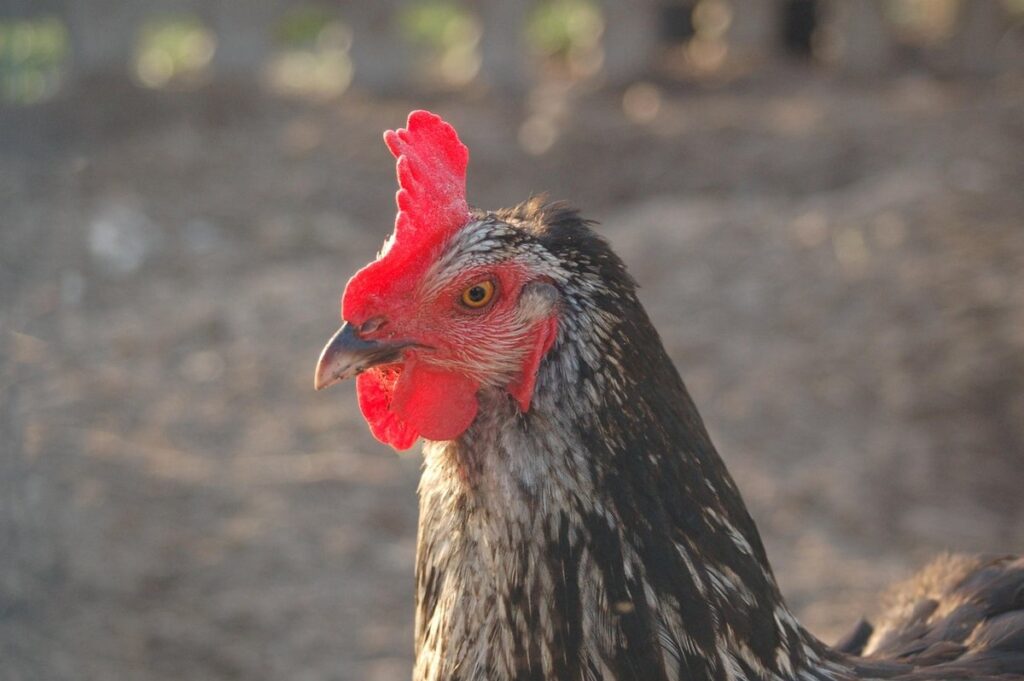
Understanding Peak Production in Layers
Let’s dive into the specifics of peak production, where we’ll discuss key factors that influence a layer hen’s egg-laying capacity and efficiency. This includes genetics, nutrition, and environmental considerations.
Factors Influencing Peak Production
When it comes to peak production in layer hens, several factors come into play. One of the most significant influences is breed. Different breeds have varying levels of egg-laying capacity and growth rates. For instance, some popular breeds like Leghorns and Rhode Island Reds are known for their high egg production, while others like Orpingtons and Plymouth Rock may be more suited to smaller-scale or backyard operations.
Nutrition also plays a crucial role in peak production. A balanced diet rich in essential nutrients is vital for optimal health and productivity. This includes adequate protein, energy, and vitamins and minerals. Research suggests that feeding layers a high-quality feed containing at least 16% protein can lead to increased egg-laying capacity.
Environmental conditions such as temperature, humidity, and light also impact peak production. Providing hens with proper ventilation, dust control, and adequate lighting can help maintain optimal health and productivity. It’s essential to consider these factors when designing or managing a layer flock to ensure peak production is achieved.
Defining Peak Production
Peak production refers to the optimal stage at which layer hens reach their maximum egg-laying capacity. During this phase, they are capable of producing the highest number of eggs per year, typically between 18 and 24 months of age. Identifying peak production is crucial for commercial egg producers as it directly affects the overall productivity and profitability of their operation.
To optimize peak production, farmers need to ensure that their hens receive a balanced diet, adequate lighting, and proper ventilation throughout their laying cycle. Nutritional deficiencies or excessive stress can significantly impact a hen’s ability to reach its full potential. For instance, a study found that layer hens fed with calcium-enriched feed produced 10% more eggs than those on standard diets.
Monitoring flock performance closely is also essential for identifying peak production early. This involves tracking egg production rates, fertility rates, and mortality rates regularly. By doing so, farmers can adjust their management strategies to maintain optimal conditions throughout the laying cycle. With proper attention to detail and a focus on optimizing peak production, commercial egg producers can maximize their returns while ensuring animal welfare.
Breeding for Peak Production
Achieving peak production is a major goal for layer hen farmers, and breeding programs play a crucial role in getting there efficiently. In this next part, we’ll explore how to choose the right breeds for maximum egg output.
Selecting High-Performing Breeds
When selecting breeds for peak production, it’s essential to consider several key factors. First and foremost, you’ll want to look for breeds that have a proven track record of high egg production. In commercial flocks, this typically means selecting breeds with an average annual egg production of at least 300 eggs per hen.
Some popular breeds known for their high-performance capabilities include the Leghorn, Rhode Island Red, and Barred Plymouth Rock. These breeds not only excel in terms of egg quantity but also consistently produce well-sized eggs that meet industry standards.
In addition to egg production, you’ll also want to consider a breed’s robustness and adaptability. Flocks with these traits can better withstand disease pressure and environmental stressors, ultimately leading to improved overall health and reduced mortality rates.
To get the most out of your breeding program, we recommend implementing a multi-generational selection process that allows you to continually evaluate and refine your flock’s genetic makeup. This might involve selecting top-performing birds for breeding or using advanced genomics tools to identify beneficial traits.
Genetic Factors Affecting Peak Production
When it comes to peak production, genetic factors play a significant role. Research has shown that egg size and weight are largely influenced by genetics, with some breeds consistently producing larger eggs than others. In fact, studies have demonstrated that the heritability of egg size can range from 40-60%, indicating a strong genetic component.
Breeders can use this knowledge to their advantage through careful selection and breeding programs. By focusing on breeds or lines with high egg production potential, they can increase the likelihood of selecting birds that will perform well during peak production. Additionally, breeders can also look for genetic markers associated with reproductive efficiency, such as early age at lay and consistent egg production.
One example of a successful breeding program is the development of the Hy-Line Brown layer hen, which has been optimized for high egg production through selective breeding. By identifying and selecting birds with desirable traits, breeders can create flocks that are more likely to reach peak production levels.
Nutrition and Feed Management for Peak Production
Proper nutrition and feed management are critical components of achieving peak production in layer hens, requiring a balanced approach to ensure optimal health and egg-laying performance. We’ll explore this essential topic further below.
Key Nutrients for Egg Production
When it comes to achieving peak production, layer hens require a balanced diet that provides essential nutrients for optimal egg laying. Protein is one of the most critical nutrients for layer hens, and it’s recommended to provide around 16-18% protein content in their feed. This can be achieved through high-quality ingredients such as soybean meal or fishmeal.
Energy is also crucial for layer hens, particularly during peak production periods when they require more calories to produce eggs. A diet rich in energy sources like corn and wheat can help support their high energy needs. Vitamin and mineral supplements are also essential, especially vitamin D3 which plays a vital role in calcium absorption and bone health.
To ensure your layer hens receive the necessary nutrients for peak production, consider incorporating these key nutrients into their feed:
• High-quality protein sources (16-18% protein content)
• Energy-rich ingredients like corn and wheat
• Vitamin D3 supplements to support calcium absorption
• Other essential vitamins and minerals like B12, E, and zinc
By providing the right balance of nutrients in your layer hens’ feed, you can help them achieve peak production levels and maintain optimal health.
Strategies for Optimizing Feed Quality and Quantity
To achieve peak production in layer hens, it’s crucial to optimize feed quality and quantity. A well-formulated feed is the backbone of a healthy flock, and its impact on egg production cannot be overstated. The right blend of nutrients, vitamins, and minerals ensures that hens have the energy and resources needed to perform at their best.
Feed formulation is a delicate art, as it requires striking a balance between meeting the flock’s nutritional needs and keeping costs in check. A good feed formulation should take into account factors such as age, breed, and production level of the flock. For example, a layer hen feed that’s too high in protein can lead to over-excretion and environmental pollution.
Ration balancing is also critical to ensure that hens receive the right amount of nutrients at each stage of production. Overfeeding or underfeeding can have serious consequences, including reduced egg quality, increased mortality rates, and decreased overall productivity. To optimize ration balancing, consider using a feed formulation software that takes into account factors such as age, breed, and production level to provide tailored recommendations.
Supplementation is another important strategy for optimizing feed quality. Adding specific nutrients or minerals can help address any nutritional deficiencies in the feed and support peak egg production. For instance, adding calcium supplements can help improve eggshell strength and reduce breakage rates. By combining these strategies – good feed formulation, ration balancing, and supplementation – you can create an optimized feeding program that supports your layer flock’s peak performance.
Environmental Factors Affecting Peak Production
Let’s dive into the environmental factors that can impact peak production, from temperature and humidity to light and air quality. These elements play a crucial role in your flock’s performance.
Housing and Management Systems
The housing and management systems used for layer hens can significantly impact peak production. For instance, aviaries provide a more natural environment, allowing birds to exercise freely, which can lead to improved egg production and overall health. However, they also require more space and labor-intensive maintenance.
On the other hand, battery cages are often criticized for their confined spaces, leading to stress, disease, and reduced egg quality. Yet, some producers argue that they are efficient in terms of space utilization and facilitate easier management. Ultimately, the decision between these housing types depends on your operation’s specific needs and resources.
Considerations such as ventilation, lighting, and temperature control also play crucial roles in maintaining optimal conditions for layer hens. Adequate provision of these elements can enhance egg production while minimizing stress-related issues.
In terms of practical advice, it’s essential to evaluate the trade-offs between housing type and management practices when setting up or optimizing your layer hen operation. Assess factors like your budget, labor availability, and local regulations before deciding on a system that suits your needs. By doing so, you can make informed decisions about providing suitable environments for your birds and optimize their peak production potential.
Climate and Temperature Effects on Egg Production
As you work to optimize peak production in your layer hen operation, it’s essential to consider the impact of climate and temperature on egg laying. Extreme temperatures can have a significant effect on egg production, with heat stress being a major concern in hot climates. When hens are exposed to high temperatures for extended periods, their bodies divert resources away from producing eggs to focus on cooling themselves down.
In hot environments, it’s common to see a decline in egg production of up to 30% during the summer months. To mitigate this issue, you can implement various strategies such as providing shade or installing fans to circulate air and reduce heat stress. Additionally, ensuring proper ventilation in your barns is crucial to maintaining a comfortable temperature for your hens.
In cold climates, hens may experience reduced egg production due to energy expenditure on maintaining their body temperature. To optimize production in these environments, you can provide supplemental lighting or heating systems to maintain an ideal temperature range of 60-70°F (15-21°C) during the winter months.
Health Considerations for Peak Production
When it comes to peak production, layer hen health is crucial. In this section, we’ll discuss key factors that can impact your flock’s performance and well-being.
Disease Prevention and Control Measures
Maintaining good health is crucial for achieving peak production in layer flocks. A healthy flock not only ensures optimal egg production but also reduces mortality rates and the risk of disease outbreaks.
When it comes to vaccination programs, it’s essential to develop a strategy that protects against common diseases affecting layer hens. This typically includes vaccinations against Newcastle Disease (ND), Infectious Bronchitis (IB), and Infectious Bursal Disease (IBD). Vaccination should be done at specific stages of the flock’s life cycle, such as when the birds are one-day-old or before they enter lay.
Sanitation practices also play a vital role in preventing disease. Keeping coops clean and well-ventilated is crucial to reduce the risk of disease transmission. This includes regular cleaning of feeders, waterers, and litter. Biosecurity measures should also be implemented, such as controlling visitor access, monitoring for pests and diseases, and adhering to strict hygiene protocols.
Implementing a robust health program requires a comprehensive approach that incorporates vaccination, sanitation practices, and biosecurity measures.
Managing Stress and Welfare for Optimal Production
Stress is a significant concern for layer hens as it can have a direct impact on their egg production. When hens experience stress, they may produce fewer eggs or exhibit irregularities in egg quality. In fact, research has shown that chronic stress can reduce egg production by up to 20%. This highlights the importance of maintaining a stress-free environment for your layer flock.
To minimize stress and promote welfare, it’s essential to provide a suitable living space with adequate ventilation, lighting, and temperature control. Enrichment activities such as foraging toys or scratch pads can also help keep hens engaged and stimulated. Proper nutrition is another critical factor – ensure that your layer hens are receiving a balanced diet that meets their nutritional needs.
Regular monitoring of your flock’s behavior and health can help identify potential stressors early on, allowing you to take corrective action. By implementing these strategies, you can create an environment that supports the optimal production and well-being of your layer hens.
Monitoring and Optimizing Peak Production
As we approach peak production, it’s essential to keep a close eye on your flock’s performance. This section will walk you through how to effectively monitor and optimize every aspect of their daily routine.
Tracking Key Performance Indicators (KPIs)
Monitoring KPIs is crucial to optimizing peak production for layer hens. You can’t improve what you don’t measure, after all! Let’s take a closer look at the key performance indicators (KPIs) that will help you refine your operation.
Feed conversion ratio (FCR) is one of the most critical metrics to track. This measures how efficiently your birds are converting feed into eggs. Aim for an FCR of 1.6-1.8, as this translates to optimal egg production and reduced waste. For example, if you’re currently at a 2.0 FCR, identify areas where feed is being wasted – perhaps during transportation or storage – and implement changes accordingly.
Another vital KPI is mortality rate (MR). This indicates the percentage of birds that die within your operation. Ideally, MR should be below 5%. Regular health checks, proper ventilation, and a clean environment can help minimize this number. To improve MR, review your biosecurity protocols and ensure all staff are following proper hygiene practices.
Finally, egg size is another KPI to keep an eye on. Consistently monitoring the average egg weight will enable you to identify any trends or issues affecting production. For instance, a sudden drop in egg weight may indicate a nutritional imbalance or disease outbreak.
Using Data Analysis to Inform Management Decisions
Data analysis plays a crucial role in identifying trends and areas for improvement in layer flocks. By examining various metrics such as feed conversion ratios, egg production rates, and mortality levels, managers can pinpoint specific issues that may be impacting peak production.
For instance, analyzing data on daily egg production reveals a 5% drop on Wednesdays compared to other days of the week. This insight allows managers to adjust their feeding schedules or provide extra light for those specific days, leading to improved overall egg output. Additionally, tracking mortality rates helps identify potential health issues, enabling proactive measures such as vaccination programs.
To get started with data analysis, it’s essential to establish a robust monitoring system that captures and reports on key performance indicators (KPIs) regularly. This can be achieved through software or manual record-keeping methods. Regularly reviewing these metrics allows managers to make informed decisions about optimizing peak production, such as adjusting feed formulations or exploring alternative lighting schedules.
By integrating data analysis into management strategies, layer farmers can optimize their operations and achieve higher egg production levels.
Conclusion
In conclusion, achieving peak production from your layer hens requires careful planning, attention to detail, and a commitment to providing optimal living conditions. By ensuring a nutrient-rich diet, providing adequate space and ventilation, and maintaining a clean and healthy environment, you can significantly boost the productivity of your flock.
Consider implementing routine health checks and vaccinations to prevent disease outbreaks that can impact egg production. Regularly collecting eggs from nesting boxes also encourages hens to continue laying eggs in those areas. By doing so, you’ll not only increase overall production but also reduce stress on your birds.
By taking these simple steps and staying vigilant about the needs of your flock, you’ll be well on your way to achieving peak production and enjoying a steady supply of fresh, delicious eggs from your own backyard coop.
Frequently Asked Questions
How do I know if my layer hens are reaching their peak production potential?
Conduct regular checks on your flock’s egg-laying capacity, growth rates, and overall health to determine if they’re meeting their genetic potential. Monitor key performance indicators (KPIs) such as egg weight, egg size, and feed conversion ratios.
What’s the optimal way to manage stress in layer hens during peak production?
Stress can significantly impact egg production. Provide a comfortable living environment with adequate space, ventilation, and noise reduction. Implement a regular routine for feeding, cleaning, and handling to minimize disruptions.
Can I use supplements or additives to boost my layer hens’ nutrient intake?
While certain supplements may provide additional benefits, it’s essential to ensure they’re nutritionally balanced and suitable for your flock’s specific needs. Consult with a veterinarian or poultry expert to determine the best approach for enhancing their diet.
How often should I monitor my layer hens’ environmental conditions during peak production?
Regularly inspect your housing and management systems to maintain optimal temperatures, humidity levels, and lighting. Consider installing monitoring equipment to track temperature, humidity, and air quality in real-time.
What are some common mistakes egg producers make when trying to optimize peak production?
Avoid overfeeding or underfeeding your layer hens, as this can lead to reduced egg production, increased disease susceptibility, and decreased flock lifespan. Regularly review and adjust your feed management strategies to ensure they’re meeting the nutritional needs of your flock.