
Managing water resources for geese is a crucial task, especially in areas with varying climates and landscapes. As a goose owner or manager, you’re likely aware that providing adequate water is essential to maintaining their health and well-being. However, ensuring they have access to clean, safe drinking water while conserving this precious resource can be challenging. This article aims to help you navigate the complexities of goose water management by offering practical strategies for assessing your geese’s water needs, managing your resources effectively, and making conservation a priority.
In the following sections, we’ll delve into the importance of proper water assessment, provide tips on creating sustainable water sources, and discuss ways to maintain a healthy balance between water availability and resource conservation. Whether you’re caring for a small flock in a backyard or overseeing a large population in a public space, our expert advice will equip you with the knowledge needed to create a safe and thriving environment for your geese, regardless of climate or landscape.
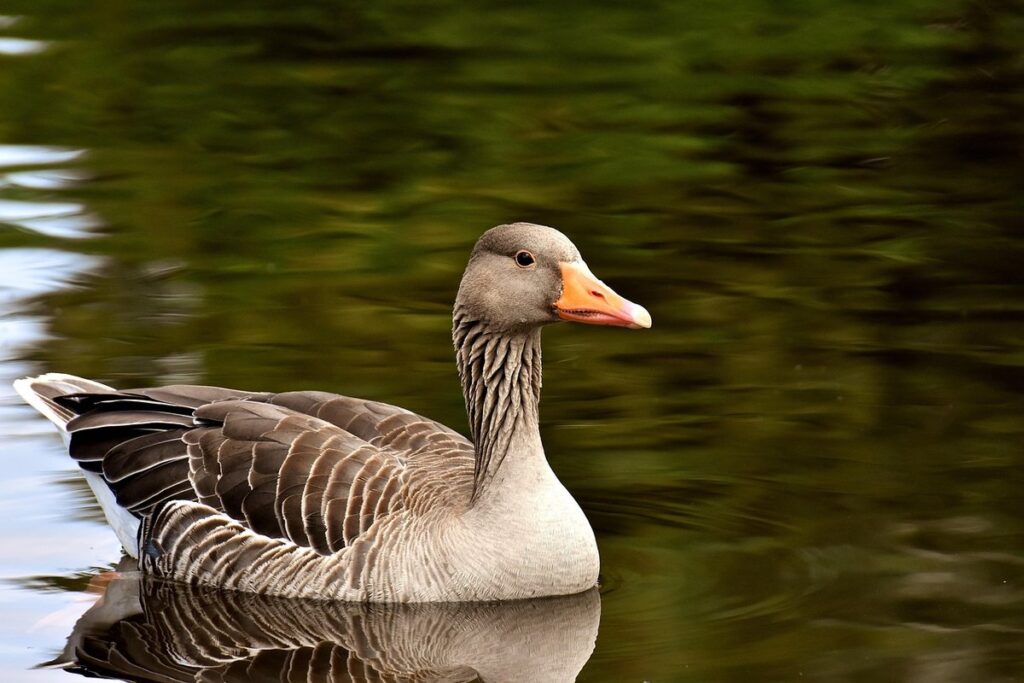
Understanding Goose Behavior and Needs
When it comes to managing water features, understanding goose behavior and needs is crucial for creating a harmonious environment that meets their requirements. Let’s take a closer look at what makes them tick.
Water Requirements for Geese in Various Climates
When it comes to providing water for geese, it’s essential to consider their changing needs depending on the climate. Geese require adequate hydration regardless of the temperature, but their water requirements do vary significantly with environmental factors.
In hot and humid climates, geese will drink more frequently to compensate for excessive evaporation from their bodies. In such conditions, providing a large shallow dish filled with fresh water can help ensure they stay hydrated. It’s also crucial to change the water frequently to prevent bacterial growth. On the other hand, in cold and dry environments, geese may not drink as much due to the difficulty in accessing unfrozen water sources.
In temperate climates with moderate temperatures and humidity levels, geese will require less frequent drinking sessions but still need access to clean and fresh water at all times. Consider using a birdbath or a shallow dish with built-in heating elements during winter months when water can freeze. Remember to also provide some shade for your geese in warm weather by placing their water source under a tree or an umbrella.
Common Water Sources for Geese on Farms and Landscapes
When it comes to providing water for geese on farms and landscapes, there are several common sources that can be utilized. Ponds, for instance, are a popular choice due to their ease of installation and maintenance. These small bodies of water can range from a few feet to several acres in size and can provide a reliable source of drinking water for geese.
Lakes are another option, although they may require more extensive planning and infrastructure. Artificial reservoirs or holding ponds can also be used as an alternative to natural sources of water. When choosing a water source, it’s essential to consider factors such as accessibility, maintenance needs, and the potential for contamination.
In addition to these traditional options, some farmers are turning to more innovative solutions, such as rainwater harvesting systems or even recycled water from irrigation ponds. Regardless of which option is chosen, it’s crucial to ensure that the water source meets the specific needs of the geese, including adequate depth, quality, and quantity.
Assessing Water Quality and Safety
Now that you’ve learned how to identify water hazards, it’s time to learn how to assess the quality and safety of your goose pond. Let’s take a closer look at the factors that affect water health.
Factors Affecting Water Quality in Gooseland
When assessing water quality in Gooseland, several key factors come into play that can impact the health and safety of geese. One major concern is algae growth, which can produce toxins that are lethal to birds if ingested. Excessive nutrient levels from fertilizers or animal waste can contribute to this problem, making it essential to manage these inputs carefully.
Bacterial contamination is another significant threat to water quality in Gooseland. Geese can be vulnerable to diseases such as avian cholera and E. coli, which are often introduced through fecal matter from other birds or animals. Runoff from nearby agricultural areas or urban centers can also bring pollutants into the water system.
Chemical runoff is another critical factor affecting water quality for geese. Pesticides and herbicides commonly used in agriculture and lawn care can contaminate water sources, posing a risk to bird health. It’s crucial to implement best management practices (BMPs) that minimize chemical use and maximize their effectiveness. For instance, using integrated pest management techniques or adopting organic farming methods can help reduce the environmental impact of agricultural activities nearby.
Identifying Hazards and Ensuring Water Safety for Geese
When it comes to geese water management, identifying hazards and ensuring their safety is crucial. Contaminated water sources can pose significant risks to geese, including bacterial infections, parasites, and even death.
For instance, waterborne pathogens like E. coli, Salmonella, and Campylobacter can thrive in stagnant or contaminated water, making it a breeding ground for disease. Furthermore, algal blooms caused by excess nutrients can produce toxins that harm geese if ingested. It’s essential to regularly test the water quality to detect any potential contaminants.
To ensure geese safety, it’s recommended to identify and remove potential hazards such as algae, pollutants, and other foreign matter from the water source. Installing aeration systems or increasing water flow can also help prevent stagnation and reduce the risk of contamination. Additionally, providing geese with alternative water sources that are free from contaminants can be a practical solution.
It’s also crucial to implement good hygiene practices such as cleaning feeding areas and removing waste regularly to minimize the risk of disease transmission. By taking these proactive measures, you can significantly reduce the risks associated with contaminated water sources and ensure the health and well-being of geese under your care.
Managing Water Resources Efficiently
Effective water management is crucial for healthy goose populations, and that’s why we’ll be sharing practical tips on harvesting, storing, and using rainwater in your backyard flock. Let’s dive into some efficient strategies together!
Strategies for Optimizing Water Use in Gooseland
In Gooseland, where geese are plentiful and water is precious, it’s essential to optimize water use to ensure a healthy environment for both humans and birds. One of the primary strategies for reducing water waste is implementing efficient irrigation systems. By installing smart irrigation controllers that adjust watering schedules based on weather conditions, soil moisture levels, and crop water requirements, you can significantly reduce evaporation and runoff.
Another effective technique is using rainwater harvesting systems to collect and store rainwater for non-potable purposes such as flushing toilets, washing vehicles, or irrigating landscaping. This can decrease the demand on municipal water supplies by up to 50% and reduce stormwater pollution. Additionally, consider installing low-flow sprinklers and drip irrigation systems in your geese habitats, which can conserve up to 30% of water compared to traditional sprinkler systems.
Remember to also implement good housekeeping practices such as regularly inspecting and repairing leaks, using drought-resistant plants, and promoting water-saving behaviors among goose handlers. By implementing these strategies, you’ll not only conserve water but also contribute to a healthier environment for both geese and humans in Gooseland.
Innovative Technologies Supporting Sustainable Water Management
The advent of innovative technologies has significantly improved water management practices, enabling us to more effectively monitor, manage, and maintain water quality and availability. For instance, satellite imaging and remote sensing techniques can be used to track changes in water levels, detect leaks, and predict floods, allowing for proactive measures to mitigate these issues.
Another cutting-edge technology is sensor-based monitoring systems that enable real-time tracking of water parameters such as pH, temperature, and turbidity. These systems can send alerts when abnormalities are detected, facilitating prompt interventions to prevent contamination or other water quality concerns.
Artificial intelligence (AI) and machine learning algorithms can also be applied in water management to analyze historical data, identify patterns, and predict future trends. This enables more informed decision-making about water allocation, treatment, and reuse, ultimately contributing to more sustainable water practices.
These technologies not only enhance efficiency but also reduce costs associated with manual monitoring and maintenance tasks. By embracing such innovations, water managers can better address the complexities of sustainable water management, ensuring a more resilient future for our planet’s most precious resource.
Creating Goose-Friendly Habitat with Effective Water Features
When creating a habitat that welcomes geese, incorporating effective water features is crucial for their comfort and well-being. This can be achieved through clever design and placement of birdbaths and ponds.
Design Considerations for Attractive and Functional Water Features
When designing water features that cater to geese, it’s essential to strike a balance between aesthetics and functionality. Geese are naturally drawn to shallow water with gentle slopes, allowing them to easily wade in and out. A minimum water depth of 1-2 inches is recommended for small geese, while larger species can tolerate up to 4 inches.
To create an appealing water feature, incorporate a mix of still and moving water elements. Still pools provide a safe space for geese to rest and preen, while shallow streams or fountains offer entertainment and exercise opportunities. Consider adding plants with long stems or branches that overhang the water’s edge, providing shade and shelter from predators.
When choosing materials for your water feature, opt for durable, low-maintenance options like concrete or stone. Avoid using soft plastics or metal edges, as these can be hazardous to geese if ingested or caught on their feathers. By incorporating these design elements, you’ll create a water feature that not only attracts geese but also meets their specific needs and promotes their well-being.
Case Studies: Successful Water Feature Designs in Gooseland
In Gooseland, creating effective water features is crucial for managing goose populations. A case study of a wildlife sanctuary showcases a successful design that incorporated a large pond with a fountain and shallow areas for easy access. This design allowed the geese to drink and feed without becoming too comfortable, reducing their likelihood of staying long-term.
Another example is a park in Gooseland where a meandering stream was built with multiple pools and stepping stones. The geese were drawn to this feature due to its naturalistic appearance and ease of access for feeding and drinking. However, the designers implemented measures to deter them from settling by incorporating rocks, plants, and an uneven surface that discouraged loafing.
By studying these case studies, we can learn valuable lessons on how to create water features that effectively manage goose populations while still providing a welcoming space for wildlife enthusiasts. Takeaway points include incorporating varied water depths, using naturalistic features, and intentionally designing areas that discourage long-term occupation by geese.
Preventing Water-Related Problems with Proactive Measures
To effectively manage water on your land, you need to know how to prevent common issues that can arise from flooding and poor drainage. This involves taking proactive steps to protect your property.
Early Detection and Intervention to Address Emerging Issues
Monitoring water conditions closely is crucial to preventing water-related problems from escalating. By doing so, you can identify emerging issues early on and take proactive measures to address them before they become more severe. This approach not only saves time and resources but also helps maintain the overall health of the ecosystem.
For instance, regular water level monitoring can help you detect flooding or droughts, allowing you to implement measures such as irrigation system adjustments or water diversion plans accordingly. Similarly, tracking water quality parameters like pH levels, temperature, and nutrient concentrations enables you to identify potential issues like algal blooms or aquatic plant overgrowth.
To get started with early detection and intervention, consider the following steps: conduct regular site visits to observe water conditions firsthand; set up automated monitoring equipment like sensors or cameras to track water levels and quality in real-time; and establish a maintenance schedule for your irrigation system to prevent clogs and other issues. By staying vigilant and proactive, you can prevent water-related problems from escalating and maintain a healthy goose habitat.
Implementing Integrated Pest Management (IPM) Strategies for Gooseland
Implementing Integrated Pest Management (IPM) strategies is a crucial step in maintaining water quality and preventing issues related to algae growth, pests, or other factors affecting Gooseland’s waters. By adopting an IPM approach, you can effectively manage the ecosystem and minimize potential problems.
To begin with, conduct a thorough risk assessment of your area to identify any existing pest populations, nutrient levels, and other environmental factors that could impact water quality. This information will serve as the foundation for developing targeted IPM strategies. For instance, if algae growth is a concern, you may implement practices such as maintaining optimal water levels, increasing water flow rates, or introducing beneficial bacteria to break down excess nutrients.
It’s also essential to adopt proactive measures like monitoring water parameters regularly and intervening promptly when any unusual trends are detected. This includes testing for nutrient levels, pH, and other indicators of potential problems. By taking a proactive stance, you can prevent minor issues from escalating into major problems, thereby reducing the risk of algae blooms or pest infestations that could compromise water quality.
Conclusion: Balancing Water Needs with Sustainability and Safety
Now that we’ve explored various approaches to managing goose water, it’s time to discuss how to balance their needs with sustainability and safety. This crucial step ensures a win-win for both geese and the environment.
Recap of Key Findings and Recommendations
In conclusion to our discussion on goose water management, let’s recap the key findings and recommendations for effective management. To begin with, we emphasized the importance of providing adequate water sources for geese populations while also considering sustainability and safety concerns.
Key takeaways from this article include identifying suitable locations for goose water features that minimize conflicts with human activities and ensuring that these water sources are properly maintained to prevent bacterial contamination and algae growth. We also highlighted the benefits of incorporating natural, plant-based deterrents into goose management strategies, which can effectively reduce droppings and noise pollution.
In terms of practical advice, we recommended implementing regular cleaning schedules for water features and encouraging responsible waste disposal practices in areas frequented by geese. Additionally, utilizing innovative solutions such as ultrasonic bird repellers or motion-activated sprinklers can be effective deterrents against over-visitation from these birds. By adopting a multi-faceted approach to goose water management, communities can strike a balance between meeting the needs of local wildlife while preserving public health and safety standards.
Future Directions in Sustainable Water Management for Geese
As we conclude our exploration of goose water management, it’s essential to consider the future directions that will ensure sustainable and safe water practices for these majestic birds. One promising area is the development of advanced water filtration systems specifically designed for geese. These systems can effectively remove contaminants and pollutants from water sources, minimizing the risk of waterborne diseases and improving overall water quality.
Another exciting direction is the integration of technology to monitor water consumption patterns in geese populations. By leveraging data analytics and sensors, researchers can gain valuable insights into the water needs of different species and adjust management strategies accordingly. This approach has already shown promising results in other areas, such as bird-friendly urban design.
In addition, incorporating native plant species that are more water-efficient and less attractive to geese is another direction worth exploring. By creating a balanced ecosystem, we can reduce the pressure on existing water sources and promote coexistence between humans and wildlife.
Furthermore, community-led initiatives focused on education and outreach can play a vital role in promoting sustainable water management practices among goose populations.
Frequently Asked Questions
What’s the ideal water-to-goose ratio for effective management?
Aim for at least 1 gallon of water per goose per day, considering factors like climate, age, and activity level. Ensure water sources are easily accessible and maintained to prevent overcrowding.
How do I monitor water quality and detect potential hazards in my geese’s habitat?
Regularly inspect water features for signs of contamination, sedimentation, or stagnation. Test water quality using pH meters, turbidity tests, or consulting local laboratories. Identify potential hazards like toxic plants, sharp objects, or slippery surfaces.
Can I use recycled or rainwater as an alternative to traditional water sources?
Yes, but ensure the water is properly treated and filtered to meet goose health standards. Consider implementing a greywater system or harvesting rainwater for non-potable uses, like cleaning or irrigation.
How can I balance my geese’s drinking water needs with conservation goals in areas with limited resources?
Implement efficient watering systems, such as floating fountains or drip irrigation, to minimize water waste and optimize consumption. Educate visitors about the importance of responsible water use and consider installing signage to promote awareness.
What are some creative ways to incorporate additional water sources into my geose-friendly landscape?
Consider incorporating natural features like ponds, creeks, or marshes, which provide a variety of habitats and water sources for your geese. You can also install artificial water features, such as birdbaths or puddle areas, to supplement their drinking water needs.