
Raising chickens on pasture is more than just a trend – it’s a better way to produce healthier, more nutritious meat. But if you’re new to pastured poultry management, it can be overwhelming to know where to start. Not only do you want to raise happy, healthy birds, but you also need to consider the environmental impact of your operation and ensure that you’re doing everything possible to improve their welfare.
In this expert guide, we’ll walk you through the ins and outs of pastured poultry management, covering topics from creating a sustainable pasture ecosystem to implementing best practices for raising chickens on pasture. We’ll explore how to reduce stress and disease in your flock, as well as share tips for producing high-quality meat while minimizing environmental harm. By the end of this article, you’ll have a solid understanding of what it takes to raise healthy, nutritious pasture-raised chickens.
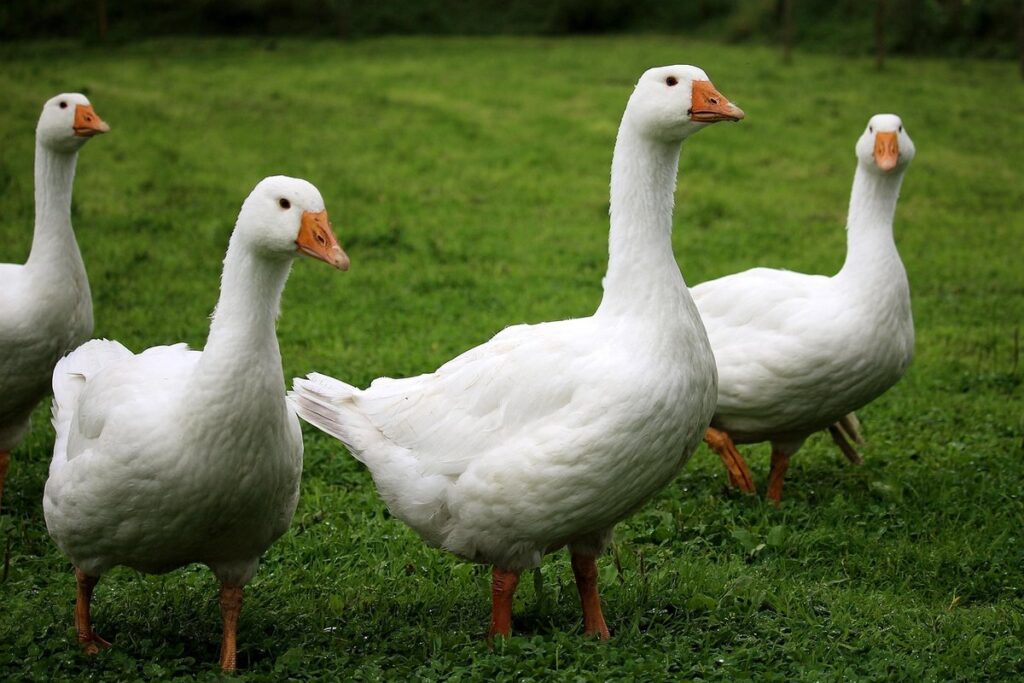
Understanding the Benefits of Pasture-Raised Chickens
When it comes to raising chickens, understanding the benefits of pasture-raised birds is crucial for a healthy and sustainable flock. Let’s dive into the advantages of this method over traditional farming practices.
Improved Welfare and Health
When chickens are raised on pasture, they’re able to engage in natural behaviors that would otherwise be stifled by confinement. For instance, foraging is a crucial part of their instinctual behavior, allowing them to search for food and exercise simultaneously. This process reduces stress significantly, as the birds can roam freely and exert themselves physically.
In contrast, confined environments often lead to behavioral problems, such as feather pecking and aggression. By providing a pasture environment, farmers can mitigate these issues altogether. Chickens raised on pasture are also less susceptible to disease due to their diverse diet and improved immune system function.
Moreover, pasturing allows chickens to get some much-needed sunlight and fresh air, which has numerous health benefits for the birds. This exposure to natural light helps regulate circadian rhythms, promoting better sleep patterns and overall well-being. When it comes to managing your flock, make sure to allocate sufficient space for them to roam freely.
Nutrient-Rich Meat and Eggs
When it comes to pasture-raised chicken products, one of the most significant advantages is their exceptionally high nutritional value. The unique diet and lifestyle of these birds result in a richer concentration of essential nutrients, setting them apart from conventionally raised counterparts.
Pasture-raised chickens are a great source of omega-3 fatty acids, which are crucial for heart health and brain function. These fatty acids are produced by the grasses and plants that the birds graze on, ensuring a more natural and efficient uptake. Studies have shown that pasture-raised chicken meat contains up to 1.5 times more omega-3s than conventionally raised options.
In addition to omega-3s, pasture-raised chicken products also boast impressive levels of vitamins A and E. These essential vitamins play vital roles in maintaining healthy skin, eyes, and immune systems. Vitamin A helps protect against infections and promotes the growth and development of new cells, while vitamin E acts as an antioxidant, safeguarding against cell damage.
By incorporating pasture-raised chicken products into your diet, you can reap these incredible nutritional benefits for yourself and your loved ones.
Environmental Sustainability
When it comes to raising pastured poultry, one of the most significant benefits is its positive impact on the environment. Unlike conventional factory farms, which can have a devastating effect on ecosystems and waterways, pasture-raised chicken management prioritizes soil health and minimizes waste.
The manure from our pastured chickens acts as a natural fertilizer, enriching the soil with nutrients and promoting healthy microbial growth. This process not only reduces the need for synthetic fertilizers but also helps to sequester carbon in the soil. In fact, a study by the University of California found that pasture-raised chicken farms can capture up to 10% more carbon in their soils than conventionally managed farms.
To optimize manure fertilization on your pastured poultry farm, consider implementing rotational grazing strategies and incorporating cover crops into your rotation. This will not only reduce waste but also promote soil biota and overall ecosystem health. By adopting these practices, you’ll be reducing the environmental footprint of your operation while also improving soil fertility and promoting biodiversity.
Establishing a Pasture-Raised Flock
To successfully establish a pasture-raised flock, you’ll need to choose the right breed, plan for space and infrastructure, and prepare for the unique challenges of raising poultry outdoors.
Choosing the Right Breed
When it comes to establishing a pasture-raised flock, choosing the right breed is crucial for success. With so many breeds to choose from, it can be overwhelming to select the perfect fit. To make things easier, let’s focus on some popular breeds that excel in pasture-raised systems.
Consider breeds like Leghorns and other Mediterranean types for high egg production. These birds are known for their hardiness, fast growth rate, and ability to thrive in diverse environments. They’re also relatively low-maintenance, making them an excellent choice for small-scale producers.
On the other hand, if you’re looking for a breed that excels in meat production, consider heritage breeds like Plymouth Rock or Wyandotte. These birds are known for their rich flavor and texture, and they tend to grow faster than other breeds. However, they do require more care and attention during the winter months.
Ultimately, the right breed for you will depend on your specific needs and goals. Research different breeds, consider factors like hardiness, growth rate, and production levels, and don’t be afraid to ask for advice from experienced producers or veterinarians.
Setting Up Pastures and Infrastructure
When setting up pastures and infrastructure for your pasture-raised flock, it’s essential to prioritize chicken health and well-being. A solid foundation of infrastructure will help ensure that your birds have access to everything they need to thrive.
First and foremost, you’ll want to install sturdy fencing around the pasture area. This can be a physical barrier such as netting or chicken wire, or even a more aesthetically pleasing option like wooden posts with electric fencing. Regardless of the type, make sure it’s at least 3-4 feet high to prevent escape artists from making a break for it.
Next up is water access. You’ll need to install several waterers strategically placed throughout the pasture to keep your flock hydrated. Consider using hanging or elevated waterers to reduce waste and prevent bacterial growth.
Finally, don’t forget about shelter! While chickens can tolerate some wind and rain, they do appreciate a dry spot to get out of the elements when needed. Provide shade structures or simple three-sided shelters that will protect them from harsh weather conditions. This is also where you’ll want to set up feeders and nesting boxes – make sure they’re easily accessible and well-maintained.
By investing in these basic infrastructure elements, you’ll create a safe and healthy environment for your pasture-raised flock to thrive in.
Managing Pasture Health and Biodiversity
Healthy pastures are crucial for raising happy, healthy birds. In this section, we’ll explore practical strategies to promote thriving pasture ecosystems that support biodiversity.
Rotational Grazing Techniques
Rotational grazing is a crucial technique for maintaining healthy pastures and promoting biodiversity. By regularly moving your flock to fresh pasture, you can prevent overgrazing, which can lead to soil erosion, reduced plant growth, and decreased nutrient levels.
This approach also helps control pests and diseases by breaking the life cycle of parasites and reducing the risk of disease outbreaks. For example, rotating pastures can disrupt the breeding cycles of internal parasites like worms, making it more difficult for them to establish themselves in your flock. By moving your birds frequently, you can keep these pests at bay and reduce the need for chemical treatments.
When implementing rotational grazing, consider dividing your pasture into smaller sections or paddocks. Move your flock to a new area every 7-10 days, allowing each section to rest and recover. Monitor soil health and adjust your rotation schedule as needed. By adopting this simple yet effective technique, you can create a balanced ecosystem that supports the well-being of both your birds and the land.
Integrating Cover Crops and Forages
Incorporating cover crops and forages into your pastured poultry system can have numerous benefits for both the birds and the land. Not only do they provide a nutritious food source and habitat diversity, but they also help to improve soil health, reduce erosion, and increase overall ecosystem resilience.
When selecting cover crops and forages for your pastured poultry system, consider those that are high in protein and nutrient-dense, such as clover, alfalfa, and rye. Plant these species in the off-season or between pasture rotations to create a diverse and thriving ecosystem.
To integrate cover crops and forages effectively:
* Start by identifying areas of the farm where they can be most beneficial, such as around water sources or along fence lines.
* Choose species that complement your existing pasture mix and are well-suited to the local climate.
* Plant cover crops in the fall or spring, allowing them to establish before the growing season begins.
* Monitor the health and productivity of the cover crops and forages regularly, making adjustments as needed.
By incorporating cover crops and forages into your pastured poultry system, you can create a more diverse, resilient, and productive farm ecosystem.
Health Monitoring and Disease Prevention
As you work to keep your flock healthy, it’s crucial to regularly monitor their health and take proactive steps to prevent diseases from taking hold. Let’s explore some key strategies for doing just that.
Regular Health Checks and Vaccinations
Regular health checks with a veterinarian are essential to monitor chicken health and prevent disease outbreaks. These check-ups should be scheduled at least quarterly, but more often if you’re managing a large flock or have chickens that are more susceptible to illness. During these visits, the vet will examine your birds for any signs of stress, injury, or infection, and provide guidance on parasite control, nutrition, and biosecurity.
Vaccination schedules can also play a crucial role in disease prevention. Consult with your veterinarian to determine which vaccinations are necessary for your flock based on factors such as age, breed, and climate. For example, some poultry farmers may choose to vaccinate their chickens against Marek’s disease or Newcastle disease. Staying on top of vaccinations and health checks can help prevent costly outbreaks that can devastate a flock.
It’s also important to maintain accurate records of your birds’ vaccination history and health check-ups. This information will be invaluable if you need to report any disease incidents to regulatory authorities, and it will also help you make informed decisions about future health management strategies.
Biosecurity Measures for Pasture-Raised Flocks
When it comes to managing pasture-raised flocks, biosecurity is a crucial aspect of disease prevention. Secure fencing is one of the most effective measures you can take to minimize the risk of disease introduction. Make sure your fence is sturdy and at least 3 feet high to prevent predators like coyotes, foxes, and raccoons from getting in. Also, consider adding an electric hot wire or a warning system to alert you if an intruder attempts to breach the fence.
Predator control is another essential aspect of biosecurity. Install motion-sensitive cameras around your farm to monitor for potential threats, and remove any attractants like food waste or pet food that might draw in predators. Regularly inspect your pasture for signs of predator activity, such as tracks or droppings, and take action if necessary.
Visitor protocols are also vital when it comes to biosecurity. Establish a clear visitor policy that includes guidelines for proper attire, hand hygiene, and footbath protocols to prevent the introduction of disease-causing pathogens. Consider providing education on farm-specific biosecurity procedures to visitors, including the importance of not touching birds or their living areas.
Processing and Marketing Pastured Poultry
Processing and marketing your pastured poultry requires a solid understanding of regulations, consumer trends, and effective sales strategies to maximize profits and customer satisfaction. Let’s dive into the key considerations for getting your birds from coop to plate.
Regulations and Certifications
When it comes to marketing and selling pastured poultry products, understanding relevant regulations and certifications is crucial. These can make a significant impact on sales, consumer trust, and ultimately, the bottom line.
Several certifications are available for pastured poultry producers, including Organic, Certified Humane, and Animal Welfare Approved (AWA). While these certifications share similar goals of promoting animal welfare and sustainable farming practices, they have distinct requirements and benefits. For instance, the USDA’s National Organics Program sets strict standards for organic feed and living conditions.
To navigate these regulations and maximize marketing opportunities, pastured poultry producers should first research which certifications align with their production methods and business goals. They can then label products accordingly, highlighting the unique value proposition to consumers.
A key aspect of certification is transparency. Producers must demonstrate adherence to strict standards through regular audits and documentation. This not only ensures compliance but also builds trust with customers who prioritize animal welfare and environmental sustainability. By understanding relevant regulations and certifications, pastured poultry producers can effectively market their products to a growing audience seeking high-quality, responsibly produced meat.
Labeling and Branding for Success
Creating an effective brand identity is crucial for differentiating pastured poultry from conventionally raised alternatives. Start by defining your unique value proposition (UVP) and core message. What sets your products apart? Is it the humane treatment of animals, the use of regenerative farming practices, or the superior taste and nutritional profile?
Develop a cohesive visual brand identity that reflects your UVP. This includes a logo, color palette, typography, and imagery style. For example, Sweet Farm, a pastured poultry farm in California, uses a bright and cheerful aesthetic to convey their commitment to sustainability and animal welfare.
Labeling practices are also essential for communicating the benefits of pastured poultry to consumers. Consider using labels like “pasture-raised,” “free-range,” or “humanely raised” to highlight the differences between your products and conventionally raised alternatives. Don’t forget to include information about certifications, such as Animal Welfare Approved (AWA) or Certified Humane.
Storytelling techniques can help connect with target audiences on an emotional level. Share the story of how you started your farm, the challenges you’ve overcome, and the values that drive your business. This can be done through social media, blog posts, or even in-store promotions. By effectively branding and labeling your products, you can build trust and loyalty with customers who are willing to pay a premium for high-quality, sustainably produced pastured poultry.
Frequently Asked Questions
What are the most critical factors to consider when transitioning from a traditional farming practice to pastured poultry management?
When making the switch, it’s essential to evaluate your current infrastructure and make necessary adjustments for pasture-raised birds. Consider factors like fencing, shelter, and predator protection, as well as incorporating rotational grazing techniques to maintain soil health.
How can I ensure my flock is getting enough nutrients while foraging on pasture?
To guarantee your flock receives adequate nutrition, focus on providing a diverse range of plants during the rotation period. Include forage legumes, grasses, and cover crops that offer essential vitamins and minerals. A balanced pasture ecosystem will support the nutritional needs of your birds.
What are some common signs of heat stress in my pastured poultry?
Watch for behaviors such as panting, lethargy, or excessive drooling in hot weather conditions. Keep an eye on temperature and humidity levels, providing shade, water, and air circulation to mitigate these risks. Regular health checks can help you identify potential issues before they escalate.
How long does it take to establish a thriving pasture ecosystem for my pastured poultry?
The establishment of a healthy pasture ecosystem can take anywhere from several months to multiple years. Factors like soil quality, climate, and management practices all impact the rate at which your pasture develops. Be patient and adapt your strategies as needed based on observed results.
Can I use existing chicken coops or do I need new ones for pastured poultry?
Pastured poultry management can be adapted to various coop designs. However, it’s recommended that you modify your existing coops to accommodate pasture access, predator protection, and ventilation requirements. Ensure the structure is durable enough to withstand wind, rain, and other environmental factors affecting your birds’ health and well-being.