
Are you thinking of adding some fluffy companions to your backyard flock? Look no further than Cochin chickens, one of the most popular breeds among beginners and experienced farmers alike. Known for their gentle temperament and striking appearance, Cochin chicks are a delight to raise and care for. But before you bring home those adorable balls of fluff, it’s essential to know the basics of breeding and caring for these lovely birds.
In this article, we’ll take you through everything you need to know about Cochin chickens, from their origins and temperament to breeding techniques and health considerations. Whether you’re a seasoned farmer or just starting out, our expert guide will give you the confidence to raise healthy and happy Cochin chicks that bring joy to your family for years to come.
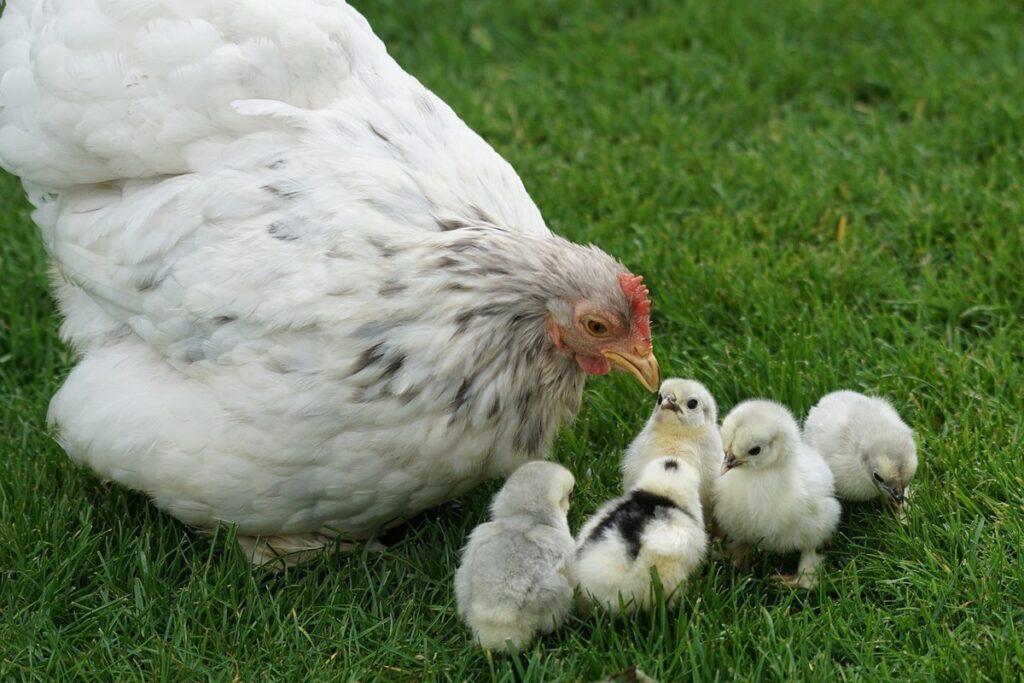
Understanding Cochins
Let’s dive into understanding Cochins, one of the most beloved breeds for backyard chicken keepers. This section will cover the essential characteristics and traits that make Cochins a popular choice among flock owners.
Origin and History of Cochins
Cochins have a rich and fascinating history that spans thousands of years. Originating in China, these beautiful birds were highly prized for their stunning plumage and gentle nature. In fact, Cochin chickens are an ancient breed, with evidence suggesting they existed as far back as 3000 BC. They were highly valued by Chinese emperors, who would often give them as gifts to dignitaries.
As trade routes expanded between China and Europe, Cochins were introduced to the continent, where they quickly gained popularity among aristocratic circles. In the 16th century, French breeders selectively bred Cochins to create larger, more docile birds that excelled in show rings. This selective breeding not only enhanced their physical appearance but also solidified their reputation as gentle and affectionate companions.
Interestingly, the name “Cochin” is believed to be a shortened version of “Coq d’Inde,” which translates to “Indian Rooster.” Despite their exotic origins, Cochins have become an integral part of Western poultry heritage. Today, enthusiasts around the world continue to breed these stunning birds for their unique characteristics and friendly demeanor.
Characteristics of Cochins
Cochins are known for their majestic appearance and distinctive physical characteristics. One of the most striking features of Cochins is their size – they can grow to be quite large, with some males reaching up to 13 pounds or more. This makes them one of the heavier breeds of chicken.
Their plumage is another notable feature of Cochins. They have a soft, fluffy coat that comes in a variety of colors, including white, black, buff, and brown. Their feathers are also incredibly dense, which helps to keep them warm in cold weather. When it comes to beak shape, Cochins tend to have a medium-sized beak that is relatively straight.
In terms of comb type, Cochins have a rose-shaped comb, which is characterized by its flat top and pointed edges. This unique comb style gives the breed a distinctive look that sets them apart from other chicken breeds. Overall, the physical characteristics of Cochins make them a stunning addition to any backyard flock or show pen.
Temperament and Personality of Cochins
Cochins are renowned for their gentle and affectionate nature, making them an excellent choice as backyard pets. These birds are highly social and thrive on human interaction, which is why they’re often described as “lap chickens.” They have a unique ability to form strong bonds with their owners, going so far as to follow them around the house.
Their docile temperament means that Cochins are generally easy-going and tolerant of children and other pets. However, it’s essential to socialize your Cochin chicks from an early age to ensure they grow into well-adjusted adults. This can be achieved by spending time with them daily, handling them gently, and exposing them to new environments and people.
As Cochins mature, you’ll notice their friendly behavior extending beyond the family circle. They often form close relationships with other chickens in the flock, helping to maintain a peaceful and harmonious coop environment. Their social nature also makes them an excellent choice for small farms or homesteads where multiple breeds are kept together.
Breeding Cochins
If you’re looking to breed healthy, beautiful Cochin chicks, it all starts with choosing the right parents and understanding their unique characteristics and needs. We’ll walk you through the process of selecting a breeding pair.
Choosing the Right Bloodlines for Breeding
When it comes to breeding Cochins, choosing the right bloodlines is crucial for producing high-quality chicks. A good starting point is to identify your breeding goals: do you want to prioritize egg production, size, or feather quality? Once you have a clear idea of what you’re looking for, research and select breeders who specialize in those traits.
For example, if you’re focused on egg production, look for bloodlines that are known for their high egg-laying capacity. Some popular Cochins breeds, like the Polish Black, are renowned for their excellent laying abilities. On the other hand, if you prioritize size, opt for lines with large and sturdy birds, such as the Sultan or the Peacock.
When evaluating bloodlines, also consider feather quality and type. Do you want your chicks to have soft, fluffy feathers or crisp, hard plumage? Consider what style of cochin you’re aiming for and select breeders who specialize in those characteristics. Remember, a good bloodline will not only produce high-quality chicks but also help maintain the overall health and vitality of your flock.
Understanding Cochin Chicken Genetics
When it comes to breeding Cochin chickens, understanding genetics is crucial. Genetics play a significant role in determining the characteristics of your flock, and knowing how to identify desirable traits can be the difference between a mediocre bird and a champion.
In simple terms, genetics works on two primary principles: dominant and recessive traits. Dominant traits will always show up if an individual has one copy of the gene, while recessive traits require two copies (one from each parent) to express themselves. For instance, feather type is a dominant trait, whereas beak shape is typically recessive.
To identify desirable characteristics in Cochin chickens, you’ll need to look at the parents’ pedigree and breed history. This will help you pinpoint which traits are likely to appear in your offspring. You can also use genetic testing to determine the likelihood of certain traits being passed down from one generation to the next.
For example, if you’re breeding for a specific feather pattern, such as silkies or frizzles, you’ll want to look at the genetics of the parents and make sure they both carry the desired trait. This involves looking at the genotype (the genetic makeup) of each parent bird and determining which genes are likely to be expressed in the offspring.
Breeding for Specific Traits: Size, Egg Production, and Feather Quality
Breeding Cochins for specific traits is a crucial aspect of raising these beloved birds. When it comes to size, you’ll want to select breeding stock that exhibits the desired characteristics. For example, if you’re aiming for larger Cochins, choose roosters and hens with impressive plumage and well-developed muscle mass.
To breed for egg production, focus on selecting females that lay consistently large eggs. Look for birds that exhibit good broodiness, as this trait can be passed down to their offspring. When it comes to feather quality, inspect your breeding stock for dense, soft feathers that are resistant to matting and tangling.
Selecting the right breeding stock is key. Aim for birds with a balanced combination of desirable traits, rather than focusing on one specific characteristic. Linebreeding programs can help intensify these traits over time. To manage linebreeding effectively, keep detailed records of your birds’ ancestry, health, and productivity. This will enable you to identify patterns and make informed breeding decisions.
When introducing new birds into your flock, do it gradually to prevent stress. A well-managed breeding program will also help minimize inbreeding depression. Regularly assess the overall health and performance of your Cochins to ensure you’re on track to achieving your desired breed characteristics.
Caring for Cochin Chicks
If you’ve brought home adorable Cochin chicks, it’s essential to know how to care for them properly to ensure they thrive and grow into beautiful adult birds. This section will walk you through all the necessary steps.
Brooding and Rearing Cochin Chicks
When you bring home Cochin chicks, they’ll need a safe and nurturing environment to thrive. This is where brooding comes into play – providing a warm, draft-free spot for them to grow and develop.
For the first week or two, keep the temperature around 90-100°F (32-38°C) in their brooder. You can use a heat lamp or a heat mat specifically designed for chicks. Monitor the temperature closely, as it may vary depending on your location and the chick’s age.
In terms of feeding, offer starter feed that’s formulated for young chickens. Make sure fresh water is always available, and change the water frequently to keep it clean. You can supplement their diet with probiotics or oyster shells, but introduce these gradually to avoid digestive issues.
Regular health checks are essential when rearing Cochin chicks. Look out for signs of illness like lethargy, runny eyes, or labored breathing. Keep an eye on their droppings too – a healthy chick’s poop should be brown and formed.
Maintain good hygiene by cleaning the brooder regularly to prevent disease spread. Ensure proper ventilation to prevent ammonia buildup from the chicks’ droppings.
Aim for 24 hours of light in the first week, gradually decreasing it by an hour each day until they’re exposed to natural daylight. This will help regulate their circadian rhythms and promote healthy growth.
Nutrition and Feeding Requirements for Cochins
When it comes to feeding Cochin chicks, it’s essential to understand their nutritional needs at different stages of development. From day-old chicks to laying hens, Cochins have unique requirements that must be met to ensure optimal health and growth.
During the first few weeks of life, baby Cochins need a starter feed rich in protein (around 20-22%) to support rapid growth and development. As they grow into pullets (young females), their dietary needs shift towards more balanced feeds with moderate protein levels (16-18%). It’s also crucial to introduce grit and oyster shells at this stage to help them digest calcium and other essential minerals.
As Cochins enter adulthood and begin laying eggs, their nutritional requirements change once again. Laying hens require a diet rich in calcium (around 3.5%) and phosphorus (1.2%), as well as vitamins A, D3, and E. You can supplement their feed with crushed eggshells or dark leafy greens like kale or spinach to provide an additional boost.
In addition to providing the right food, it’s also essential to ensure your Cochin chicks have access to fresh water at all times. Change the water frequently to prevent bacterial growth and contamination, and make sure the feeding and watering areas are clean and well-maintained.
Health Considerations for Cochins: Common Diseases and Parasites
As a Cochin chicken owner, it’s essential to be aware of the common health issues that can affect your flock. Respiratory problems are one of the most frequent health concerns in Cochins, particularly during their first few months of life. This is often due to cold stress or drafty environments. Keep an eye out for symptoms such as labored breathing, coughing, and wheezing.
Parasites like mites, lice, and fleas can also infest your Cochin chickens, causing discomfort, weight loss, and reduced egg production. Regularly check your birds’ vents, feathers, and skin for signs of these pests. You can use a fine-tooth comb or a lint roller to remove them.
Diseases like Marek’s and Newcastle are also prevalent in Cochins. Marek’s disease is a viral infection that affects young chickens, causing paralysis and death. Newscastle disease, on the other hand, is highly contagious and can be fatal if left untreated. Ensure your flock receives regular vaccinations, follows proper sanitation practices, and has access to clean water and food.
It’s crucial to monitor your Cochin chickens’ health closely and seek veterinary care immediately if you notice any unusual behavior or symptoms. Regular check-ups with a veterinarian will help identify potential health issues before they become severe.
Managing a Cochin Flock
As you start raising your new cochin chicks, learning how to manage their growth and daily needs is crucial for their health and happiness. This section will walk you through essential tips on caring for a thriving flock.
Introduction to Cochin Flocks: Benefits and Challenges
Managing a Cochin flock can be an incredibly rewarding experience for backyard chicken keepers. One of the primary benefits of keeping Cochin flocks is their friendly nature. These gentle giants are known to form strong bonds with their owners, making them perfect for families or individuals who want to interact with their birds.
Another significant advantage of Cochin flocks is their high egg production. Hens can lay up to 200 brown eggs per year, making them a reliable source of fresh eggs for your family. Additionally, Cochins are relatively low maintenance compared to other breeds. They require minimal space and care, making them an ideal choice for small backyards or urban areas.
However, as with any flock, there are also challenges to consider when managing Cochin flocks. For example, their large size can make them prone to heat stress in warmer climates. Regular shade provision and ventilation can help mitigate this issue. Furthermore, Cochin flocks may require more frequent cleaning due to their tendency to produce droppings.
Regular health checks, balanced nutrition, and proper management practices are essential to ensuring the overall well-being of your flock.
Creating a Balanced Cochin Flock: Sex Ratio, Age Mix, and Group Dynamics
When establishing a Cochin flock, achieving the right balance is crucial for fostering social harmony and overall well-being. One of the most critical factors to consider is sex ratio. A general rule of thumb is to have 2-3 hens for every rooster, as this allows for optimal egg production while preventing aggression among males.
A balanced age mix within the flock is also essential. Mixing young pullets with older hens can provide valuable learning opportunities and help prevent social isolation. It’s recommended to introduce new birds at different stages of growth to create a cohesive unit.
Group dynamics are another vital aspect to consider when managing your Cochin flock. Ensure that you have enough space for each bird to move around comfortably, as overcrowding can lead to stress and behavioral issues. Encourage social interaction by providing multiple perches, nesting boxes, and other enriching features within the enclosure.
Managing Cochin Egg Production and Reducing Stress
Managing Cochin Egg Production and Reducing Stress is crucial for maintaining a healthy and thriving flock. Cochins are known to be gentle giants, but like all birds, they require careful attention to their living conditions and health.
To reduce stress on your flock, it’s essential to provide a safe and comfortable environment. This includes adequate space for roaming, fresh air, and protection from predators. A clean and well-maintained coop is also vital, as Cochins are prone to respiratory issues if the environment becomes too damp or dirty.
Regular health checks can help identify potential problems early on. Keep an eye out for signs of stress such as feather pecking, excessive dust bathing, or changes in appetite. Consider implementing enrichment activities like puzzle toys and foraging games to keep your Cochins stimulated and engaged.
To optimize egg production, make sure your flock is getting enough calcium and protein-rich foods. A balanced diet will support strong eggshell formation and overall health. Aim for around 15-20% protein content in their feed, and supplement with fresh fruits and vegetables regularly.
Conclusion
Now that you’ve made it through our comprehensive guide on raising cochin chicks, let’s summarize the key takeaways and finalize your breeding program.
Recap of Key Takeaways
When it comes to raising healthy Cochin chickens, there are several key takeaways from our discussion that you should keep in mind. Firstly, we’ve highlighted the importance of proper nutrition for these gentle giants. This means providing a balanced diet rich in protein and calcium to support their growth and development.
Another crucial aspect is ensuring they have access to fresh water and a clean living environment at all times. We also discussed the significance of introducing your Cochin chicks to their new surroundings gradually, allowing them to acclimate without stress.
In addition, we touched on the importance of providing adequate space for exercise and movement, which can help prevent health issues like obesity and musculoskeletal problems. If you’re planning to breed Cochin chickens, it’s essential to select healthy parents with desirable traits and work towards creating a balanced breeding program.
By implementing these key takeaways, you’ll be well on your way to raising happy, healthy Cochin chickens that thrive in their environment. Remember to stay vigilant about potential health issues and keep an eye out for signs of illness or stress.
Final Tips and Recommendations for Successful Cochin Keeping
As you’ve learned and grown with us on the journey of raising Cochin chicks, we’re confident that you’ll be well-equipped to provide a happy and healthy home for these lovable birds. However, there are some final tips and recommendations we’d like to share to help take your Cochin-keeping skills to the next level.
Firstly, remember that every flock is unique, so be prepared to adapt to their individual needs and personalities. Keep an eye on weather conditions and ensure your coop is well-ventilated during hot summer months or insulated for cold winters. Regular health checks are crucial – keep a close eye out for signs of disease, such as mites, lice, or respiratory issues.
For continued learning and support, we recommend joining online forums like Backyard Chickens or Cochin Breeders Association, where you can connect with experienced breeders and share knowledge. Take advantage of local workshops or classes to brush up on your chicken-keeping skills. With dedication and practice, you’ll become an expert in no time – happy cochin keeping!
Frequently Asked Questions
What is the ideal age to start breeding Cochins for egg production?
It’s recommended to breed Cochins for egg production when they are around 18-24 months old, as this allows them to mature and reach their full potential. However, if you’re looking to focus on specific traits like size or feather quality, it may be better to wait until they’re closer to 2 years old.
How do I ensure a healthy sex ratio in my Cochin flock?
Aim for a mix of 1-2 roosters per 5-6 hens to maintain a balanced and harmonious flock. Introducing new birds at different ages can also help prevent pecking order issues. Monitor your flock’s dynamics closely, and be prepared to adjust the sex ratio as needed.
Can I raise Cochin chicks alongside other breeds?
Yes! Cochins are generally friendly and adaptable, making them a great addition to mixed flocks. However, introduce new birds slowly and under close supervision to prevent any conflicts. Also, ensure that your existing flock is healthy and has adequate space before introducing new members.
What’s the best way to handle stress in my Cochin flock?
To reduce stress in your Cochin flock, provide a safe and comfortable living environment with plenty of space for exercise and socialization. Ensure access to fresh water, nutritious food, and regular health checks can help prevent common diseases like Marek’s or coccidiosis.
How often should I expect Cochin hens to lay eggs?
Cochin hens are prolific layers, producing an average of 200-220 large brown eggs per year. However, egg production may slow down as they age, typically around 2-3 years old. To maintain optimal egg production, ensure a balanced diet, regular health checks, and provide adequate space for exercise.