
If you’re considering adding some new feathers to your flock, you might have heard about Welsummer chicks. But before bringing these unique birds home, it’s essential to understand their rich history and special characteristics that set them apart from other breeds. Welsummer chickens are known for their distinctive dark brown eggs, strong foraging instincts, and striking appearance, making them a favorite among backyard chicken enthusiasts. Whether you’re a seasoned farmer or just starting out, learning about Welsummers will help you decide if these charming birds are right for your farm or homestead. In this article, we’ll delve into the world of Welsummer chicks, covering their origins, traits, and care requirements, as well as tips on showing them in competitions. By the end of this guide, you’ll be equipped to make informed decisions about raising healthy, thriving Welsummers.
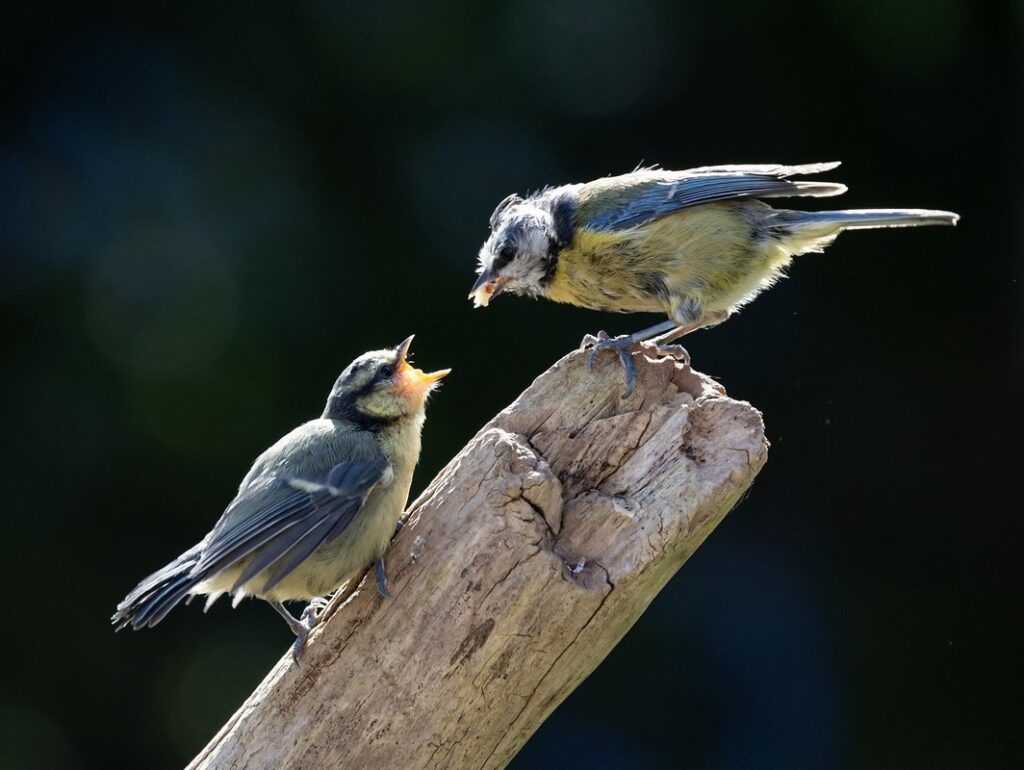
Introduction to Welsummer Chicks
If you’re considering adding some unique eggs to your flock, let’s start with learning more about these beautiful birds: the Welsummer chicks. They’re a Dutch breed known for their distinctive appearance and characteristics.
Brief History and Origin
The Welsummer breed has its roots in the Netherlands, where it was first developed in the early 20th century. Its origins are tied to the Orpington and Marans breeds, which were crossed to create a bird that would be both hardy and prolific egg-layer. The resulting birds were known for their distinctive golden-brown eggs, with a unique earthy undertone.
The name “Welsummer” is derived from the Dutch words “wel,” meaning “good” or “well,” and “zomer,” meaning “summer.” This refers to the breed’s origins in the summer months of 1943, when it was first bred. The Welsummer quickly gained popularity among backyard chicken enthusiasts due to its friendly nature, high egg production, and striking appearance.
One notable characteristic that sets the Welsummer apart from other breeds is its unique plumage pattern. Its feathers are a mottled mix of brown and gold, with a distinctive striping effect on its wings and tail. This attractive appearance has made the Welsummer a favorite among many chicken keepers, who appreciate its charm and personality as much as its productivity.
What Makes Them Special
What sets Welsummer chicks apart from other breeds is their striking appearance. Their feather patterns are unlike any other breed, with a unique blend of golden and dark brown hues that create a stunning mottled effect. The distinctive markings on their wings, tail, and neck feathers give them an air of elegance, making them a favorite among chicken enthusiasts.
But it’s not just their looks that make Welsummers special – they’re also known for their exceptional egg-laying abilities. With an average of 180-200 brown eggs per year, Welsummers are a reliable choice for backyard flock owners who want a consistent supply of fresh eggs. Their temperaments are also worth noting, as they’re generally friendly and docile, making them a great fit for families with children.
When it comes to raising Welsummer chicks, be sure to provide them with plenty of space to roam and exercise. They’re relatively small in size, but they need room to move around and stretch their wings. With proper care and attention, these little bundles of joy will grow into happy and healthy hens that will reward you with delicious eggs for years to come.
Welsummers are also known for their hardiness, which makes them a great choice for cold climates. They’re adaptable to various living conditions, but they do require regular access to fresh air and clean water. With their unique appearance and impressive egg-laying abilities, it’s no wonder why Welsummer chicks have captured the hearts of so many chicken enthusiasts.
Choosing the Right Welsummer Chicks for Your Flock
When selecting your new Welsummer chicks, it’s crucial to consider their breed characteristics and needs to ensure they thrive in your backyard flock. Let’s explore how to choose the perfect Welsummer chicks for you.
Factors to Consider When Selecting
When selecting Welsummer chicks for your flock, there are several essential factors to consider. First and foremost, you’ll want to assess their overall health. Look for signs of illness, such as labored breathing, runny eyes, or lethargy. Check the chicks’ weight and body condition, ensuring they appear plump and well-fed.
Age is another critical consideration. Chicks typically start laying eggs at around 20 weeks old, but some may begin earlier or later depending on their individual growth rate. If you’re looking to establish a breeding program or need chickens for egg production, it’s essential to choose chicks that will reach maturity within your desired timeframe.
Sex and breed quality are also crucial factors to consider. Welsummer hens can be quite aggressive, so if you have smaller breeds in your flock, you may want to opt for pullets (young females). Ensure the breeder or supplier provides documentation of the chicks’ ancestry and pedigree. Buying from reputable sources or experienced breeders will significantly reduce the risk of genetic disorders or temperament issues within your flock.
Tips for a Smooth Transition
When bringing home new Welsummer chicks, it’s essential to prioritize their transition into your flock. This can be a delicate process, but with the right approach, you’ll set them up for success and minimize stress.
First, make sure to acclimate your chicks to their new surroundings gradually. Start by placing them in a separate quarantine area or isolation room within your coop. This will allow them to get used to the sights, sounds, and smells of their new environment without feeling overwhelmed.
Next, follow proper quarantine protocols to prevent any potential health issues from spreading to your existing flock. Keep an eye on your chicks’ behavior and adjust their surroundings as needed. Ensure they have access to fresh food and water at all times.
Once you’ve done this, introduce your Welsummer chicks to the rest of the flock under close supervision. Monitor their behavior and watch for any signs of stress or aggression. With patience and careful planning, you’ll help your new additions settle in seamlessly.
Raising Healthy and Happy Welsummer Chicks
Now that you’ve brought your adorable Welsummer chicks home, it’s time to learn how to raise them into happy, healthy hens. Let’s dive into the essentials of chick care and development.
Nutritional Requirements
When it comes to raising healthy and happy Welsummer chicks, providing them with the right nutrition is crucial. As a responsible breeder or owner, you’ll want to ensure that your chicks receive a balanced diet that meets their specific needs.
Welsummer chicks require a starter feed that’s high in protein (around 18-20%) for the first four weeks of life. You can choose either a commercial chick starter or a homemade mix using whole grains and proteins like oats, wheat, and soybean meal. It’s essential to provide fresh water at all times, changing it daily to prevent bacterial growth.
In addition to feed and water quality, supplements are also necessary for optimal health. Provide calcium supplements (around 2-3% of their total diet) from day one to support strong bone development. You can add crushed eggshells or oyster shells as a natural source of calcium. Keep an eye out for potential health issues like brooder pneumonia, which can be prevented with good ventilation and hygiene practices.
As your chicks grow into pullets (around six weeks), you’ll need to switch them to a layer feed that’s lower in protein (around 16-18%). This transition should happen gradually over the course of one week to prevent digestive upset. Remember to also provide plenty of fresh veggies like leafy greens and fruits, which can be introduced around three weeks of age.
Health Considerations
As you raise your Welsummer chicks, it’s essential to be aware of common health issues that can affect them. One of the most significant concerns is brooder disease, which can spread quickly through a flock if not caught early. To prevent this, make sure to provide a clean and well-ventilated brooding area, and maintain high standards of hygiene.
Monitor your chicks closely for signs of illness such as runny eyes, sneezing, or lethargy. If you notice any of these symptoms, separate the affected chick immediately to prevent the disease from spreading. Regularly check their droppings for signs of parasites like worms or mites.
Regular health checks and prompt action are crucial in preventing the spread of disease. Keep a close eye on your chicks’ behavior, appetite, and overall health, and be prepared to seek veterinary advice if you notice any unusual symptoms. Remember, it’s always better to err on the side of caution when it comes to your flock’s health.
Some common signs of illness include:
* Lethargy or reluctance to move
* Discharge from the eyes or nose
* Changes in droppings or appetite
* Visible mites or lice
If you suspect that any of these symptoms are present, seek veterinary advice immediately to prevent further complications.
Caring for Grown Welsummers
As your welsummer chicks grow into beautiful, mature hens, they’ll require some adjustments to their care and attention. In this next part, we’ll discuss how to provide for their changing needs.
Space and Housing Requirements
When it comes to caring for grown Welsummers, their housing needs are just as crucial as feeding and health considerations. A good rule of thumb is to provide at least 2-3 square feet of space per bird inside the coop, but ideally you’ll want to give them more room to move around and stretch their wings.
Consider a coop with a minimum height of 3 feet to allow for easy access and comfortable movement. Adequate ventilation is also essential to prevent ammonia buildup from droppings, so make sure your coop has windows or vents that can be opened to let in fresh air. You’ll also want to provide perches for your birds to roost on at night, which should be placed about 3-4 feet off the ground.
Temperature control is another vital factor – Welsummers prefer a temperature range of around 40°F to 80°F (4°C to 27°C), so you may need to adjust their coop’s ventilation and insulation accordingly. Finally, consider using hardware cloth or chicken wire with openings no larger than 1 inch to protect your birds from predators like raccoons and hawks.
Feeding Adult Birds
As your Welsummers mature into adult birds, their nutritional needs will change. They’ll require more protein and less energy-rich foods than when they were chicks. To ensure you’re providing the best diet for them, consider switching to a high-quality layer feed by around 16-20 weeks of age. This type of feed is specifically formulated to meet the needs of laying hens.
In addition to a balanced layer feed, your adult Welsummers will also benefit from supplements such as crushed oyster shells or dark leafy greens like kale or spinach. These foods are rich in calcium and other essential minerals that support strong eggshell production and overall health.
When it comes to water quality, make sure the water you’re providing is fresh and clean at all times. A good rule of thumb is to change the water daily, especially if your flock has access to an outdoor run where they may be exposed to contaminants. Consider adding a water filter or dechlorinator to remove impurities and ensure the water is safe for consumption.
Remember, every bird is different, so monitor their individual needs and adjust their diet accordingly. If you notice any changes in appetite, egg production, or overall health, consult with a veterinarian or poultry expert for personalized advice.
Breeding and Raising Welsummer Chicks
Welsummers make wonderful backyard chickens, so it’s essential to raise them correctly from day one. In this crucial stage of their development, we’ll cover everything you need to know about breeding and raising Welsummer chicks.
Breeding Strategies
Breeding Welsummer chickens requires careful planning and attention to detail. When selecting pairs for breeding, it’s essential to choose birds with desirable traits such as egg-laying ability, feather quality, and temperament. A good rule of thumb is to select a rooster from a proven breeding line and pair him with a high-producing hen.
Managing fertility rates is crucial in maintaining a healthy flock. Factors such as nutrition, environment, and stress levels can impact fertility, so it’s essential to provide optimal living conditions for your birds. You should also consider collecting and storing fertile eggs or semen from top-performing birds for later use.
To optimize egg production, breeders often focus on selecting hens with excellent reproductive characteristics. This includes traits such as large ovaries, strong yolks, and high egg-laying capacity. By selecting for these characteristics through selective breeding, you can increase the overall productivity of your flock.
Maintaining a healthy flock is also crucial to successful breeding. Regular health checks, vaccinations, and parasite control measures can help prevent diseases from spreading and reduce stress on the birds.
Tips for Successful Hatchery Operations
When it comes to setting up and running a successful hatchery operation for Welsummer chicks, there are several key factors to consider. First and foremost, you’ll need to invest in the right equipment. This includes incubators that can maintain precise temperature and humidity levels, as well as ventilation systems that promote air circulation.
It’s also crucial to establish strict sanitation protocols to prevent contamination and disease outbreaks. This means implementing regular cleaning schedules for both equipment and facilities, as well as proper waste management practices. Additionally, you’ll need to monitor embryonic development closely, checking on the chicks daily to ensure they’re developing properly.
To do this effectively, use a reliable candling method to observe the eggs from day 7-10 of incubation. This will allow you to identify any potential issues early on and make adjustments as needed. By prioritizing equipment maintenance, sanitation, and embryonic monitoring, you’ll be well on your way to running a successful hatchery operation for your Welsummer chicks.
Showing Your Welsummers
If you’re planning on showing off your lovely welsummer chicks, you’ll want to know how to properly prepare and present them for competition. This is where we share our top tips for success.
Preparing for Show Season
As you prepare to show your Welsummer chickens at local or national events, it’s essential to understand the breed standards that your birds will be judged against. The American Bantam Association (ABA) and the American Poultry Association (APA) are two prominent organizations that set breed standards for Welsummers.
To ensure your birds meet show-quality specifications, focus on developing strong, muscular bodies with well-feathered legs and feet. Welsummer hens should have a deep, rich reddish-brown plumage with a distinctive dark stripe running along the back of each feather. Roosters should have a glossy black sheen to their feathers, with a prominent comb and wattles.
To get your birds show-ready, practice handling techniques regularly. This will help them become comfortable with being handled and examined by judges. Start by gently picking up your chicks and gradually increase the frequency and duration of handling as they grow. Consider enlisting the help of an experienced breeder or showing expert to provide guidance on handling and grooming techniques.
In addition to developing a strong understanding of breed standards, it’s crucial to ensure your birds are healthy and well-cared for before submitting them to competition. Make sure they’re up-to-date on vaccinations and parasite control, and that their living conditions are clean and safe.
Winning Strategies
When competing with your Welsummer chicks, it’s essential to have a solid strategy in place to increase your chances of winning. One crucial aspect is selecting the right classes for your birds. If you’re just starting out, consider entering the Junior Champion or Reserve classes, where the competition may be less fierce and the experience will help you build confidence. As you gain more experience, move on to the Senior classes.
Developing a presentation strategy is also vital. Make sure your chicks are clean, well-groomed, and presented in an attractive manner. Use a sturdy, well-ventilated display cage that showcases their natural movement and feather quality. Consider adding some decorative elements like fresh flowers or greenery to create a welcoming atmosphere. Remember, judges want to be impressed by not only the birds’ appearance but also their presentation.
Understanding judges’ preferences is also critical to success. Research what types of Welsummers are in high demand and focus on breeding those characteristics. Familiarize yourself with the breed standard and make sure your birds meet or exceed the requirements. Pay attention to feedback from previous shows and adjust your breeding program accordingly. By being knowledgeable about the breed and presenting your chicks well, you’ll be well on your way to winning in competition.
Frequently Asked Questions
How do I ensure my Welsummer chicks get enough space to roam and forage?
Welsummers are natural foragers, so it’s essential to provide them with sufficient space to roam and search for food. A minimum of 2-4 square feet per bird inside the coop and 8-10 square feet per bird in the run is recommended. You can also consider free-ranging your birds during the day, but ensure they have a safe and secure enclosure to return to.
Can I raise Welsummer chicks with other breeds, or do they prefer to be alone?
Welsummers are known to get along well with other breeds, especially if introduced at a young age. However, it’s essential to monitor their behavior and adjust your flock composition accordingly. Some breeds, like Leghorns, may not mix well with Welsummers due to their strong foraging instincts.
How often should I collect eggs from my Welsummer hens?
Welsummers are prolific layers, producing around 200-220 brown eggs per year. It’s recommended to collect eggs daily to encourage your birds to continue laying and prevent breakage. You can also consider using an egg collection system or setting up a separate nesting box for each bird.
What health issues should I be aware of when raising Welsummer chicks?
Welsummers are generally hardy birds, but they can be prone to certain health issues like vent gleet and internal parasites. Regular cleaning and disinfecting of the coop, providing a balanced diet, and monitoring your birds’ behavior can help prevent these issues.
Can I show my Welsummer chicks in competitions if they’re raised on pasture?
Yes, many backyard chicken enthusiasts have successfully shown their pasture-raised Welsummers in local and national competitions. However, ensure that your birds meet the breed standard and have been properly cared for to maximize their chances of success. Consult with experienced breeders or show experts for guidance on preparing your flock for competition.