
Raising guinea keets can be a delightful experience for backyard chicken enthusiasts, but with so many breeds to choose from, knowing where to start can be overwhelming. Whether you’re a seasoned farmer or just starting out, it’s essential to understand how to raise healthy guinea keets that thrive in your care. From selecting the right breed for your needs to mastering advanced handling techniques, there’s a lot to learn when it comes to caring for these charming birds. In this comprehensive guide, we’ll walk you through everything you need to know to create a thriving flock of guinea keets, covering expert tips on nutrition, health, and behavior. Whether you’re looking to add some entertainment value or fresh eggs to your backyard, our care guide will help you raise happy and healthy guinea keets.
Understanding Guinea Keets
Guinea keets can be a delightful addition to your farm, but understanding their unique characteristics is key to raising healthy and happy birds. In this next part, we’ll explore what makes them tick.
What are Guinea Keets?
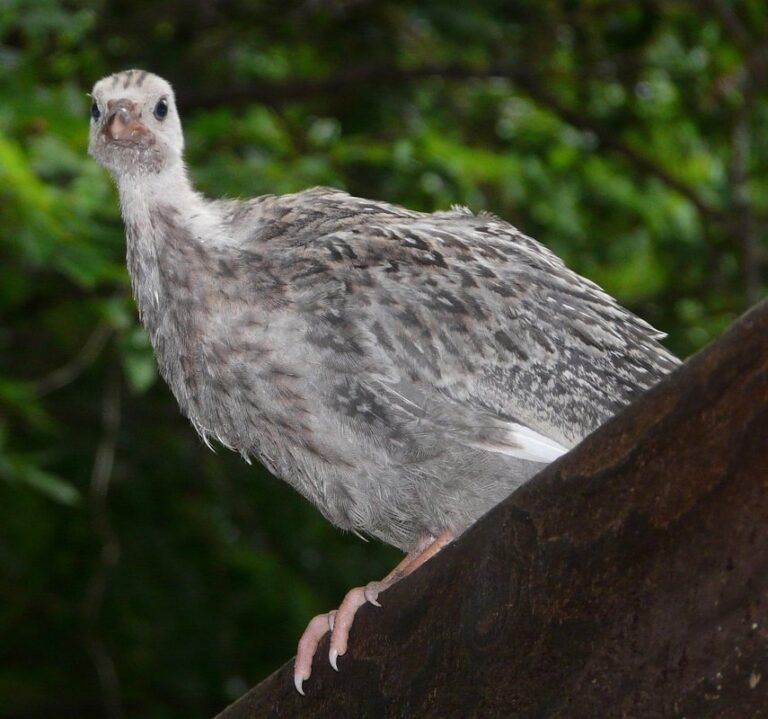
Guinea keets are the adorable babies of guineafowl, and they bring immense joy to many backyard chicken enthusiasts. These little fluffballs are known for their unique appearance, which is a combination of their mother’s striking plumage and their own tiny features. Their feathers may be slightly ruffled, but as they grow, they’ll develop into the beautiful patterns and colors that guineafowl are famous for.
As baby birds, guinea keets have specific needs to ensure they thrive and grow into healthy adult birds. They require a nutritious diet, plenty of space to move around, and proper temperature control in their brooder or enclosure. It’s essential to provide them with a warm and safe environment, as they’re highly susceptible to drafts and cold temperatures.
When it comes to caring for guinea keets, one crucial aspect is monitoring their growth rate. You’ll need to ensure that they’re getting enough protein-rich food to support their rapid development. A good rule of thumb is to offer them a starter feed that’s specifically formulated for young birds, supplemented with fresh fruits and vegetables daily.
Importance of Choosing the Right Breed
When it comes to raising guinea keets, choosing the right breed is one of the most critical decisions you’ll make. Each breed has its unique characteristics that can either make or break your experience as a breeder or owner. For instance, some breeds are known for their friendly and social nature, while others can be more territorial and aloof.
For example, if you’re looking to raise guinea keets for show, you’ll want to choose a breed with distinctive feather colors and patterns, such as the Ruby Red or Lavender Pearl. On the other hand, if you prefer a low-maintenance pet, a smaller breed like the Coronet might be a better fit.
Consider the space you have available too – larger breeds require more room to roam, while smaller ones can thrive in smaller enclosures. Temperament is also crucial: some breeds are prone to aggression or noise, while others are gentle and quiet.
Ultimately, research different breeds thoroughly before making a decision. Read up on their characteristics, talk to experienced breeders, and consider factors like climate, space, and your personal lifestyle to ensure you choose the right breed for you.
Preparing for Keet Arrival
Welcome to the exciting world of guinea keets! In this crucial section, we’ll walk you through essential preparations to ensure a smooth and stress-free arrival of your new feathered friends.
Setting Up a Suitable Brooder
When setting up a brooder for guinea keets, it’s essential to prioritize their health and well-being by creating an environment that closely mimics their natural habitat. A well-ventilated space is crucial, as guineas are prone to respiratory issues if the air is stale or too dry. Ensure the brooder has adequate ventilation, either through windows, vents, or a mesh top.
Provide enough space for each keet to move around comfortably. The general rule of thumb is to allocate about 2-3 square feet per bird in the first few weeks after hatching. This will allow them to stretch their wings and legs without feeling crowded. As they grow, you can gradually increase the space by adding more area or expanding the brooder.
Maintain a consistent temperature range between 90°F to 100°F (32°C to 38°C) in the first week, decreasing it by 5°F each subsequent week until they’re ready for outdoor living. Use heat lamps or ceramic heat emitters as necessary, but ensure easy access for monitoring and adjusting the temperature.
Guinea keets also require a humid environment, especially during their initial weeks of life. Maintain a humidity level between 50-60% to prevent dehydration and promote healthy development.
Nutrition and Water Requirements
When it comes to guinea keets, their nutrition and hydration needs are just as important as their housing and safety requirements. A balanced diet is crucial for their growth and development. Guinea keets need a mix of grains, proteins, and vitamins, which can be achieved through a commercial starter feed or a homemade mixture of oats, barley, and sunflower seeds.
It’s essential to provide fresh water at all times, but the amount may vary depending on the season and temperature. In hot weather, guinea keets will need more water to stay hydrated, so ensure that their water supply is not too deep to prevent them from getting waterlogged. Conversely, in colder months, they’ll require less water.
A general rule of thumb is to provide one quart of water per 10-12 keets. You can also add a small amount of calcium and grit to their water to support their bone growth and digestion.
Remember to always check the water level frequently, especially during extreme weather conditions.
Health Considerations
When raising guinea keets, it’s essential to consider their specific health needs and be aware of potential issues that can arise as they grow. We’ll outline some key considerations to keep your flock healthy.
Common Health Issues in Keets
As you raise your guinea keets, it’s essential to be aware of some common health issues that can affect them. Respiratory problems are one such issue that can arise due to factors like poor ventilation, high humidity, or cold temperatures. Symptoms may include labored breathing, wheezing, or coughing. If left untreated, respiratory problems can lead to more severe complications like pneumonia.
Another health concern is parasites, which can be introduced through contaminated food, water, or even the keets’ own mothers. Intestinal worms and mites are common parasites that can cause weight loss, lethargy, and diarrhea in keets. Regular deworming treatments can help prevent parasitic infections.
Bacterial infections are also prevalent among guinea keets, often caused by dirty living conditions, inadequate feeding practices, or improper handling. Signs of bacterial infection may include discharge from the eyes or nostrils, loss of appetite, or lethargy. To prevent and treat these issues, maintain a clean environment, provide nutritious food, and monitor your keets’ behavior regularly.
Remember to consult a veterinarian experienced in caring for guinea keets if you suspect any health issue. Early recognition and treatment can make all the difference in ensuring your birds stay healthy and thrive.
Vaccination and Medication Protocols
When it comes to keeping guinea keets healthy, understanding vaccination schedules and medication protocols is crucial. As a responsible guinea keet owner, you’ll want to consult with a veterinarian who has experience caring for birds to determine the best approach.
Not all vaccinations are created equal, and what works for one species may not work for another. Your veterinarian will be able to recommend a schedule that’s tailored to your guinea keets’ specific needs, taking into account their age, health status, and lifestyle. This might include vaccinations against diseases such as Newcastle disease, Infectious Bronchitis, or Respiratory Syncytial Virus (RSV).
In terms of medication protocols, it’s essential to have a plan in place for common illnesses like respiratory infections or parasites. Your veterinarian can advise on the best course of treatment and provide guidance on how to administer medications safely and effectively.
Remember, prevention is always better than cure when it comes to guinea keet health. By working closely with your vet and following their recommended protocols, you’ll be well-equipped to keep your flock healthy and thriving.
Raising Keets: Tips and Best Practices
Raising guinea keets can be a fun but intimidating experience, which is why we’ve put together some essential tips to help you get started on the right foot. From feeding to housing, we’ll cover it all here.
Socialization Techniques
Socialization from an early age is crucial for developing confident and friendly adult guineafowl. When keets are just a few days old, start handling them gently but frequently to get them accustomed to human touch and interaction. Hold them securely but carefully, making sure not to constrict their movement or wings.
As the keets grow older, introduce them to new environments, such as different rooms in your home or outdoor enclosures with various textures and smells. This will help them become more adventurous and less skittish around new sights and sounds.
Introducing guineafowl to other birds is also essential for their social development. Start by keeping the keets together in a group from an early age, allowing them to form close bonds with each other. You can also introduce them gradually to other birds, starting with those of similar size and temperament. By following these socialization techniques, you’ll raise confident and friendly adult guineafowl that are less likely to be aggressive or fearful around people and other animals.
Enrichment Ideas
When it comes to keeping your keets engaged and entertained, enrichment activities are essential. A keet’s mental and physical stimulation can easily be overlooked, leading to boredom and stress. However, with a little creativity, you can create an environment that fosters curiosity and exploration.
To start, try hiding their food or treats around the enclosure. This simple activity encourages foraging behavior, much like they would in the wild, where finding food is a daily challenge. You can place a few pieces of fresh fruit or veggies in plain sight to begin with, then gradually move them to harder-to-reach spots.
Creating obstacle courses using tubes, boxes, and other materials can also provide hours of fun for your keets. Not only do they love exploring new spaces, but it also helps develop their agility and problem-solving skills. Rotate the course regularly to keep things interesting and prevent boredom.
Toys are another great way to enrich your keet’s environment. Choose durable toys that won’t pose a choking hazard, such as wood or plastic toys, and swap them out every few days to maintain interest. Consider offering cardboard rolls, paper bags, or even an old book for them to shred and explore.
Integrating Keets into Your Flock
When introducing guinea keets to your existing flock, it’s essential to consider their unique personalities and needs. In this next step, we’ll cover some valuable tips for a smooth integration process.
Introduction Methods
When introducing guinea keets to your existing flock, it’s essential to do so gradually to avoid stressing the birds. Start by keeping them separate before allowing supervised interactions.
Begin by placing the keets and adult birds on opposite sides of a fence or divider that allows for visual contact but prevents direct interaction. This will give both groups time to become familiar with each other’s appearance, sounds, and movements without feeling threatened. Monitor their behavior closely, looking for signs of stress such as excessive noise, pacing, or aggressive posturing.
As the keets grow and mature, you can begin to introduce them to the adult birds under close supervision. Start by placing a keet in a pen with an adult bird that has been previously introduced to its presence. Gradually increase their time together over several days, always watching for signs of stress or aggression.
Keep in mind that some guinea keets may take longer than others to adjust to the flock dynamic, so be patient and give them the space they need.
Monitoring Behavior
When integrating guinea keets into your existing flock, it’s essential to keep a close eye on their behavior and that of the adult birds. This process can be complex, and conflicts may arise due to competition for food, space, or resources.
Start by monitoring both groups’ body language closely. Watch out for signs of stress, aggression, or fear, such as hissing, growling, or feather plucking. If you notice any of these behaviors, it’s crucial to intervene promptly to prevent the situation from escalating.
To reduce conflicts, ensure that each bird has access to enough food and water at all times. You may need to provide multiple feeders and watering stations to accommodate your growing flock. Also, consider increasing the size of their enclosure or coop to give everyone ample space to roam and exercise.
In some cases, you might need to separate the keets from the adult birds temporarily to prevent bullying or resource competition. Observe your flock’s dynamics carefully and be prepared to make adjustments as needed to ensure a harmonious coexistence.
Advanced Keet Care: Training and Handling
Now that you have a strong foundation in basic keet care, it’s time to take your knowledge to the next level by learning advanced training techniques. We’ll cover everything from clicker training to socialization methods.
Basic Training Techniques
When it comes to training guinea keets, patience and consistency are key. You can’t rush their development, so take a deep breath and get ready for the long haul. Positive reinforcement is essential here – never punish or scold them for mistakes. This will only create anxiety and make your keet more difficult to handle.
Start by establishing a routine that includes regular feeding times and play sessions. Use verbal cues like “come” and reward them with treats when they respond. For example, if you’re in the kitchen, call out “come” and they’ll scurry over in no time. Be sure to give them a treat as soon as they reach your side.
Basic commands like “sit,” “stay,” and “leave it” will help establish a strong bond with your keet. For “sit,” hold a treat above their head and move it backwards towards their tail. They’ll follow the food with their beak and eventually sit down on command. Remember to reward them as soon as they’re in position.
Consistency is crucial – try to use these commands at the same time every day so your keet knows what’s expected of them. Don’t worry if progress seems slow; patience will yield results, and you’ll be enjoying a well-behaved companion in no time.
Advanced Handling Methods
As your keets mature, you’ll be eager to take their handling skills to the next level. With patience and consistent training, they can learn advanced techniques that not only strengthen your bond but also provide a fun challenge for both of you.
Flying on command is an impressive trick that can be achieved with positive reinforcement. Start by holding your keet’s wings gently, then release them gradually as they become more confident. Use verbal cues like “fly” or “up” to signal takeoff. It’s essential to begin in a secure area where your keet won’t fly away or get injured.
You can also teach your guinea keets to respond to specific sounds, such as whistles or clapping. Begin by associating the sound with treats and rewards until they connect it with the desired action. For example, when you clap, your keet should respond by flying down to perch on your hand. This technique requires repetition and consistency but yields remarkable results.
Remember, every guinea keet is different, so tailor your training approach based on their unique personality and learning pace.
Conclusion and Final Tips
Now that you’ve learned about the joys of guinea keets, it’s time to put your newfound knowledge into practice. Whether you’re an experienced chicken keeper or just starting out, these tiny birds bring a unique charm to any flock. To ensure their health and happiness, remember to provide plenty of space for exercise and socialization – at least 10 square feet per bird indoors is recommended.
Keep in mind that guinea keets are social creatures and thrive on interaction, so be prepared to spend quality time with them daily. Also, make sure you’re adequately prepared for the noise they’ll bring into your life – guineas are known for their loud chirping! With these final tips in mind, you’ll be well-equipped to welcome a flock of adorable keets into your home and enjoy all the rewards that come with raising them.
Frequently Asked Questions
How Long Does it Take for Guinea Keets to Grow Their Feathers?
Guinea keets will develop their feathers rapidly during the first few weeks of life, but it may take around 6-8 weeks for them to fully grow and display their beautiful patterns. Be patient with your birds as they go through this phase, and ensure they have access to a balanced diet rich in nutrients.
Can I Raise Guinea Keets without a Coop or Run?
While guinea keets can be raised without a coop or run initially, it’s highly recommended that you provide them with a safe and secure enclosure as soon as possible. This will protect your birds from predators, harsh weather conditions, and potential health risks associated with free-ranging.
What are the Signs of Health Issues in Guinea Keets?
Be aware of common signs such as labored breathing, lethargy, loss of appetite, or visible injuries. Monitor your keets’ behavior closely, and consult a veterinarian experienced in caring for guineafowl if you suspect any health issues.
How Do I Introduce Guinea Keets to My Existing Flock?
When introducing new birds to your existing flock, do it gradually and under close supervision. Start by placing the guinea keets in a separate enclosure nearby, allowing them to become familiar with each other’s sounds and scents before making direct contact.
What are Some Common Mistakes People Make When Raising Guinea Keets?
Avoid over-handling or stressing your guinea keets during critical periods of growth. Also, ensure you provide a balanced diet that meets their nutritional needs, as an improper diet can lead to various health issues and affect overall well-being.