
Raising guinea keets can be an exciting experience for any poultry enthusiast. As these adorable babies grow into healthy adults, they bring immense joy to their owners with their gentle nature and playful personalities. However, caring for guinea keets requires attention to detail, especially during the first few weeks of life when they are most vulnerable. A stress-free environment is crucial for embryonic development, which lays the foundation for a thriving guinea fowl. In this expert guide, we’ll delve into the essential aspects of raising guinea keets, covering their nutritional needs, housing requirements, and health considerations to ensure you provide the best possible care for these precious birds. By following our comprehensive guide, you’ll be well on your way to raising happy, healthy guinea keets.
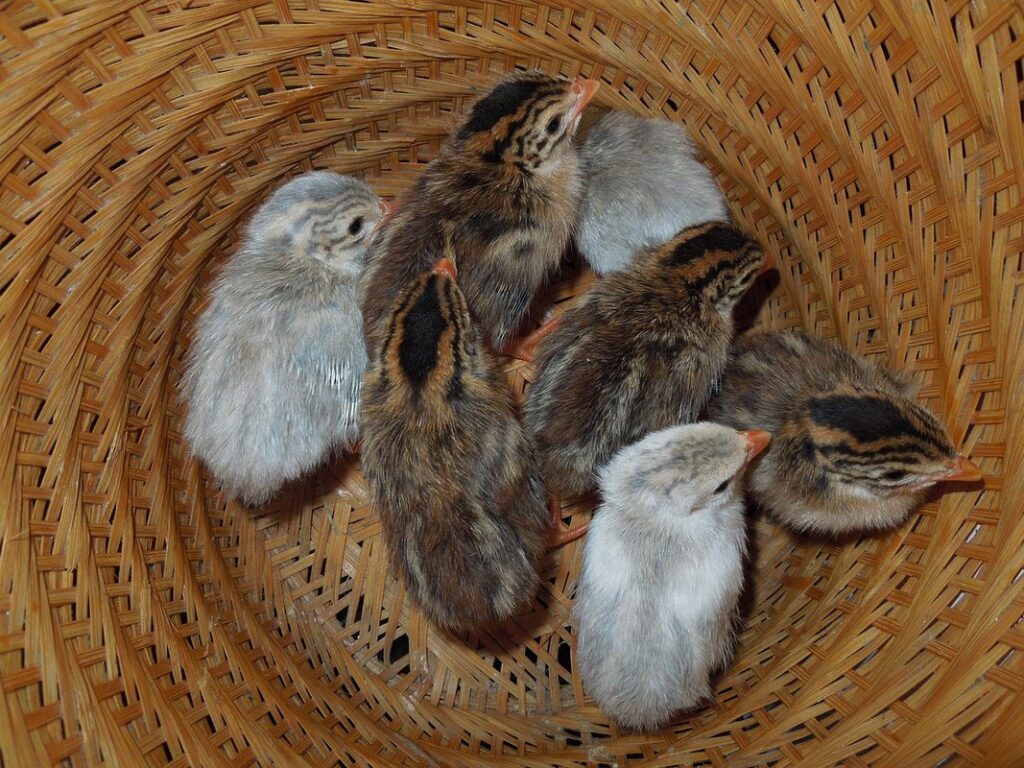
Understanding Guinea Keet Development
As you embark on the journey of raising guinea keets, understanding their development is crucial to ensuring they grow into healthy, happy adults. This section will break down the key stages and milestones in a guinea keet’s growth.
Stages of Embryonic Development
As guinea keets develop inside their eggs, it’s essential to understand the embryonic development stages they go through. After mating, guineafowl fertilize their eggs with a process called internal fertilization, where the rooster deposits his sperm into the hen’s oviduct. This leads to ovulation and subsequent egg formation.
Fertilized eggs typically incubate for 28-30 days before hatching. During this period, several critical developmental stages occur. At around 12-14 days, the embryonic disc (the precursor to the keet) develops into a fluid-filled cavity called the yolk sac. This is the primary source of nutrition for the growing embryo.
By day 16-18, the heart starts beating, and blood vessels begin forming. The embryo’s organs also start maturing rapidly during this time. At around 22-24 days, the beak, legs, and feathers start to develop. By day 28-30, the keet is fully formed and ready to pip its way out of the eggshell, marking the beginning of a new life in the world. Understanding these embryonic stages is crucial for guinea fowl breeders and owners to ensure optimal hatching rates and healthy keets.
Identifying Sex and Gender in Guinea Keets
As you raise your guinea keets, it’s essential to identify their sex as they grow. This is crucial for various reasons, including breeding and health considerations. So, let’s dive into the methods of determining sex in guinea keets.
Sex determination in guinea keets can be achieved through physical characteristics or genetic testing. At around 6-8 weeks of age, you can visually examine your keet to identify potential differences between males and females. For example, males tend to have a more prominent comb on their heads, while females often have a smaller comb or no comb at all.
However, it’s essential to note that physical characteristics alone may not be 100% accurate. Genetic testing is another reliable method for determining sex. You can collect a blood sample from the keet and send it to a laboratory for DNA sexing. This process involves analyzing the genetic material to determine the presence of specific genes associated with each sex.
Keep in mind that some breeds, such as silkies or polish, may require more advanced techniques due to their unique characteristics. Consult with an experienced breeder or veterinarian if you’re unsure about identifying sex in your guinea keet.
Health Considerations for Guinea Fowl Eggs
When it comes to raising healthy guinea keets, it’s essential to prioritize their development from the very beginning – even before they hatch. This starts with maintaining healthy eggs during incubation. Two critical factors to focus on are temperature control and turning.
A consistent and precise temperature is crucial for successful hatching. Guinea fowl eggs require a warm environment, typically between 99°F (37°C) and 100°F (38°C), to develop properly. A temperature fluctuation of even a few degrees can lead to embryo mortality or deformed keets. To achieve the perfect temperature, invest in an incubator with precise temperature control.
Turning is also vital for guinea fowl eggs. This process, called candling, allows the fertile egg’s yolk and embryo to move freely within the eggshell. If not turned, the chick can become stuck in one position, leading to stunted growth or failure to hatch. Turn your eggs at least three to four times a day, with each turn lasting about 5-10 seconds.
By maintaining optimal temperature control and turning your guinea fowl eggs regularly, you’ll be giving them the best chance of developing into healthy, strong keets that will thrive in their new environment.
Nutrition and Diet for Growing Guinea Keets
When it comes to raising healthy guinea keets, providing them with a balanced diet is crucial, so let’s dive into some essential nutrition guidelines. Here are our top tips for feeding your growing babies well.
Nutritional Requirements for Guinea Keet Growth
Guinea keets require a balanced diet that includes essential nutrients for optimal growth and development. One of the most critical components is protein, which should make up about 20-25% of their daily intake. Good sources of protein include high-quality commercial guinea keet starter feed, mealworms, and hard-boiled eggs.
Calcium is another vital nutrient that supports bone growth and development in young guinea keets. A diet rich in calcium will help prevent metabolic bone disease, a common issue in these birds. Dark leafy greens like kale and spinach are excellent sources of calcium, as well as crushed eggshells.
Vitamins A, D3, and E are also essential for maintaining healthy growth and development in guinea keets. Vitamin A supports the health of the skin, eyes, and mucous membranes, while vitamin D3 aids in the absorption of calcium. You can provide these vitamins through a balanced commercial feed or by offering supplements like cod liver oil.
When feeding your guinea keets, make sure to offer fresh water at all times and vary their diet to ensure they receive a broad range of essential nutrients. Consult with a veterinarian for specific recommendations on nutrition and supplements tailored to your flock’s needs.
Feeding Strategies for Different Ages
As your guinea keets grow and develop, their dietary needs change significantly. From hatch to maturity, it’s essential to provide them with a balanced and nutrient-rich diet that meets their specific requirements at each stage.
For the first few weeks after hatching, starter feed is essential for guinea keets. This specialized feed is formulated to meet the unique needs of young birds and should be provided ad libitum until they’re about four weeks old. At this stage, you can introduce small amounts of fresh vegetables, such as leafy greens or carrots, in addition to their starter feed.
As your keets grow, their dietary requirements shift towards more protein-rich foods. By six weeks, you can start introducing adult feed, which should make up the bulk of their diet. However, it’s still essential to provide some calcium supplements to support strong bone growth and development.
By around eight weeks, guinea keets are almost fully grown, and their dietary needs have stabilized. At this point, you can gradually phase out any treats or supplements, sticking to a balanced adult feed as their primary source of nutrition.
Housing and Environment for Guinea Keets
When it comes to housing your guinea keets, providing a safe and comfortable environment is crucial for their development and well-being. Let’s explore the best options for their coop and outdoor space.
Providing Adequate Space and Ventilation
When it comes to housing and environment for guinea keets, one of the most crucial aspects is providing adequate space and ventilation. These little fluffballs need room to move around, exercise, and engage in natural behaviors like dust-bathing and scratching.
Guinea keets require a minimum of 2-3 square feet of floor space per bird, but the more space you can provide, the better. A general rule of thumb is to plan for about 10% more space than you think they’ll need. This allows them to move around comfortably without feeling cramped or stressed.
Proper ventilation is also essential in preventing disease and respiratory problems. Guinea keets are prone to ammonia buildup from their droppings, which can cause respiratory issues if not addressed. To prevent this, make sure your enclosure has good airflow by installing windows, vents, or using a fan to circulate the air. A ratio of 1-2 square feet per bird of ventilation space is recommended.
Regular cleaning and maintenance are also vital in keeping the environment healthy for your guinea keets. Aim to clean their enclosure at least once a week, removing any droppings or soiled bedding, and replacing it with fresh material. This will help maintain good air quality and prevent disease-causing pathogens from building up.
Creating a Safe and Stress-Free Environment
When it comes to creating a safe and stress-free environment for your guinea keets, there are several key factors to consider. One of the most important is noise reduction. Guinea keets can be sensitive to loud noises, which can cause them significant stress. To minimize this, you can place their enclosure in a quiet area away from high-traffic zones or use sound-dampening materials such as acoustic panels.
In addition to reducing noise levels, proper lighting is also essential for guinea keets’ well-being. They require a photoperiod of 14 hours of light and 10 hours of darkness to maintain their natural circadian rhythms. You can achieve this by using a combination of artificial lighting and natural daylight. It’s also crucial to ensure that the lighting is not too intense or harsh, as this can cause discomfort.
Maintaining optimal temperature levels is another vital aspect of creating a stress-free environment for your guinea keets. A temperature range between 65°F to 75°F (18°C to 24°C) is ideal. You can achieve this by placing their enclosure in a room with a stable temperature or using heating/cooling pads specifically designed for small animals.
Health Issues and Diseases Affecting Guinea Keets
As a responsible guinea keet parent, it’s essential to know the common health issues that can affect your little ones, so you’re prepared for any situation. We’ll cover some of the most prevalent conditions and diseases to watch out for.
Common Health Problems in Guinea Fowl
As a guinea keet owner, it’s essential to be aware of the common health problems that can affect your birds. Newcastle disease is one of the most significant threats to guinea fowl health. This viral disease can spread quickly among birds and cause symptoms such as respiratory issues, diarrhea, and even death. To prevent outbreaks, ensure your keets are fully vaccinated against Newcastle disease.
Another major concern is coccidiosis, a parasitic infection that can cause severe digestive problems in guinea fowl. Coccidia parasites infect the intestines of young birds, leading to symptoms like bloody stools, lethargy, and weight loss. To prevent coccidiosis, provide your keets with a balanced diet rich in probiotics and maintain clean living conditions.
Regular monitoring and proper care can help minimize the risk of these diseases. Keep an eye out for any signs of illness, such as changes in behavior or droppings, and seek veterinary attention immediately if you suspect a problem.
Prevention and Treatment Strategies
When it comes to preventing and treating health issues in guinea keets, it’s essential to take proactive steps. One of the most critical aspects is vaccination protocols. Consult with a veterinarian experienced in caring for exotic birds to determine the best vaccination schedule for your flock. Typically, keets are vaccinated against diseases such as Newcastle disease and infectious bronchitis.
In addition to vaccinations, parasite control is vital to maintain the health of your guinea keets. Regularly check their droppings for signs of worms or other parasites. Use a safe, effective deworming medication as recommended by your veterinarian. Keep their living area clean, remove any feces or uneaten food daily, and maintain good hygiene practices.
Maintaining a balanced diet is also crucial in preventing health issues. Ensure that your keets have access to fresh water and a nutrient-rich feed specifically formulated for young birds. Avoid overfeeding, which can lead to obesity and related problems. With proper care and attention to these details, you can significantly reduce the risk of health issues affecting your guinea keets.
Socialization and Handling of Guinea Keets
Socializing guinea keets from a young age is crucial for their development, so let’s explore how to handle them gently and safely. This helps them become confident and friendly adult guineas.
Importance of Early Socialization
When you bring home guinea keets for the first time, it’s essential to start socializing them right away. This is a critical period that sets the foundation for their future behavior and temperament. Socialization is the process of introducing your keets to various environments, people, animals, and experiences, which helps them become confident and calm in new situations.
Handling your guinea keets regularly from an early age will also help them develop trust in humans. Start by gently picking them up for short periods, then gradually increase the time as they grow more comfortable. Make sure to support their body and never pick them up by their legs or tail. You can also try placing them on a soft surface, such as a towel, where they can explore freely.
Interaction with other animals is equally important. Introduce your keets to other guinea pigs, rabbits, or even calm dogs under close supervision to help them learn social skills and develop a sense of community. This exposure will also help prevent aggression and fear-based behaviors in the long run. Remember to keep interactions gradual and stress-free for all parties involved.
Tips for Gentle Handling and Training
When handling guinea keets, it’s essential to be gentle and patient. Keets are fragile and can easily become stressed, so it’s crucial to move slowly and carefully around them. To restrain a keet safely, you can use a towel or cloth to gently wrap the bird, making sure not to constrict its movements.
When training your guinea keets, start with simple exercises like teaching them to come when called or follow a specific route. You can begin by placing treats along the path and encouraging the keets to follow the scent. Gradually increase the distance between treats as they become more confident in their navigation skills.
Another effective method is clicker training, which involves associating sounds with rewards. By linking a distinct sound to a treat or praise, you can condition your guinea keet to perform desired behaviors on command. Be patient and consistent when training, as keets can be stubborn at times.
Breeding and Genetics for Healthy Guinea Keets
When it comes to raising healthy guinea keets, understanding breeding and genetics is crucial. This guide will walk you through the key factors to consider when selecting parents and creating a strong bloodline.
Choosing the Right Breed or Strain
When choosing the right breed or strain of guinea keets for your farm or backyard flock, there are several key factors to consider. First and foremost, think about temperament. Some breeds are known for being docile and friendly, while others can be more aggressive or skittish. If you’re looking to raise guineas as pets or with children, a gentle breed is essential.
Consider also the egg production of different strains. While guinea keets don’t lay as many eggs as chickens, some breeds are better layers than others. Look for breeds that produce around 100-120 eggs per year if you’re interested in using your guineas for their eggs.
Another important factor to consider is growth rate. Some breeds mature more quickly than others, which can be beneficial if you’re looking to harvest your keets faster or raise them as a meat source. On the other hand, slower-growing breeds may be better suited for smaller farms or those with limited space.
Ultimately, research different breeds and strains before making a decision, and consider factors like climate, management style, and personal preference when choosing the right guinea keets for your needs.
Genetic Considerations for Health and Productivity
When it comes to breeding guinea keets, understanding genetic principles is crucial for producing healthy and productive birds. Heterosis, also known as hybrid vigor, refers to the phenomenon where offspring from different breeds exhibit superior health and performance compared to their parents. This occurs because genetic diversity leads to increased resistance to disease and improved overall fitness.
However, relying solely on heterosis can have limitations. Selection pressures, such as intense breeding for specific traits, can lead to reduced fertility, increased susceptibility to disease, or even physical deformities in keets. As a breeder, it’s essential to balance the benefits of heterosis with responsible selection practices.
To maximize genetic diversity and minimize potential drawbacks, breeders should adopt a multi-breed approach, incorporating different genotypes and phenotypes into their breeding programs. This can help reduce the risk of selecting for deleterious traits while maintaining hybrid vigor. By understanding these genetic principles, you can make informed decisions about your breeding program and produce keets that thrive in health and productivity.
Frequently Asked Questions
What are the primary health concerns I should watch for during the first few weeks of guinea keet development?
Health issues such as hypovitaminosis A, hypovitaminosis D3, and Marek’s disease can be prevalent among young guinea fowl. Monitor your birds’ behavior, appetite, and stool quality to detect early signs of illness. Consult a veterinarian experienced in poultry care if you notice any unusual symptoms.
How often should I check the temperature and humidity levels in my guinea keet’s brooder?
Maintaining optimal environmental conditions is crucial during this critical period. Check the temperature daily and adjust as needed, aiming for 90-100°F (32-38°C) during the first week. Humidity levels should be around 50-60% to prevent respiratory issues.
Can guinea keets grow well on a starter feed specifically formulated for chickens?
Guinea fowl have distinct nutritional requirements that differ from those of chickens. While a starter feed might provide some essential nutrients, it may not meet the guinea keet’s specific needs for optimal growth and development. Consider consulting with a poultry nutritionist or using a guinea-specific feed.
What are the signs of heat stress in young guinea keets?
Guinea fowl can be sensitive to extreme temperatures. Watch for symptoms such as panting, lethargy, and reduced appetite when exposed to high temperatures (above 80°F/27°C). Provide adequate ventilation, shade, and cooling measures to prevent heat-related issues.
How do I introduce guinea keets to a larger flock or new environment without causing stress?
Gradual introduction is key. Start by keeping the birds separated at first, then gradually allow them to mingle under close supervision. Monitor their behavior, and intervene if you notice any signs of aggression or stress.