
Are you thinking of adding some new feathered friends to your backyard flock? If so, you might be considering raising Black Swedish ducklings. These adorable birds have stolen the hearts of many poultry enthusiasts with their unique appearance and charming personality. But before you bring home those fluffy bundles of joy, it’s essential to understand what makes them tick.
In this article, we’ll delve into the world of Black Swedish ducklings, covering their origins, distinct characteristics, and specific care requirements. We’ll also discuss common health issues that may arise and how to prevent or address them. Whether you’re a seasoned poultry owner or just starting out, our ultimate guide will equip you with the knowledge to raise healthy, thriving Black Swedish ducklings in your own backyard. Let’s get started on this exciting journey together!
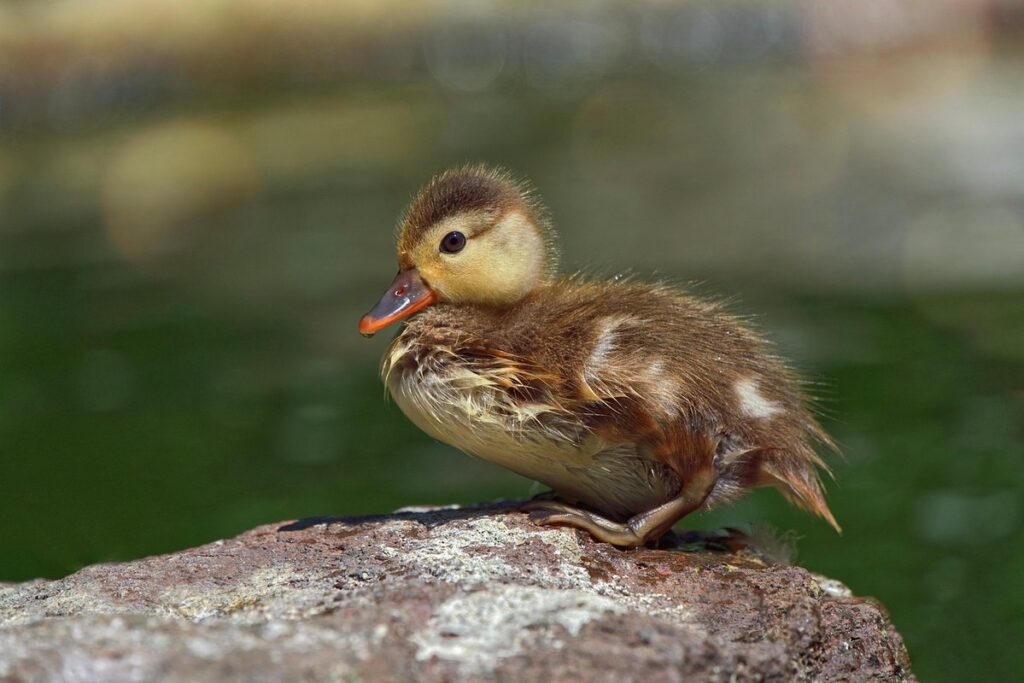
Introduction to Black Swedish Ducklings
Welcome to our introduction to these beautiful birds, where we’ll share the basics of what makes black Swedish ducklings such a beloved breed among waterfowl enthusiasts. Let’s dive in and get familiar!
Origin and History of Black Swedish Ducks
The origins of Black Swedish ducks date back to 19th century Sweden, where they were bred as a working duck for their ability to thrive in cold climates. These birds were prized for their intelligence, hardiness, and impressive egg-laying capabilities. Farmers would often keep them on small farms and homesteads to provide fresh eggs and meat.
Over time, Black Swedish ducks became popular among Swedish farmers due to their unique characteristics. They are well-suited to the country’s cold winters, with a thick layer of feathers that helps insulate them from freezing temperatures. Their hardiness also made them an excellent choice for farming in areas where other duck breeds might struggle to survive.
As the popularity of Black Swedish ducks grew, breeders began to refine their characteristics through selective breeding. Today, these birds are highly prized by backyard farmers and enthusiasts alike for their rich brown eggs, energetic personalities, and ability to thrive on small farms or homesteads. If you’re interested in raising your own Black Swedish ducklings, be sure to research local breeders who specialize in this unique and fascinating breed.
Characteristics of Black Swedish Ducklings
Black Swedish ducklings are adorable balls of fluff with distinctive physical characteristics that set them apart from other breeds. At birth, they weigh around 1-2 ounces and measure about 6 inches in length. Their soft, downy feathers are a mottled grey and black color, which helps them blend in with their surroundings.
As they grow, you’ll notice significant changes in their appearance. By six weeks of age, they will have developed a sleeker coat with a glossy sheen, although the exact shade may vary depending on individual birds. Males tend to be larger than females and have a more pronounced crown, while females often exhibit a slightly lighter plumage.
Black Swedish ducklings are also known for their energetic behavior from an early age. They love to explore and forage, and it’s not uncommon to see them investigating every nook and cranny of their surroundings. As they mature, you’ll notice a shift in their behavior, with adults becoming more laid-back and social.
It’s essential to monitor your ducklings’ growth and development closely, as this will help you identify any potential health issues early on. Regular checks on their weight, posture, and overall well-being can also ensure that they remain healthy and happy throughout their lives.
Choosing Healthy Black Swedish Ducklings
When it comes to selecting healthy black Swedish ducklings, there are several factors to consider to ensure you’re getting a strong start for your new feathered friends. Let’s dive into what to look out for.
Factors to Consider When Selecting Ducklings
When selecting healthy Black Swedish ducklings, there are several key factors to consider to ensure you bring home robust and thriving birds. First and foremost, take note of the age of the ducklings. Ideally, they should be around 4-6 weeks old when purchased from a reputable breeder or supplier. This allows them enough time to adjust to their new environment without being too stressed.
Next, inspect the weight of each duckling. A healthy Black Swedish duckling should weigh between 10-15 ounces (280-425 grams). If they appear underweight, it may indicate poor nutrition or other health issues. On the other hand, if they seem overweight, it could be a sign of overfeeding.
In addition to age and weight, observe the overall condition of each duckling. Look for signs of illness, injury, or stress, such as labored breathing, discharge around the eyes or nostrils, or uneven movement. Also, check for the presence of feathers, as a lack thereof may indicate poor nutrition or other health concerns.
When selecting multiple ducklings, try to choose birds that are roughly similar in age and weight to reduce competition for resources in their new environment.
Importance of Vaccination and Health Checks
Vaccination and health checks are crucial aspects of raising healthy Black Swedish ducklings. When you bring home your new feathered friends, it’s essential to prioritize their well-being by ensuring they’re protected against diseases that can be detrimental to their health.
As a responsible duck breeder or owner, you’ll want to schedule regular vaccinations for your Black Swedish ducklings. This is usually done at 4-6 weeks of age, and the vet will administer a series of vaccines to protect against common poultry diseases such as Newcastle disease, Infectious bronchitis, and Avian influenza.
In addition to vaccinations, it’s also vital to perform regular health checks on your Black Swedish ducklings. This involves inspecting their droppings, feathers, beak, and overall appearance for any signs of illness or stress. You can do this by monitoring their behavior, appetite, and egg-laying (if applicable). By catching potential issues early, you’ll prevent the spread of disease and ensure your birds receive prompt treatment.
Remember to work closely with a local veterinarian who has experience with poultry care to develop a vaccination and health check schedule tailored to your Black Swedish ducklings’ specific needs.
Raising Black Swedish Ducklings
If you’re welcoming new black Swedish ducklings into your family, finding a nutritious starter diet is crucial for their growth and development. A balanced mix of grains and protein will get them on the right track.
Nutrition and Feeding Requirements
When it comes to raising Black Swedish ducklings, their nutritional needs are of utmost importance. From day one, these little ones require a diet rich in protein and energy to support their rapid growth.
For the first few weeks, you’ll want to feed them a starter crumble or pellets specifically formulated for waterfowl. Aim for about 20-25% protein content, as this will help promote healthy muscle development. Some good options include Purina Game Bird Starter or Manna Pro Waterfowl Starter. As they grow, you can gradually transition them to a layer feed with around 16-18% protein.
It’s also essential to provide fresh water and a calcium supplement to support strong beak and bone growth. You can offer a cuttlebone or crushed oyster shells as a tasty treat and source of calcium. Be sure to have clean, shallow water sources available at all times to prevent drowning. As for quantity, you’ll want to feed them about 1/4 cup of starter crumble per duckling per day, divided into two meals. Adjust the amount as they grow and mature, but always ensure they have access to food and water throughout the day.
Housing and Environmental Considerations
When it comes to raising Black Swedish ducklings, providing a safe and healthy environment is crucial for their growth and development. When setting up housing for your ducklings, make sure the coop is well-ventilated, dry, and protected from predators. A good rule of thumb is to provide at least 2-3 square feet of space per duckling inside the coop.
In addition to adequate ventilation, you’ll also want to ensure that your ducklings have access to a secure outdoor area where they can exercise and engage in natural behaviors like foraging and swimming. Consider installing a fence or netting around the outdoor enclosure to prevent escape attempts.
When it comes to environmental factors, be mindful of extreme temperatures and humidity levels. Black Swedish ducklings are sensitive to heat stress, so ensure their coop is shaded and equipped with adequate ventilation to keep them cool. Similarly, avoid areas prone to flooding, as this can lead to health issues in your ducklings. By prioritizing a safe and healthy environment, you’ll set your Black Swedish ducklings up for success and help them thrive into happy, healthy adults.
Common Health Issues in Black Swedish Ducklings
As you start raising your black Swedish ducklings, it’s essential to be aware of common health issues that can arise, such as scaly legs and respiratory problems. Knowing what to look out for will help you provide the best care possible.
Identifying Signs of Illness or Disease
As a Black Swedish duckling owner, it’s essential to be aware of the signs and symptoms of common health issues that can affect your feathered friends. Respiratory problems are one such issue, often caused by viral or bacterial infections, poor ventilation, or exposure to damp environments. If you notice your ducklings wheezing, coughing, or having difficulty breathing, it’s crucial to seek veterinary attention immediately.
Parasites like mites, lice, and fleas can also infest Black Swedish ducklings, causing discomfort, stress, and even anemia. Look for symptoms such as excessive scratching, feather loss, or visible parasites on the skin. Regular cleaning of their enclosure, monitoring for signs of infestation, and using preventative measures like dust baths can help prevent parasitic infections.
Bacterial infections, such as pneumonia, are another common concern in ducklings. Watch for symptoms like labored breathing, lethargy, and loss of appetite. Keeping your ducklings’ living environment clean, providing a balanced diet, and ensuring access to fresh water can all contribute to maintaining their overall health and reducing the risk of bacterial infections. Regular monitoring and prompt veterinary care are key in addressing any health concerns that may arise.
Treatment Options for Common Ailments
When treating common health issues in Black Swedish ducklings, it’s essential to have a solid understanding of the available treatment options. For respiratory issues such as pneumonia, medication like enrofloxacin or doxycycline can be administered orally or through injection. However, supportive care is also crucial, which may include maintaining a warm and humid environment, providing plenty of fresh water, and ensuring adequate nutrition.
In cases of enteric issues like diarrhea, it’s often recommended to withhold food for 24-48 hours and provide electrolyte-rich fluids. For example, you can mix 1 teaspoon of Epsom salt with their drinking water to help replenish lost electrolytes. Quarantine procedures are also vital in preventing the spread of disease among your flock.
Another essential aspect of treatment is monitoring your ducklings’ progress closely. Keep a close eye on temperature, weight, and overall health, adjusting treatment plans as needed. For example, if you notice a significant drop in temperature or increased lethargy, it may be necessary to adjust medication dosages or switch to more supportive care measures.
By combining the right medications with proper supportive care and quarantine procedures, you can effectively treat common ailments and keep your Black Swedish ducklings healthy.
Breeding and Caring for Adult Black Swedish Ducks
As you’ve welcomed your adorable black Swedish ducklings into your family, it’s time to think ahead: how will you care for them as they grow into healthy adult ducks? This section will guide you through that journey.
Mating and Reproduction Requirements
When it comes to breeding and caring for adult Black Swedish ducks, understanding their mating and reproduction requirements is crucial for success. Black Swedish ducks are known to breed well, but they do have specific needs that must be met.
The ideal breeding season for Black Swedish ducks typically begins in late spring to early summer, when temperatures rise and daylight hours increase. This allows the birds to build nests and lay eggs successfully. To encourage pair bonding and breeding, it’s essential to introduce your male and female ducks at a young age and allow them to develop a strong bond.
A good rule of thumb is to breed your Black Swedish ducks every 28-30 days during peak laying season. With proper care and nutrition, a healthy female duck can lay up to 120 eggs per year. It’s also essential to provide a safe and comfortable nesting area for the females to lay their eggs, as they are naturally inclined to do so.
By understanding these mating and reproduction requirements, you’ll be well on your way to successfully breeding and caring for your adult Black Swedish ducks.
Tips for Keeping a Happy and Healthy Flock
As your flock of Black Swedish ducks grows and matures, it’s essential to prioritize their socialization and enrichment. A happy and healthy adult duck is more likely to be a productive layer and a delight to observe. Start by introducing the birds to each other gradually, allowing them to get accustomed to one another’s presence and quacks.
Provide a variety of activities to stimulate their natural foraging behavior. Fill treat-dispensing toys with their favorite foods or plants, like dandelion greens and sunflower seeds, to challenge their problem-solving skills. Rotate the toys regularly to prevent boredom and maintain mental stimulation.
Regular health checks are also vital in maintaining a healthy flock. Keep an eye out for signs of stress, such as excessive feather pecking, labored breathing, or changes in appetite. Schedule regular inspections with your veterinarian to monitor for any underlying health issues. A balanced diet, clean living conditions, and adequate space will go a long way in keeping your Black Swedish ducks happy and healthy.
Consider implementing a rotation system for the birds’ access to the outdoors and water sources to prevent overcrowding and promote social distancing. By providing a stimulating environment, promoting social interaction, and maintaining their physical health, you’ll be rewarded with a thriving and content flock of adult Black Swedish ducks.
Conclusion: Raising Thriving Black Swedish Ducklings
Now that you’ve learned how to care for your adorable black Swedish ducklings, let’s talk about what it takes to raise them into thriving and healthy adult ducks. With these final tips, you’ll be well on your way.
Recap of Key Takeaways
Raising healthy and thriving Black Swedish ducklings requires attention to detail, patience, and a willingness to learn. As we conclude our comprehensive guide on raising these magnificent waterfowl, let’s recap the key takeaways that will help you ensure their well-being.
First and foremost, it’s essential to provide your ducklings with a safe and clean environment. This means setting up a spacious brooder with adequate ventilation, keeping the temperature between 90-95°F (32-35°C) for the first week, and gradually reducing it by 5°F (3°C) each week thereafter. Also, make sure the brooder is free from drafts and moisture.
Proper nutrition is also vital for your ducklings’ growth and development. Offer a high-quality starter feed that’s formulated specifically for waterfowl, and supplement with fresh fruits and vegetables daily. Remember to provide access to clean, unfrozen water at all times.
In terms of health checks, keep an eye out for signs of illness or stress, such as labored breathing, lethargy, or changes in droppings. Regularly inspect their beaks, feet, and eyes for any signs of infection or injury.
As your ducklings grow and mature, introduce them to the outdoors gradually, starting with short periods under close supervision. This will help them adjust to new sights, sounds, and environments without stress.
Lastly, socialization is crucial in raising confident and friendly Black Swedish ducks. Handle them gently but frequently from an early age, and provide opportunities for interaction with other waterfowl or even pets like cats or dogs.
By following these guidelines, you’ll be well on your way to raising a flock of happy, healthy, and thriving Black Swedish ducklings that will bring joy to your family for years to come.
Frequently Asked Questions
Can I raise Black Swedish ducklings indoors, or do they require outdoor space?
Yes, you can raise Black Swedish ducklings indoors, but it’s essential to provide them with adequate outdoor space for exercise and foraging once they’re old enough. A minimum of 10 square feet per bird is recommended for indoor housing. However, for optimal health and well-being, it’s best to provide a secure, fenced area outside where they can roam freely.
What’s the ideal temperature range for Black Swedish ducklings?
Black Swedish ducklings require a consistent temperature between 40°F and 90°F (4°C and 32°C) during their first few weeks. After that, they can adapt to temperatures as low as 20°F (-7°C). However, it’s crucial to provide a warm, draft-free area for them to retreat to on extremely cold days.
How often should I vaccinate my Black Swedish ducklings against common diseases?
The frequency of vaccination depends on your location and the specific health risks in your area. Typically, you’ll need to vaccinate your Black Swedish ducklings at around 4-6 weeks old, followed by a booster shot 2-3 months later. Consult with a veterinarian or poultry expert for guidance tailored to your region.
Can I keep other types of ducks alongside Black Swedish ducklings?
Yes, but it’s crucial to ensure compatibility between breeds. Black Swedish ducklings are generally calm and gentle, making them suitable for mixed-flock environments. However, introducing new birds can still lead to stress and conflict. Monitor their behavior closely and take steps to prevent aggression or bullying.
What’s the best way to handle health issues in my flock?
Regular health checks, proper nutrition, and a clean living environment are key to preventing common ailments. If you do encounter health issues, it’s essential to consult with a veterinarian experienced in poultry care. Keep detailed records of your birds’ vaccination history, dietary changes, and any illnesses or treatments administered. This will aid in identifying potential causes and developing effective treatment plans.