
Are you ready to meet one of the most charming additions to your backyard or farm? Look no further than the adorable buff duckling! Originating from specific breeds, these little balls of fluff are taking the world by storm with their irresistible charm and endearing personalities. But what makes buff ducklings so special? Not only do they offer a unique twist on traditional duck care, but they also require expert attention to thrive. Whether you’re an experienced breeder or a newcomer to the world of waterfowl, understanding the intricacies of buff duckling nutrition, health, and breeding is essential for giving these lovable creatures the best possible start in life. In this article, we’ll delve into the fascinating world of buff ducklings, providing expert care tips and insights that will have you falling head over heels for these irresistible birds!
What Are Buff Ducklings?
If you’re new to duck keeping, you might be wondering what all the fuss is about when it comes to buff ducklings – let’s dive into their unique characteristics.
Definition and Origin
Buff ducklings are a delightful and popular breed among duck enthusiasts. But what exactly makes them unique? Let’s dive into their definition and origin to get a better understanding of these charming little birds.
At its core, the term “buff” refers to the duckling’s distinctive yellow-brown plumage, which differentiates it from other breeds. This characteristic coloration is due to the presence of beta-carotene in the ducklings’ diet, which is responsible for their vibrant orange hue. Buff ducklings are a result of selective breeding, with farmers and breeders aiming to accentuate this desirable trait.
The origins of buff ducklings can be traced back to Europe, where they were first bred as a variation of the Khaki Campbell breed. Over time, they’ve become popular worldwide for their friendly nature, high egg-laying capacity, and hardiness. One notable characteristic that distinguishes buff ducklings from other breeds is their ability to thrive in a variety of climates and environments. Whether you’re raising them for eggs or companionship, buff ducklings are sure to bring joy to your backyard flock!
Physical Characteristics
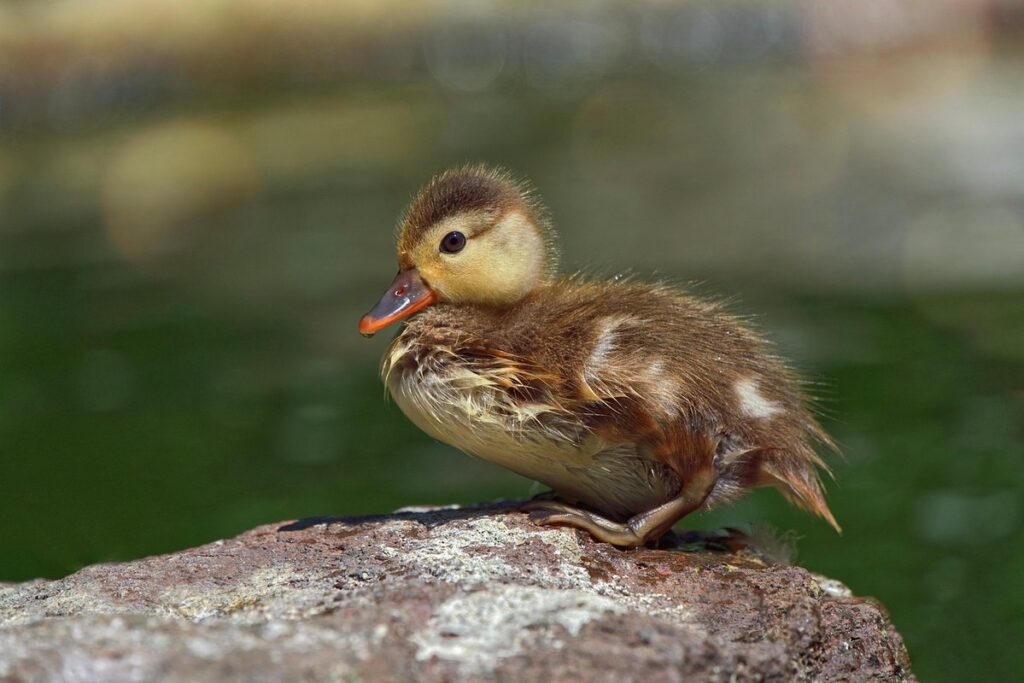
Buff ducklings are adorable balls of fluff with a unique charm that makes them stand out among other duck breeds. When it comes to their physical characteristics, you’ll notice they have a distinct appearance that’s both endearing and eye-catching.
Their feathers are a key part of their charm, and buff ducklings boast a beautiful coat of soft, fluffy plumage in shades of golden brown to dark brown. The color can vary depending on the individual bird, but one thing’s for sure – it’s always stunning! Their feathers are also relatively short, which gives them a compact, rounded appearance.
When it comes to their beak, buff ducklings have a bright orange or reddish-orange beak that matches their lively personality. It’s a beautiful contrast to the rich tones of their feathers and adds to their charm.
In terms of size, buff ducklings are generally smaller than other duck breeds, but they’re by no means petite. On average, you can expect them to reach about 2-3 pounds in weight and stand around 6-8 inches tall. Of course, this can vary depending on factors like diet and genetics, but overall, buff ducklings have a compact, athletic build that’s perfect for their lively demeanor.
Raising Buff Ducklings: Tips for Breeders
Raising buff ducklings requires careful attention to their diet, environment, and health from day one. As a breeder, you want to ensure your new arrivals get off to a strong start.
Nutritional Needs
When it comes to raising buff ducklings, their nutritional needs cannot be overlooked. As they grow and develop, they require a balanced diet that meets their specific requirements for optimal health and growth.
Starter feed is essential for young ducklings, providing them with the necessary energy, protein, and other nutrients for rapid growth. Look for a starter feed specifically formulated for waterfowl, as these feeds typically contain higher levels of protein (around 18-20%) to support their growth. A good quality starter feed will also include vitamins and minerals such as vitamin A, D3, and E to ensure proper development.
During critical growth stages, such as from 0-8 weeks old, it’s crucial to provide a nutrient-rich diet. In addition to starter feed, consider supplementing with calcium-rich foods like crushed eggshells or dark leafy greens (like kale or spinach) to support strong bone growth and development.
A balanced diet is vital during this period, as any deficiencies can lead to stunted growth, weakened immune systems, and other health issues. To ensure your buff ducklings receive the nutrients they need, always provide fresh water and a clean feeding area, and avoid overfeeding or underfeeding.
Health Considerations
As a breeder of buff ducklings, it’s essential to be aware of the common health issues that can affect this breed. Respiratory problems are one of the most significant concerns for young ducklings, particularly during their first few weeks. Beak trimming and adequate ventilation in the brooder can help prevent respiratory issues.
Parasites such as mites, lice, and fleas can also infest buff ducklings, causing discomfort and stress. Regular cleaning of the brooder and applying a suitable pest control method can help keep these parasites under control. Genetic disorders unique to this breed include Angel wings and skeletal deformities, which can be managed through selective breeding.
Early detection is critical in addressing health issues in buff ducklings. Keep an eye out for signs such as labored breathing, lethargy, or unexplained weight loss. Consult a veterinarian experienced in poultry care if you suspect any health problems. Implementing a robust vaccination program and maintaining good hygiene practices will also go a long way in keeping your buff ducklings healthy and thriving.
A balanced diet rich in nutrients is crucial for the growth and development of buff ducklings. Provide a starter feed specifically formulated for young waterfowl, and ensure access to fresh water at all times.
Buff Duckling Behavior and Socialization
When it comes to buff ducklings, socialization is key. In this section, we’ll explore how to help your young feathered friends become confident and friendly companions.
Temperament and Trainability
When it comes to buff ducklings’ temperament and trainability, many owners are pleasantly surprised by their calm and gentle nature. These little balls of fluff are known for being extremely docile, making them an excellent choice for families with children or for those who want a low-maintenance pet.
One of the most significant advantages of buff ducklings is their high trainability. With patience, consistency, and positive reinforcement, you can teach your buff duckling to follow basic commands, such as “come,” “stay,” and even “swim” in a specific area. For example, start by associating treats with desired behaviors, then gradually increase the complexity of commands.
In terms of socialization, buff ducklings are highly adaptable and get along well with other animals in a flock setting. However, it’s essential to introduce them slowly and under close supervision to prevent any potential conflicts. By doing so, you’ll create a harmonious environment where your feathered friends can thrive together.
Social Structure and Housing Requirements
When introducing buff ducklings to their new environment, it’s crucial to establish a suitable social structure. As social animals, they thrive on interaction and will grow into calm and friendly adult ducks with proper care and attention.
A recommended group size for buff ducklings is around 3-4 birds per enclosure, as this allows for adequate socialization without overcrowding. However, if space permits, larger groups can be managed effectively by providing a spacious and well-designed enclosure that accommodates the needs of each bird.
When designing an enclosure for your buff ducklings, consider allocating at least 2-3 square feet of floor space per bird, along with ample room for flying, swimming, and exercise. Ensure the area is secure, predator-proofed, and sheltered from harsh weather conditions to promote their overall well-being.
By providing sufficient space and social interaction, you can help your buff ducklings develop into healthy, friendly, and robust adult ducks that will bring joy to any backyard or farm setting.
Breeding Buff Ducklings: Best Practices
Breeding buff ducklings requires attention to detail, and by following our expert tips, you’ll be well on your way to raising healthy and thriving young ducks. Let’s dive into the best practices for breeding success.
Mating and Fertility
When it comes to breeding buff ducklings, understanding mating and fertility is crucial for success. To start, you’ll need to select healthy breeders with desirable traits such as egg-laying capacity, feather quality, and temperament. Look for birds that are at least six months old and have a good feeding history.
Next, consider the fertility cycles of your breeders. Buff ducks typically breed from late spring to early fall, with peak fertility occurring in May and June. This is because their reproductive hormones respond to daylight hours and temperature fluctuations. To manage mating pairs effectively, pair males and females by age and size to prevent dominance issues.
For optimal egg production, keep the male-to-female ratio at 1:5 or 1:6. Monitor for signs of over-breeding, such as stress, feather loss, or decreased egg production. Provide a safe and comfortable breeding environment with adequate space and nutrition to support reproductive health.
When introducing new breeders, do so gradually to prevent stress. Start by keeping them separate for a few days before pairing them in the same enclosure. This will help reduce aggression and ensure a smooth transition.
Incubation and Brooding Techniques
When it comes to raising buff ducklings, proper incubation and brooding techniques are crucial for their early development. You’ll want to start by setting up a reliable incubator that can maintain a consistent temperature between 99.5°F and 100.5°F (37.7°C to 38°C) during the first 28 days of incubation.
Humidity management is also vital, with an optimal range of 50-60% relative humidity for the first 10 days. After that, you can gradually decrease it by about 1-2% each day until hatching.
Turning frequencies are another critical aspect to consider during the incubation process. Aim to turn the eggs at least three times a day, making sure not to jostle or bump them excessively. This helps prevent blood from accumulating in the embryo’s heart and ensures even development of the duckling’s internal organs.
By following these guidelines for temperature control, humidity management, and turning frequencies, you’ll be well on your way to successfully incubating eggs from buff ducks and setting up a strong foundation for their growth and development.
Buff Duckling Care Beyond Hatch Day
As you enjoy watching your buff ducklings grow, it’s essential to prepare for their transition from hatch day to a healthy, thriving adult. This next stage requires attention to specific needs and care adjustments.
Vaccination and Health Monitoring
As a buff duckling owner, it’s essential to prioritize their vaccination and health monitoring from an early age. At around 3-4 weeks old, the first vaccinations are administered to protect against diseases such as Marek’s disease, Newcastle disease, and infectious bronchitis.
The American Association of Avian Veterinarians recommends a series of vaccinations for young ducklings, with boosters given at 6-8 weeks and 12-14 weeks. It’s crucial to follow the veterinarian’s guidelines for vaccination schedules and protocols to ensure your buff ducklings receive the necessary protection against potential health threats.
Regular health monitoring is equally vital in maintaining the overall well-being of your ducklings. Keep an eye out for any signs of illness, such as lethargy, loss of appetite, or changes in droppings or behavior. Check their weight regularly to ensure they’re growing at a healthy rate. Monitor their beak and nail growth, too, as overgrowth can lead to discomfort and health issues.
A balanced diet, proper hygiene, and regular exercise will also contribute significantly to your buff ducklings’ overall health. Schedule regular check-ups with your avian veterinarian to catch any potential health issues early on.
Housing and Environmental Considerations
As your buff ducklings grow and mature, it’s essential to provide them with a safe and healthy environment that meets their unique needs. When it comes to housing design, remember that ducklings require more space than chickens as they grow. Aim for at least 2-4 square feet of floor space per bird indoors, and ensure the coop is well-ventilated to prevent respiratory issues.
When integrating your buff ducklings into an adult flock, start by introducing them in a separate enclosure within the existing run. This will allow them to get accustomed to each other’s presence without the risk of conflicts or bullying. Monitor their behavior closely and intervene if necessary.
Predator protection is also crucial. Consider investing in hardware cloth or chicken wire with openings no larger than 1 inch to prevent foxes, coyotes, and other predators from accessing your flock. Cover any outdoor areas at night when predators are most active to ensure your ducklings’ safety.
Buff Duckling Nutrition Beyond Starter Feed
Once your buff ducklings have outgrown their starter feed, it’s time to introduce them to a more balanced diet that will fuel their growth and development into healthy adults. This section covers some key nutritional considerations for transitioning your ducklings.
Transition to Adult Feed
As your buff ducklings grow and develop, they will eventually outgrow their starter feed. It’s essential to transition them to adult feed at an optimal age to ensure they continue to thrive. Typically, this transition occurs around 4-6 weeks of age, but it may vary depending on the specific needs and growth rate of your flock.
When transitioning from starter to adult feed, it’s crucial to do so gradually to prevent digestive upset. A common mistake is to abruptly switch feeds, which can lead to reduced egg production, decreased feather quality, or even health issues in some cases. Instead, you can follow a step-by-step process:
* Mix 25% of the adult feed with 75% of the starter feed for the first few days.
* Gradually increase the proportion of adult feed over the next week, aiming to be at 100% adult feed by around 6-8 weeks.
It’s also essential to monitor your ducklings’ weight and overall health during this transition period. Keep an eye on their appetite, energy levels, and fecal quality to ensure they’re adjusting well to the new diet.
Supplementing with Fresh Produce
As buff ducklings grow and develop, their nutritional needs shift beyond the basics of starter feed. Supplementing with fresh produce is an excellent way to provide them with essential vitamins, minerals, and antioxidants that can enhance their overall health and well-being.
When introducing fresh fruits and vegetables into your buff duckling’s diet, it’s crucial to follow some guidelines to ensure safe consumption. Start by selecting produce that’s free of pesticides and contaminants. Opt for organic or locally sourced options whenever possible. For example, leafy greens like kale, spinach, and collard greens are rich in nutrients and can be a great addition to your duckling’s diet.
Proper storage is also vital when it comes to fresh produce. Store fruits and vegetables in sealed containers or bags to maintain freshness and prevent contamination. Cut up or chop produce just before serving to prevent spoilage and ensure your ducklings get the most nutritional value. A good rule of thumb is to limit the amount of new foods introduced at one time, so you can monitor for any signs of adverse reactions.
Some examples of safe fruits and vegetables for buff ducklings include:
• Leafy greens (kale, spinach, collard greens)
• Berries (strawberries, blueberries, raspberries)
• Melons (cantaloupe, honeydew)
• Carrots
• Sweet potatoes
Remember to introduce new produce gradually and in small amounts to prevent digestive upset. A good starting point is 1/4 cup of chopped fresh produce per duckling per day. Monitor your buff ducklings’ response and adjust the quantity as needed.
Advanced Topics in Buff Duckling Management
As you gain more experience with buff ducklings, you’ll want to tackle some of the more complex challenges that come with raising these charming waterfowl. This section will delve into those intricacies and provide expert advice on advanced topics.
Selection for Desired Traits
When it comes to buff ducklings, selecting for desirable traits is crucial to create a high-performing and visually appealing flock. One of the most important characteristics to consider is egg-laying performance. If you’re looking to breed ducks specifically for their eggs, look for buff ducklings that exhibit strong growth rates, robust health, and an early onset of reproductive maturity.
To select for top-notch egg producers, observe your ducklings’ behavior around 12-14 weeks old. Those that are consistently active, curious, and assertive tend to become better layers later in life. You can also use the “comb test” – a developed comb is often indicative of robust health and future reproductive potential.
Another desirable trait is feather quality. Look for ducklings with smooth, tightly packed feathers and a well-defined buff coloration. This not only enhances their appearance but also reflects overall genetic integrity. By identifying these characteristics early on, you’ll be able to breed ducks that excel in both production and aesthetics.
Genetic Considerations
When it comes to managing buff ducklings, understanding genetic considerations is crucial for maintaining healthy and diverse populations. A diverse gene pool is essential for ensuring the long-term health and resilience of your flock. This means avoiding inbreeding, which can lead to a range of issues including reduced fertility, increased susceptibility to disease, and decreased growth rates.
To maintain a diverse gene pool, it’s recommended to introduce new bloodlines every 2-3 generations. This can be achieved by acquiring ducklings from reputable breeders or trading with other breeders. When introducing new birds, make sure to carefully consider their lineage and breeding history to avoid introducing potential genetic issues.
Inbreeding programs can also have negative consequences on your flock’s health and productivity. However, when done correctly, outbreeding programs can help improve the overall quality of your buff ducklings by introducing desirable traits from other breeds or lines. When implementing an outbreeding program, be sure to carefully select breeding stock that complements your existing flock’s genetic makeup.
Remember, maintaining a diverse gene pool is an ongoing process that requires careful planning and management. By prioritizing genetic diversity, you’ll be well on your way to raising healthy, thriving buff ducklings.
Frequently Asked Questions
How Do I Determine the Sex of My Buff Ducklings?
To determine the sex of your buff ducklings, you’ll need to wait until they are around 4-6 weeks old. At this stage, you can perform a simple sexing test by checking for genital development. Typically, males have larger cloacal protuberances and a more prominent tail. However, it’s essential to note that sexing buff ducklings can be challenging due to their similar appearance.
What Are the Most Common Health Issues Affecting Buff Ducklings?
Buff ducklings are generally hardy birds, but they can be prone to certain health issues, such as musculoskeletal problems and respiratory infections. Regular vaccinations, a balanced diet, and proper housing conditions can help minimize the risk of these diseases. It’s also crucial to maintain good hygiene practices when handling your buff ducklings.
Can I Keep Buff Ducklings Indoors During Extreme Weather Conditions?
While it’s tempting to keep your buff ducklings indoors during harsh weather conditions, this can be detrimental to their health and well-being. Buff ducklings require regular exercise and exposure to natural light and fresh air. However, if you must bring them indoors, ensure they have adequate ventilation and space to move around.
How Do I Introduce New Buff Ducklings to My Existing Flock?
Introducing new buff ducklings to an existing flock requires patience and careful planning. Start by keeping the new birds isolated for a few days before gradually introducing them to the main group under close supervision. This will help prevent any potential conflicts or stress.
What Are Some Tips for Raising Buff Ducklings in Cold Climates?
Raising buff ducklings in cold climates demands extra attention to their housing and feeding requirements. Ensure that your coop is well-insulated, and provide a balanced diet rich in protein and energy. You may also need to adjust the lighting schedule to accommodate the shorter daylight hours during winter months.