
If you’re an avid bird enthusiast or looking to expand your backyard menagerie, chances are you’ve heard of the charming Tibetan Coturnix quail. Native to the mountainous regions of Tibet and parts of China, these delightful birds have gained popularity among breeders and enthusiasts worldwide for their striking appearance and friendly nature. However, caring for and breeding Tibetan Coturnix quails requires a deep understanding of their specific needs and requirements. This is where our comprehensive guide comes in – covering essential topics such as habitat setup, balanced diet, health considerations, and expert-level breeding techniques to help you bring these lovely birds into your life. Whether you’re an experienced breeder or just starting out, this article has everything you need to know about successfully caring for and breeding Tibetan Coturnix quails.
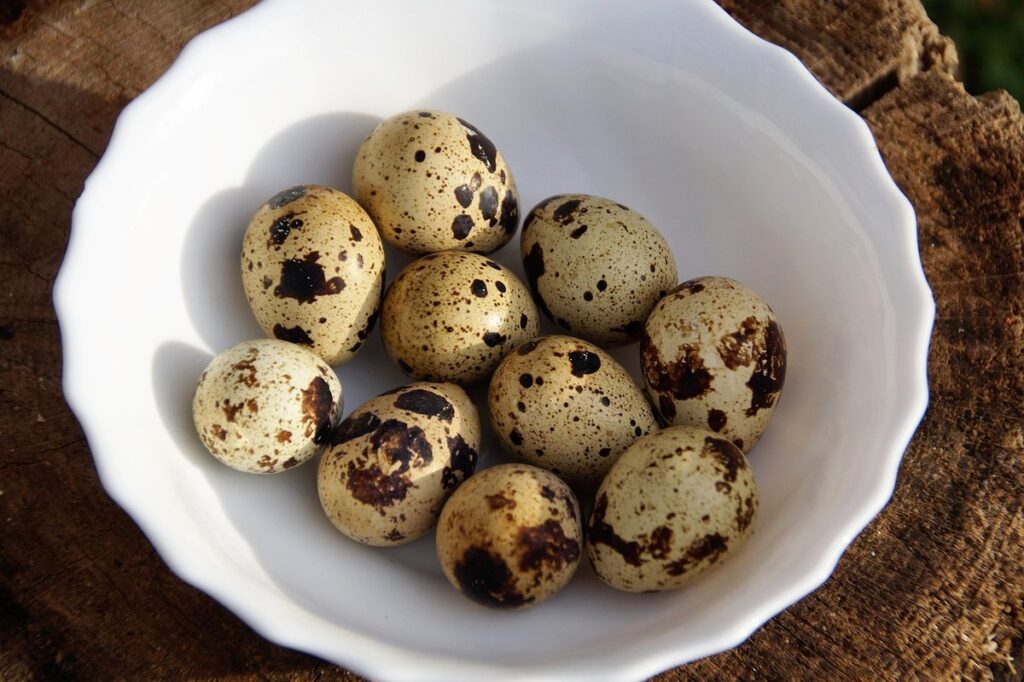
Overview of the Species
This section provides a comprehensive overview of the Tibetan Coturnix quail, covering its unique characteristics and traits that set it apart from other bird species. Let’s dive in and explore this fascinating creature!
History and Origin
The Tibetan Coturnix quail has an intriguing history that spans centuries and continents. Originating from the rugged terrain of the Himalayas, this hardy bird was once a staple in the local cuisine and culture. In fact, its ancestors were first domesticated by the ancient Tibetans over 1,000 years ago.
The Tibetan Coturnix quail’s introduction to Europe is attributed to Italian breeders in the late 19th century. These pioneering poultry enthusiasts recognized the bird’s unique characteristics – compact size, striking plumage patterns, and gentle disposition – making it an attractive addition to ornamental collections. European breeders selectively bred the birds, refining their appearance and temperament, which ultimately led to the creation of various color varieties.
Interestingly, a significant portion of modern-day Tibetan Coturnix quail populations can be traced back to these early Italian imports. Today, enthusiasts around the world prize this charming species for its beauty and endearing personality, making it an increasingly popular choice among backyard chicken keepers and ornamental poultry fanciers.
Physical Characteristics
The Tibetan Coturnix Quail is a striking bird with distinct physical characteristics that set it apart from other quail species. When it comes to size, these birds are relatively small, weighing around 2-3 ounces (60-80 grams) and measuring approximately 6-7 inches (15-18 centimeters) in length.
One of the most notable features of the Tibetan Coturnix Quail is its plumage. The male quails sport a vibrant coat of brown and gray feathers with distinctive white stripes on their necks, while females have a duller coloration with less prominent markings. The beak shape is also worth noting – it’s relatively short and stout, perfect for pecking at seeds and grains.
Other distinguishing features include the quail’s compact body, rounded tail, and strong legs that enable them to navigate rocky terrain with ease. If you’re planning to keep Tibetan Coturnix Quails as pets, be prepared to provide them with plenty of space to roam and exercise – a large aviary or enclosure will help them thrive.
When observing these birds in their natural habitat, pay attention to their striking coloration and agile movements. With proper care and attention, the Tibetan Coturnix Quail can make for an engaging and rewarding pet.
Habitat and Care Requirements
To ensure these wonderful birds thrive, it’s essential to provide them with a suitable environment that meets their specific needs. This includes understanding their habitat and care requirements in detail.
Housing and Environment
When it comes to providing a comfortable and healthy environment for your Tibetan Coturnix quails, their housing needs are crucial. First and foremost, the cage size is essential. A minimum of 2 square feet per bird is recommended, but larger cages with at least 3-4 square feet per bird will provide ample space for them to move around.
Ventilation is also vital in maintaining a healthy environment. Ensure that your quail’s enclosure has adequate airflow by providing vents or windows that allow fresh air to circulate. A fan can be installed to help increase ventilation, especially during hot summer months.
Temperature control and humidity management are equally important. Tibetan Coturnix quails prefer temperatures between 60-80°F (15-27°C) and humidity levels around 50-60%. To achieve this, you can place their cage near a window or use a space heater to maintain the desired temperature. Avoid placing them in areas prone to drafts or extreme temperatures.
When choosing an enclosure, consider using a wire mesh top to allow for airflow while keeping predators out. Ensure that the cage is escape-proof and provides enough room for perches, nesting boxes, and food/water dishes.
Diet and Nutrition
When it comes to providing optimal care for your Tibetan Coturnix quail, their dietary requirements are of utmost importance. In the wild, these birds feed on a variety of plants and insects found in the Himalayas, where they naturally inhabit.
Their native diet consists mainly of seeds, grains, fruits, leaves, and insects such as beetles and grasshoppers. To replicate this diet in captivity, you can offer your quail a mix of commercial quail pellets or seed mixes supplemented with fresh vegetables and fruits daily. For example, offering leafy greens like kale and spinach, along with berries and citrus fruits, will help provide essential vitamins and minerals.
However, it’s crucial to note that giving your quail too many seeds can lead to an imbalance in their diet. A good rule of thumb is to limit seed intake to no more than 20% of their total diet. Also, ensure access to fresh water at all times, as quails require a lot of moisture-rich foods due to their high metabolism.
To maintain optimal health, you should also provide your quail with a calcium supplement, especially if they’re laying eggs regularly. You can add crushed eggshells or oyster shells to their food to ensure they get the necessary calcium for strong bone development and eggshell production.
Breeding and Reproduction
When it comes to raising Tibetan Coturnix quail, understanding their breeding and reproduction habits is crucial for successfully multiplying your flock. Let’s dive into the intricacies of their mating cycles and egg-laying processes.
Breeding Program Setup
When setting up a breeding program for Tibetan Coturnix quails, it’s essential to start with selecting suitable breeders. You’ll want to choose birds that have a proven track record of producing high-quality offspring. This can be achieved by selecting breeders from reputable sources or by evaluating the existing stock on your own farm.
Quarantine procedures are also crucial to prevent the introduction of diseases and parasites into your breeding program. This involves isolating new birds for at least 30 days before introducing them to your main flock. During this period, monitor their health closely and ensure they have access to clean food, water, and living conditions.
In terms of breeding facilities, provide a safe and comfortable environment for your quails. A spacious aviary with adequate ventilation, temperature control, and protection from predators is ideal. You’ll also want to consider the age and sex ratio of your birds, as well as their dietary needs. Ensure that your facility can accommodate a minimum of 10-15 birds per breeding unit.
It’s also worth noting that record-keeping is vital for maintaining a successful breeding program. Keep accurate records of each bird’s ancestry, health, and reproductive history to make informed decisions about future breedings.
Brooding and Rearing
When it comes to breeding Tibetan Coturnix Quail, one of the most critical stages is brooding and rearing. This period begins when the female quail lays eggs and ends when the chicks are fully grown and independent. To ensure a healthy and successful hatch, it’s essential to provide proper incubation conditions.
A temperature range of 99-100°F (37-38°C) and humidity levels between 50-60% is ideal for incubating Coturnix Quail eggs. It’s also crucial to maintain a consistent temperature and avoid drafts, which can lead to embryo death or failed hatchings. After 16-18 days of incubation, the eggs will start to pip, and the chicks will begin to emerge.
During this critical stage, it’s essential to provide proper nutrition and care. Quail chicks require a starter feed that is rich in protein (around 20%) to support their growth and development. Ensure fresh water and a clean environment at all times to prevent health issues. Provide adequate ventilation and ensure the brooder is well-insulated to maintain optimal temperatures. Monitor your chicks’ weight, appetite, and overall behavior closely to identify any potential health concerns early on.
Health Considerations
When it comes to caring for your Tibetan Coturnix quail, there are several health considerations you should be aware of to ensure their well-being and longevity. Proper care can help prevent common issues.
Common Ailments and Diseases
Tibetan Coturnix quails are prone to certain health issues that can affect their well-being and longevity. Respiratory problems, for instance, can be a common issue in these birds due to their compact body size and short nasal passages. This can make them more susceptible to respiratory infections such as bronchitis and pneumonia.
Another common problem is mites, which are tiny parasites that feed on the blood of quails. They can cause discomfort, stress, and even anemia if left untreated. Regular cleaning and disinfection of their enclosure, along with a thorough inspection for any signs of mites, can help prevent infestations.
Diseases specific to Tibetan Coturnix quails include coccidiosis, a parasitic infection that affects the gastrointestinal tract, and fowlpox, a viral disease that causes lesions on the skin and mucous membranes. Vaccination against these diseases is essential for maintaining the health of your quail flock. Regular monitoring of their behavior and physical condition will also help you identify any potential health issues early on.
It’s also crucial to maintain a clean and hygienic environment, ensure proper nutrition, and provide regular vaccinations to prevent and control these common ailments in Tibetan Coturnix quails.
Preventative Measures
To prevent health issues and keep your Tibetan Coturnix quail thriving, it’s essential to focus on good husbandry practices. This includes maintaining a clean and healthy environment, providing a balanced diet, and implementing vaccination protocols when necessary.
First, ensure that your quail enclosure is well-ventilated and kept at a comfortable temperature between 65-75°F (18-24°C). Regularly clean the cage by removing soiled bedding, disinfecting food and water containers, and washing feeders. A clean environment will help reduce the risk of disease transmission.
Implement a vaccination program to protect your quail against diseases such as Newcastle disease, infectious bronchitis, and coccidiosis. Consult with a veterinarian experienced in poultry care to determine the best vaccine schedule for your flock.
Feed a high-quality commercial quail feed or a well-balanced diet that includes grains, fruits, and vegetables. Provide fresh water at all times, and consider adding supplements such as calcium and vitamins to support strong bone growth and overall health.
By following these preventative measures, you can significantly reduce the risk of health issues in your Tibetan Coturnix quail flock.
Showing and Exhibiting
When it comes to showcasing your Tibetan Coturnix Quail, there are a few key things to consider for success in the show ring. Let’s take a closer look at what sets them apart.
Quail Show Standards
When showing Tibetan Coturnix quails, it’s essential to understand the standards that determine their eligibility for competitions. The first criterion is weight, with cocks typically weighing between 120-150 grams and hens weighing between 100-125 grams. Size is also a crucial factor, with birds measuring around 25-30 cm in length.
Feather quality is another key aspect of quail show standards. Birds should have well-groomed feathers that are smooth to the touch, with no visible defects or damage. The color and pattern of the feathers must be consistent with the breed standard, which for Tibetan Coturnix quails includes a mix of brown and white markings on a grey background.
Judges also evaluate birds on their overall appearance, posture, and movement. Birds should have a balanced stance, with their wings held naturally at their sides. In terms of movement, judges look for birds that can walk with ease and confidence, without displaying any signs of weakness or stiffness.
When preparing your quail for show, make sure to carefully check its weight and size against the breed standard. Ensure that its feathers are well-groomed and free from any defects. With attention to these details, you’ll be well on your way to presenting a competitive Tibetan Coturnix quail at local shows.
Tips for Successful Exhibiting
When it comes to exhibiting your Tibetan Coturnix quail, preparation is key. One crucial aspect is getting your birds accustomed to being handled and shown. Start by gradually introducing them to the show environment, allowing them to become familiar with the sights, sounds, and smells of the exhibition hall.
Practice handling your quail regularly to build their confidence and make them easier to manage during shows. Focus on gentle, careful movements, ensuring not to cause stress or discomfort. Train yourself and others in proper handling techniques to minimize the risk of injury or escape.
During exhibitions, stay calm and composed. This will help to reduce any potential stress your quail may experience, making them more likely to perform well. Familiarize yourself with the show schedule and rules, so you can plan and manage your time effectively.
To increase your chances of winning awards, make sure your birds are healthy, clean, and well-groomed before exhibiting them. Research local breed standards and focus on developing the distinctive characteristics that judges look for in Tibetan Coturnix quail. With careful preparation and handling, you’ll be well-equipped to showcase your birds at their best.
Advanced Breeding Techniques
For experienced breeders looking to take their quail game to the next level, advanced breeding techniques offer a wealth of new opportunities and challenges to explore.
Selective Breeding Programs
When it comes to taking your Tibetan Coturnix quail breeding program to the next level, selective breeding is a powerful tool to enhance desirable traits. By carefully selecting and breeding individuals with specific characteristics, you can achieve remarkable improvements in just a few generations.
To implement an effective selective breeding program, start by identifying the traits you want to prioritize – size, plumage quality, or fertility, for instance. You’ll need a robust database to track your birds’ performance and keep records of their lineage, growth rate, and reproductive history. This will enable you to pinpoint the specific genetic factors contributing to the desired characteristics.
Focus on breeding individuals that excel in the target trait while maintaining overall health and vigor. For example, if you’re after larger quails, select birds from the top 10% in terms of size and breed them with others from their own group or a similar cohort. This approach will help concentrate the genetic factors driving size increases.
Regularly monitoring your breeding program’s progress is crucial to making informed decisions about future selections. By regularly assessing the results of each breeding cycle, you can refine your selection criteria and adjust your strategy accordingly.
Genetic Diversity Management
Managing genetic diversity is crucial for maintaining the overall health and vigor of the Tibetan Coturnix quail breed. Without proper selection and breeding practices, genetic diversity can decline over time, making the breed more susceptible to diseases and reducing its adaptability to changing environments.
To maintain genetic diversity, it’s essential to incorporate a mix of purebred and outbred individuals into your breeding program. This involves selecting birds from diverse ancestral backgrounds and incorporating them into your flock. For example, you can introduce a new sire or dam with a different genetic makeup to bring in fresh genes and reduce inbreeding.
Inbreeding can lead to a loss of vigor and increased susceptibility to diseases. Aim for a minimum of 20-30% outbred ancestry per generation to maintain genetic diversity. Regular health checks and monitoring of fertility rates can also help identify potential issues early on. By implementing these measures, you’ll be able to preserve the unique characteristics and robustness of your Tibetan Coturnix quail flock.
Frequently Asked Questions
What are the essential health checks I should perform on my Tibetan Coturnix quail flock regularly?
Perform a thorough visual inspection of your birds at least once a week, looking for signs of illness or injury. Check their eyes, ears, beak, and legs for any abnormalities, and inspect their droppings to ensure they’re free from mucus or blood. Consult a veterinarian with experience in quail care if you notice anything unusual.
Can I keep Tibetan Coturnix quails with other bird species, such as chickens or ducks?
Yes, but it’s crucial to introduce them slowly and under close supervision to prevent stress and aggression. Ensure the enclosure is large enough for all birds, providing adequate space and resources. Research specific compatibility guidelines for each species combination.
How can I ensure my Tibetan Coturnix quails have sufficient genetic diversity within their breeding program?
Implement a selective breeding program that prioritizes genetic diversity by rotating breeders, using multiple sires, or incorporating unrelated stock. Monitor the program’s progress and make adjustments as needed to maintain a healthy and diverse gene pool.
What are some common mistakes beginners make when setting up a quail breeding program, and how can I avoid them?
Failing to research local regulations, inadequate space planning, and poor health protocols are common pitfalls. Thoroughly investigate your area’s laws and regulations regarding birdkeeping, plan carefully for housing and equipment needs, and prioritize good husbandry practices.
Can I use artificial lighting to regulate my Tibetan Coturnix quails’ breeding cycles, or is natural light sufficient?
While some breeders successfully employ artificial lighting, it’s essential to replicate the natural day-night cycle as closely as possible. Consider using a photoperiod-controlled lighting system, but also ensure your birds have access to an unlit area for rest and relaxation.