
Are you thinking of adding some feathered friends to your backyard? Look no further than the Pharaoh Coturnix quail! These small but mighty birds are gaining popularity among poultry enthusiasts, and for good reason. With their gentle nature and impressive egg-laying abilities, it’s no wonder why many hobbyists are turning to raising Pharaoh Coturnix quails.
In this article, we’ll delve into the world of these fascinating birds, covering essential topics such as housing, nutrition, health, breeding, and management. Whether you’re a seasoned bird breeder or just starting out, our expert tips will guide you in building a thriving flock. We’ll explore the unique characteristics of Pharaoh Coturnix quails and provide practical advice on how to care for them, ensuring you get the most out of your backyard quail-keeping experience.
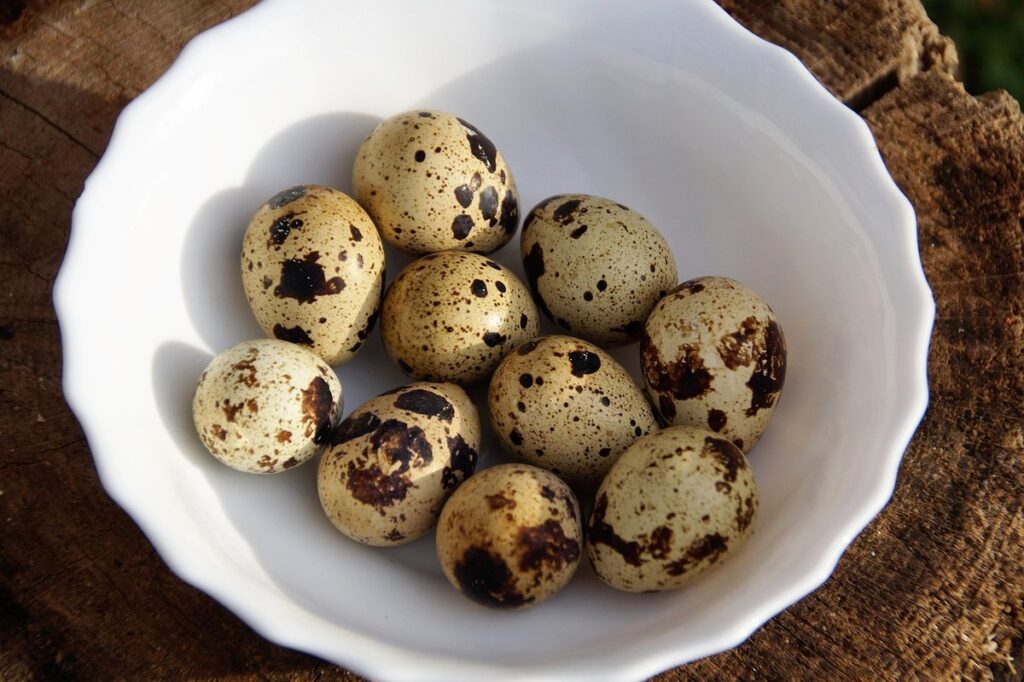
Introduction to the Pharaoh Coturnix Quail
The Pharaoh Coturnix quail is a fascinating breed known for its unique characteristics and gentle nature, making them an excellent choice for backyard chicken enthusiasts. Let’s take a closer look at this charming bird.
History and Origins of the Breed
The Pharaoh Coturnix quail breed has a rich and fascinating history that spans thousands of years. Originating from Africa, these birds were highly prized by ancient Egyptians for their exceptional hunting skills and delicious meat. In fact, the name “Pharaoh” is a nod to their esteemed status in Egyptian society.
As game birds, Pharaoh Coturnix quails were bred specifically for their speed, agility, and tenacity. They would be released into the wild to hunt small insects and seeds, making them an invaluable resource for farmers and hunters alike. The breed’s popularity continued through the centuries, with European aristocrats importing them to their estates for both hunting and ornamental purposes.
Today, Pharaoh Coturnix quails are enjoyed by enthusiasts worldwide not only for their sporting prowess but also for their unique characteristics and versatility in the kitchen. Whether you’re a seasoned hunter or an avid bird enthusiast, this breed offers endless opportunities for exploration and appreciation.
It’s worth noting that Pharaoh Coturnix quails are relatively easy to care for and can thrive in small spaces, making them an excellent choice for backyard flocks or even urban enthusiasts. With proper handling and care, these birds will reward you with years of entertainment, companionship, and possibly even a few fresh meals!
Characteristics and Benefits of Raising Pharaoh Coturnix Quails
The Pharaoh Coturnix quail is an attractive and sought-after species among backyard farmers and hobbyists due to its unique characteristics. One of the most notable features of this breed is their compact size, making them perfect for small-scale farming or even urban areas where space is limited. On average, they weigh around 6-8 ounces (170-225 grams) and stand about 4-5 inches (10-13 centimeters) tall.
In terms of egg-laying ability, Pharaoh Coturnix quails are prolific layers, producing an impressive 200-250 eggs per year. This is significantly higher than many other quail breeds, making them an excellent choice for those looking to harvest a steady supply of eggs. Their temperament is also noteworthy, as they are known to be friendly and docile, making them suitable for family farms or educational settings.
Another benefit of raising Pharaoh Coturnix quails is their ease of care. They require minimal space, simple housing, and a balanced diet that can be easily replicated in a backyard setting. This makes them an excellent choice for beginners who are new to poultry keeping or those with limited experience.
Housing and Equipment for Pharaoh Coturnix Quails
When it comes to raising healthy Pharaoh Coturnix quails, providing a suitable housing environment is crucial. This includes setting up coops that meet their specific needs for shelter and protection.
Setting Up a Suitable Enclosure
When it comes to creating an enclosure for your Pharaoh Coturnix quails, size is one of the most critical factors. These birds are social and need space to move around, so a minimum enclosure size of 2x4x4 feet (60x120x120 cm) is recommended. However, larger enclosures are always better, as they provide ample room for your quails to exercise and engage in natural behaviors.
Ventilation is another essential aspect to consider when setting up an enclosure. Pharaoh Coturnix quails are sensitive to ammonia buildup from their droppings, so proper ventilation is crucial. Ensure that the enclosure has adequate airflow by installing windows or vents on opposite sides of the enclosure. This will help to dissipate any ammonia fumes and maintain a healthy environment for your birds.
To protect your quails from predators, secure the enclosure with strong wire mesh or hardware cloth. The mesh should be at least 1 inch (2.5 cm) in diameter to prevent escape attempts by determined birds. Additionally, consider adding a roof overhang to shield the enclosure from harsh weather conditions and predators that may be lurking overhead.
Choosing the Right Feeders and Watering Systems
When it comes to housing Pharaoh Coturnix quails, choosing the right feeders and watering systems is crucial for their health and well-being. Quails are social animals that thrive in a stress-free environment, which is why having an efficient feeding system can make all the difference.
For one, you’ll want to opt for feeders that minimize waste and keep food clean. Consider using hoppers or bell-shaped feeders with lids to prevent debris from entering and keeping pests away. You can also use hanging feeders to save space and reduce mess.
In terms of watering systems, quails need access to fresh water at all times. A good rule of thumb is to provide one watering source per 10-15 birds. Use a sturdy waterer with a wide mouth to prevent tipping over, and place it in an easy-to-reach location for your quails.
Some popular options include plastic or metal waterers with built-in filters, which can help keep the water clean and free from bacteria.
Nutrition and Health Care for Pharaoh Coturnix Quails
When it comes to keeping your Pharaoh Coturnix quails healthy, providing a balanced diet is essential. This section will cover the nutritional needs of your birds and tips for maintaining their overall health.
Balanced Diet and Supplement Options
When it comes to maintaining the health and well-being of your Pharaoh Coturnix quails, nutrition plays a vital role. A balanced diet is essential for ensuring that your birds receive all the necessary nutrients for optimal growth, egg production, and overall health.
To provide a balanced diet, you should offer a mix of high-quality commercial feed as the main staple, supplemented with fresh fruits, vegetables, and grains. For example, you can add chopped carrots, apples, or leafy greens to their meals 2-3 times a week. It’s also essential to ensure that your quails have access to clean, fresh water at all times.
In addition to dietary supplements, there are other options available, such as adding grit and oyster shells to support digestive health and calcium levels respectively. However, it’s crucial to consult with a veterinarian before making any significant changes to your quails’ diet.
By paying attention to their nutritional needs and providing a well-rounded diet, you can help prevent common health issues associated with poor nutrition, such as feather pecking, egg binding, and respiratory problems.
Preventing Common Health Issues in Quails
As a Pharaoh Coturnix quail owner, it’s essential to be aware of common health issues that can affect your birds. Respiratory problems are one of the most prevalent issues, often caused by poor ventilation, drafts, or exposure to damp environments. To prevent this, ensure good airflow in their enclosure and maintain a clean, dry atmosphere.
Parasites like mites, lice, and fleas can also infest your quails, causing discomfort and stress. Regular cleaning of the coop and daily inspection for signs of parasites are crucial in preventing infestations. You should also provide a balanced diet that includes supplements to boost their immune system.
Diseases such as avian cholera, Newcastle disease, and bronchitis can be life-threatening if left untreated. Vaccination is not always necessary, but it’s recommended for quails exposed to other birds or in areas with high disease prevalence. Monitor your quails’ behavior, appetite, and droppings closely, and consult a veterinarian promptly if you notice any unusual symptoms.
It’s also vital to maintain good hygiene practices when handling your quails, such as washing your hands before and after interaction, and keeping their living area clean and free of waste.
Breeding and Egg Production in Pharaoh Coturnix Quails
If you’re planning to raise pharaoh coturnix quails, understanding their breeding habits and egg production is crucial for a successful flock. This section will cover the essential details on these topics.
Understanding the Reproductive Cycle of Quails
Pharaoh Coturnix quails have a relatively short reproductive cycle compared to other bird species. The breeding season for these birds typically begins when they are around 4-6 months old and can lay eggs continuously throughout the year, given optimal conditions.
The fertility rate of Pharaoh Coturnix quails is high, with females able to store sperm from males for up to a week after mating. This unique reproductive trait allows breeders to manage their flocks efficiently by controlling breeding cycles through diet and lighting adjustments.
Quail breeders often observe that the egg-laying pattern follows a natural cycle of 26-28 days, with some individuals exhibiting more frequent or less frequent laying patterns depending on factors such as nutrition, health, and environmental conditions. To maximize egg production, it’s essential to maintain optimal living conditions, including adequate ventilation, space per bird, and balanced diets.
By understanding the reproductive cycle of Pharaoh Coturnix quails, breeders can better manage their flocks, identify potential issues early on, and make informed decisions about breeding programs.
Tips for Maximizing Egg Production
To maximize egg production in Pharaoh Coturnix quails, it’s essential to provide them with a balanced diet that includes a mix of commercial feed, fruits, and vegetables. Ensure the feed contains sufficient calcium for strong eggshell development. Fresh water should always be available, and consider adding a cuttlebone or crushed oyster shells as a source of additional calcium.
Maintaining a clean and stress-free environment is also crucial for optimal production. Keep their coop well-ventilated, dry, and free from drafts. Provide adequate space (at least 1 sq ft per bird) to allow for comfortable movement. Natural light exposure should be moderate, with some shade available during hot weather.
Proper management of stress levels can significantly impact egg production. Minimize handling, especially during breeding or molting periods. Monitor temperature fluctuations and ensure a consistent ambient temperature between 60°F-75°F (15°C-24°C). Regularly clean the coop and feeding areas to prevent disease outbreaks, maintaining a healthy environment for your quails.
By attending to these factors, you can optimize egg production in Pharaoh Coturnix quails.
Management and Handling Techniques for Pharaoh Coturnix Quails
When it comes to managing your Pharaoh Coturnix quail flock, understanding proper handling techniques is crucial for their health and safety. Let’s dive into some essential management tips for a thriving quail colony.
Safe Handling Practices for Backyard Farmers
As a backyard farmer raising Pharaoh Coturnix quails, handling these birds requires care and attention to detail. When it comes to safety guidelines for handling quails, it’s essential to consider the stage of development of the birds.
When handling chicks, start by placing them gently in a cupped hand to prevent injury or escape. Make sure your hands are clean and dry before handling them. Be gentle but firm when picking up chicks, as they can be fragile. For older quails, always support their bodies with one hand while holding their wings with the other. This will help prevent flapping and minimize stress.
Handling eggs requires a bit more caution. Clean and dry hands are a must to avoid transferring bacteria or other contaminants to the eggshells. When collecting eggs from your coop, make sure to do so gently to avoid cracking them. It’s also crucial to inspect the eggs regularly for any signs of damage or breakage. This will help you identify potential issues early on and prevent contamination.
In addition to handling quails safely, it’s essential to prioritize your own safety in the process. Wear protective gear such as gloves when handling quails or collecting eggs to avoid exposure to bacteria or other germs.
Managing Stress and Reducing Aggression in Quails
Managing stress and reducing aggression in Pharaoh Coturnix quails is crucial for their overall well-being. These birds can become stressed due to various reasons such as changes in environment, lack of social interaction, or inadequate space. When left unchecked, stress can manifest into aggressive behavior, posing a threat to both the bird itself and its keepers.
One effective way to reduce aggression and alleviate stress is through environmental enrichment. This involves providing quails with novel objects, toys, and accessories that stimulate their natural foraging behavior. For instance, you can place a few pieces of fresh fruit or vegetables in the enclosure to encourage exploration and problem-solving.
Another critical aspect is socialization. Pharaoh Coturnix quails are social birds that thrive on interaction. Ensure they have sufficient space and companionship to engage with each other. Introduce new quails gradually and under close supervision, allowing them to bond and establish a pecking order naturally. By addressing stress and aggression early on, you can create a harmonious and healthy environment for your Pharaoh Coturnix quail flock.
Conclusion: Getting Started with Raising Pharaoh Coturnix Quails
Now that you’ve learned all about the joys of raising Pharaoh Coturnix quails, it’s time to put your new skills into action. Let’s get started with setting up your very own quail coop!
Final Tips for Success
As you embark on your journey to raise Pharaoh Coturnix quails, remember that success lies not just in understanding their unique needs but also in being prepared for the unexpected. Review your notes and double-check that you’ve covered all the essential points we’ve discussed throughout this article.
Start by creating a safe and suitable environment for your quail flock. This includes providing adequate space, ensuring proper ventilation, and offering a balanced diet. Don’t forget to provide fresh water at all times and a calcium source to prevent eggshell problems.
Develop a regular cleaning schedule to maintain the health of both your birds and their living quarters. Regularly inspect your flock for signs of illness or stress, and be prepared to respond quickly if you notice any issues.
Stay organized by keeping accurate records of feeding schedules, vaccinations, and breeding schedules. This will help you identify patterns and make informed decisions about future improvements to your flock.
Additional Resources and Next Steps
If you’re interested in learning more about raising Pharaoh Coturnix Quails and connecting with like-minded enthusiasts, there are several resources available to you. Joining online forums and social media groups dedicated to quail keeping is a great way to connect with others who share your passion. Some popular options include the Quail Forever community on Facebook and the Quail Keeping subReddit.
Another excellent resource for learning more about Pharaoh Coturnix Quails is the American Bantam Association (ABA), which provides information on breeding, health, and management of various quail species, including the Pharaoh Coturnix. You can also find breeders who specialize in Pharaoh Coturnix Quails through organizations like the ABA or by searching online.
For hands-on learning, consider attending a quail-keeping workshop or seminar in your area. These events offer valuable opportunities to learn from experienced breeders and gain practical knowledge about raising healthy and thriving quails.
Frequently Asked Questions
How do I determine the optimal number of Pharaoh Coturnix quails for my backyard?
When it comes to determining the ideal flock size, consider factors such as available space (about 2-4 square feet per bird), feeding and watering systems, and your ability to manage potential health issues. A general rule of thumb is to start with a small group of 5-10 birds and gradually expand as you gain experience.
What are some common mistakes to avoid when setting up an enclosure for my Pharaoh Coturnix quails?
New quail keepers often overlook the importance of proper ventilation, leading to health issues. Ensure that your enclosure has adequate airflow by incorporating windows or mesh panels. Also, be mindful of predator risks and use secure fencing or netting to safeguard your birds.
How can I tell if my Pharaoh Coturnix quails are receiving a balanced diet?
Monitor their overall health, energy levels, and egg production as indicators of nutritional adequacy. A balanced diet for Pharaoh Coturnix quails should include a high-quality commercial quail feed supplemented with fresh fruits, vegetables, and grains (like oats or barley). Be cautious not to overfeed, as this can lead to obesity.
What are some signs that my Pharaoh Coturnix quails may be experiencing stress?
Stress can manifest in various ways for quails. Watch for changes in droppings, appetite, or egg production. Birds under stress may also exhibit feather pecking, aggression towards each other, or erratic behavior. To minimize stress, ensure a clean and well-ventilated environment, provide adequate hiding places, and offer regular social interaction.
Can I keep Pharaoh Coturnix quails indoors during extreme weather conditions?
While it’s possible to maintain an indoor flock, extreme temperatures (above 80°F/27°C or below 40°F/4°C) can cause health issues. Consider providing a shaded outdoor enclosure or a climate-controlled indoor space for optimal comfort.