
If you’re an avid poultry enthusiast or just starting to explore the world of quails, you’ve likely come across the stunning Celadon Coturnix. These charming birds have been a favorite among breeders and collectors for their unique appearance and gentle nature. But what makes them so special? In this article, we’ll delve into the history, physical characteristics, and care requirements of these delightful creatures. You’ll learn expert tips on breeding, health issues to watch out for, and even how to show off your prized Celadon Coturnix quail in competitions. Whether you’re a seasoned breeder or just starting your quail journey, this article will provide you with the knowledge and insights you need to bring out the best in these captivating birds.
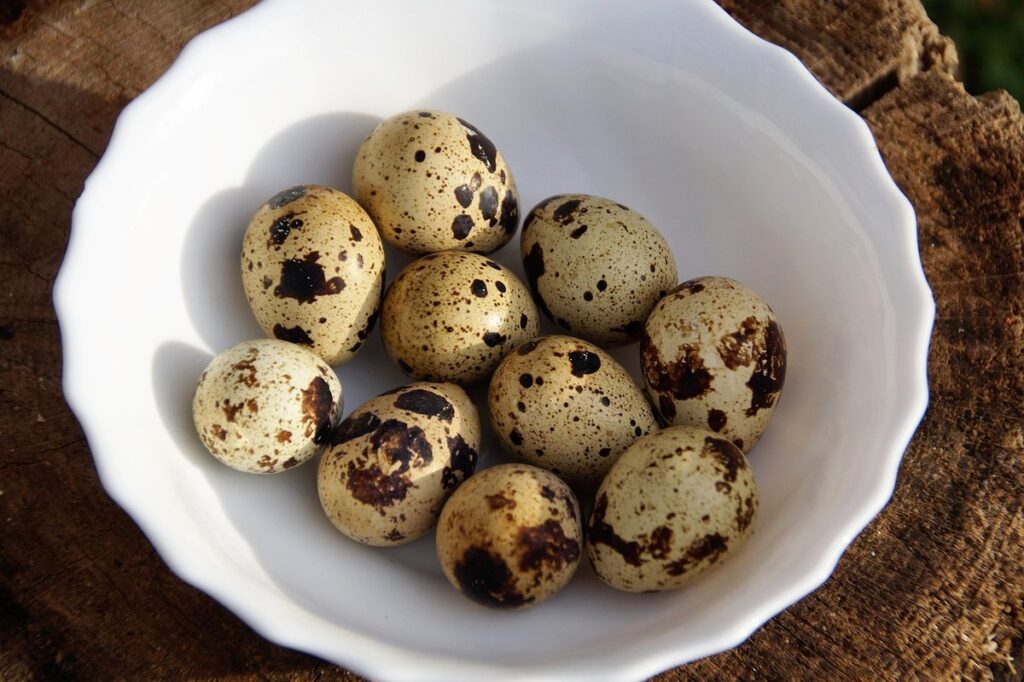
Introduction to the Celadon Coturnix Quail
If you’re new to keeping quails, getting started with these charming birds can be a wonderful experience. This section is where we’ll cover everything you need to know about celadon coturnix quail.
Brief History of the Breed
The Celadon Coturnix quail has its roots in Asia, where it was first domesticated thousands of years ago. The exact origin is unclear, but historians believe that the breed originated from wild Coturnix quails that were later selectively bred for desirable traits. Over time, Asian farmers and breeders developed the Celadon Coturnix into a distinct species, prized for its unique characteristics.
One key factor in the development of the Celadon Coturnix was its adaptation to human environments. Quail are well-suited to small spaces and can thrive in enclosures as small as 2×4 feet. This adaptability made them an attractive choice for Asian farmers who needed a productive bird that required minimal space.
As demand for quail eggs and meat grew, breeders began selecting for traits like egg-laying capacity, feather color, and temperament. The Celadon Coturnix became particularly popular due to its stunning greenish-gray feathers and friendly demeanor. Today, the breed remains a favorite among backyard bird enthusiasts and commercial producers alike.
In fact, many modern quail breeds owe a debt of gratitude to the Celadon Coturnix for its pioneering role in developing the genetic lines that make up today’s commercial quail populations.
Physical Characteristics and Identification
The Celadon Coturnix quail is easily identifiable due to its distinctive physical characteristics. One of the most notable features is its vibrant plumage, which ranges from pale gray to rich brown tones, with an iridescent sheen that catches the light. The bird’s overall size is relatively small, typically weighing around 6-8 ounces and measuring approximately 10 inches in length.
The beak shape of the Celadon Coturnix quail is another defining characteristic, being short, stout, and slightly curved. This unique feature sets it apart from other quail species. The bird’s legs are strong and well-muscled, with a reddish-pink color that adds to its overall visual appeal.
When identifying a Celadon Coturnix quail, look for the distinctive white stripe running above the eye, which extends to the back of the head. This marking is a key distinguishing feature, particularly in males. Females tend to have a more subdued appearance, with less vibrant plumage and fewer markings.
To accurately identify a Celadon Coturnix quail, pay close attention to these physical characteristics, taking note of the bird’s size, beak shape, leg color, and distinctive white stripe above the eye.
Breeding and Hatchability
When it comes to raising healthy and thriving celadon coturnix quail, understanding their breeding and hatchability habits is crucial for success. Let’s dive into what you need to know about breeding these beautiful birds successfully.
Choosing the Right Breeders and Stock
When selecting breeders for your celadon coturnix quail breeding program, it’s essential to do your research and choose reputable sources. Look for breeders who have a proven track record of producing healthy, high-quality birds with the desired characteristics. Check their website, social media, or online forums for reviews, testimonials, and photos of their birds.
Genetic diversity is also crucial in maintaining a healthy breeding program. A small gene pool can lead to health issues and reduced fertility over time. Consider purchasing from multiple breeders or seeking out local quail clubs that offer access to a wider range of genetics. Some breeders may also be willing to share or trade eggs, which can help increase genetic diversity.
When purchasing birds from a breeder, make sure to ask about the bird’s ancestry and health history. A reputable breeder will be transparent about their breeding program and provide you with all necessary information to ensure a successful hatch. Don’t be afraid to ask questions and seek out multiple sources before making a purchase.
Nesting Boxes, Egg Laying, and Incubation
When it comes to breeding Celadon Coturnix quails, providing them with suitable nesting boxes and understanding their egg-laying habits are crucial for successful hatching. A good rule of thumb is to provide one nesting box per 5-6 quail hens, as they tend to be territorial. The nesting box should be spacious enough for the quail to comfortably turn around and lay eggs without feeling cramped.
Celadon Coturnix quails are prolific layers, producing an average of 300-320 large white eggs per year. They typically start laying eggs at around 18-20 weeks of age and will continue to do so for about a year before their egg production slows down. It’s essential to collect eggs daily to prevent breakage and maintain cleanliness.
When it comes to incubation, Celadon Coturnix quails have an average fertility rate of 70-80%. To maximize hatch rates, maintain a consistent temperature between 99°F to 100°F (37°C to 38°C) during the first 18 days and reduce it by 0.5°F (0.3°C) every day thereafter until hatching. Turn eggs gently 2-3 times a day to prevent sticking to the egg carton.
Care and Management
When it comes to caring for your celadon coturnix quail, proper management is crucial to their health and well-being. In this section, we’ll cover essential tips on maintaining a happy and thriving flock.
Diet and Nutrition
When it comes to caring for your Celadon Coturnix quail, their diet and nutrition are crucial aspects of their overall health and well-being. These birds have specific nutritional needs that must be met through a balanced and varied diet.
It’s essential to understand that quails require a high-protein diet, with a mix of grains, vegetables, fruits, and supplements. A good starting point is to provide a commercial quail feed as the main staple, which should make up about 50-60% of their diet. However, this can become boring for them, so it’s crucial to supplement with fresh foods.
Fresh veggies like leafy greens, broccoli, and carrots are excellent additions, while fruits like berries and apples provide essential vitamins and minerals. Avoid giving them high-sugar foods or those that are toxic to birds, such as avocado and onion. Also, consider adding a calcium source, like crushed eggshells or cuttlebone, to support their bone growth and development.
To ensure your quails receive a balanced diet, rotate their food sources regularly and provide fresh water daily. A good rule of thumb is to offer a variety of foods that cater to different nutrient groups, ensuring they get all the necessary vitamins, minerals, and proteins for optimal health.
Housing Requirements and Health Considerations
When it comes to providing a happy and healthy home for your celadon coturnix quail, their housing requirements are crucial. A minimum cage size of 2x3x4 feet is recommended, but larger enclosures can be provided if possible. Ensure the cage has adequate ventilation to prevent ammonia buildup from droppings.
Temperature control is also essential, as these birds prefer a temperature range between 65-75°F (18-24°C). Keep their environment humid by placing water and food dishes near the air vents or using a humidifier. Celadon coturnix quails need UVB lighting to thrive; use a high-quality light specifically designed for small birds, and replace it every six months.
Socialization is vital for these birds; keep at least two to three together in a larger enclosure. Ensure they have adequate hiding places, perches, and toys to reduce stress. Common health issues include respiratory problems and feather plucking due to lack of space or poor air quality. Regularly inspect their cages, clean food and water dishes daily, and provide regular veterinary check-ups to prevent these conditions.
Their diet should also be well-balanced; ensure they have access to a high-quality quail feed supplemented with fresh vegetables and fruits. By providing the right environment and attention to their health needs, you can create a happy and thriving home for your celadon coturnix quails.
Handling and Training
Proper handling and training are crucial for a happy and healthy celadon coturnix quail, as they require regular interaction to thrive. In this section, we’ll cover essential tips on how to handle your quails gently and train them to behave well in their enclosure.
Basic Handling Techniques and Tips
When it comes to handling Celadon Coturnix quails, it’s essential to do so gently and carefully to avoid causing stress or injury. To catch a quail, approach it slowly and calmly, making sure not to startle it. Hold the quail securely but not too tightly, supporting its body with one hand under its breast and the other under its tail.
When carrying quails, use a secure container or bag that provides adequate ventilation. Avoid overcrowding, as this can cause stress and increase the risk of injury. When handling multiple quails, it’s best to carry them separately to prevent fights and escapes.
Remember to always handle your Celadon Coturnix quails with clean hands, free from any strong perfumes or chemicals that may affect their health. Wash your hands thoroughly before and after handling the birds to maintain a healthy environment for both you and your quails. By following these basic handling techniques, you can establish trust with your birds and ensure a safe and enjoyable experience for both you and your Celadon Coturnix quails.
Advanced Training Methods for Taming Quails
Taming celadon coturnix quails requires patience and consistency. Positive reinforcement training is an effective method to achieve a tame bird. Start by introducing yourself to the quail at its own pace, allowing it to become familiar with your presence. Offer treats such as millet or sunflower seeds to encourage interaction.
Once comfortable, you can move on to more advanced techniques like offering food from your hand. Hold small amounts of treat in front of the quail’s beak, encouraging it to take it gently. Reward calm behavior, gradually increasing the amount of time spent near the bird. Desensitize your quail to handling by starting with gentle petting and progressing to more intense interactions.
It’s essential to respect personal space and boundaries when interacting with your celadon coturnix. Avoid sudden movements or loud noises that may startle them. Training sessions should be short, around 10-15 minutes, allowing the bird to relax between interactions. With consistent practice, patience, and positive reinforcement, you can develop a strong bond with your quail and enjoy years of companionship.
Health Issues and Common Diseases
As a responsible quail owner, it’s essential to be aware of common health issues that can affect your celadon coturnix quails, from respiratory problems to egg-related disorders. This section will walk you through the most critical health concerns to watch out for.
Identifying Signs of Disease and Illness
As a Celadon Coturnix quail owner, it’s essential to be aware of the common health issues that can affect these birds. Respiratory problems are one of the most prevalent issues affecting Celadon Coturnix quails, particularly during cold weather or when exposed to dust and pollutants. Symptoms include wheezing, coughing, labored breathing, and a lack of energy.
Parasites such as mites, lice, and fleas can also infest your quail’s feathers and skin, causing discomfort and disease transmission. Look for signs like excessive scratching, restlessness, and changes in plumage. Regular cleaning of the coop and aviary, dust baths, and quarantine procedures can help prevent parasite infestations.
Early recognition of symptoms is crucial to taking corrective action. Monitor your quail’s behavior, appetite, and stool quality regularly. Consult a veterinarian experienced with poultry health if you notice any unusual changes or persistent issues. With proper monitoring and care, you can identify potential health problems before they become severe and ensure the well-being of your beloved Celadon Coturnix quails.
In addition to these common issues, keep an eye out for other diseases such as pasty butt (fowl impaction), fungal infections, and bacterial diseases like coryza.
Preventative Measures and First Aid Techniques
When it comes to preventing disease and providing first aid for your celadon coturnix quail, knowing the right protocols can make all the difference. Proper cleaning is crucial in maintaining a healthy environment for your birds. Start by cleaning their enclosure daily with a mild detergent and warm water. Disinfect food and water dishes regularly, and replace bedding material frequently to prevent bacterial growth.
Quarantine procedures are also essential when introducing new birds or dealing with sick birds. Designate a separate area for quarantine where you can monitor the bird’s health without risking cross-contamination. Keep quarantined birds in isolation for at least 30 days before reintroducing them to your main flock.
In case of an emergency, basic first aid techniques come into play. For cuts or wounds, apply a topical antibiotic ointment and cover with a bandage. For respiratory issues, provide a humidifier or increase ventilation in the enclosure. Always monitor temperature and ensure access to fresh water. If you’re unsure about any symptoms or the bird’s condition worsens, consult a veterinarian experienced in caring for quail.
Showing and Judging
When showing your celadon coturnix quail, it’s essential to understand how judges evaluate these birds, which is what we’ll cover next in terms of their physical characteristics. This includes feather quality, beak shape and color, and overall appearance.
Understanding Show Standards and Regulations
When it comes to showing and judging Celadon Coturnix quail, understanding the breed standards and regulations is crucial. A “show-quality” bird is one that meets the official breed standard, which includes characteristics such as size, plumage, beak shape, and overall appearance.
The American Poultry Association (APA) is one of the primary governing bodies for poultry shows in the United States, and they provide a detailed breed standard for Celadon Coturnix quail. According to the APA, show-quality birds should have a clean and well-defined Celadon blue-green plumage, with a distinct sheen. The beak should be straight and tapering, with a reddish-pink color.
When preparing your bird for a show, it’s essential to familiarize yourself with the specific rules and regulations of the competition you’re entering. This may include requirements for cage size, feeding practices, and health certificates. By understanding the breed standards and regulations, you’ll be better equipped to prepare your Celadon Coturnix quail for success in the show ring.
Remember to always check with the show organizer or relevant governing body for specific rules and guidelines before entering a competition.
Tips for Winning at Bird Shows
When it comes to winning at bird shows with your Celadon Coturnix quail, presentation is key. Make sure your bird’s cage is clean and well-maintained, with plenty of fresh water and a balanced diet that promotes healthy plumage. This means regular cleaning of the cage, changing bedding, and monitoring your quail’s weight to ensure they’re not underfed or overfed.
Grooming is also essential for a winning show quail. Regularly brush your bird’s feathers to prevent matting and tangling, and trim any stray or matted feathers. This will help keep your quail looking their best, with vibrant colors and clean lines.
To maintain your quail’s overall health, it’s crucial to monitor their behavior and watch for signs of illness or stress. Regular veterinary check-ups can help catch any potential issues early on. Additionally, make sure your quail has plenty of space to exercise and move around in its cage.
Remember, a happy and healthy bird is more likely to win over the judges than one that looks perfect but feels stressed or unwell.
Conclusion and Resources
Now that we’ve explored the fascinating world of celadon coturnix quail, let’s summarize what you’ve learned and provide some valuable resources to help you on your quail-raising journey.
Final Thoughts on Raising Celadon Coturnix Quails
As you’ve learned more about celadon coturnix quails and their specific needs, it’s essential to distill down the key takeaways from this journey. By now, you should have a comprehensive understanding of these charming birds and be well-prepared to welcome them into your flock.
One crucial aspect to remember is that celadon coturnix quails require a lot of attention and interaction, especially during their first few weeks with you. This means setting aside dedicated time each day for socialization, handling, and playing with your quail. Not only will this strengthen the bond between you and your bird, but it will also help to prevent stress and behavioral issues.
Another vital consideration is providing a suitable environment that meets the unique needs of celadon coturnix quails. This includes offering plenty of space for exercise, a balanced diet that caters to their specific nutritional requirements, and a clean and comfortable living area. Remember to set up a proper nesting box with adequate ventilation and a safe, escape-proof enclosure.
As you embark on this new adventure with your celadon coturnix quails, keep in mind the importance of being patient and observant. These birds can be fragile and prone to certain health issues, so it’s crucial to monitor their behavior and physical condition closely. If you notice any signs of illness or stress, consult a veterinarian experienced in caring for quails as soon as possible.
Finally, don’t underestimate the joys of raising celadon coturnix quails! With dedication and attention to their specific needs, these birds can become loving companions and entertaining additions to your backyard menagerie. So, go ahead and enjoy the thrill of watching them explore, play, and thrive under your care.
Frequently Asked Questions
How do I ensure the health and well-being of my Celadon Coturnix quail flock?
Ensure proper ventilation, sanitation, and regular monitoring for signs of disease or stress. A balanced diet, clean water, and a safe living environment are crucial for maintaining overall health. Consider consulting with an experienced breeder or avian veterinarian for personalized advice on caring for your flock.
What are some common mistakes to avoid when breeding Celadon Coturnix quail?
New breeders often overlook the importance of quarantine, vaccination protocols, and record-keeping. Make sure to follow proper biosecurity measures, vaccinate your birds regularly, and maintain accurate records of breeding stock, hatch rates, and chick quality.
Can I raise a mixed flock with other types of quails, or are Celadon Coturnix best kept alone?
While it’s possible to keep different quail breeds together, compatibility issues may arise. Research the specific needs and temperaments of each breed before introducing them to your flock. Generally, it’s recommended to start with a single species and introduce other breeds once you’ve gained experience.
How do I handle the stress of showing my Celadon Coturnix quails in competitions?
Focus on proper training, handling, and presentation techniques to showcase your birds’ best features. Develop a routine for grooming, feeding, and acclimating your birds to show environments beforehand. Practice makes perfect – don’t hesitate to participate in local shows and workshops to hone your skills.
What are some essential supplies I’ll need when starting my Celadon Coturnix quail breeding program?
Invest in high-quality nesting boxes, egg incubators, heat lamps, and brooders for optimal hatch rates and chick care. Don’t forget to stock up on nutritious feed, clean waterers, and supplements specifically formulated for quails. Consider setting aside dedicated space for quarantine, storage, and equipment maintenance.