
If you’re an avid bird enthusiast or considering bringing home a new pet, you may have come across the unique and stunning celadon quail. Native to Southeast Asia, these small birds boast a striking appearance, with their vibrant green plumage and distinctive markings making them a standout among other species. But what sets celadon quails apart from other pets is their specific care requirements – from their natural habitats to their dietary needs, providing optimal care for these birds can be a daunting task.
In this article, we’ll delve into the world of celadon quail, covering their habitats, behaviors, diets, and health requirements. Whether you’re looking to create a thriving environment for your pets or simply want to learn more about these fascinating creatures, we’ll explore everything you need to know to provide the best care possible.
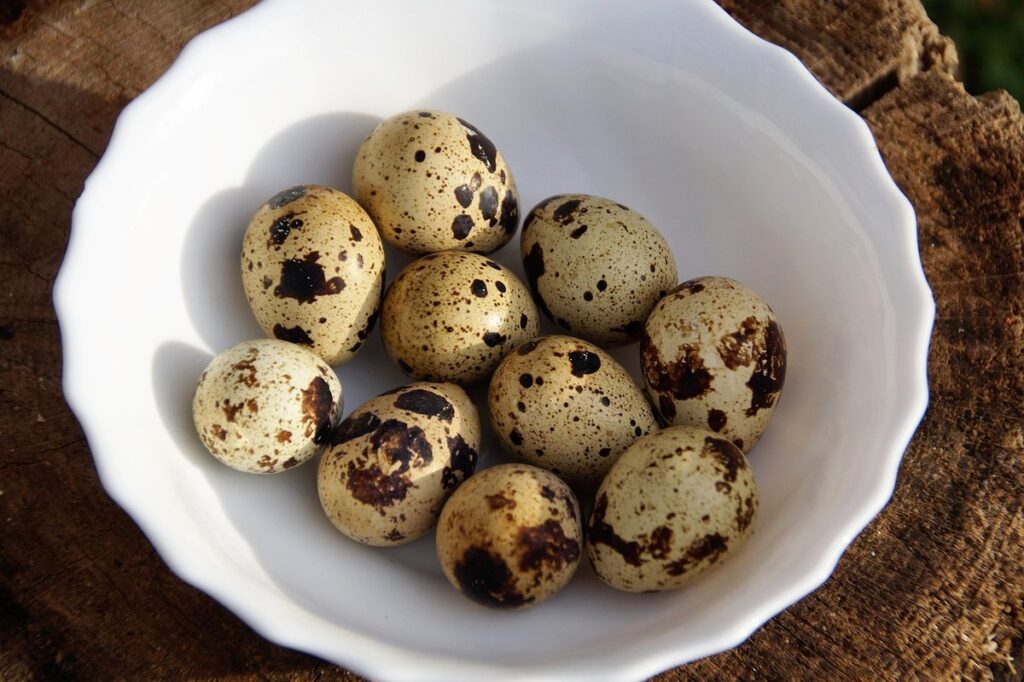
Introduction to Celadon Quail
Welcome to our guide on celadon quails, a unique and striking bird species that’s perfect for hobbyists and backyard enthusiasts alike. In this next section, we’ll delve into what makes them so special.
What are Celadon Quail?
Celadon quail are a type of domesticated bird that belongs to the Phasianidae family. They are known for their striking appearance and gentle nature, making them a popular choice among poultry enthusiasts and backyard chicken keepers. Originating from Asia, specifically China, Japan, and Korea, celadon quails have been bred over centuries for their unique characteristics.
These birds are classified as game birds, with the scientific name Coturnix chinensis being the most commonly recognized species. Celadon quails are relatively small in size, weighing between 6-8 ounces (170-225 grams) on average, and can live up to 5 years in captivity. They are prized for their beautiful plumage, which features a distinctive celadon green coloration on their backs, complemented by white undersides and striking brown markings.
In terms of their origins, celadon quails have been domesticated from the wild gray or Chinese partridge, which is native to Asia’s vast grasslands and farmlands. Over time, selective breeding has resulted in a diverse range of colors, patterns, and sizes, offering enthusiasts numerous options when choosing these birds for keeping as pets or for use in egg production.
History and Breeding of Celadon Quail
The history of celadon quail breeding is a rich one, with a focus on selective breeding for desirable traits. This process began in the early 20th century, when breeders first started working with these birds. Initially, the goal was to produce quails that were not only beautiful but also robust and healthy.
Selective breeding led to the development of various color morphs, including the celadon variety. Celadon quail, as we know them today, are a result of careful selection for their distinctive greenish-gray plumage. Breeders have also worked to improve the bird’s temperament, making them more docile and easier to handle.
To this day, breeders continue to work on perfecting the celadon quail’s appearance and personality. They use techniques such as line breeding and inbreeding to concentrate desirable traits within specific bloodlines. As a result, today’s celadon quails are far removed from their wild ancestors, yet still retain much of their original charm.
If you’re considering breeding your own celadon quail, it’s essential to research the latest techniques and best practices to ensure the health and well-being of both the birds and yourself. This includes understanding the importance of proper genetics, nutrition, and housing for optimal results.
Habitat and Distribution of Celadon Quail
The celadon quail can be found in a variety of habitats, including forests, grasslands, and even urban areas. Let’s explore where this fascinating bird calls home.
Natural Habitat of Celadon Quail
The celadon quail is primarily found in the tropical and subtropical regions of Asia. Their natural habitats include dense forests, scrublands, and grasslands with scattered trees. In terms of geographical distribution, they are commonly spotted in countries such as India, Sri Lanka, and parts of Southeast Asia.
One notable characteristic of celadon quail habitats is their preference for areas with abundant water sources. They can often be found near rivers, streams, or ponds, where they feed on aquatic plants and insects. In the dry season, they may also venture into human settlements in search of food and water. This adaptability to different environments has allowed celadon quail populations to thrive in a variety of habitats.
If you’re planning to spot these birds in their natural habitat, look for areas with dense undergrowth and an abundance of vegetation. Avoid areas that have been degraded or fragmented by human activities, as this can impact the quality of life for celadon quail.
Domestication and Housing Requirements
When keeping celadon quail as pets, it’s essential to replicate their natural habitat in a domestic setting to ensure they lead healthy lives. In the wild, these birds inhabit tropical forests with dense undergrowth and shrubs, which provide shelter from predators and extreme weather conditions.
To mimic this environment in a domestic setup, you’ll need to create a spacious enclosure with adequate ventilation. A minimum floor space of 2×3 feet per quail is recommended, but more space is always better. The enclosure should be well-ventilated to prevent the buildup of ammonia from droppings and maintain a comfortable temperature range between 65°F to 75°F (18°C to 24°C).
In addition to space and ventilation, it’s crucial to provide a natural light cycle for your celadon quail. They require at least 10 hours of daylight and 14 hours of darkness to simulate their natural day-night cycle. You can achieve this by placing the enclosure near an east- or west-facing window or using specialized lighting equipment.
When setting up the enclosure, incorporate plants that are native to their habitat, such as bamboo, ferns, and shrubs. This will not only provide shelter but also create a sense of familiarity for your birds.
Behavior and Socialization of Celadon Quail
Celadon quail are known for their friendly and outgoing personalities, making them a delight to interact with. Let’s explore how to encourage and manage their behavior in your aviary.
Social Structure and Interaction
When it comes to social structure and interaction within flocks of celadon quail, establishing dominance hierarchies is a crucial aspect. These birds live in groups, typically ranging from 5 to 20 individuals, with females often dominating the flock dynamics. Dominance hierarchy is established through various behaviors such as assertive posturing, chasing, and even physical fighting.
Understanding this social dynamic is essential for quail keepers, as it can impact their overall well-being and stress levels. Observing your celadon quail’s behavior will help you identify dominant individuals who may be more aggressive towards others or require separate housing to prevent conflicts.
To create a harmonious flock environment, introduce new birds slowly and under close supervision to avoid disrupting the established hierarchy. Provide multiple perches and roosting areas to allow each bird to claim its own space. Also, ensure adequate foraging and feeding opportunities to reduce competition among members of the flock.
By understanding and respecting their social structure, you can create a more balanced and stress-free environment for your celadon quail to thrive in.
Communication Methods and Sounds
When it comes to communication methods and sounds, celadon quail are known for their unique vocalizations. One of the most distinctive sounds made by celadon quail is a series of high-pitched whistles that can range from 2-4 kHz. These whistles serve as a primary means of communication among mates and family members.
In fact, research has shown that celadon quail use these whistles to convey information about food sources, potential predators, and even social hierarchy within their flock. For example, dominant birds will often use a higher-pitched whistle to assert dominance over subordinate individuals.
To encourage your celadon quail to make these characteristic sounds, try creating a stimulating environment with plenty of toys and perches. You can also mimic the whistles yourself by using a recording device or an app that generates similar frequencies. By doing so, you’ll be more likely to stimulate vocalization in your birds.
Additionally, it’s essential to provide a quiet and stress-free space for your celadon quail to communicate freely. This may involve minimizing loud noises and introducing visual barriers to prevent feelings of isolation.
Diet and Nutrition Requirements
When it comes to caring for celadon quail, providing the right diet and nutrition is crucial for their health and well-being. In this section, we’ll cover everything you need to know about feeding your celadon quail.
Dietary Needs in the Wild
In their natural habitats, celadon quail are opportunistic omnivores, which means they’ll eat a wide variety of foods to survive. In the wild, these birds tend to forage on the ground and in low-lying vegetation, feeding on seeds, fruits, leaves, and insects.
One of the primary food sources for celadon quail is seeds, particularly those from grasses and shrubs. They’ll also eat various types of fruits, such as berries and figs, which are rich in nutrients and energy. In addition to plant-based foods, celadon quail will also hunt small insects like ants, beetles, and grasshoppers.
During the breeding season, female celadon quail may even consume more protein-rich foods like snails or worms to support their egg-laying needs. It’s worth noting that in areas where human activity has altered the environment, celadon quail may adapt their diet to include crops like wheat, oats, and barley.
Understanding what celadon quail eat in the wild is essential for creating a balanced and nutritious diet for these birds in captivity.
Nutritional Requirements in Captivity
When keeping celadon quail in a domestic setting, it’s essential to provide them with a balanced diet that meets their nutritional needs. In the wild, these birds forage for seeds, fruits, and insects, so replicating this varied diet is crucial.
In captivity, a high-quality commercial quail feed should form the basis of their diet. However, supplementing with fresh vegetables, fruits, and protein sources can add variety and prevent nutritional deficiencies. Leafy greens like kale and spinach are rich in calcium and iron, while carrots and apples provide essential vitamins and fiber. Offer small amounts of cooked egg or mealworms as a treat to boost their protein intake.
It’s also crucial to ensure access to clean water at all times. Change the water bottle daily, and consider using a water filter to prevent bacterial growth. A well-balanced diet should include a mix of 50-60% commercial feed, 20-30% fresh produce, and 10-20% protein sources. Monitor your quail’s health and adjust their diet accordingly to ensure they’re thriving in captivity.
Health Issues and Common Diseases
As a celadon quail owner, it’s essential to be aware of common health issues that can affect your pet, from respiratory problems to parasites.
These potential health concerns are often preventable or treatable if caught early, so let’s take a closer look.
Common Health Issues Affecting Celadon Quail
Celadon quails are prone to several health issues that can affect their overall well-being and lifespan. One common problem is respiratory disease, which can be caused by poor ventilation, dusty environments, and inadequate nutrition. Symptoms may include labored breathing, coughing, and wheezing.
Another issue affecting celadon quails is mites infestation, often resulting from poor hygiene practices and overcrowding. Infested birds may exhibit excessive scratching, loss of feathers, and difficulty breathing. Regular cleaning, monitoring for mite eggs and adults, and using preventative measures like diatomaceous earth can help prevent this issue.
Additionally, celadon quails are susceptible to internal parasites, such as worms and protozoa, which can lead to weight loss, lethargy, and diarrhea. Monitoring stool quality, providing a balanced diet rich in nutrients, and deworming regularly can help minimize the risk of parasite infestation.
Proper nutrition and environmental conditions can go a long way in maintaining healthy celadon quails. A well-balanced diet that includes fresh fruits, vegetables, and high-quality commercial pellets can help prevent common health issues.
Prevention and Treatment Strategies
As a celadon quail owner, it’s essential to take proactive steps in preventing and treating diseases that can affect their longevity and well-being. Regular health checks with a veterinarian experienced in caring for exotic birds are crucial to detect any potential issues early on.
To prevent diseases, maintain a clean environment by regularly disinfecting cages, food and water dishes, and perches. Ensure proper ventilation in the enclosure to reduce stress and prevent respiratory problems. A balanced diet rich in nutrients is also vital; provide high-quality commercial pellets as the main staple, supplemented with fruits and vegetables like leafy greens, carrots, and berries.
Some common health issues that affect celadon quails include respiratory infections, mites, and fungal diseases. If you notice any signs of illness such as labored breathing, loss of appetite, or abnormal droppings, seek veterinary attention immediately. Treatments may involve antibiotics, antifungal medications, or supportive care like increased humidity and fluid therapy.
By following these prevention and treatment strategies, you can significantly reduce the risk of diseases affecting your celadon quails and promote a long and healthy life for them. Regular monitoring, proper care, and quick intervention when issues arise will help keep your birds thriving.
Tips for Keeping Celadon Quail as Pets
If you’re considering bringing home a celadon quail, here are some essential tips to ensure you provide them with the best possible care and create a happy home environment. Let’s dive into the specifics of caring for these charming birds!
Choosing the Right Cage Size and Equipment
When it comes to keeping celadon quail as pets, choosing the right cage size and equipment is crucial for their health, happiness, and safety. Celadon quail are active birds that require space to move around and exercise, so a spacious cage is essential.
A good rule of thumb is to provide at least 2-3 square feet of floor space per bird. This will give them room to stretch their wings, run around, and engage in natural behaviors like foraging and dust bathing. Consider a cage with vertical space as well, as celadon quail love to climb and perch.
In terms of equipment, you’ll need a few essentials:
* A sturdy cage with wire mesh or bars spaced no more than 1 inch apart
* A solid bottom to prevent foot injuries (quail have sensitive feet)
* A waterer that’s heavy enough not to tip over
* A feeder that allows for easy access and minimal waste
* A roosting bar or branch for perching
Remember, a happy quail is one that has plenty of room to move and play. By choosing the right cage size and equipment, you’ll be well on your way to creating a thriving environment for your celadon quail pets.
Handling and Socialization Techniques
When it comes to handling and socializing celadon quail, patience and gentle care are essential for building trust and encouraging interaction. Start by getting to know your quail’s unique personality, as some may be more timid or bold than others. Begin with short, frequent interactions, such as offering treats through a screen door or in a separate room.
As you establish a bond, try hand-feeding or letting the quail step onto a gloved hand for gentle petting. It’s crucial to respect their boundaries and allow them to initiate contact. Some tips for promoting socialization include:
• Provide a spacious, well-ventilated enclosure with hiding places for quails to retreat if needed.
• Rotate toys and accessories regularly to keep the environment stimulating.
• Spend time near your quail daily, even if it’s just observing their behavior.
With consistent, gentle care, celadon quail can become friendly, trusting companions. Be mindful that some may remain naturally shy or skittish, but with patience and understanding, they’ll still appreciate human interaction in their own way.
Frequently Asked Questions
How do I ensure the best possible living conditions for my celadon quail in a small backyard enclosure?
To create an optimal environment, consider providing a spacious enclosure with adequate ventilation, protection from extreme temperatures, and access to natural sunlight. Incorporate visual barriers like plants or structures to prevent escape attempts. Ensure easy cleaning and maintenance by using easy-to-clean surfaces.
Can I keep multiple celadon quails together in the same cage?
Yes, but it’s crucial to introduce them gradually and under close observation. Start with a single dominant bird to establish order, then carefully add more birds to maintain social balance. Monitor behavior closely for signs of stress or aggression. Research compatible species combinations to minimize conflicts.
What are some common health issues I should be aware of in celadon quail?
Celadon quails can be susceptible to diseases like respiratory infections and parasite infestations, particularly if their living conditions are not properly managed. Regularly inspect your birds’ droppings for signs of mites or lice. Maintain cleanliness, provide adequate nutrition, and have a plan in place for emergency veterinary care.
How do I know when my celadon quail is getting enough protein and calcium?
To assess their nutritional needs, consult with a veterinarian specializing in avian care to determine the ideal diet for your birds. Incorporate nutrient-rich foods like leafy greens, fruits, and insects into their regular diet. Monitor your birds’ overall health and adjust their food accordingly.
Can I raise celadon quails from chicks, or is it better to buy older birds?
Both options are viable; however, buying adult birds can be more convenient as they’re already trained and familiar with human interaction. Raising chicks requires dedication and specialized care but can reward you with a lifelong bond. Research local regulations regarding raising game birds for backyard keeping.