
Raising button quail chicks can be a delightful experience for bird enthusiasts, but it requires careful attention to their specific needs. If you’re new to breeding these charming creatures, you may wonder where to start. Button quails are popular pets due to their small size and affectionate nature, making them an excellent choice for those who want a low-maintenance yet engaging companion. However, successfully raising thriving button quail chicks involves more than just providing food and shelter. A well-planned breeding program requires consideration of the life cycle, nutrition, health, and breeding techniques specific to these birds. In this comprehensive guide, we’ll walk you through the essential steps for successful breeding programs, covering everything from chick development to adult care, ensuring your button quail chicks grow into happy, healthy adults.
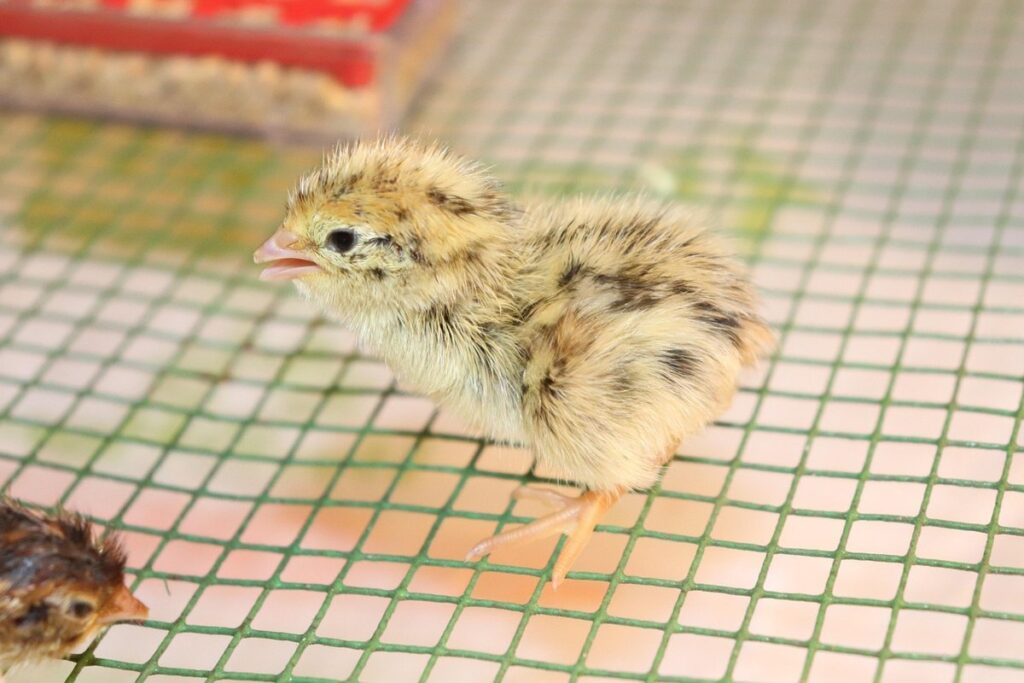
Understanding Button Quail Chicks
If you’re bringing home button quail chicks for the first time, it’s essential to understand their unique needs and characteristics. This section will walk you through what to expect from these tiny birds.
Characteristics of Button Quails
Button quails are one of the smallest and most charming bird species kept as pets. They belong to the Odontophoridae family and are native to Southeast Asia. One of the primary reasons button quails make an attractive pet choice is their unique behavior. These birds are social, gentle, and relatively low-maintenance compared to other avian species.
They thrive in pairs or small groups, making them perfect for enthusiasts who want to keep a few quails together. Button quails are also known for their ground-dwelling nature, which means they spend most of their time on the floor or near it. This behavior makes them fascinating to observe and interact with.
In terms of characteristics, button quails have several unique features that set them apart from other bird species. They weigh around 2-3 ounces, making them one of the smallest birds in captivity. Their length ranges between 5-6 inches, including their tail feathers. Button quails are also known for their soft, melodious chirps and gentle cooing sounds.
When keeping button quail chicks as pets, it’s essential to remember that they grow rapidly, reaching maturity within a few months. Providing a suitable environment with adequate space, food, and social interaction is crucial to ensure the well-being of these charming birds.
Life Cycle and Growth Stages
As you welcome button quail chicks into your life, understanding their life cycle is essential for providing optimal care. From incubation to adulthood, button quails undergo several growth stages that require attention and nurturing.
The incubation period for button quail eggs typically lasts 16-18 days. During this time, the female quail will sit on the eggs to keep them warm, turning them occasionally to ensure even heat distribution. Once hatching begins, you can expect it to take around 24 hours for all chicks to emerge.
After hatching, button quail chicks are completely dependent on their mother’s care. They rely on her for food, warmth, and protection. As they grow, you’ll notice significant developments every week or two. At first, the chicks will be covered in soft down, but as they mature, they’ll develop feathers and become more independent.
In about four weeks, button quail chicks will start to venture out of their nesting box and explore their surroundings. By six weeks, they’ll have developed adult-like plumage, and at around eight weeks, they’ll reach full maturity. During this growth period, provide a balanced diet and ensure adequate space for exercise and exploration to help your button quails thrive.
Preparing a Breeding Program
When preparing a breeding program for your button quail chicks, it’s essential to consider factors such as choosing healthy birds and creating an ideal environment. Let’s explore these key considerations together.
Establishing a Suitable Environment
When establishing a suitable environment for breeding button quails, it’s essential to create a space that mimics their natural habitat. Button quails are native to tropical and subtropical regions, so they thrive in warm temperatures between 75°F to 85°F (24°C to 30°C). A temperature range outside of this can cause stress, affecting fertility and overall health.
To maintain optimal temperature control, it’s crucial to have a proper ventilation system. Ensure your breeding enclosure has adequate airflow by installing vents or using fans. This will not only regulate the temperature but also prevent ammonia buildup from droppings. Humidity levels should be kept between 50% to 60%, which can be achieved by misting the enclosure with water daily.
In terms of housing, provide a spacious and well-ventilated area for your quails. A minimum floor space of 2 square feet per pair is recommended. Ensure the enclosure has secure nesting boxes, as button quails are prolific breeders and will readily use them.
Nutrition and Health Considerations
When it comes to raising button quail chicks, nutrition and health considerations are crucial for their growth and development. A balanced diet is essential, and a good starting point is to provide a high-quality commercial quail starter feed. Supplement with calcium and vitamin D3 to support strong bone growth and immune function.
In terms of parasite control, it’s common for young quails to contract internal parasites such as coccidiosis. To prevent this, use medicated feed or add a coccidiostat to their water to kill the parasite at its source. Regular cleaning of enclosures and changing bedding will also help reduce the risk.
For disease prevention, ensure all chicks are vaccinated against diseases like Newcastle Disease and Infectious Bronchitis. It’s also crucial to maintain a clean environment by washing hands frequently, disinfecting equipment, and isolating any sick birds. Monitor your quails daily for signs of illness or stress, such as labored breathing, lethargy, or changes in appetite.
By following these recommendations, you can help keep your button quail chicks healthy and thriving, setting them up for a successful breeding program.
Breeding Button Quails for Beginners
Breeding button quail can be a fun and rewarding hobby, but it requires some knowledge of their unique needs and habits. If you’re new to breeding these adorable birds, this section is for you!
Choosing the Right Parents
Choosing suitable parents for breeding is one of the most critical decisions you’ll make as a beginner breeder. The genetics, temperament, and fertility of your quail pair will directly impact the health, quality, and productivity of their offspring. When selecting potential parents, start by examining their ancestry. Research the lineages of both birds to ensure they come from reputable breeders with a history of producing high-quality quail.
Consider factors such as egg-laying capacity, feather quality, and overall health when evaluating each bird’s individual merits. Assess their temperament as well – you want parents that are calm, docile, and easy to handle. This will make the breeding process less stressful for both you and your birds.
Evaluate fertility by checking for fertile eggs or observing successful breedings in the past. It’s also essential to ensure both birds are free from diseases and genetic disorders through regular health checks. Ultimately, choose parents that complement each other’s strengths and weaknesses, and always prioritize the well-being of your birds.
Egg Laying and Incubation
Button quails are prolific breeders, and understanding their egg-laying process is crucial for successful breeding. Female button quails typically lay eggs every other day, with a frequency of 5-7 days between each laying period. The clutch size, or the number of eggs laid at one time, is usually around 4-6 eggs, but can range from 2 to 10.
It’s essential to provide a safe and suitable environment for your button quails during breeding season. This includes providing a spacious enclosure with adequate ventilation, as well as ensuring access to a balanced diet that includes calcium-rich foods to support eggshell development.
To successfully incubate eggs, it’s recommended to use an incubator specifically designed for small bird species. The ideal incubation temperature is around 99-100°F (37-38°C), and humidity levels should be maintained between 50-60%. Turning the eggs regularly is also crucial, as button quails typically lay eggs with a slight bias towards one side.
By following these guidelines, you’ll increase your chances of successfully hatching healthy button quail chicks.
Hatching and Raising Button Quail Chicks
Now that you’ve successfully hatched your button quail eggs, it’s time to learn how to care for these tiny chicks as they grow into fluffy, adorable adults. This section will walk you through the basics of raising healthy, thriving button quail chicks.
Signs of Imminent Hatching
As you approach hatching day with your button quail eggs, it’s essential to be aware of the signs that indicate imminent hatching. One of the most noticeable changes is in the egg appearance itself. About 24-48 hours before hatching, you may notice a slight softening or depression on one end of the egg, which can appear more rounded than the rest. This is due to the chick’s beak starting to break through the shell.
Another crucial sign is temperature fluctuations. Button quail eggs typically hatch at temperatures between 99-100°F (37-38°C). During this time, you may notice slight temperature drops or increases in your incubator, which can trigger the chick to start hatching. Keep a close eye on your thermometer readings and be prepared for any changes.
Pay attention to behavioral cues as well. Just before hatching, chicks will often pip (break through the shell with their beak) and then retreat back into the egg to rest before making another attempt. You may hear faint peeping or chirping sounds coming from the eggs, which can indicate that your chicks are getting ready to emerge.
First Few Weeks of Life
The first few weeks of life are crucial for button quail chicks. Their tiny beaks and delicate bodies require specialized care to ensure they grow strong and healthy. During this period, it’s essential to focus on feeding, brooding, and monitoring their health indicators.
Feeding is a critical aspect of caring for button quail chicks during the first few weeks. They need to be fed a high-quality starter feed specifically formulated for small birds, as well as a calcium supplement to support bone growth. You can offer mealworms or crickets as treats, but make sure to dust them with a calcium powder to prevent metabolic bone disease.
Brooding is also vital during this period. Button quail chicks need warmth and protection from drafts, so ensure their enclosure has adequate ventilation while maintaining a consistent temperature between 90-100°F (32-38°C). Keep an eye on the chicks’ droppings, as a sudden change in color or consistency can indicate health issues.
Monitor the chicks’ behavior, weight, and overall appearance regularly. Check for signs of illness such as lethargy, ruffled feathers, or labored breathing. If you notice any abnormalities, consult a veterinarian experienced in caring for small birds to prevent the spread of disease.
Common Challenges and Solutions
As a new button quail breeder, you’ll likely encounter some common challenges when raising these adorable chicks. Let’s explore some of the most frequent obstacles and practical solutions to help you succeed.
Health Issues Specific to Button Quails
As a button quail breeder or owner, it’s essential to be aware of the common health issues that can affect these adorable chicks. Respiratory problems are one of the most prevalent issues faced by button quails, particularly during the first few weeks after hatching. To identify respiratory issues, look out for symptoms such as labored breathing, wheezing sounds, and a pale or blue-tinged comb. Regular cleaning of the enclosure, maintaining proper humidity levels, and providing adequate ventilation can help prevent these problems.
Beak abnormalities are another common issue in button quails. Deformities, splits, or overgrowth can be caused by genetic factors, improper feeding, or lack of calcium. Monitor your chicks’ beaks regularly for any signs of abnormality, and ensure they have access to a balanced diet rich in calcium and other essential nutrients.
Wing deformities are also common in button quails, often resulting from inadequate space, poor ventilation, or improper handling during brooding. To prevent wing deformities, provide ample space for your chicks to move around, maintain good air circulation, and handle them gently when necessary.
In addition to these specific issues, it’s crucial to recognize early signs of illness in button quails, such as changes in appetite, droopy wings, or lethargy. If you suspect any health problems, consult with a qualified veterinarian for expert advice and treatment.
Behavioral Problems and Their Causes
As you raise button quail chicks, you may encounter behavioral problems that can be concerning and challenging to address. Aggression is a common issue, often stemming from inadequate socialization during the critical period between 1-6 weeks old. If the chicks are not provided with adequate space, interaction, or stimulation during this time, they may develop dominant behaviors and attack their own kind.
Fearfulness is another problem that can arise if the chicks are exposed to loud noises, sudden movements, or harsh handling early on in their development. This fear can manifest as excessive noise-making, such as incessant chirping or screeching, which can be stressful for both you and the other birds.
To identify the root causes of behavioral problems, observe your quail’s environment and behavior closely. Look for signs of stress, boredom, or inadequate social interaction. Once you’ve pinpointed the issue, you can start implementing solutions. Provide a larger enclosure with adequate hiding places and visual barriers to reduce stress and aggression. Offer a varied diet and ensure access to fresh water at all times.
By being proactive and addressing these potential issues early on, you can raise confident, well-adjusted button quail chicks that will bring joy and companionship to your life.
Advanced Breeding Techniques
For those looking to take their quail breeding to the next level, this advanced techniques guide covers expert methods for maximizing fertility and hatch rates.
Selective Breeding for Desired Traits
Selective breeding is an art and science that’s been honed over centuries to enhance specific traits in various species. When it comes to button quails, selective breeding can be a game-changer for enthusiasts looking to create the perfect birds. By carefully selecting individuals with desirable characteristics, such as size, coloration, or plumage quality, you can shape the next generation of button quails.
To get started, you’ll need to identify the traits you want to emphasize. For example, if you’re interested in creating larger button quails, look for birds that exhibit a robust build and impressive feather growth. Once you’ve pinpointed your target characteristics, it’s time to begin selecting breeding pairs. This involves choosing birds that not only possess the desired trait but also have good health, vigor, and temperament.
When breeding for specific traits, it’s essential to maintain detailed records of each bird’s ancestry, including parentage, size, coloration, and plumage quality. This information will help you make informed decisions when selecting future breeding pairs and avoid introducing unwanted characteristics into your flock.
Genetic Considerations and Line Breeding
When breeding button quail, it’s essential to understand genetic principles and apply line breeding strategies to improve overall health and characteristics. Line breeding involves selective breeding within a closed group of birds to concentrate desirable traits, while minimizing the risk of introducing detrimental genetics.
To implement effective line breeding, identify your top-performing birds with exceptional health, vigor, and desired characteristics. Focus on their ancestry by tracing back multiple generations to pinpoint key genetic contributors. This helps you make informed decisions about which birds to breed together to amplify beneficial traits.
For instance, if you’re aiming to enhance plumage color or size, select parents with these desirable features from your best-performing stock. Introduce new bloodlines only when necessary, to avoid diluting the concentrated genetics of your line bred birds. Regularly evaluate and adjust your breeding program as needed to ensure continued improvement.
Monitoring genetic diversity is also crucial in maintaining healthy populations. Keep records of your breeding program, including pedigree analysis, fertility rates, and chick health. This will help you identify potential issues before they become significant problems.
Frequently Asked Questions
What if I’m concerned about the health of my button quail chicks during their first few weeks of life?
Make sure to keep a close eye on their behavior, appetite, and stool quality. A balanced diet, clean environment, and regular veterinary check-ups can help prevent common issues like respiratory problems or nutritional deficiencies.
How do I handle a situation where one of the parents is not laying eggs consistently?
Consider factors such as age, nutrition, stress levels, and breeding experience. Ensure both parents are receiving a well-balanced diet and provide enough space to reduce stress. Consult with experienced breeders or your veterinarian for personalized advice on improving egg production.
What if I want to introduce new button quail chicks to an existing adult group?
Gradual introduction is key when introducing new birds to prevent territorial disputes. Start by keeping the adults and newcomers separated but in close proximity, then gradually increase their interaction time under close supervision. Monitor body language and behavior for signs of stress or aggression.
Can I use any incubation method with button quail eggs, or are there specific requirements?
While there are various incubation methods available, it’s essential to choose one that suits your needs and ensures proper humidity levels (around 50-60%) and temperature control (37.5°C). Automatic egg turners can help, but manual turning is also effective with the right setup.
How often should I collect eggs from my breeding program to ensure optimal incubation conditions?
Egg collection should be done carefully to avoid breakage, ideally every other day or when you notice most of the eggs have been laid. This will help prevent overcrowding and reduce the risk of bacterial contamination.