
African geese are often overlooked in favor of their more showy counterparts, but these majestic birds have a unique charm all their own. With over 15 species to explore, each with its own distinctive characteristics and habits, it’s no wonder why they’re so fascinating. From the grasslands of South Africa to the wetlands of Egypt, African geese can be found thriving in diverse habitats across the continent.
But what makes them tick? How do these birds adapt to their environments, and what are some common behaviors we can learn from them? As humans continue to expand our reach into natural ecosystems, it’s more important than ever to understand how to coexist with species like African geese. In this article, we’ll delve into the world of these incredible birds, discussing conservation status, habitats, behavior, and what you can do to help protect them.
Physical Characteristics and Types
Let’s dive into the fascinating world of African geese, where you’ll discover their unique physical characteristics and learn to identify the different species that call our continent home. From their size and plumage to distinctive markings, every aspect is a wonder!
Introduction to African Geese
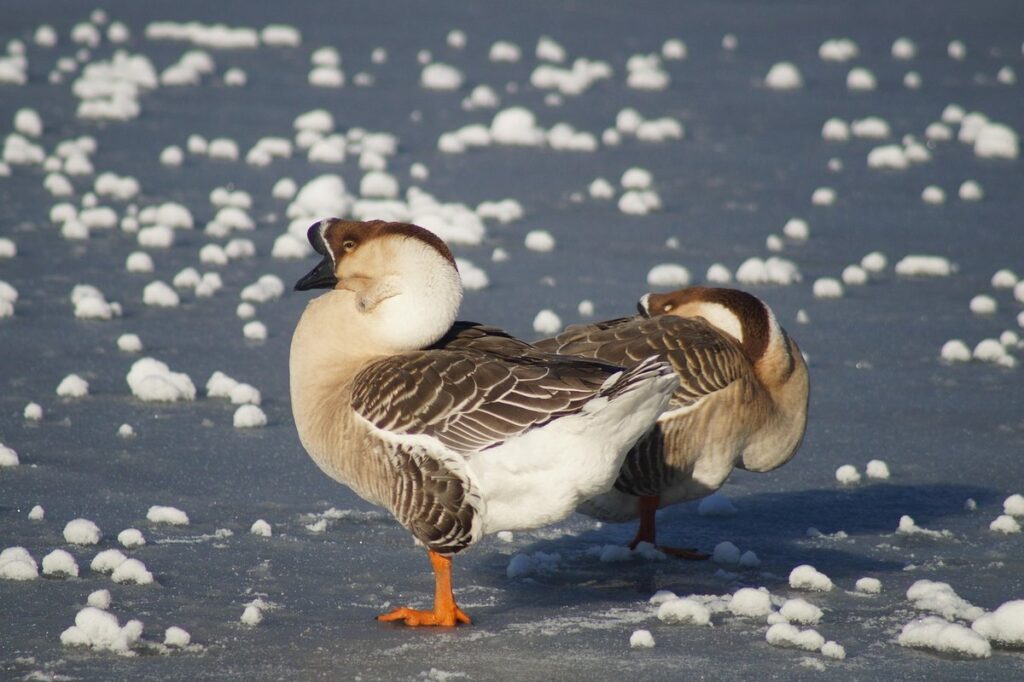
African geese are known for their striking physical characteristics that set them apart from other goose species. One of the most notable features is their varying sizes, ranging from the small and agile Cape Goose to the large and majestic Egyptian Goose, which can grow up to 3 feet in length. Their plumage colors also display a wide range of hues, including snow-white, dark chocolate-brown, and even glossy black.
In terms of beak shapes, African geese have a distinctive orange-red bill that is often curved downwards, perfect for grazing on grasses and aquatic plants. However, some species like the Red-billed Teal Goose sport a more yellowish bill with a slight curvature. It’s worth noting that beak shape can also vary depending on the goose’s diet and lifestyle.
Observing these physical traits closely can help you identify different African geese species in their natural habitats. For example, look out for the Egyptian Goose’s distinctive orange-red bill and white facial markings to distinguish it from other large waterfowl.
Recognizable Breeds
When it comes to African geese breeds, some of the most recognizable and sought-after types include Egyptian geese, West African geese, and Cape Barren geese. Each breed boasts unique characteristics that make them stand out from one another.
Egyptian geese, for instance, are known for their striking white and brown plumage, with a distinctive orange beak and legs. They’re also relatively smaller in size compared to other breeds, weighing around 5-7 pounds. West African geese, on the other hand, have a more vibrant appearance, featuring a mix of gray and white feathers with a subtle sheen. These birds are known for their friendly demeanor and can often be found roaming freely in parks and gardens.
Cape Barren geese, while less common than the others, are notable for their striking yellow-green markings on their heads and necks. They’re also larger in size, weighing up to 10 pounds or more, making them a popular choice among goose enthusiasts who value space and companionship.
Identifying Geese Species
When observing African geese, it’s essential to note their unique physical attributes, habits, and habitats to accurately identify specific species. Start by considering the bird’s overall size, plumage coloration, and beak shape.
One way to distinguish between African geese is through their distinctive calls. For instance, the Egyptian goose has a high-pitched, whistling sound, while the Southern Pochard goose produces a deep, nasal honk. Pay attention to the bird’s overall size – the Greater White-fronted Goose can grow up to 37 inches in length, whereas the Lesser White-fronted Goose reaches only about 28 inches.
Consider the geese’s habitats as well; some species prefer wetlands and grasslands, while others inhabit arid regions or even urban areas. For example, the Hartlaub’s Duck goose is typically found near water sources, such as rivers and lakes, whereas the Cape Barren Goose inhabits a range of environments from deserts to coastal areas.
Look for these distinct physical characteristics: beak shape (e.g., some species have pink or red bills), wing patterns, and tail feathers. By paying attention to these details, you can better identify African geese in their natural habitats.
Habitat and Distribution
African geese can be found in a variety of habitats across sub-Saharan Africa, from savannas to wetlands and grasslands. Let’s take a closer look at their geographic range.
Natural Habitats
African geese are incredibly versatile birds that have adapted to thrive in a wide range of natural habitats across the continent. You can find them inhabiting wetlands, such as marshes, swamps, and river deltas, where they feed on aquatic plants and small animals. In fact, many species of African geese, like the Egyptian goose, are well-suited to living in these environments due to their webbed feet and water-resistant feathers.
Beyond wetlands, African geese can also be found in grasslands and savannas, where they graze on grasses and other vegetation. The southern part of Africa, particularly South Africa and Namibia, provides ideal habitat for species like the Hartlaub’s duck (also known as the Cape goose), which roams the open grasslands and wet meadows.
In addition to these more obvious habitats, some African geese have adapted to living in forests, such as the Ethiopian highlands. These birds will often forage on the forest floor or feed on leaves from trees like the juniper and cypress.
African geese are remarkable for their ability to adapt to different environments, allowing them to thrive across a vast range of ecosystems.
Migration Patterns
African geese are renowned for their impressive migratory journeys, with different species following distinct routes to escape harsh weather conditions, find food, and breed. The White-Feathered Pygmy Goose, for instance, migrates from its summer habitat in sub-Saharan Africa to the tropical regions of eastern Africa during the dry season. This remarkable journey spans over 1,000 miles, often reaching altitudes of up to 5,000 feet.
The Egyptian Goose, on the other hand, undertakes a shorter migration, typically traveling between southern Africa and the Nile River Valley in Egypt. Its primary motivation for migrating is access to abundant food sources during the wet season. In contrast, the Spur-Winged Goose migrates from the highlands of Ethiopia to the low-lying areas of eastern Africa, where it finds suitable breeding grounds.
Understanding these migration patterns is essential for effective conservation efforts and habitat management. By knowing which regions are frequented by African geese during different times of the year, conservationists can create targeted protection programs that safeguard their habitats and prevent human-wildlife conflict.
Human Impact on Habitats
The human impact on African geese habitats has been significant over the years. One of the primary reasons is deforestation, which has led to the destruction and fragmentation of their natural habitats. As forests are cleared for agriculture and urbanization, geese are left with limited areas to live and breed in.
Urbanization has also had a profound effect on African geese populations. As cities expand, they encroach upon wetlands and grasslands, pushing geese out of their habitats. In addition, the construction of dams and waterways has altered the natural flow of water, affecting the availability of food and breeding grounds for these birds.
Agricultural activities have also contributed to the decline of African geese populations. The expansion of farmland has led to the destruction of wetlands and grasslands, reducing the availability of food and shelter for geese. Furthermore, pesticides and fertilizers used in agriculture have polluted water sources, affecting the health of these birds.
If you’re concerned about the impact of human activities on African geese habitats, consider supporting conservation efforts that focus on habitat restoration and protection. You can also make lifestyle changes by reducing your carbon footprint, conserving water, and choosing sustainable products. Every small action counts in preserving the natural habitats of these magnificent birds.
Behavior, Diet, and Reproduction
When it comes to raising African geese as pets, understanding their behavior, dietary needs, and reproductive habits is crucial for a harmonious household. Let’s dive into these essential aspects of goose care.
Social Structure and Mating Habits
When it comes to social structure and mating habits, African geese are quite fascinating. They’re highly social creatures that thrive in groups, often migrating together with their fellow birds. In fact, they tend to form long-term pair bonds, with some couples staying together for up to 20 years or more. These pairs are usually monogamous, but they do engage in brief extrapair copulations during the breeding season.
One of the most interesting aspects of African geese behavior is their unique mating rituals. During courtship displays, males will often perform elaborate dances, raising their wings and neck feathers to attract a mate. Females, on the other hand, will typically initiate contact by approaching the male with a lowered head and neck. Once paired, the female will lay 2-5 eggs in a nest built by both partners using vegetation and mud.
It’s worth noting that African geese are opportunistic breeders, which means they can raise multiple broods per year if food is plentiful. However, this doesn’t necessarily mean they’re more successful at raising their young. In fact, studies have shown that monogamous pairs tend to be more effective at caring for their chicks than polygynous ones.
Foraging and Feeding Habits
African geese are herbivores and their diet consists mainly of grasses, aquatic plants, and other vegetation. In their natural habitats, they can be found grazing on vast grasslands, feeding on lush green pastures, and foraging for plants along riverbanks and lakeshores.
When it comes to foraging, African geese have adapted to different environments in unique ways. On grasslands, they use their powerful legs and webbed feet to trample down tall grasses, allowing them to access the tender shoots and leaves within. In aquatic environments, they feed on submerged plants, algae, and even insects.
In addition to grazing, African geese also engage in crop raiding, where they will feed on crops such as maize, wheat, and sugarcane if given the opportunity. This behavior can sometimes put them at odds with farmers, who may view them as pests.
To observe or encourage foraging behavior in African geese, it’s essential to provide them with a varied and nutritious diet that includes a mix of grasses, leaves, and aquatic plants. You can also try creating a “foraging station” by scattering plant material on the ground, allowing them to search and feed freely.
Nesting and Incubation
When it comes to nesting and incubation, African geese follow a predictable pattern that’s essential for their young ones’ survival. These birds are monogamous, with pairs forming during the breeding season. As they prepare for parenthood, both partners contribute to selecting an ideal nesting site.
African geese typically choose open areas with minimal vegetation, such as grasslands or wet meadows, where predators can be easily spotted. The female lays 2-5 eggs in a shallow depression on the ground, often lined with plant material and down feathers. Incubation begins after the last egg is laid, and both parents take turns sitting on the nest to keep it warm.
The incubation period for African geese averages around 28 days. During this time, the male forages for food while the female stays close to the nest, occasionally leaving to stretch her wings or adjust her position. Once the eggs start hatching, both parents assist in caring for the goslings, teaching them essential skills like foraging and recognition of potential threats.
Conservation Status and Threats
African geese are facing numerous threats that have led to a decline in their populations, prompting concerns about their long-term conservation status. Let’s take a closer look at these pressing issues.
Major Threats to Populations
Habitat destruction and fragmentation are significant threats to African goose populations. As natural habitats are converted into agricultural land, urban areas, or human settlements, geese lose their breeding and feeding grounds. For instance, the White-headed Duck’s habitat in South Africa is under severe threat due to the expansion of agriculture and urbanization.
Climate change also poses a major threat to African geese, altering their migratory patterns and affecting their food supply. Warmer temperatures can cause an increase in mosquitoes and ticks, leading to the spread of diseases such as avian malaria and tick-borne viruses. For example, the West Nile virus has been reported in several African countries, including South Africa and Egypt.
Human-geese conflicts are another pressing issue, particularly in areas with increasing human populations. Geese may be seen as pests by farmers and locals, leading to persecution through hunting or poisoning. In some regions, like Lake Victoria, geese are hunted for their meat, feathers, and eggs, further threatening their populations.
Efforts to Protect Geese Species
African geese are facing numerous threats to their populations, including habitat loss, poaching, and climate change. However, various conservation efforts are underway to safeguard these magnificent birds.
Protected areas such as national parks and wildlife reserves have been established across Africa to provide a safe haven for African geese and other endangered species. For example, the Serengeti National Park in Tanzania is home to over 1,000 migratory geese each year. These protected areas not only serve as a sanctuary but also allow researchers to study and monitor goose populations.
Reintroduction programs are another vital initiative aimed at boosting African goose numbers. These programs involve relocating captive-bred geese into the wild, where they can establish new colonies. In South Africa, conservationists have successfully reintroduced Egyptian geese (Alopochen aegyptiaca) into areas where their populations had declined.
Education campaigns also play a crucial role in protecting African geese. By raising awareness about the importance of conserving these birds and their habitats, local communities can be empowered to take action. For instance, conservation groups have developed educational materials for schools, teaching children about the value of geese in maintaining healthy ecosystems.
As an individual, you too can contribute to African goose conservation efforts. Supporting organizations that work tirelessly to protect these magnificent birds is a great starting point. You can also spread awareness by sharing information on social media or participating in local clean-up initiatives that benefit wildlife habitats.
Sustainable Coexistence with Humans
African geese are fascinating creatures that can thrive in various environments. However, as their populations grow, so do concerns about human-geese conflicts. To peacefully coexist with these magnificent birds, it’s essential to adopt some practical strategies.
Firstly, secure trash cans and recycling bins by using weighty objects or bungee cords to prevent geese from accessing them. Geese are attracted to easy food sources, which can lead to dependency on humans for sustenance. By removing potential food sources, we can discourage their presence in areas where they’re not wanted.
Another crucial aspect is preserving natural habitats and reducing human footprint in these areas. Maintain a safe distance when observing geese, as approaching them can cause stress and alter their behavior. It’s also vital to respect goose nesting sites, which are often marked by subtle signs such as dropped feathers or sticks.
Some cities have successfully implemented measures to manage goose populations while preserving their habitats. For instance, some parks now offer designated “goose-friendly” areas where visitors can observe these birds without disturbing them. By adopting similar approaches and educating ourselves about geese behavior and needs, we can promote a harmonious coexistence between humans and African geese.
Cultural Significance and Interesting Facts
African geese have a rich history and cultural significance that extends far beyond their beautiful appearance, offering many fascinating insights into human connection. Let’s dive into some of these intriguing facts!
Symbolism in Art and Literature
In many African cultures, African geese have been imbued with rich symbolic significance that transcends their humble appearance. In Egyptian art and folklore, these birds are often depicted as sacred creatures associated with the gods and goddesses of fertility and abundance. The goose’s distinctive honking call is said to mimic the sound of the god Horus, while its aggressive behavior towards predators reflects the fierce protection of the pharaohs.
In some African societies, geese are seen as a symbol of wisdom, strength, and loyalty. Their ability to migrate long distances in search of food and shelter has inspired stories of perseverance and determination. In Nigerian folklore, for instance, the goose is said to have taught humans the art of migration by leading them out of the savannah during times of drought.
For artists and writers seeking inspiration from these majestic birds, consider exploring their symbolic significance through creative expression. Draw or paint a geese’s regal profile, capturing its fierce gaze and imposing presence. Or write a poem that personifies the goose as a guide on the journey to self-discovery and growth. By tapping into the cultural heritage of African geese, you may just unlock new themes and motifs to enrich your art and literature.
Unusual Geese Behavior
African geese are known to display some remarkable and unusual behaviors that set them apart from other bird species. One of the most fascinating observations is their synchronized flying patterns. In certain regions, it’s not uncommon to see hundreds of African geese flying together in a perfectly choreographed manner, often referred to as “migratory waves.” These formations are not only impressive to behold but also help the birds conserve energy during long-distance flights.
Another intriguing aspect of African goose behavior is their unique communication patterns. Researchers have discovered that these birds use a variety of vocalizations and body language to convey information about food sources, predators, and potential mates. In fact, studies have shown that African geese are able to recognize individual voices and respond accordingly. This level of social complexity is rare in the bird world and highlights the intelligence and adaptability of these remarkable creatures.
If you’re lucky enough to witness synchronized flying or unique communication patterns in action, consider yourself privileged! However, for most of us, observing such behaviors requires patience and dedication. To increase your chances of spotting these incredible displays, try visiting areas with abundant water sources during peak migration seasons. With a little luck and persistence, you might just find yourself mesmerized by the majestic beauty and intriguing behavior of African geese.
Notable Records and Guinness World Records
African geese have made significant contributions to scientific research and conservation efforts, earning them notable records and accolades. In 2019, a group of African geese in South Africa set the Guinness World Record for the largest gathering of geese, with over 1,500 birds participating. This impressive feat not only showcases their social behavior but also highlights their importance as indicators of environmental health.
African geese have been instrumental in conservation efforts, particularly in the realm of wetland management. Their migratory patterns and habitat preferences make them valuable assets for scientists studying ecosystem dynamics. For instance, researchers at the University of Nairobi used African geese as a model species to study the effects of climate change on waterfowl populations.
One notable example is the work of Dr. Rosemary Suthers, who has dedicated her career to studying African goose behavior and habitat use. Her research has provided critical insights into the importance of wetland conservation and the impact of human activities on geese populations. By understanding these relationships, scientists can develop more effective strategies for protecting these magnificent birds and their habitats.
Frequently Asked Questions
Can I keep African geese as pets, or are they wild animals?
Yes, while it’s possible to keep African geese as pets, they are wild animals that have complex social and spatial needs. If you’re considering keeping them as pets, make sure to check local laws and regulations first. It’s essential to provide a suitable enclosure with adequate space for exercise and a varied diet to meet their nutritional needs.
How can I identify the different species of African geese in the wild?
To identify African geese species in the wild, pay attention to distinctive markings such as beak shape, plumage coloration, and leg length. Consult field guides or expert resources to learn more about specific characteristics unique to each species. Consider bringing a pair of binoculars for better observation.
What are some common health issues that affect African geese?
African geese can be susceptible to respiratory problems, parasitic infections, and malnutrition due to inadequate food sources. Regular veterinary check-ups, providing clean water and shelter, and offering a balanced diet can help prevent or mitigate these issues.
How do I participate in conservation efforts for African geese populations?
You can contribute to African goose conservation by supporting organizations that work on habitat preservation, anti-poaching initiatives, and species research. Spread awareness about the importance of protecting these birds and their habitats through your social networks.
Are there any cultural or symbolic associations with African geese in specific regions or communities?
Yes, African geese hold significant cultural and symbolic meanings across various regions. For example, in some African cultures, they’re associated with fertility and prosperity. In other parts of the world, they might represent good luck or longevity.