
If you’re considering raising quails on your property, one of the most crucial aspects to get right is their living space. A secure and well-designed quail pen is essential for their health, safety, and happiness. But how do you go about building a pen that meets your birds’ needs? Choosing the right materials, ventilation, lighting, and more can be overwhelming, especially if you’re new to backyard poultry keeping.
In this article, we’ll walk you through designing, building, and maintaining a secure quail pen that will provide your birds with the best possible environment. We’ll cover expert tips on selecting the perfect location, constructing the coop, and ensuring optimal ventilation and lighting. By following our guide, you can create a happy and thriving quail habitat that will bring joy to you and your family for years to come.
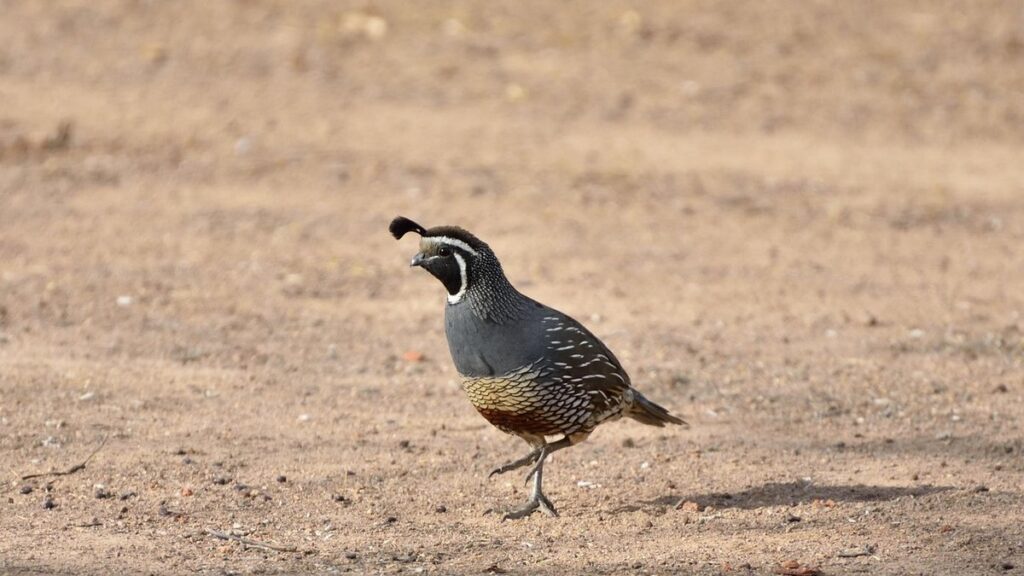
Understanding the Basics of Quails and Their Housing Needs
To keep your quails happy and healthy, it’s essential to understand their basic needs, including housing requirements that cater to their specific behavior and physiology. Let’s dive into the details of providing a suitable environment for these fascinating birds.
Quail Characteristics and Requirements
Quails are social birds that thrive on interaction and activity. In a quail pen, it’s essential to provide them with adequate space for movement and exercise. They require at least 2-3 square feet of floor space per bird, with adequate ventilation and natural light. Quails are ground-dwelling birds, so their housing needs should focus on comfort and safety.
Quails are also prone to health issues like respiratory problems, parasites, and mites due to poor hygiene and overcrowding. To prevent these problems, it’s crucial to keep the quail pen clean and well-maintained. Daily cleaning of the enclosure is a must, including removal of droppings and uneaten food.
Quails also require calcium supplements to maintain strong eggshell production and overall health. A good quality layer feed should be provided as the main staple, along with fresh fruits and vegetables daily. Quail pens should be designed with easy access for cleaning and maintenance to ensure a healthy environment for these small but delicate birds.
Factors to Consider When Choosing a Quail Species
When it comes to choosing the perfect quail species for your backyard, there are several factors to consider. With over 50 different species of quails found worldwide, each with its unique characteristics and traits, selecting the right one can be a daunting task.
Let’s start by considering the size of the quail. Japanese quails, for example, are one of the smallest breeds, weighing around 6 ounces, making them an ideal choice for small backyard spaces. On the other hand, Button quails and California Quails are larger, requiring more space to roam. If you have a limited area available, it’s best to opt for smaller species.
Another important factor is the temperament of the quail. Some breeds, like the Blue-breasted quail, can be quite aggressive and territorial, making them unsuitable for beginners. Look for breeds known for their docile nature, such as the Button quail or the Japanese quail.
Lastly, consider the climate and environmental conditions in your area. Quails from tropical regions may not thrive in colder climates, while those adapted to cold temperatures can be more resilient. Research the specific needs of each breed to ensure you’re providing a suitable environment for your feathered friends.
Essential Features of a Good Quail Pen
When designing a quail pen, there are several essential features to consider. Firstly, adequate ventilation is crucial to prevent respiratory issues and stress on the birds. A good quail pen should have at least one window or air vent per square foot of enclosure space to ensure proper airflow.
Lighting is also vital for quails’ overall health and well-being. They require a 14-hour day/night cycle, so it’s essential to install a timer for your lighting system. Natural light exposure during the day is ideal, but supplemental lighting with LED or fluorescent bulbs can help maintain this cycle in cases where direct sunlight isn’t available.
Space requirements are another crucial factor to consider. Quails need enough room to move around comfortably and engage in natural behaviors like perching and scratching. A general rule of thumb for quail housing is at least 2-3 square feet of floor space per bird, depending on their breed and age.
Designing Your Quail Pen: A Step-by-Step Guide
To build a safe and healthy environment for your quails, you’ll need to design a pen that meets their specific needs, including space, ventilation, and protection from predators. Let’s get started on this essential project!
Assessing Your Yard and Space Requirements
Before you start designing your quail pen, it’s essential to assess your yard and space requirements. This will help you determine whether your property is suitable for a quail enclosure and identify the ideal location.
Consider the size of your yard and the amount of space available for the quail pen. A minimum of 1-2 square feet per bird is recommended, but more space is always better. If you have a small yard, you can still keep quails, but you’ll need to ensure that their enclosure is large enough to provide adequate ventilation and room for movement.
Evaluate your yard’s climate and weather conditions. Quails are sensitive to extreme temperatures, so choose a location with partial shade and protection from strong winds and rain. Consider the orientation of your yard, too – south-facing areas receive more sunlight, which can be beneficial for quail health.
Look for any potential hazards on your property, such as nearby predators or toxic plants. Ensure that your quail pen is secure and escape-proof to prevent any accidents. By carefully evaluating your yard’s suitability, you’ll create a safe and healthy environment for your quails to thrive in their new home.
Creating a Custom Quail Pen Design
When designing a custom quail pen, it’s essential to consider the unique needs of your flock. The size and shape of your pen will depend on the number of quails you’re keeping, as well as the available space in your backyard or farm.
To determine the optimal size for your quail pen, start by calculating the recommended minimum enclosure area per bird. A general rule of thumb is to provide at least 2-3 square feet of floor space per bird. For example, if you’re housing 10 quails, a good starting point would be a pen that measures around 20-30 square feet.
In addition to size, think about the shape of your pen. A rectangular design can help make it easier to clean and maintain, while a circular or octagonal layout can provide a sense of security for your birds. Consider adding features such as nesting boxes, perches, and feeders that cater to your quails’ specific needs.
When planning your custom quail pen, also think about the local climate and potential predators in your area. A secure, predator-proof enclosure will give you peace of mind while ensuring the safety of your flock.
Building Your Quail Pen: Materials and Techniques
When building a quail pen, you’ll want to focus on selecting sturdy materials that will withstand the elements and any curious wildlife. We’ll walk through essential supplies and techniques for a safe and secure enclosure.
Choosing the Right Materials for Your Quail Pen
When it comes to choosing materials for your quail pen, you have several options to consider. Wood is a popular choice for building a quail pen due to its natural appearance and durability. Cedar wood, in particular, is a great option as it has natural resistance to rot and insect damage.
However, wood may not be the best choice if you’re looking for something more low-maintenance or cost-effective. In that case, metal or PVC pipes could be a better option. Metal pens can provide excellent ventilation and ease of cleaning, but they may require additional support structures to prevent sagging.
PVC pipes are another popular choice as they are lightweight, inexpensive, and easy to assemble. However, they may not provide the same level of durability as wood or metal. Regardless of which material you choose, make sure it’s sturdy enough to withstand harsh weather conditions and the weight of your quail flock.
When selecting materials for your quail pen, also consider factors such as insulation, ventilation, and predator protection. By choosing the right materials, you can create a safe and healthy environment for your quails to thrive in.
Building a Predator-Proof Quail Pen Enclosure
When it comes to building a quail pen enclosure, one of the most crucial aspects is ensuring its security against predators. Quails are small and agile birds, making them an easy target for foxes, coyotes, raccoons, and other wildlife.
To build a predator-proof quail pen enclosure, start by selecting materials with sturdy construction, such as 1-inch hardware cloth or chicken wire mesh. Cover the entire perimeter of the enclosure, including any gaps under doors or around pipes, to prevent predators from digging or squeezing through. Bury the mesh at least 12 inches underground to discourage burrowing animals.
Secure the mesh with wooden posts or metal fencing to create a robust barrier. Consider adding an overhang or canopy above the pen to provide shade and protection from harsh weather conditions. When building your quail enclosure, it’s also essential to keep in mind its size. A larger area can be safer for your quails, as they’ll have more space to move around and avoid predators.
Remember, a secure quail pen is not just about keeping predators out – it’s also about providing your birds with a safe and healthy living environment.
Adding Amenities and Features to Your Quail Pen
Now that you’ve set up your quail pen, it’s time to make it a comfortable home for your birds. Let’s explore some fantastic amenities and features to enhance their living space.
Providing Adequate Ventilation and Lighting in the Quail Pen
Quail require adequate ventilation and lighting to stay healthy and thrive. Poor air circulation can lead to respiratory issues, such as bronchitis and pneumonia, while inadequate light exposure can cause stress and disrupt their natural behavior.
Ensure good airflow by installing windows or vents that allow for cross-ventilation. This will help maintain a consistent temperature and remove stale air, reducing the risk of disease. You can also use fans to circulate air, but be cautious not to create drafts that might chill your quail.
For lighting, provide natural light through windows during the day. Supplement with artificial lighting if necessary, using low-wattage bulbs or LED lights specifically designed for poultry housing. Aim for a photoperiod of 14 hours of daylight and 10 hours of darkness to mimic their natural environment.
In addition to these basic requirements, consider adding UVB lighting to support calcium metabolism and prevent metabolic bone disease. Place lighting fixtures at least 3 feet off the ground to avoid heat stress and ensure even distribution of light throughout the pen.
Incorporating Watering Systems and Feeders into Your Design
When designing your quail pen, incorporating efficient watering systems and feeders is crucial to minimize waste and stress on your birds. A well-designed system not only saves you time but also ensures the health and well-being of your quails.
Firstly, consider a drip irrigation system that delivers water directly to the roots of plants, reducing evaporation and runoff. This type of system is particularly effective for large quail pens with multiple sections. For smaller pens, a simple watering can or bottle with a built-in sipper tube can be used.
When it comes to feeders, choose designs that minimize waste and reduce competition among your birds. A good rule of thumb is to provide one feeder per 10-15 quails. You can also use automated feeders that dispense food at set intervals, ensuring the quails eat throughout the day without overeating. Another option is a self-filling feeder with a built-in water reservoir, which eliminates the need for frequent refills.
By implementing these designs, you’ll not only reduce waste but also create a stress-free environment for your quails to thrive in.
Managing Health and Hygiene in Your Quail Pen
When it comes to your quail pen, maintaining a clean and healthy environment is crucial for the well-being of your feathered friends. This section will guide you through essential hygiene practices.
Maintaining Cleanliness and Sanitation in the Quail Pen
Maintaining cleanliness and sanitation in the quail pen is crucial to prevent the spread of diseases and keep your birds healthy. Daily cleaning routines are essential to ensure a clean environment for your quails.
Firstly, remove soiled bedding material such as sawdust or wood shavings from the pen daily. This will help reduce ammonia levels and prevent moisture buildup, which can lead to respiratory problems in quails. Replace the old bedding with fresh material to maintain cleanliness.
Additionally, clean food and water containers regularly to prevent bacterial growth. Wash them thoroughly with soap and warm water at least once a week. Change the water in the quail’s drinking container daily to prevent contamination.
Regularly disinfect surfaces and equipment using a solution of one part bleach to nine parts water. Focus on areas around feeders, waterers, and nesting boxes where germs tend to accumulate. Also, clean any droppings or spills immediately to prevent the spread of diseases.
By following these simple daily cleaning routines, you can maintain a clean and healthy environment for your quails. Remember, cleanliness is key to preventing disease outbreaks in quail pens.
Recognizing and Responding to Common Health Issues in Quails
Recognizing and responding to common health issues in quails is crucial for maintaining their well-being. One of the most prevalent issues is respiratory problems caused by dust and ammonia buildup in the coop. Look out for symptoms such as labored breathing, coughing, and lethargy. To prevent this, ensure proper ventilation in the coop and provide a clean environment.
Another common issue is mites infestation, which can cause stress and discomfort to quails. Check for tiny red dots or black specks on their feathers, particularly around the vent area. Use a fine-tooth comb to gently remove mites from their feathers.
Infectious bronchitis virus (IBV) is another significant concern for quail breeders. Watch out for symptoms like runny eyes, sneezing, and loss of appetite. Implement strict biosecurity measures such as isolating new birds for 30 days, disinfecting equipment, and maintaining good hygiene practices.
Regular monitoring and early intervention are key to preventing the spread of these health issues. Develop a routine check on your quails’ overall condition, and be prepared to take prompt action if you notice any unusual behavior or symptoms.
Ongoing Maintenance and Upgrades for Your Quail Pen
To keep your quail pen safe and healthy, regular maintenance is crucial. This section will walk you through essential tasks to perform on a daily, weekly, and monthly basis.
Scheduling Regular Inspections and Repairs
Regular inspections and repairs are crucial to maintaining a safe and healthy environment for your quails. Just like any other living space, your quail pen requires regular checks to ensure it remains secure and functional.
Start by scheduling quarterly inspections of the pen’s infrastructure, including the walls, floors, and fencing. Check for signs of wear and tear, such as loose wires, damaged netting, or gaps in the walls. Make a note of any issues you find and address them promptly to prevent accidents or escapes. For example, if you notice a gap under the door, fill it with hardware cloth or expandable foam to prevent predators from getting in.
During your inspections, also check for signs of moisture buildup, such as mold or mildew on walls or ceilings. This can be a sign of inadequate ventilation or leaks in the roof. Make sure to address these issues quickly to prevent respiratory problems in your quails.
Remember, regular maintenance is key to preventing costly repairs and ensuring the health and well-being of your birds. By setting aside time for inspections and repairs, you’ll save yourself stress and expense in the long run.
Making Adjustments and Upgrades as Needed
As you continue to raise your quails and gain experience with their care, it’s likely that your needs will change over time. Perhaps you’ll want to expand your flock, or maybe you’ll discover a new feeding strategy that requires some adjustments to the pen design. That’s perfectly normal, and it’s essential to be flexible and adapt your setup accordingly.
To make these adjustments smoothly, keep an eye out for emerging technologies or innovative products in the market. For instance, automated feeders can significantly reduce waste and save you time. Alternatively, you might want to add some climate control elements to ensure a comfortable environment for your quails, especially during extreme weather conditions.
When making changes, start by assessing what needs to be modified. Take note of any issues that have arisen and prioritize addressing them first. Then, research different solutions and consider the costs involved. Be mindful of space constraints and ensure any upgrades won’t compromise the pen’s structural integrity or create safety hazards for both you and your quails.
Ultimately, the key is to stay vigilant and proactive about upgrading your quail pen as needed. This approach will not only improve the health and well-being of your birds but also save you from costly mistakes down the line.
Frequently Asked Questions
What if I’m short on space, but still want to raise quails? Can I build a compact pen?
If you’re short on space, consider building a vertical quail pen or using a trellis system to maximize floor space. You can also use stackable nesting boxes and a modular design to create a compact yet functional enclosure. Ensure adequate ventilation and lighting by adding windows or solar tubes. With some creativity, it’s possible to raise healthy quails even in small yards.
How often should I clean the quail pen to maintain good hygiene?
Regular cleaning is crucial for maintaining a healthy environment for your quails. Clean the pen at least once a week, removing soiled bedding and waste. Disinfect all surfaces with a pet-safe cleaner, and replace old bedding with fresh material. If you notice any health issues or accidents, clean the pen more frequently to prevent disease spread.
What’s the best way to protect my quail pen from predators?
Predator-proofing is essential for safeguarding your quails. Use hardware cloth or chicken wire with openings of 1 inch or smaller to cover the enclosure. Bury the fencing at least 12 inches underground and extend it 3 feet above ground level to prevent digging and climbing attempts by raccoons, foxes, and other predators.
Can I use recycled materials for building a quail pen? What about repurposing old items?
Repurposing materials is an excellent way to save resources and create a unique habitat. Consider using reclaimed wood, plastic crates, or repainted pallets for the coop and enclosure. Just ensure any used materials are clean, dry, and safe for your birds. Be creative, but prioritize quail health and safety when selecting and reusing materials.
How can I provide adequate ventilation in my quail pen during extreme weather conditions?
Proper ventilation is crucial year-round, especially in hot or cold climates. Install adjustable vents or windows to regulate airflow according to temperature and humidity levels. Consider using a dehumidifier during humid months or adding insulation for colder temperatures. Monitor your birds’ behavior and adjust ventilation accordingly to maintain a healthy environment.