
Are you looking for a reliable and hardy chicken breed to add to your farm or backyard flock? Look no further than the Barred Rock! This popular breed has been a favorite among farmers and backyard enthusiasts for generations, and it’s easy to see why. With their striking black-and-white feathers and friendly disposition, Barred Rocks are the perfect choice for anyone seeking a low-maintenance yet rewarding poultry experience.
In this article, we’ll delve into the history of the Barred Rock breed, exploring its origins and development over time. We’ll also cover the essential care requirements for these birds, including nutrition, health considerations, and breeding practices. Whether you’re a seasoned chicken keeper or just starting out, our expert advice will help you get the most out of your Barred Rocks and show you how to bring out their best qualities in the show ring.
History and Origin of the Barred Rock
The history of the Barred Rock is a fascinating one, full of twists and turns that have shaped this beloved breed into what it is today. Let’s take a step back in time to explore its origins.
Early Development of the Breed
The Barred Rock breed has its roots in early 19th-century America, where it was developed from various European breeds. The New Hampshire Red and the Plymouth Rock were key contributors to the creation of this hardy and robust bird. In fact, many historians believe that the original Barred Rocks were essentially a cross between these two breeds.
It’s worth noting that the development of the Barred Rock was largely driven by its practical applications on the farm. Breeders wanted a chicken that could thrive in harsh weather conditions, forage effectively, and lay plenty of eggs. To achieve this, they selected birds with desirable traits from other breeds and crossed them to create a more resilient and productive fowl.
One notable influence on the creation of the Barred Rock was its introduction to the US in the early 1800s by English settlers. These early breeders introduced their own Plymouth Rock chickens, which were known for their exceptional egg-laying abilities and hardiness. Over time, these birds adapted to the American climate and were crossed with other breeds to create the iconic Barred Rock we know today.
The result was a chicken that’s renowned for its impressive egg production, rugged constitution, and striking appearance. With its distinctive black and white feathers, the Barred Rock quickly became a favorite among backyard farmers and commercial producers alike.
Key Factors in Its Success
The Barred Rock’s popularity can be attributed to several key factors that make it an ideal choice for farmers and backyard enthusiasts alike. One of its most notable characteristics is its friendly temperament. Known for being docile and easy-going, Barred Rocks are a pleasure to keep, even for those new to chicken-keeping.
In terms of egg-laying abilities, the Barred Rock does not disappoint. Hens can produce up to 200 brown eggs per year, making them a reliable source of fresh eggs for your family or farm. Their hardiness is another significant advantage, as they are resistant to many common diseases and adapt well to various climates.
If you’re considering adding a flock of Barred Rocks to your backyard, there are a few things to keep in mind. Provide plenty of space for them to roam, as they can become quite active. A good rule of thumb is to allocate at least 2-3 square feet per bird inside the coop and 8-10 square feet per bird outside.
In addition, make sure to provide a balanced diet rich in protein to support their high egg production. With proper care and attention, your Barred Rocks will thrive, providing you with a steady supply of fresh eggs and plenty of entertainment from these charming birds.
Physical Characteristics of the Barred Rock
When it comes to identifying a Barred Rock chicken, there are several key physical characteristics you should look for. Let’s take a closer look at what makes them so distinctive.
Plumage and Coloration
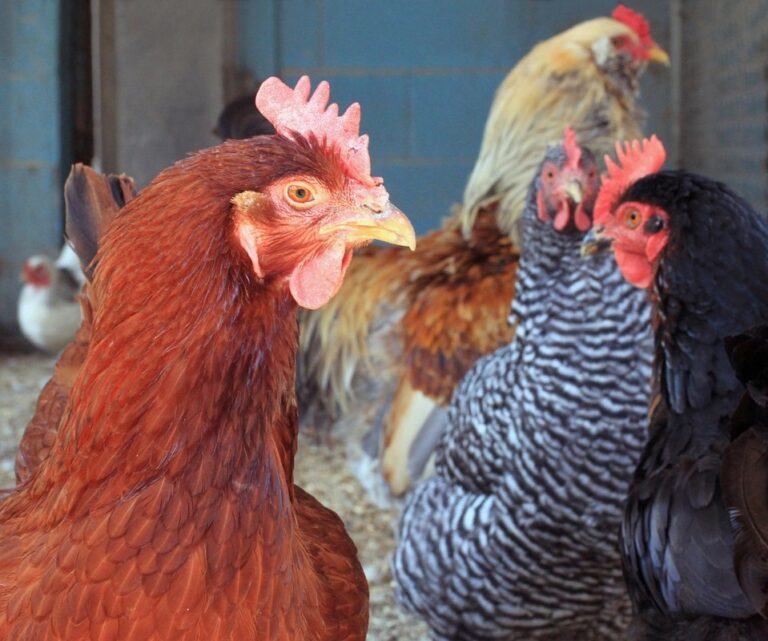
The barred pattern on Barred Rock chickens is one of their most distinctive and recognizable features. This unique feathering is characterized by horizontal black stripes alternating with white feathers, creating a striking visual effect. However, it’s worth noting that the intensity and uniformity of the barring can vary within individual birds and even between different flocks.
Some Barred Rocks may display a more subdued pattern, with lighter or darker bars that blend together, while others may have a more dramatic contrast between black and white feathers. Additionally, some chickens may have a slight tendency towards “fading,” where the barred pattern appears less intense around the wings, tail, and neck.
When it comes to selecting Barred Rocks for your flock, look for birds with even, well-defined barring that extends across their entire body. Keep in mind that individual variation is natural within this breed, so don’t be discouraged if some of your chickens display slightly different patterns.
Size and Build
The Barred Rock’s physical characteristics are just as impressive as their charming personality. When it comes to size and build, these birds are known for being sturdy and compact.
On average, a mature Barred Rock hen weighs between 6-8 pounds (2.7-3.6 kg), while roosters tip the scales at around 9-11 pounds (4-5 kg). Their body type is medium to large, with a broad chest and well-sprung ribs. The feathers are a beautiful slate-gray color with distinctive black bars on each plumage, giving them their signature appearance.
One notable feature of the Barred Rock is their small to medium-sized comb, which is typically red in color. This makes them less prone to heat stress during hot weather conditions. Another distinguishing characteristic is their relatively short earlobes, which are a nice touch for many backyard chicken enthusiasts.
When selecting a Barred Rock, keep an eye out for birds with well-sprung ribs and a broad chest – these signs will indicate a healthy and robust individual. With proper care and attention, your Barred Rocks should thrive in terms of size and build, making them excellent additions to any backyard flock.
Temperament and Personality of the Barred Rock
When it comes to personality, Barred Rocks are known for being friendly and outgoing, making them a great fit for families or first-time chicken owners. They’re also surprisingly intelligent and curious birds.
General Disposition
Barred Rocks are renowned for their gentle and affectionate nature, making them an excellent choice for families with children. They have a calm demeanor that allows them to coexist harmoniously with people of all ages. One of the primary reasons why they make fantastic family pets is their tolerance for noise and commotion.
As you interact with your Barred Rock, you’ll notice how it will often come to visit you in the yard or even follow you around while working in the garden. They have an uncanny ability to sense when attention is needed, making them a joy to be around. Their friendly disposition also makes them adaptable to new environments and social situations.
If you’re planning on introducing your Barred Rock to your family, it’s essential to establish clear boundaries and provide adequate space for it to roam and exercise. With proper care and attention, these gentle birds will reward you with years of loyalty and companionship. By understanding their temperament, you can create a harmonious home where both humans and animals thrive.
Social Behavior
The Barred Rock is known for its charming and affectionate nature, making them a delight to keep as backyard chickens. They tend to form close bonds with their flock members, often establishing a hierarchy that’s not too intense or aggressive. In fact, they’re one of the breeds that thrive in a multi-bird setup, where social interaction and play are encouraged.
As part of the flock, Barred Rocks will establish a pecking order, but it’s generally a peaceful one. They won’t dominate or bully other birds, and instead, will often defer to more assertive breeds if present. This makes them an excellent choice for small farms or homesteads with multiple bird species.
To foster a harmonious flock dynamic, introduce your Barred Rock gently and gradually to new members. This allows them to establish relationships without feeling threatened. Be prepared to observe their personalities and accommodate their needs accordingly. With proper socialization and care, these birds will reward you with years of delightful companionship and gentle egg-laying.
Health Considerations and Breeding Practices
When considering bringing home a Barred Rock, it’s essential to think carefully about health considerations and breeding practices that impact these wonderful birds. Let’s take a closer look at what to expect.
Common Health Issues
As a Barred Rock owner, it’s essential to be aware of potential health issues that can affect your flock. One common problem is respiratory issues, which can arise from factors like dusty environments, poor ventilation, and genetic predisposition. Look out for signs such as labored breathing, wheezing, or coughing. If you notice any of these symptoms, it’s crucial to provide a cleaner, more ventilated living space for your birds.
Another concern is egg-laying disorders. Barred Rocks are prolific layers, but they can be prone to issues like egg binding, where the yolk becomes stuck in the reproductive tract. Monitor your hens’ behavior and watch for signs of distress during laying. To prevent these problems, ensure that your flock has a balanced diet rich in calcium and vitamins.
Regular health checks will also help you identify potential issues early on. Check for any visible injuries or changes in appetite, water intake, or egg production. By staying vigilant and taking preventative measures, you can keep your Barred Rock flock healthy and thriving. Keep an eye out for any unusual behavior or changes in your hens’ overall well-being to ensure their health and longevity.
Responsible Breeding Practices
When bringing home a new Barred Rock chicken, you want to ensure it’s not only a beautiful addition to your flock but also a healthy one. Responsible breeding practices are crucial to maintain the overall well-being of this beloved breed.
Choosing a reputable breeder is essential. Look for breeders who prioritize genetic diversity within their flocks. This means they should be actively working to introduce new bloodlines and incorporate diverse genetics into their stock. A good breeder will also share information about the chicken’s ancestry, providing you with a clear understanding of its potential health traits.
To find responsible breeders, research local or online communities dedicated to Barred Rock enthusiasts. Ask for referrals from trusted sources, such as veterinarians or experienced chicken owners. When visiting a breeder’s farm, take note of their cleanliness, attention to detail, and overall commitment to animal welfare. A reputable breeder will be transparent about health issues within the flock and have a plan in place for managing disease.
By supporting responsible breeding practices, you’re not only ensuring the health of your new pet but also contributing to the long-term sustainability of the breed.
Care and Management Tips
To keep your Barred Rock chickens thriving, we’ve gathered some essential care and management tips to help you ensure their health and happiness. From feeding habits to coop maintenance, learn how to be a top-notch flock owner!
Nutrition and Diet
When it comes to nutrition and diet for Barred Rocks, providing a balanced mix of nutrients is crucial for their overall health and well-being. A good starting point is to offer high-quality commercial chicken feed that’s formulated specifically for layers or growers, depending on the bird’s age.
In addition to commercial feed, you can supplement with treats like fresh fruits, vegetables, and mealworms. Leafy greens such as kale and spinach are excellent choices, while carrots and apples make sweet additions. However, be sure to introduce new foods gradually to prevent digestive upset.
Access to clean, fresh water is also essential. Change the water frequently to ensure it’s free of bacteria and other contaminants. You can also consider adding a water filter or electrolyte supplement to help keep your birds hydrated, especially during hot weather.
A general rule of thumb is to provide about 1/4 cup of treats per bird per day, along with their regular feed. This will not only satisfy their nutritional needs but also give them a chance to forage and engage in natural behavior.
Environmental Considerations
When it comes to caring for Barred Rocks, creating an optimal living environment is crucial for their health and happiness. A well-designed coop with adequate ventilation will help prevent respiratory issues and keep them cool during hot summer months.
For a single flock of 3-4 birds, we recommend a coop size of at least 2×4 feet (8 square feet per bird). However, if you plan to keep more than one flock or live in an area with extreme weather conditions, consider a larger space. Barred Rocks are active foragers and require access to outdoor space for exercise and mental stimulation.
To ensure good ventilation, include windows, vents, or a screened door that allows air to circulate freely. You can also add a trellis or a small gazebo to provide shade and protection from the elements. When it comes to nesting boxes, one box per 3-4 birds is sufficient. Place them at least 2 feet off the floor to prevent drafts and make cleaning easier.
Regularly inspect your coop’s ventilation system and make adjustments as needed to maintain a healthy environment for your Barred Rocks.
Showing and Breeding the Barred Rock
If you’re looking to show off your beautiful Barred Rock chicken’s good looks, or interested in breeding these stunning birds, this is where you’ll find some valuable guidance and tips. Let’s explore how to bring out their best features!
Show Standards and Judging Criteria
When taking your Barred Rock to a poultry show, it’s essential to understand the judging criteria and standards that will be applied. The American Bantam Association (ABA) is one of the primary organizations responsible for setting breed standards for Barred Rocks.
According to ABA standards, judges evaluate Barred Rocks on several key characteristics:
* Type: Barred Rocks should have a sturdy, compact body with a broad chest and well-sprung ribs.
* Size: Males should weigh between 5.5-7.2 pounds, while females should weigh between 4.8-6.2 pounds.
* Plumage: The distinctive barred pattern on the Barred Rock’s feathers is a critical component of their breed standard. Judges look for an even, well-defined pattern that covers the entire bird.
When preparing your Barred Rock for show, pay close attention to these key characteristics. Make sure their plumage is clean and well-groomed, and their overall appearance is neat and tidy.
Tips for Breeders
When breeding successful litters of Barred Rocks, there are several strategies you can employ to improve egg quality, fertility, and overall health. First and foremost, focus on selecting healthy parents with a strong genetic foundation. This means evaluating the birds’ overall condition, including their plumage, temperament, and reproductive health.
To boost fertility, consider introducing multiple sires to your breeding program to reduce inbreeding and increase genetic diversity. You can also implement a regular rotation of breeding stock to prevent overuse and maintain optimal egg production.
Egg quality is another crucial aspect to focus on. Regularly inspect the eggs for cracks, cleanliness, and overall appearance. Additionally, consider incorporating a balanced diet rich in calcium and other essential nutrients to promote strong shell development and overall health.
By implementing these strategies, you can significantly improve your breeding program’s success rates and produce high-quality Barred Rock chickens. Remember to also prioritize proper record-keeping and monitoring of your birds’ performance to make informed decisions about future breeding stock.
Frequently Asked Questions
Can I breed the Barred Rock with other breeds to create unique characteristics?
Yes, breeding the Barred Rock with other breeds can result in desirable traits like improved egg-laying capacity or enhanced disease resistance. However, careful selection and planning are crucial to avoid diluting the breed’s signature characteristics.
How do I prevent common health issues in my Barred Rock flock?
Regular vaccination, proper nutrition, and regular health checks can help mitigate health problems like Marek’s disease and coccidiosis. Ensure your flock has access to clean water, a balanced diet, and adequate space for exercise to promote overall well-being.
What are the specific requirements for showing and breeding Barred Rocks at poultry shows?
To compete in poultry shows, ensure you meet the American Poultry Association (APA) standards for size, plumage, and temperament. When breeding, focus on selecting birds with exceptional characteristics and adhere to responsible breeding practices to preserve the breed’s integrity.
Can I keep Barred Rocks in a small backyard or urban setting?
Yes, Barred Rocks are adaptable to various environments and can thrive in smaller spaces, provided you provide adequate shelter, nutrition, and regular care. However, be aware that their energetic nature may require more attention and exercise opportunities than other breeds.
How long does it take for a Barred Rock hen to start laying eggs?
Barred Rock hens typically begin laying eggs around 18-20 weeks of age, with some females starting as early as 16 weeks. Factors like nutrition, genetics, and overall health can influence the timing of egg production in individual birds.