
Are you considering adding some charm to your backyard flock with bantam Polish chicken hens? These small but mighty birds have captured the hearts of many backyard chicken enthusiasts, and for good reason. With their unique appearance and gentle nature, it’s no wonder why they’re a popular choice among hobby farmers.
But before bringing these lovely ladies home, it’s essential to understand what makes them tick. From their history and physical characteristics to egg production and breeding, there’s more to raising bantam Polish chicken hens than meets the eye. In this article, we’ll delve into the world of these delightful birds, covering everything you need to know about keeping them happy and healthy in your backyard flock. Whether you’re a seasoned breeder or just starting out, we’ve got you covered with expert advice and insider knowledge on raising thriving bantam Polish chicken hens.
Introduction to Bantam Polish Chickens
If you’re new to raising chickens, you might be wondering what makes bantam polish hens so special and why they’re a great addition to any backyard flock. Let’s start by exploring their unique characteristics and temperament.
History and Origins of the Breed
Bantam Polish Chickens have their roots deep in European history, specifically originating from Poland. This breed is believed to be one of the oldest known chicken breeds globally. The exact timeline for its development is unclear; however, historians estimate it dates back to around 600-700 years ago.
In those times, Polish farmers cultivated a small-sized chicken that provided eggs and meat for their families. The Bantam Polish Chicken was bred from a combination of wild birds found in the region, including the Red Junglefowl, Pheasants, and local chickens. Over time, selective breeding led to a compact bird with an impressive feathered crest on its head.
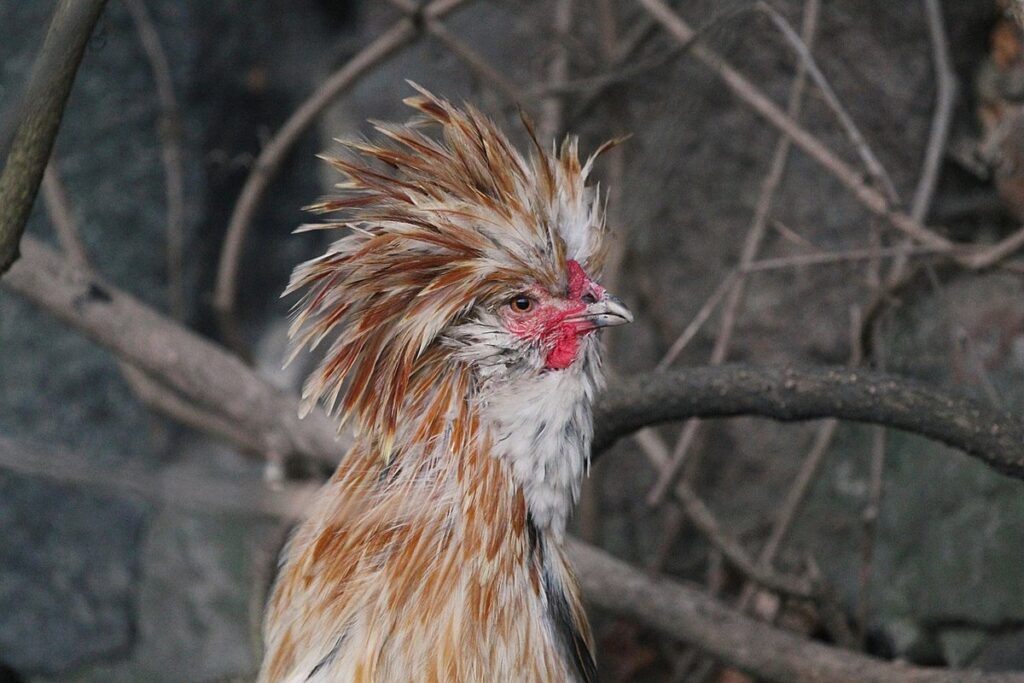
The distinctive crested topknot is one key characteristic distinguishing this breed from others. The Polish’s friendly demeanor makes it an excellent choice for small farms or homesteads, as they tend to interact well with people and their environment.
Physical Characteristics of Bantam Polish Hens
Bantam Polish hens are renowned for their endearing physical characteristics, making them a delight to behold. One of their most distinctive features is the crest, which is a mass of soft feathers growing from the top of the head, giving the appearance of a “pom-pom” or a “topknot.” This unique crest requires regular maintenance to prevent it from becoming tangled and matted.
The beak of a Bantam Polish hen is typically short and stout, often described as being “black” in color. Their plumage is another defining feature, with a profusion of feathers covering their entire body, creating a fluffy appearance. The colors can vary greatly depending on the individual bird’s genetics, but common hues include blue, white, silver, gold, red, and black.
It’s worth noting that regular care and attention are crucial to maintaining the Bantam Polish hen’s physical characteristics. Owners should gently separate the crest feathers daily to prevent matting and tangling, while also keeping an eye out for any signs of beak overgrowth or other health issues related to their unique plumage.
Raising Bantam Polish Chickens: A Guide for Beginners
If you’re new to raising backyard chickens, learning how to care for bantam Polish hens can be a fun and rewarding experience. In this guide, we’ll walk you through the basics of keeping these adorable birds happy and healthy.
Choosing Healthy Chicks
When selecting healthy bantam Polish chicks, there are several factors to consider. First and foremost, you want to choose chicks that will grow into productive egg-layers. Bantam Polish chickens are known for their prolific egg production, laying around 200-220 eggs per year. However, some breeds may be more inclined to lay smaller or larger eggs than others.
As you’re selecting your chicks, pay attention to their temperament as well. Bantam Polish chickens are friendly and docile birds that make great pets. Look for chicks that seem active and curious, but not aggressive. Avoid chicks that appear lethargic, listless, or show signs of illness.
Some other factors to consider when choosing healthy bantam Polish chicks include their appearance, size, and overall health. Make sure the chicks have a shiny, well-feathered coat and bright eyes. Bantams should be compact and sturdy, with a broad chest and well-set wings. Check for any signs of injury or illness, such as labored breathing, runny eyes, or pale combs.
When selecting a reputable breeder, ask about the bloodlines and health testing of their birds. This can give you peace of mind and ensure that your chicks will grow into healthy, happy hens.
Nutritional Requirements of Bantam Polish Hens
Bantam Polish hens have unique nutritional requirements that must be met to ensure they stay healthy and thrive. One of the most important things to consider is their high protein needs. These little birds require a diet rich in protein, which can come from animal-based sources like chicken meal or fish meal.
In addition to protein, Bantam Polish hens also need access to calcium for strong eggshell production and overall bone health. A balanced layer feed that includes calcium carbonate or oyster shells will help meet this requirement. You’ll also want to provide fresh vegetables and fruits daily, but be sure to avoid giving too many treats high in sugar.
A good rule of thumb is to follow the 50/30/20 ratio: 50% of their diet should come from layer feed, 30% from fresh veggies and fruits, and 20% from treats like mealworms or sunflower seeds. For example, if your Bantam Polish hen eats about a cup of food per day, half of that would be layer feed, while the other half would consist of a mix of fresh veggies and fruits.
It’s also essential to provide clean drinking water at all times to keep them hydrated. You can supplement their diet with crushed eggshells or oyster shells to provide extra calcium.
Health Considerations for Bantam Polish Chickens
When it comes to your bantam polish hen’s health, there are several key considerations to keep in mind, including their sensitive respiratory system and potential health risks.
Common Health Issues in the Breed
As a responsible bantam Polish chicken owner, it’s essential to be aware of the common health issues that can affect your feathered friends. Bantam Polish hens are prone to certain health problems due to their compact size and delicate features. Respiratory problems are one such issue that can arise from the breed’s flat face and short nasal passages, making breathing difficult during hot or humid weather.
Eye infections are another common problem in bantam Polish hens, often caused by dirt or debris accumulation under the eyelids or around the eyes. Regular eye cleaning is crucial to prevent this condition. You can gently wipe your hen’s eyes with a damp cloth daily, taking care not to touch the eyeballs themselves.
Additionally, bantam Polish hens are susceptible to Marek’s disease, a viral illness that can cause a range of symptoms including respiratory issues, muscle weakness, and nerve damage. Vaccination is key in preventing this disease, so ensure your hen receives the necessary shots from a qualified veterinarian. By staying vigilant about your hen’s health and taking preventative measures, you can minimize the risk of these common health issues affecting your beloved bantam Polish hen.
Preventative Measures for Keeping Your Flock Healthy
Keeping your Bantam Polish chickens healthy requires a proactive approach to prevent illnesses and parasites. One crucial step is vaccinating your flock against diseases such as Marek’s disease, Newcastle disease, and fowl pox. Consult with a veterinarian to determine the best vaccination schedule for your area and flock.
In addition to vaccinations, controlling parasites is essential. Internal parasites like worms can be managed through regular deworming treatments, typically administered every 6-8 weeks. External parasites like mites and lice can be controlled using powders or sprays containing ingredients like permethrin or pyrethrin. Regular cleaning and disinfection of the coop and runs will also help reduce parasite infestations.
Maintaining a clean environment is critical to preventing disease outbreaks. Ensure adequate ventilation, remove soiled bedding regularly, and provide enough space for your birds to move around. A balanced diet and access to fresh water are also vital for maintaining your Bantam Polish chickens’ overall health. Regular monitoring of your flock’s behavior, appetite, and droppings will help you identify any potential issues early on.
Egg Production and Quality in Bantam Polish Hens
When it comes to egg production, Bantam Polish hens can be a delightful surprise, producing small but nutritious eggs consistently. Let’s explore what makes their eggs so special.
Factors Affecting Egg Production
When it comes to egg production in Bantam Polish hens, there are several key factors that can impact their ability to lay eggs regularly. Nutrition plays a crucial role, as a diet rich in protein and calcium is essential for maintaining strong eggshell production. A lack of these nutrients can lead to decreased egg production or even egg binding.
The environment also has a significant impact on Bantam Polish hens’ egg-laying abilities. Providing adequate space, ventilation, and lighting can help promote healthy egg production. For example, making sure the coop is well-ventilated to prevent ammonia buildup from droppings can reduce stress levels in the birds, which can lead to improved egg laying.
Health issues can also affect egg production in Bantam Polish hens. Common health problems such as respiratory infections and parasites can decrease egg-laying abilities. Regular health checks and preventative measures like vaccinations can help minimize these risks.
In terms of practical advice, it’s essential to provide a balanced diet rich in nutrients, ensure adequate space and ventilation in the coop, and monitor the birds’ health regularly to promote optimal egg production.
Tips for Maximizing Egg Production
To maximize egg production in Bantam Polish Hens, it’s essential to consider both breeding strategies and nutrition plans. When selecting breeding stock, look for birds that demonstrate high egg-laying potential. This can be determined by observing the mothers of the hens you’re considering; if they consistently lay large numbers of eggs, their offspring are likely to follow suit.
In terms of nutrition, a balanced diet is crucial. Bantam Polish Hens require a mix of protein-rich foods such as mealworms or crickets and calcium supplements like crushed eggshells or dark leafy greens. Provide your hens with 16-18% protein feed, supplemented with fresh vegetables and fruits daily.
Another key aspect to consider is the layer’s age. Bantam Polish Hens typically reach their peak egg-laying period around 20-24 weeks old. Be sure not to overcrowd your coop, as this can lead to stress that negatively impacts egg production. Keep your hens active with ample space and opportunities for exercise.
To optimize egg laying potential even further, consider implementing a light cycle that mirrors natural daylight hours. This will signal to the birds when it’s time to lay eggs and help regulate their reproductive cycles.
Temperament and Behavior of Bantam Polish Hens
Bantam Polish hens are known for their unique and affectionate personalities, which make them a joy to have as pets. In this section, we’ll delve into what you can expect from these charming ladies.
Social Structure and Compatibility with Other Breeds
Bantam Polish chickens are known for their small size and charming personalities, but they also have a unique social structure that’s essential to understand if you’re planning to keep them as pets. These birds are typically friendly and docile, but they can be quite territorial and may not get along with larger breeds.
When introducing Bantam Polish hens to other chickens, it’s crucial to do it slowly and under close supervision. Start by keeping them in separate enclosures and allowing them to see each other through a fence or netting. This will give them time to become familiar with each other’s presence without feeling threatened.
In terms of compatibility with other breeds, Bantam Polish chickens generally get along well with smaller birds like Silkies, Cochins, and Seramas. However, they may not be suitable for larger breeds like Leghorns or Orpingtons, as the size difference can lead to bullying and stress.
If you’re planning to keep multiple breeds together, it’s essential to research their individual temperaments and needs beforehand. With patience and proper introduction, you can create a harmonious flock that enjoys each other’s company.
Handling and Training Tips for Bantam Polish Hens
When it comes to handling and training Bantam Polish Hens, building trust is key. These birds can be delicate and sensitive, so it’s essential to move slowly and calmly around them. Start by letting them come to you, allowing them to become comfortable with your presence. Gently speak to them, using a soothing tone of voice, as this will help to calm their nerves.
As you build trust, begin training sessions with short intervals of positive reinforcement, such as offering treats or scratching posts. Be consistent and patient, as Bantam Polish Hens can be stubborn at times. For example, if you’re trying to train them to step onto a scale, reward them with treats each time they successfully do so.
One effective tip for training is to use clicker training, which associates specific behaviors with rewards. This can help to reinforce desired actions and reduce undesirable ones. Remember to keep sessions short and fun, as Bantam Polish Hens have a relatively short attention span. With gentle handling and consistent training, you’ll be well on your way to having a happy and obedient flock.
Showing and Breeding Bantam Polish Chickens
If you’re interested in showing or breeding your Bantam Polish hens, here’s what you need to know about their unique characteristics and requirements. This section will walk you through the process step by step.
Breed Standards and Show Requirements
When it comes to showing and breeding bantam Polish chickens, understanding breed standards and show requirements is crucial for success. The American Bantam Association (ABA) and the American Poultry Association (APA) are two prominent organizations that govern the breed standards for bantam Polish chickens.
According to the APA, a winning bantam Polish hen should exhibit excellent type, with a well-rounded, compact body and a broad, deep breast. The feathering on the neck and shoulders should be soft, fluffy, and perfectly even, while the plumage on the back and tail should be long, flowing, and well-laid.
In terms of color, bantam Polish hens come in a range of varieties, including white, blue, black, buff, and red. Judges look for birds that exhibit rich, vibrant colors with clear, well-defined markings. A bantam Polish hen’s legs should be short, sturdy, and feathered to the knees.
When preparing your bird for show, focus on developing a balanced, symmetrical appearance through proper feeding, exercise, and grooming. Practice handling and training your hen to stand calmly on her own two feet, with wings relaxed by her sides. This will not only help you showcase her best features but also demonstrate your expertise as a breeder and handler.
Tips for Successful Breeding Programs
When it comes to running a successful breeding program for bantam Polish chickens, there are several key considerations to keep in mind. First and foremost, you’ll want to focus on creating a diverse gene pool by working with multiple breeds and bloodlines. This will help ensure that your birds are healthy, robust, and exhibit the desirable traits you’re looking for.
Another crucial aspect is selecting breeding stock that meets specific criteria such as size, feather quality, and temperament. You should also prioritize genetic diversity within each line to prevent inbreeding and related issues like reduced fertility or increased susceptibility to disease.
It’s essential to develop a well-planned breeding strategy that accounts for factors like expected hatch rates, sex ratios, and desirable traits. Regular health checks and monitoring of reproductive performance will help you refine your program over time. Additionally, maintaining detailed records of your breeding stock, including pedigree information, health history, and genetic testing results can prove invaluable in making informed decisions about which birds to breed together.
Frequently Asked Questions
What’s the ideal climate for raising Bantam Polish chicken hens?
Bantam Polish chickens are a cold-hardy breed, but they still require protection from extreme temperatures. They thrive in temperate climates with moderate winters and warm summers. Aim to provide them with sheltered areas or coop extensions to shield them from harsh weather conditions. Ensure adequate ventilation and draft-free zones within the coop to maintain optimal comfort levels.
Can I keep Bantam Polish hens with other breeds, or do they require separate housing?
Bantam Polish chickens are friendly and social birds that can get along with other breeds, but it’s essential to introduce them gradually under close supervision. Provide a spacious enclosure where all birds can roam freely without territorial conflicts. Monitor their behavior and adjust the flock dynamics as necessary.
How often should I collect eggs from my Bantam Polish hens?
Bantam Polish chickens are prolific layers, producing 200-300 eggs per year. Collect eggs daily to maintain cleanliness and encourage continuous egg production. Store them in a cool, dry place to preserve freshness and quality.
Can I use a pre-mixed feed specifically formulated for layer hens with my Bantam Polish flock?
Yes, you can use a high-quality commercial layer feed as the main staple of their diet. Supplement with fresh vegetables, fruits, and insects to provide essential nutrients and maintain egg-laying health. However, avoid overfeeding, as this can lead to obesity and other health issues.
How do I recognize signs of molting in my Bantam Polish hens?
Bantam Polish chickens typically experience a mild molt, but it’s crucial to monitor their behavior during this period. Watch for reduced egg production, feather loss, and changes in appetite or behavior. Provide a balanced diet rich in calcium and vitamin E to support feather regrowth and overall health during the molting phase.