
Are you ready to meet one of the most charming chicken breeds around? The Cochin is a gentle giant, prized for its impressive size and loving nature. With their beautiful plumage and friendly demeanor, it’s no wonder why many backyard chicken enthusiasts adore these birds. But what makes the Cochin breed so special, and how can you bring one home to your flock?
In this comprehensive guide, we’ll delve into the history of the Cochin breed, exploring its origins and characteristics that set it apart from other chickens. You’ll learn about their temperament, breeding requirements, and show ring expectations – everything you need to know to successfully raise and care for these magnificent birds. Whether you’re a seasoned chicken keeper or just starting out, this guide will be your ultimate resource for understanding the wonderful world of Cochin chickens.
Origins and History
The origins of the Cochin chicken breed date back to ancient times, emerging from Southeast Asia as a popular choice for backyard flocks. Let’s take a journey through its fascinating history.
Early Development of the Cochin Breed
The Cochin breed has its roots in Southeast Asia, specifically in China and India. Its ancestors were likely brought to Europe by European travelers and traders who were fascinated by the exotic birds they encountered during their journeys. The early development of the Cochin breed is a testament to the rich cultural exchange that occurred between East and West.
In ancient times, China was known for its impressive breeding programs for ornamental birds. It’s believed that the ancestors of the Cochin breed originated in this region, where they were highly valued for their stunning plumage and gentle nature. Indian breeders also contributed to the development of the breed, introducing new traits and characteristics that would eventually become hallmarks of the modern Cochin.
As trade routes expanded and cultural exchange increased, European breeders began to take notice of these exotic birds. They selectively bred them to create a more docile and compact version, which became known as the Cochin.
Influence on Modern Poultry
The Cochin breed has left an indelible mark on modern poultry farming and breeding practices. Its influence can be seen in several key areas. One notable example is the development of the Plymouth Rock breed, which was heavily influenced by the Cochin’s desirable traits such as its friendly nature and high egg-laying capacity.
In fact, many breeders believe that the Plymouth Rock would not have been developed without the Cochin’s pioneering efforts. Similarly, the Dominique breed owes a debt to the Cochin, having borrowed from its robust constitution and gentle disposition. By introducing these desirable traits into their breeding programs, farmers and breeders were able to create healthier, more productive birds.
Today, many modern breeds still rely on the foundational genetics laid down by the Cochin. Its legacy can be seen in the impressive productivity and hardiness of contemporary breeds. Whether you’re a seasoned breeder or just starting out, it’s worth taking a closer look at the Cochin’s contributions to poultry farming – its influence is undeniable, and its lessons remain relevant today.
Characteristics and Appearance
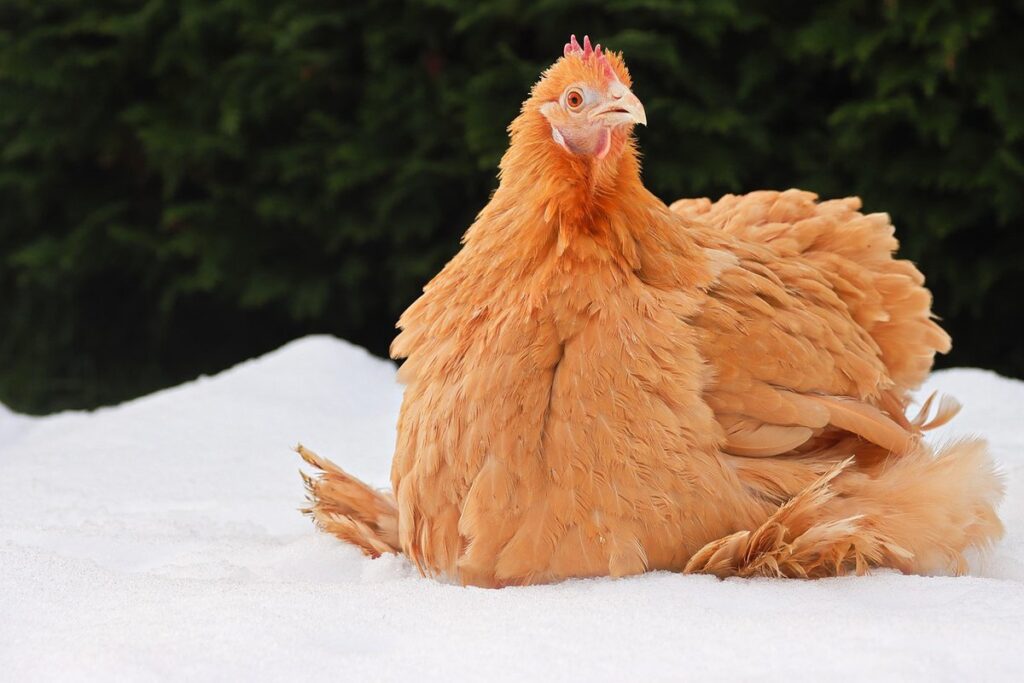
The Cochin chicken breed is known for its distinctive physical characteristics, including their large size, fluffy feathers, and unique appearance that sets them apart from other breeds. Let’s take a closer look at what makes them so recognizable!
Size and Weight
Mature Cochin roosters can grow up to 11-13 pounds and reach heights of approximately 26 inches at the shoulder. In contrast, hens typically weigh between 8-10 pounds and stand about 24 inches tall. What’s impressive is that these birds can achieve this size in a relatively short time frame – often within just six months.
One key factor contributing to their rapid growth is their high feed conversion rate. Cochin chickens are known for efficiently converting food into lean muscle mass, making them an excellent choice for backyard flocks looking for a quick and impressive return on investment.
However, it’s essential to keep in mind that this breed requires regular monitoring of feed intake and overall health to avoid obesity-related issues. With proper care and management, Cochin chickens can thrive and make a significant impact on your flock’s appearance and performance.
Plumage and Feathers
The Cochin breed is renowned for its stunning plumage and feather characteristics. One of the most distinctive features of this breed is its soft, fluffy texture, which provides excellent insulation against extreme temperatures. When running your hand over a Cochin’s feathers, you’ll notice their gentle caress, making them an absolute delight to handle.
In terms of color patterns, Cochins are available in a wide range of hues and combinations. You can find them with solid colors like white, black, or buff, as well as stunning marbled patterns that add an extra layer of beauty to this already regal breed. Some Cochin varieties even display intricate feathering on their necks and tails.
To bring out the full splendor of your Cochin’s plumage, make sure to provide them with regular grooming. This involves gently brushing their feathers daily to prevent matting and tangling, as well as keeping an eye out for any signs of mites or lice that can damage their soft coats.
Their beautiful plumage is not just aesthetically pleasing but also serves a practical purpose – it helps Cochins regulate body temperature in hot and cold climates alike.
Temperament and Personality
When it comes to the Cochin breed, their temperament is often described as gentle and friendly, making them a great fit for families with children. Let’s take a closer look at what makes their personality so unique.
Docile Nature
Cochins are renowned for their docile nature, making them an excellent choice as pets or show birds. Their calm and gentle demeanor is a direct result of their ancestry, inherited from the silky and Brahma breeds that contributed to their development. These peaceful characteristics make Cochins a delight to be around, whether you’re a seasoned breeder or a first-time owner.
One of the key factors contributing to the Cochin’s temperament is their slow growth rate. Unlike some other breeds, Cochins don’t reach maturity quickly, which allows them to remain calm and relaxed even as adults. This trait is essential for families with children, as it ensures that your feathered friends won’t become easily stressed or aggressive.
To bring out the best in your Cochin’s temperament, it’s crucial to provide a nurturing environment. Make sure they have plenty of space to roam, access to fresh food and water, and regular social interaction. By doing so, you’ll be rewarded with a loyal companion that will charm everyone around them with their gentle nature.
Trainability
When it comes to trainability, Cochin chickens are often considered one of the most gentle and docile breeds out there. They’re relatively easy to handle, even for inexperienced chicken keepers. If you’re new to raising chickens, a Cochin is an excellent choice – they’re less likely to nip or peck at you, making them perfect for children or families.
One of the joys of owning Cochin chickens is their ability to be trained. With patience and consistency, you can teach your Cochin to follow basic commands like “come” and “go,” and even perform simple tricks like spinning or fetching small items. This makes them a great breed for backyard chicken keepers who want to engage with their birds in a more interactive way.
To train your Cochin, start by getting them accustomed to handling from an early age. Begin with short sessions of gentle petting and gradually introduce treats to make the experience more positive. As they become more comfortable, you can progress to teaching basic commands and tricks using clicker training or reward-based methods. With time and practice, your Cochin will be performing like a pro in no time!
Breeding and Raising Cochins
If you’re new to raising cochins, understanding their unique breeding and growth requirements is crucial for a healthy flock. This section will walk you through the ins and outs of successfully raising these beautiful birds.
Choosing a Breeder
When it comes to choosing a breeder for your Cochin chicken, there are several factors to consider. First and foremost, research is key. Look for breeders who have experience with the breed, are transparent about their breeding program, and can provide health clearances for their birds.
Ask potential breeders questions such as: What is your breeding philosophy? How do you select parents for your breeding program? Can I see pictures or videos of your birds? What kind of support can I expect after purchasing a chicken from you?
Red flags to watch out for include breeders who are pushy or aggressive in their sales tactics, or those who refuse to answer questions or provide health clearances. It’s also important to ensure that the breeder is licensed and reputable.
If you’re unable to find a local breeder, consider purchasing chicks directly from a hatchery. Look for hatcheries that specialize in heritage breeds like Cochins and have a good reputation with other breeders and owners. Be sure to research the hatchery’s policies on health guarantees and returns before making a purchase.
Health Considerations
As you work with Cochin chickens, it’s essential to be aware of the common health issues that can affect this breed. One of the most significant concerns is obesity, which can lead to a range of problems including heart disease and joint issues. To prevent obesity, ensure that your Cochins have access to plenty of space for exercise and provide them with a balanced diet that meets their nutritional needs.
Respiratory problems are another issue that may arise in Cochins, particularly those living in hot or humid climates. To mitigate this risk, make sure your coop is well-ventilated and maintained at a comfortable temperature range. You should also ensure that your birds have access to clean water at all times to prevent dehydration.
Reproductive issues can also be a concern for Cochin hens, with some experiencing problems during mating or egg-laying. To reduce the risk of these issues, make sure your hens are receiving adequate nutrition and that you’re providing them with enough space to move around freely. Regular veterinary check-ups will also help identify any potential problems early on.
Showing and Exhibiting Cochins
When it comes to showcasing your beautiful Cochins, you want to know what makes them competitive in the show ring, and how to prepare them for a successful exhibition.
Breed Standard
When it comes to showing and exhibiting Cochins, understanding the breed standard is crucial. The American Poultry Association (APA) sets the standard for Cochin chickens, outlining key characteristics that judges look for in show birds.
According to the APA, a Cochin’s ideal appearance should include a sturdy build, with males weighing between 10-13 pounds and females between 8-11 pounds. Their feathering is where Cochins truly shine – a profusion of soft, fluffy feathers covering their bodies, legs, and feet. Judges look for even distribution of these feathers, as well as a “beard” or tuft of feathers on the breast.
When evaluating Cochins, judges also assess their tail feathers, which should be carried high and in good condition. Cochins can come in a variety of colors, but only certain combinations are recognized by the APA. To increase your chances of success in the show ring, make sure to familiarize yourself with these recognized color patterns and breed standards. With practice and attention to detail, you’ll be well on your way to showcasing a stunning Cochin that meets the APA’s high standards.
Tips for Exhibitors
As an exhibitor, you want to make a great impression with your stunning Cochin birds. But showing can be intimidating, especially if it’s your first time. To help you feel more confident and prepared, here are some valuable tips.
Firstly, preparation is key. Make sure your birds are healthy and well-groomed before the show. This means regular veterinary check-ups, a balanced diet, and plenty of exercise to keep them fit and happy. For example, take them for daily walks around the farm or enclosure to get them used to being handled.
During exhibitions, handle your birds gently but firmly. Encourage young handlers by praising their technique and offering constructive feedback. Make sure you follow all safety guidelines and regulations, such as washing your hands before handling birds and keeping a safe distance from other competitors.
It’s also essential to maintain the health and well-being of your birds throughout the showing season. This includes protecting them from stress, disease, and extreme weather conditions. Research local veterinary services and have a plan in place for emergencies. By following these simple tips, you’ll be well on your way to becoming an accomplished exhibitor and showcasing your beautiful Cochin birds with pride.
Conclusion
As we conclude our journey into the world of Cochin chickens, let’s summarize the key takeaways from our exploration of this beloved breed.
Summary of Key Points
The Cochin chicken breed has been covered extensively in this comprehensive guide. As we conclude our exploration of this unique and fascinating breed, let’s revisit the key points that make it an attractive choice for both pet owners and show enthusiasts.
One of the most striking characteristics of the Cochin is its impressive size, with males reaching up to 18 pounds and females weighing around 12-15 pounds. This bulkiness makes them a standout in any flock or exhibition setting. We’ve also highlighted their gentle nature, making them an excellent choice for families with children or as a companion bird.
Their feathering was another crucial aspect of the Cochin breed discussed throughout this guide. Their soft, fluffy plumage comes in a variety of colors and patterns, adding to their visual appeal. The breed’s unique appearance is further accentuated by their rounded bodies and short legs.
In terms of requirements, we’ve emphasized the importance of providing ample space for these birds to roam and exercise. A large coop or enclosure with plenty of room for movement is essential for maintaining their physical health. Nutritionally, Cochin chickens have a moderate appetite and require a balanced diet that includes high-quality grains, fruits, and vegetables.
As a pet or show bird, the Cochin breed offers numerous benefits. Their friendly demeanor makes them an excellent choice for those new to chicken keeping, while their impressive size and beautiful plumage make them a standout in any exhibition setting. With proper care and attention, these birds can thrive and become beloved members of your family.
To recap, here are some key takeaways from this guide: know that the Cochin breed is known for its gentle nature, impressive size, and stunning feathering; provide ample space for exercise and movement; maintain a balanced diet with high-quality feed and supplements; and consider their unique characteristics when deciding to keep them as pets or show birds.
Frequently Asked Questions
What’s the best way to introduce a Cochin chicken to my existing flock?
When introducing a new Cochin chicken to your flock, it’s essential to do so gradually to prevent stress on both the bird and the existing chickens. Start by keeping the new addition in a separate enclosure for a few days before releasing them together under close supervision. This will allow the birds to get accustomed to each other’s scent and presence without any initial confrontation.
Can Cochin chickens adapt well to small backyards or urban environments?
While Cochins are originally bred for their size, they can still thrive in smaller spaces if provided with adequate care and attention. However, it’s crucial to ensure that your backyard has sufficient space for the birds to move around comfortably and engage in natural behaviors.
Are Cochin chickens suitable for families with children, and how can I teach kids about responsible chicken keeping?
Cochins are known for their docile nature, making them an excellent choice for families with children. When teaching kids about responsible chicken keeping, start by explaining the importance of gentle handling and respecting the birds’ boundaries. Encourage children to assist in feeding, cleaning, and monitoring the flock’s health.
How do I determine if my Cochin is a purebred or a crossbreed?
To confirm whether your Cochin is a purebred or a crossbreed, look for documentation from a reputable breeder or check with local poultry associations. Purebred Cochins typically come with registration papers and meet specific breed standards. Crossbreeds, on the other hand, may not conform to these standards but can still exhibit desirable traits.
Can Cochin chickens be raised without a rooster in small-scale egg production?
While a rooster is necessary for fertilization, it’s possible to raise Cochins for egg production without one by using artificial insemination or collecting eggs from hens that are already laying. However, the absence of a rooster may affect the flock’s overall social dynamics and require more frequent monitoring to ensure health and well-being.