
Are you looking for a low-maintenance yet high-reward chicken breed? Look no further than the Birchen chicken. Known for their friendly, docile nature, these birds make perfect pets for families or experienced poultry keepers alike. Not only are they easy to handle, but they’re also prolific egg layers, producing an impressive number of large brown eggs per year.
In this article, we’ll delve into the world of Birchen chickens, exploring their unique characteristics, housing needs, and health considerations. We’ll also cover breeding requirements for those looking to add these lovely birds to their flock. Whether you’re a seasoned breeder or just starting out, understanding what makes Birchen chickens special will help you determine if they’re right for your backyard or farm.
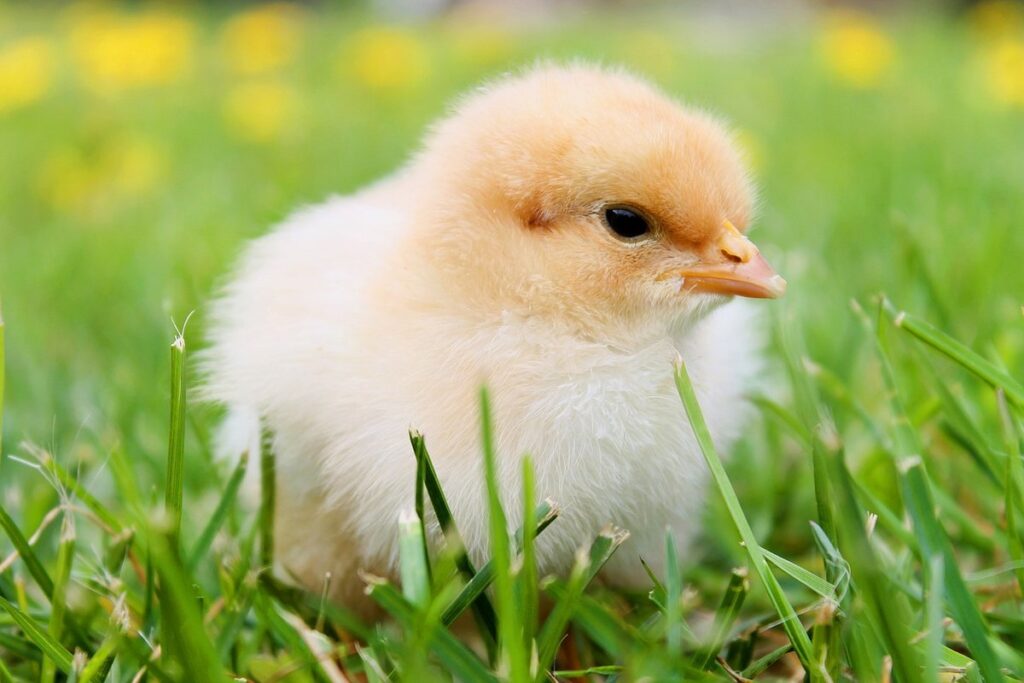
Introduction to the Birchen Chicken
Let’s get started by diving into one of our most beloved heritage breeds: the birchen chicken. This section will cover all you need to know about this charming bird.
Origins of the Birchen Breed
The Birchen chicken breed has a rich history that dates back to the early 20th century. Its origins are deeply rooted in the United Kingdom, where it was first developed as a cross between a White Cochin and a Java fowl. The resulting offspring were notable for their striking birchen feathers, which feature a mottled mixture of dark and light brown hues.
One of the key factors that contributed to the development of the Birchen breed was its ability to thrive in cooler climates. In contrast to many other chicken breeds, Birchens are well-suited to temperate weather conditions and can tolerate temperatures as low as 40°F (4°C). This made them an attractive choice for farmers in the UK who were looking for a hardy and reliable breed.
The Birchen’s unique characteristics and adaptability quickly made it a popular choice among backyard chicken keepers. Today, this heritage breed is prized by many for its gentle nature, excellent egg-laying abilities, and stunning appearance.
Physical Characteristics of the Birchen
The Birchen chicken is a stunning sight to behold, with its unique physical characteristics setting it apart from other breeds. One of its most distinctive features is its plumage, which boasts a beautiful mix of golden and silver feathers. The Birchen’s coat can range from a light golden hue to a darker, more muted tone, giving each bird a one-of-a-kind appearance.
Its comb is another notable feature, typically ranging in color from pink to red. Some individuals may even display a slight tint of orange or yellow, adding an extra layer of visual interest. When it comes to overall appearance, the Birchen is known for its balanced proportions and athletic build. They have a moderate size, with roosters typically weighing between 6-8 pounds (2.7-3.6 kg) and hens coming in at around 5-7 pounds (2.3-3.2 kg).
If you’re considering adding a Birchen to your flock, it’s essential to note that their striking appearance can sometimes make them stand out – literally! They often have a tendency to strut around the farmyard with confidence, showcasing their unique charm.
Characteristics and Temperament
When it comes to birchen chickens, understanding their characteristics and temperament is key to building a strong bond with your feathered friends. Let’s dive into what makes them unique!
Friendly and Docile Nature
The Birchen chicken’s temperament is one of its most endearing qualities. Known for their friendly and docile nature, they make an excellent addition to backyard flocks. These birds are naturally inclined to be approachable and easy-going, which makes them a great choice for families with children or those who want a low-maintenance flock.
One of the key characteristics of Birchen chickens is their calm demeanor. They are less likely to fly up in distress when handled, making them a pleasure to work with. This docile nature also means they are less prone to fighting and aggression, creating a harmonious environment within your backyard flock.
In fact, many breeders have noted that Birchen chickens are one of the most forgiving breeds when it comes to handling mistakes. They will tolerate being picked up, examined, or even handled roughly without becoming agitated. This friendly nature makes them an ideal choice for novice chicken keepers who want a stress-free experience with their flock.
Overall, the Birchen chicken’s temperament is a significant advantage for backyard farmers and enthusiasts alike.
Egg-Laying Ability and Productivity
The Birchen chicken is known for its exceptional egg-laying abilities, making it an attractive choice for backyard farmers and commercial producers alike. On average, a healthy Birchen hen will produce around 280-300 brown eggs per year, with some individuals reaching up to 320 eggs in ideal conditions.
One notable characteristic of the Birchen’s egg-laying ability is its high fertility rate. Studies have shown that Birchen hens tend to have a higher percentage of fertile eggs compared to other breeds. This makes them an excellent choice for small-scale farmers or homesteaders who want to raise their own chickens and collect fertilized eggs for incubation.
To optimize your Birchen’s egg-laying productivity, it’s essential to provide them with a balanced diet rich in protein, calcium, and vitamins. Ensure they have access to fresh water and a clean, comfortable living space that promotes good health and well-being. By doing so, you can expect an average of 5-6 eggs per week from each Birchen hen, depending on their age, nutrition, and overall health.
Health Considerations
When it comes to raising birchen chickens, there are several health considerations you’ll want to be aware of to ensure your flock stays happy and healthy. This includes watching for signs of disease and taking steps to prevent common health issues.
Susceptibility to Certain Diseases
The Birchen chicken is generally considered to be a hardy breed, but like all chickens, they are not immune to certain diseases. One potential health issue that may affect the Birchen chicken is Marek’s disease, a viral infection that can cause paralysis and death. However, this is more commonly associated with hybrid breeds rather than purebred birds.
Another concern for Birchen chickens is frostbite and hypothermia in cold weather. This is because their feathering is relatively light, making them more susceptible to extreme temperatures. If you live in an area with frequent frosts or prolonged periods of cold weather, it’s essential to provide your Birchen chickens with adequate shelter and protection.
To minimize the risk of disease, ensure that your Birchen chickens have a balanced diet, clean living conditions, and regular access to fresh water. Vaccination against Marek’s disease can also be an effective preventative measure. Regular health checks and monitoring for any signs of illness will help you catch potential problems early on, allowing you to take prompt action to prevent them from becoming serious issues.
Nutritional Requirements for Optimal Health
To ensure that your Birchen chickens live their best lives, it’s essential to provide them with a well-balanced and nutritious diet. As a responsible chicken keeper, you’ll want to consider the following key nutritional requirements for optimal health.
First and foremost, protein is an essential component of a chicken’s diet. Aim to provide around 20% of their daily calories from high-quality protein sources such as commercial chicken feed, mealworms, or crickets. You can also supplement with egg yolks, which are rich in protein and other vital nutrients.
Calcium is another critical nutrient for strong bone growth and development. Make sure to include calcium-rich foods like crushed oyster shells, dark leafy greens, or crushed eggshells in their diet. A good rule of thumb is to provide about 1-2% calcium content in their feed.
Additionally, ensure that your Birchen chickens have access to fresh water at all times and provide a variety of fruits and vegetables as treats. This will help maintain their digestive health and prevent nutrient deficiencies.
Housing and Environment
When it comes to keeping your birchen chickens happy and healthy, their housing and environment play a big role in overall well-being. This includes everything from coop design to outdoor space considerations.
Space and Equipment Needs
When it comes to housing your Birchen chickens, providing them with sufficient space and necessary equipment is crucial for their health and well-being. A good rule of thumb is to allocate at least 3-4 square feet per bird inside the coop, and an additional 8-10 square feet in the run or enclosure.
In terms of space, a larger flock will require more room to roam, but even with smaller flocks, it’s essential to ensure there’s enough space for each bird to move around comfortably. Consider a coop with multiple levels or tiers to maximize vertical space and provide easy access to feeders and perches.
Some necessary equipment includes nesting boxes (one per 3-4 hens), roosting bars, and adequate ventilation to prevent ammonia buildup from droppings. You’ll also want to install secure fencing around the run to keep predators out and birds in. When setting up your Birchen chicken’s housing, remember that their needs will vary depending on the season, so be prepared to make adjustments as necessary.
By prioritizing space and equipment, you’ll create a safe and comfortable environment for your Birchen chickens to thrive.
Outdoor Access and Enrichment Opportunities
Providing outdoor access and enrichment opportunities is crucial for maintaining the physical and mental well-being of Birchen chickens. These birds are natural foragers and love to explore their surroundings, so it’s essential to create a safe and stimulating environment that encourages them to move around.
A minimum of 6-8 hours of free-range time per day is recommended to ensure your Birchen chickens get enough exercise and sunlight. However, make sure to supervise them during this time to prevent potential dangers such as escaping or predation. You can also consider creating a secure outdoor run with adequate shelter and shade to provide protection from harsh weather conditions.
Enrichment opportunities are equally important to keep your Birchen chickens engaged and mentally stimulated. You can add puzzle toys filled with treats, hanging feeders that challenge them to forage, or even create a “scratch-and-peck” area with hidden treasures. These activities will not only keep them entertained but also help reduce stress and boredom. Consider rotating enrichment activities regularly to keep things interesting and prevent monotony.
Breeding and Raising
When it comes to birchen chickens, breeding and raising them requires a bit of know-how. In this section, we’ll walk you through the process of introducing new birds to your flock.
Choosing a Breeder or Starting Your Own Flock
When it comes to adding Birchen chickens to your flock, you have two main options: purchasing from a reputable breeder or starting from scratch with chicks. Both methods have their advantages and disadvantages, and the right choice for you will depend on your experience level, resources, and goals.
If you’re new to raising poultry, working with an experienced breeder can be a great way to get started. They’ll not only provide healthy, well-bred birds but also offer valuable advice and support as you learn the ropes. When selecting a breeder, look for one that’s registered with a reputable association, such as the American Bantam Association (ABA) or the American Poultry Association (APA). This ensures that their chickens have been tested for genetic integrity and are free from serious health issues.
On the other hand, starting your own flock from chicks can be a fun and rewarding experience. You’ll have complete control over the bloodlines and characteristics of your birds, allowing you to tailor them to your specific needs and preferences. To do this successfully, make sure you have a suitable coop and run in place, as well as the necessary knowledge and equipment for raising chicks from hatch to maturity.
When purchasing chicks from a breeder or starting your own flock, it’s essential to consider factors such as egg production, temperament, and disease resistance. Research different breeds and bloodlines to find the ones that best fit your needs, and don’t be afraid to ask questions or seek advice from experienced breeders or veterinarians.
Tips for Successful Rearing and Integration
When it comes to rearing and integrating new birchen chickens into an existing flock, there are several key things to consider. First, make sure the new birds have a safe and comfortable space to settle in before introducing them to the rest of the flock. This can be as simple as setting up a temporary coop or pen away from the main group.
It’s also essential to consider the size and temperament of your existing flock when introducing new birds. If you’re adding a large number of birds, do it gradually to prevent stress on both the old and new birds. A good rule of thumb is to introduce one or two new birds at a time, allowing them to settle in before bringing in more.
When integrating the new birds, make sure to provide plenty of food, water, and space for everyone. Monitor their behavior closely, especially during the initial introduction period, and be prepared to intervene if necessary. This might involve separating any aggressive birds or providing extra support to timid ones.
Conclusion and Final Thoughts
As you near the end of our journey into the world of birchen chickens, let’s reflect on what we’ve learned together so far.
Summary of Key Points
In wrapping up our journey through the world of Birchen chickens, let’s revisit the key points we’ve covered. This magnificent breed has captured hearts with its striking plumage and charming personality.
The Birchen chicken is a dual-purpose breed that excels in both egg-laying and meat production. They are known for their distinctive white feathering on the breast and belly areas, with a subtle sheen to their plumage. With an average weight of 4-6 pounds and a medium size frame, they make excellent additions to backyard flocks.
In terms of history, Birchen chickens date back to the late 19th century in England, where they were bred for their unique appearance and robust constitution. As we’ve discussed earlier, these birds are relatively low-maintenance pets that require regular feeding, clean living conditions, and proper health care.
To ensure your Birchen chicken thrives, make sure to provide a balanced diet rich in protein, calcium, and essential vitamins. Regular exercise and social interaction will also keep them happy and healthy. By following these simple guidelines, you’ll be well on your way to enjoying the companionship of this delightful breed.
Encouragement for Backyard Flock Owners
As we conclude our journey into the wonderful world of Birchen chickens, we hope you’re now even more convinced that these stunning birds would be a fantastic addition to your backyard flock. If you’re still on the fence, let us assure you – bringing home a Birchen chicken can be one of the most rewarding decisions you’ll ever make for your feathered family.
Not only do Birchen chickens boast an unbeatable combination of looks and personality, but they also bring unique benefits to your flock dynamics. For instance, their docile nature makes them an excellent choice for families with children or those who want a low-maintenance pet. Plus, their high egg-laying capacity means you’ll enjoy a steady supply of fresh eggs from your backyard.
So, what’s stopping you? If you’re ready to take the plunge and bring home a Birchen chicken, here are some final tips to keep in mind: research local breeders or reputable sellers, ensure you have suitable coop space, and be prepared for the delightful experience of raising these lovable birds. Trust us – your backyard flock will thank you!
Frequently Asked Questions
How can I introduce new Birchen chickens to my existing flock?
When introducing new birds, it’s essential to do so slowly and under close supervision. Start by keeping the new birds in a separate enclosure for a few days before releasing them into the main flock. Monitor their behavior and interactions closely, ensuring that they’re not stressed or bullied.
What are some common health issues I should be aware of when caring for Birchen chickens?
Birchen chickens can be susceptible to certain diseases such as respiratory infections and mites. Regular vaccinations, proper ventilation, and frequent cleaning of the coop can help prevent these issues. Additionally, maintaining a balanced diet and ensuring access to clean water can also contribute to their overall health.
How often should I collect eggs from my Birchen hens?
Birchen chickens are prolific egg layers, producing an average of 200-220 large brown eggs per year. It’s essential to collect eggs regularly to prevent breakage and maintain a clean environment. Aim to collect eggs at least twice a day, ideally in the morning and afternoon.
Can I keep Birchen chickens in small backyard spaces, or do they require more extensive areas?
While Birchen chickens can thrive in smaller spaces, they still require adequate room for movement and exercise. A minimum of 2-3 square feet per bird is recommended, with access to outdoor areas for enrichment and foraging.
What’s the best way to breed Birchen chickens if I’m new to poultry breeding?
Breeding Birchen chickens requires a good understanding of genetics and selection principles. If you’re new to breeding, start by researching and selecting high-quality birds from reputable breeders or flocks. Consult with experienced breeders, attend workshops, or online forums to gain knowledge and guidance throughout the process.