
Are you eager to start collecting eggs from your very own backyard flock? Choosing the right breed can make all the difference in maximizing egg production. But with so many options out there, it’s hard to know where to begin. That’s why we’ve put together a comprehensive guide on the best hens for laying – covering everything from top-performing breeds to expert tips on optimizing their performance.
In this article, you’ll discover which breeds are likely to give you the most eggs per year, and how to create an ideal environment that will help them thrive. Whether you’re a seasoned chicken keeper or just starting out, our expert advice will have you well on your way to setting up a thriving backyard flock in no time. So let’s get started and crack open the secrets of successful egg-laying hens!
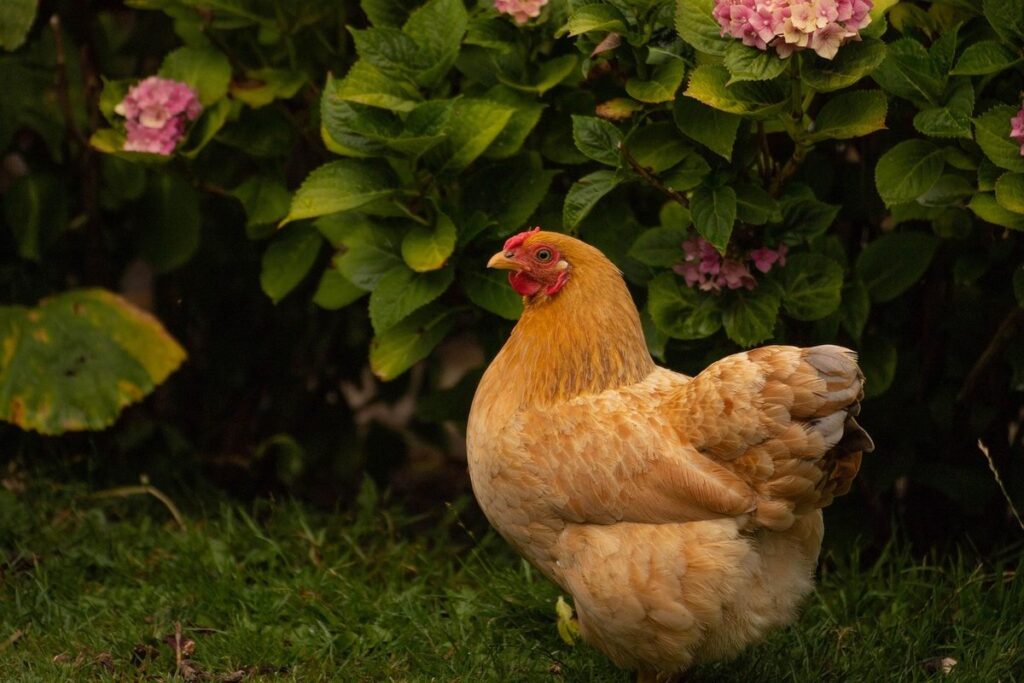
Choosing the Right Breed
When it comes to selecting hens for laying, one of the most important decisions you’ll make is choosing a breed that fits your needs and lifestyle. With so many breeds to choose from, let’s break down some key considerations.
Factors to Consider When Selecting a Laying Breed
When selecting a laying breed, it’s essential to consider several key factors that affect a hen’s egg-laying abilities. Size is one critical consideration – larger breeds tend to produce more eggs than smaller ones. For example, Leghorns are known for their high egg production, laying an average of 280-300 brown eggs per year. On the other hand, smaller breeds like Bantams may only lay around 100-120 eggs annually.
Temperament is also a vital factor to consider. If you have children or other pets in your household, it’s crucial to choose a breed known for being friendly and docile. Some popular laying breeds that fit this bill include Orpingtons and Plymouth Rock hens. Climate adaptability is another essential consideration – if you live in an area with extreme temperatures, you’ll want to select a breed that can thrive in those conditions.
Ultimately, the right breed will depend on your specific needs and lifestyle. Consider factors like space, feed availability, and climate when making your decision. By choosing the right breed for your situation, you’ll be well on your way to enjoying an abundance of fresh eggs from your backyard flock.
Popular Breeds for Backyard Flocks
If you’re just starting out with backyard chickens, it can be overwhelming to choose the right breed for your needs. With so many breeds to choose from, each with their own unique characteristics and egg-laying abilities, it’s essential to select a breed that fits your lifestyle and meets your expectations.
Some of the most popular laying breeds suitable for small backyard flocks include Leghorns, Rhode Island Reds, Barred Rocks, and Golden Comets. Leghorns are known for their high egg production rates, with some varieties producing up to 300 eggs per year. They’re also lightweight and compact, making them an excellent choice for smaller coops.
Rhode Island Reds are another popular breed, prized for their rich brown eggs and friendly nature. They’re relatively easy to care for and can tolerate a range of climates. Barred Rocks are known for their hardiness and ability to adapt to different environments. Golden Comets, on the other hand, are a cross between a Rhode Island Red and a White Leghorn, offering the benefits of both breeds.
When selecting a breed for your backyard flock, consider factors such as egg production rates, temperament, and climate tolerance. With careful consideration and research, you can choose the perfect breed to meet your needs and provide fresh eggs for years to come.
Egg Production and Laying Capacity
When it comes to choosing hens for your backyard flock, their egg-laying abilities are a top priority. In this section, we’ll explore the factors that determine an individual hen’s laying capacity.
Understanding Egg Yolk Color and Size Variations
When selecting a laying breed for your backyard flock, understanding egg yolk color and size variations is crucial. The vibrant colors of an egg yolk are primarily influenced by the hens’ diet. Marigold and yellow-colored feed will result in darker yolks, while green or blue pigment-free feeds produce lighter yellows. This means that the type of feed you provide your hens can significantly impact the color and size of their eggs.
Another factor affecting egg yolk color is the hen’s genetics. Some breeds naturally lay eggs with deeper yellow or orange yolks due to their genetic makeup. Research has shown that certain breeds, such as the Marans and Araucana, consistently produce eggs with richer, more vibrant yolks.
While egg size can be influenced by factors like nutrition and breeding, it is not necessarily an indicator of a breed’s overall laying capacity. When selecting a breed, consider the color and richness of the yolk in addition to other important traits such as hardiness, temperament, and disease resistance.
Factors Affecting Laying Performance
As you work to optimize egg production and laying capacity in your flock, it’s essential to consider the external factors that can impact a hen’s laying performance. Nutrition plays a critical role, as hens require a balanced diet rich in protein, calcium, and other essential nutrients to produce high-quality eggs. A lack of adequate nutrition can lead to reduced egg size, lower fertility rates, and even cessation of laying altogether.
Lighting is another crucial factor, with most breeds requiring around 14 hours of daylight or artificial lighting to stimulate egg production. Insufficient light can cause a hen’s natural rhythms to slow down, leading to reduced egg production. Climate control also comes into play, as extreme temperatures – both hot and cold – can stress hens and negatively impact laying performance.
To mitigate these effects, make sure your flock has access to fresh, nutritious feed and a well-ventilated coop with adequate lighting. Consider supplementing with calcium and other essential nutrients during breeding or molting periods when egg production may be at its lowest. By paying attention to these external factors, you can help optimize laying performance in your hens.
Nutritional Requirements for Optimal Laying
To produce top-notch egg-layers, your hens’ nutritional needs must be met, so let’s dive into the essential vitamins and minerals they require to thrive. Providing a balanced diet is crucial for optimal laying performance.
Essential Nutrients for Egg Production
For optimal egg production, hens require a well-balanced diet rich in essential nutrients. Vitamins A and E are crucial for maintaining healthy skin and reproductive systems, which play a significant role in egg production. Vitamin D is also vital, as it helps regulate calcium levels, necessary for strong eggshell formation.
Minerals like calcium, phosphorus, and magnesium are fundamental components of eggshells. A lack of these minerals can lead to weak or fragile eggs, making them more susceptible to breakage during handling or storage. Iron and zinc are also essential for maintaining healthy reproductive systems and supporting overall health.
Amino acids, particularly methionine and lysine, are necessary for optimal protein production in hens. This is critical for building strong eggshells and promoting overall health. For example, a study showed that hens fed a diet supplemented with methionine produced eggs with stronger shells compared to those not receiving the supplement.
To ensure your hens receive these essential nutrients, consider adding supplements or feed rich in calcium, vitamins A and E, and amino acids like methionine and lysine to their diets. Always consult with a veterinarian or poultry expert before making any significant changes to your flock’s nutrition plan.
Common Feed Types and Supplements
When it comes to meeting the nutritional needs of laying hens, understanding the various feed types and supplements available is crucial. Commercial feeds are a popular choice among backyard chicken keepers, as they provide a balanced mix of nutrients that support egg production. However, if you’re looking for a more natural approach, organic feeds made from locally sourced ingredients can be an excellent option.
Another consideration is the use of supplements to enhance your hens’ diet. Laying hens require a rich source of calcium to maintain strong eggshell health, so adding crushed oyster shells or dark leafy greens like kale and spinach to their feed can help meet this need. Probiotics are also beneficial in supporting gut health, which is essential for optimal digestion and nutrient absorption.
Some popular supplements include dried mealworms, which provide a rich source of protein, and flaxseed, which supports healthy egg yolk production. It’s essential to note that any supplement should be introduced gradually to prevent digestive upset. Consult with a poultry expert or veterinarian before making any significant changes to your hens’ diet.
Health Considerations for Laying Hens
When choosing laying hens, it’s essential to consider their potential health issues and how these might impact your flock’s overall well-being. Let’s examine some common health considerations that affect laying hens.
Common Health Issues Affecting Laying Breeds
Laying breeds are prone to several health issues that can impact their performance and longevity. One of the most common problems is parasites such as mites and lice. These tiny insects feed on the hen’s blood, causing anemia, stress, and discomfort. To prevent infestations, regular cleaning of coops and runs is essential, along with monitoring your hens for signs of parasite activity.
Respiratory issues are another concern for laying breeds. Conditions like bronchitis and pneumonia can be caused by dust, mold, or bacteria in the coop. Keep the air clean by using HEPA filters, maintaining good ventilation, and ensuring adequate space per bird. Vaccinations may also help protect against respiratory diseases.
Proper nutrition is crucial to prevent health issues. A balanced diet rich in calcium and vitamin D3 can help strengthen bones and promote eggshell production. Ensure your hens have access to fresh water at all times, and consider supplementing their feed with probiotics or omega-3 fatty acids for optimal health.
Regular check-ups by a veterinarian are vital to identifying potential health issues early on. By monitoring your flock’s health closely, you can address problems promptly and maintain a thriving, productive laying operation.
Strategies for Maintaining Hen Health
Maintaining the health of your laying hens is crucial to ensure they produce eggs consistently and stay disease-free. Vaccination is an essential part of hen health management, particularly for new introductions to the flock. Consult with a veterinarian to determine which vaccinations are necessary for your area, as some diseases are region-specific.
Parasite control is also vital in maintaining healthy hens. Regularly inspecting your flock for signs of lice or mites can help prevent infestations. Use dust baths or powders specifically designed to kill external parasites and apply them according to the product’s instructions. For internal parasites, probiotics and omega-3 supplements can help support digestive health.
Stress management is equally important in maintaining hen health. Make sure your hens have adequate space to roam, access to clean water, and a balanced diet that meets their nutritional needs. Providing enrichment activities, such as foraging toys or scratching posts, can also help reduce stress and keep your hens engaged.
Regular monitoring of your flock’s health will allow you to catch any potential issues early on, preventing the spread of disease and ensuring your laying hens remain healthy throughout their productive lives.
Setting Up an Optimal Laying Environment
When it comes to encouraging your hens to lay their best eggs, a well-designed laying environment is crucial. This section will walk you through creating a space that’s perfect for egg production.
Coop Design and Layout Principles
When designing and laying out your coop, it’s essential to prioritize two key principles: ventilation and predator-proofing. A well-ventilated coop will help keep your hens cool in the summer and dry in the winter, reducing the risk of respiratory problems and stress.
To achieve good airflow, consider installing windows or vents on opposite sides of the coop, about 18-20 inches from the floor. This allows for cross-ventilation, which helps to circulate air and prevent stagnation. Additionally, ensure that there’s adequate clearance between the roof and walls to allow hot air to escape.
When it comes to predator-proofing, a sturdy door is crucial. Choose a door with secure latches or locks, and consider adding hardware cloth or chicken wire around any openings for windows or vents. Remember to bury the wire at least 12 inches underground to prevent diggers from accessing your coop. By following these design principles, you’ll create a safe and healthy environment for your laying hens.
Consider allocating about one square foot of space per hen inside the coop, with additional room for nesting boxes (about 1/4 of the total space). This will give them ample room to roam while reducing stress caused by overcrowding.
Outdoor Access and Enrichment Ideas
When it comes to setting up an optimal laying environment for your hens, providing them with access to fresh air and sunlight is crucial. Hens need at least 12 hours of natural light per day to produce eggs efficiently. Consider building a covered run or coop that allows for maximum sunlight penetration during the day.
Enrichment activities are also vital for maintaining happy and healthy hens. Add some variety to their outdoor space by incorporating toys, treats, and activities that stimulate their minds and bodies. You can hang wooden perches, install nesting boxes with different textures, or even create a scratching post using branches and twine.
Another great idea is to incorporate plants into your hen’s outdoor environment. Not only do they provide shade and shelter from predators, but they also offer fresh greens for your hens to peck at. Just be sure to choose plants that are safe for your hens to eat, such as dandelion leaves or clover.
For a truly optimal laying environment, consider setting up multiple levels of access to the outdoors. This can include ramps leading from the coop to a raised platform or walkways connecting different areas of the run. By providing your hens with fresh air, sunlight, and enrichment activities, you’ll set them up for long-term health and productivity.
Frequently Asked Questions
Can I raise a mix of breeds with different egg-laying capacities?
You can, but it’s essential to consider the pros and cons. Mixing breeds may lead to more diversity in your flock, but it also means you’ll need to cater to their individual needs. Larger breeds like Leghorns might bully smaller ones, affecting overall laying performance.
How often should I collect eggs from my backyard flock?
Collecting eggs regularly will help maintain cleanliness and prevent hens from pecking at the eggs. A good rule of thumb is to collect them twice a day, or whenever you notice egg production slowing down due to overcrowding.
What are some common health issues affecting laying breeds, and how can I prevent them?
Common issues include mites, lice, and respiratory problems. To prevent these, ensure your coop has adequate ventilation, provide dust baths for hens to clean themselves, and regularly inspect their living space.
How do I balance the nutritional needs of my flock with egg production demands?
A balanced diet rich in protein (around 16% for laying breeds) is crucial. Avoid over-supplementing with calcium, as this can lead to kidney stones and other issues. Instead, focus on providing a nutrient-rich feed that meets your hens’ overall health needs.
What are some essential considerations when setting up outdoor access for my laying hens?
When planning for outdoor access, ensure the space is predator-proofed and protected from harsh weather conditions. Also, consider introducing gradually to prevent stress-related issues like feather pecking or egg-eating behavior.