
If you’re looking for a reliable source of fresh eggs and a loyal backyard companion, then you’ll want to consider raising Brahma hens. This popular breed has been a favorite among chicken enthusiasts for centuries, and it’s easy to see why. With their gentle nature and impressive egg-laying capabilities, Brahma hens make an excellent addition to any homestead or farm. Not only will they provide you with a steady supply of fresh eggs, but they’ll also become beloved members of your family. In this article, we’ll delve into the history of the Brahma breed, explore their unique characteristics and care requirements, and discuss the many benefits of raising these magnificent birds. Whether you’re a seasoned farmer or just starting out, this guide will give you everything you need to know about raising happy and healthy Brahma hens.
Origins and History of the Brahma Hen
Let’s dive into the fascinating story of how the majestic Brahma hen came to be, tracing its roots back to ancient India and beyond. You’ll discover the surprising origins of this gentle giant.
The Ancient Roots of the Breed
The Brahma hen’s rich history dates back to India over 200 years ago. The breed originated as a distinct variety of chicken during the Mughal Empire, where it was highly prized for its impressive size and docile nature. Initially bred as temple fowl, these birds were considered sacred and played an important role in Indian mythology.
As trade routes expanded, Brahmas began to make their way to Southeast Asia and eventually reached Europe through the Middle East. They quickly gained popularity among European breeders who were drawn to their unique characteristics. In fact, the Brahma was one of the first breeds introduced to England during the 19th century.
By the mid-1800s, Brahmas had become a sought-after breed due to their exceptional temperament and striking appearance. Their early development as a distinct breed is attributed in part to their impressive size – they were often used for cock-fighting, a popular blood sport at the time. However, their docile nature made them an ideal choice for backyard flocks and small farms.
Early Exportation and Popularity
The Brahma hen was first introduced to Europe and North America in the late 19th century, marking the beginning of its journey to becoming a beloved breed among poultry enthusiasts. Initially, it was brought over from India by British breeders who were impressed by its impressive size and striking appearance.
As news of this incredible bird spread, interest began to grow among local farmers and poultry enthusiasts. Before long, the Brahma hen became all the rage, with many people clamoring to get their hands on one of these majestic birds. The reasons for its popularity are easy to see – not only were they huge and impressive-looking, but they also laid an astonishing number of eggs per year.
In fact, it’s reported that a single Brahma hen could lay up to 300 large brown eggs annually, making them a prized possession among many farmers and homesteaders. This combination of size, egg-laying prowess, and striking appearance made the Brahma hen a must-have for anyone serious about poultry-keeping.
Characteristics of the Brahma Hen
One of the most distinctive features of the Brahma hen is its impressive size, which can grow up to 4 feet tall and weigh as much as 18 pounds. Let’s take a closer look at these incredible birds!
Size and Weight
The Brahma hen is an impressive bird, known for its large size and majestic appearance. When it comes to their physical stature, both males and females of the breed are notable for their exceptional size.
In terms of weight, Brahma hens typically weigh between 10-12 pounds (4.5-5.4 kg), making them one of the heaviest domesticated chicken breeds. However, males can tip the scales at a whopping 15-18 pounds (6.8-8.2 kg) on average. This substantial weight is supported by their sturdy legs and broad wings, which enable them to move with ease despite their size.
The Brahma hen’s impressive weight range necessitates special consideration when it comes to living arrangements and care. For instance, they require larger enclosures that provide ample space for movement and exercise. Their diet should also be carefully managed to avoid overfeeding, as this can exacerbate existing health issues related to obesity in large breeds.
To ensure the optimal well-being of your Brahma hens, it’s essential to consider their unique needs and adjust your management strategies accordingly.
Feather Patterns and Colors
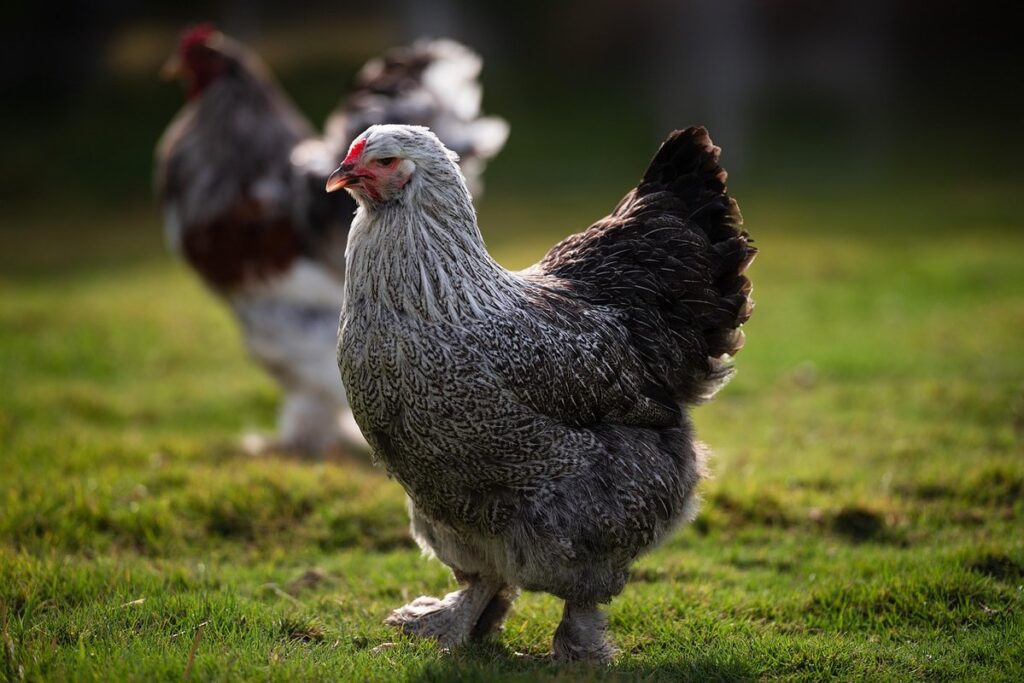
When it comes to the majestic Brahma hen, one of her most striking features is her array of stunning feather patterns and colors. You can find these magnificent birds in a variety of hues, from classic white to gorgeous golden laced and silver laced varieties.
One of the most recognizable patterns is the Golden Laced Brahma, which boasts beautiful gold and cream-colored feathers with darker tips. These birds are truly a sight to behold, especially when they strut around the farmyard. The Silver Laced variety, on the other hand, features stunning gray-blue feathers with silver tips, giving them an ethereal quality.
In addition to these popular patterns, you can also find White Brahma hens, which have crisp white plumage and a subtle sheen. These birds are often prized for their elegant appearance and gentle nature. No matter which pattern or color you choose, Brahma hens are sure to bring a touch of sophistication and charm to your backyard flock.
Whether you’re a seasoned poultry breeder or just starting out, understanding the different feather patterns and colors can help you make informed decisions when selecting the perfect birds for your farm or homestead.
Temperament and Personality
When it comes to Brahma hens, understanding their temperament and personality is key to building a harmonious relationship. Let’s take a closer look at what makes these gentle giants tick!
Known for Their Friendliness
When it comes to their temperament and personality, Brahma hens are truly one-of-a-kind. These gentle giants have a reputation for being incredibly friendly and social birds that thrive in backyard settings with minimal supervision. In fact, many owners rave about how easily their Brahma hens adapt to new surroundings and quickly become affectionate companions.
If you’re considering bringing a Brahma hen into your flock, be prepared for endless entertainment as they strut around the yard, pecking at bugs and chasing after leaves. Their friendly nature makes them an excellent choice for families with children or for those who want a low-maintenance yet engaging backyard pet.
One of the key advantages of owning a Brahma hen is their ability to tolerate human interaction without becoming aggressive or stressed. With proper introduction and handling, they’ll happily follow you around the yard, eager for treats and attention. Simply provide them with a safe and comfortable living space, plenty of food and water, and they’ll reward you with years of loyal companionship.
If you’re new to backyard chicken keeping, don’t worry – Brahma hens are relatively easy-going and can handle themselves in most situations. They’re an excellent choice for beginners, as they’re more concerned with finding food and enjoying the sunshine than causing trouble or stress.
Feeding and Care Requirements
When it comes to caring for a Brahma hen, you’ll want to make sure she’s getting the right nutrients and living conditions to thrive. These gentle giants require a balanced diet that includes high-quality commercial layer feed, supplemented with fresh fruits and vegetables. It’s essential to provide a calcium-rich diet to support strong bone growth and prevent conditions like leg weakness.
In terms of health checks, Brahma hens are generally robust birds but can be prone to respiratory issues due to their large size. Regularly check for signs of illness such as labored breathing, coughing, or sneezing, and seek veterinary advice if you notice any unusual symptoms. Also, inspect your hen’s living quarters daily to ensure they’re clean and free from drafts.
When it comes to coop requirements, Brahma hens need plenty of space to move around comfortably. Aim for at least 2-3 square feet per bird inside the coop, with a minimum floor size of 4×4 feet. Also, provide ample ventilation and consider installing roosts or perches to give your hen a comfortable spot to roost at night.
Breeding and Raising Brahma Hens
If you’re interested in raising brahmas, learning how to breed them successfully is crucial for maintaining their unique characteristics. This section will guide you through the breeding process step by step.
Selecting Breeder Stock
When it comes to selecting breeder stock for your Brahma hen flock, there are several factors to consider. One of the most crucial aspects is genetic diversity. You want to choose birds that have a diverse range of genetics to ensure the health and well-being of your flock. A good starting point is to select birds from reputable breeders who prioritize genetic diversity.
Another essential consideration is temperament. Brahma hens are known for their gentle nature, but it’s not uncommon for some individuals to be more aggressive than others. When selecting breeder stock, look for birds that are friendly and docile. Observe their behavior around other birds and humans to get a sense of their temperament.
To further enhance genetic diversity, consider importing birds from other countries or regions where the breed has been developed independently. This can help introduce new traits and characteristics into your flock. However, be sure to research any necessary import regulations and ensure that the birds are healthy and free of diseases.
When selecting breeder stock, it’s also essential to consider their conformation and overall health. Look for birds with sturdy legs, strong wings, and a well-feathered body. Avoid birds with visible signs of disease or injury. By choosing high-quality breeder stock, you’ll be setting the foundation for a healthy and thriving flock.
Brooding and Chick Development
When it comes to raising Brahma chicks from hatch to maturity, proper brooding and chick development are crucial. To get started, make sure you have a safe and warm place for the chicks to grow. A brooder is an ideal enclosure, but if you don’t have one, a large cardboard box with air vents will do.
Maintain a consistent temperature of around 90-95°F (32-35°C) during the first week, gradually decreasing it by 5-10°F every few days until you reach around 70°F (21°C). Provide a heat source such as a heat lamp or ceramic heat emitter to maintain this temperature. Ensure adequate ventilation to prevent overheating and maintain fresh air.
Feed your chicks a high-quality starter feed with around 20% protein content. Divide their daily ration into small meals to prevent overeating, which can lead to digestive issues. Provide water in a shallow dish at all times. As the chicks grow, you’ll need to transition them to a layer feed with lower protein content and provide more space for exercise.
Health Considerations for the Brahma Hen
When it comes to caring for your Brahma hen, health considerations are a top priority. Let’s explore some key factors to keep in mind for optimal flock well-being.
Common Health Issues
Brahma hens are generally a hardy and robust breed, but like all chickens, they can be prone to certain health issues. One of the most common problems affecting Brahma hens is egg binding, which occurs when an egg becomes lodged in the hen’s oviduct or vent. This can be caused by a variety of factors, including dehydration, stress, or a diet that lacks essential nutrients.
If you suspect your Brahma hen is experiencing egg binding, it’s essential to act quickly and humanely. Monitor her closely for signs such as straining, restlessness, or lethargy, and seek veterinary advice if the problem persists. To prevent egg binding, ensure your hens have access to fresh water at all times, provide a balanced diet that includes calcium supplements, and create a stress-free environment by providing enough space and enrichment activities.
Respiratory problems can also affect Brahma hens, particularly in hot or humid weather conditions. Keep an eye out for signs such as labored breathing, coughing, or wheezing, and take steps to reduce heat stress by providing shade, ventilation, and plenty of fresh water.
Preventative Measures
To maintain the good health of your Brahma hens, it’s essential to focus on preventative measures. A well-balanced diet is crucial, and this breed requires a lot of nutrients to keep their large size and energy levels up. Ensure you provide them with high-quality commercial feed that contains essential vitamins and minerals, supplemented with fresh fruits and vegetables as treats.
Regular health checks are also vital for identifying potential issues early on. Set aside time each week to inspect your hens’ droppings, looking out for changes in color or consistency, which can be indicative of parasites or other internal problems. Monitor their behavior too – if you notice any signs of stress, lethargy, or unusual activity, take note and consult with a veterinarian.
Parasite control is also crucial to prevent the spread of diseases among your flock. Use methods like dust baths or preventative medication to minimize the risk of mites, lice, and other unwanted critters. By following these simple steps, you can significantly reduce the likelihood of health issues arising in your Brahma hens.
Uses and Benefits of Keeping a Brahma Hen
Brahma hens offer numerous benefits for backyard farmers, from egg production to companionship. In this section, we’ll explore their uses and how they can enrich your homestead experience.
Egg Production
One of the most exciting benefits of keeping a Brahma hen is her exceptional egg-laying abilities. These gentle giants are capable of producing around 200 large brown eggs per year, making them an excellent choice for backyard chicken keepers and small-scale farmers alike. Whether you’re looking to supplement your family’s egg needs or start a small business selling fresh produce, a Brahma hen is an ideal investment.
To put this impressive number into perspective, consider that the average laying hen produces around 280 eggs per year, but with less size and quality. Brahma hens, on the other hand, lay some of the largest and most delicious brown eggs you’ll ever taste. Not only are their eggs a pleasure to eat, but they’re also rich in nutrients and make for a fantastic addition to any recipe.
If you’re new to keeping chickens, don’t worry – Brahma hens are relatively easy to care for and require minimal maintenance. With proper nutrition and regular health checks, your Brahma hen will reward you with an abundance of fresh eggs all year round.
For Meat or Pet
If you’re considering raising Brahma hens, one of the key decisions you’ll need to make is whether to raise them for meat or keep them as pets. While they may be primarily valued for their egg-laying abilities, Brahmas are also a popular choice among backyard chicken enthusiasts due to their gentle nature and docile temperament.
Raising Brahmas for meat can be a cost-effective option, as they mature relatively quickly – typically within 24-30 weeks. In terms of size, Brahmas can grow up to 2 pounds or more per week during this period. However, if you’re looking to raise them for meat, it’s essential to ensure that your birds are fed a high-quality diet and provided with adequate space and living conditions.
On the other hand, Brahmas make wonderful pets due to their calm demeanor and friendly nature. They are relatively low-maintenance compared to some other breeds and can thrive in small backyards or even apartments with proper care. If you do decide to keep your Brahma as a pet, be sure to provide regular social interaction and enrichment activities to ensure they remain happy and healthy.
In terms of egg production, Brahmas can produce an average of 150-200 eggs per year – a significant number considering their relatively calm nature makes them a joy to care for.
Frequently Asked Questions
What is the ideal living space for a Brahma hen, considering their large size?
Brahma hens require ample space to move around comfortably due to their large size. A minimum of 2-4 square feet per bird inside the coop and at least 8-10 square feet of outdoor run space are recommended to ensure they have enough room to exercise.
How do I prevent common health issues in Brahma hens, such as respiratory problems?
To prevent respiratory issues, provide good ventilation within the coop, keep it clean and well-maintained, and maintain a balanced diet. Regular vaccination programs can also help protect against diseases. Consult with a veterinarian for specific advice tailored to your flock’s needs.
Can I raise Brahma hens in colder climates, or do they require warmer temperatures?
Brahma hens are hardy birds that can adapt to various climates. They prefer temperate weather but can tolerate cold temperatures down to 0°F (-18°C). However, they may need additional shelter and heat sources during extreme cold snaps.
How long does it take for a Brahma hen to reach its full egg-laying potential?
Brahma hens typically begin laying eggs at around 24-26 weeks of age. They will reach their peak egg production between 40-50 weeks, producing an average of 200-220 large brown eggs per year.
Can I raise Brahma hens alongside other breeds in a mixed flock, or do they prefer to be alone?
Brahma hens are generally docile and can get along well with other calm and friendly breeds. However, introducing them to a mixed flock requires careful planning and monitoring to ensure a harmonious environment for all birds.