
As a backyard chicken owner, you’re likely familiar with the joys and challenges of raising poultry. But have you ever wondered how to protect your flock from those pesky skunks? These masked bandits may look cute, but they can be devastating to chickens, causing stress, injury, and even death. If you’ve had encounters with skunks on your property or are concerned about the safety of your birds, this article is for you. We’ll dive into expert tips on preventing skunk-chicken encounters, identifying signs of predation, and designing skunk-proof coops and runs to safeguard your flock. You’ll also learn which breeds are most susceptible to skunk attacks and how to understand skunk behavior for early detection – giving you the confidence and know-how to keep your chickens safe and secure.
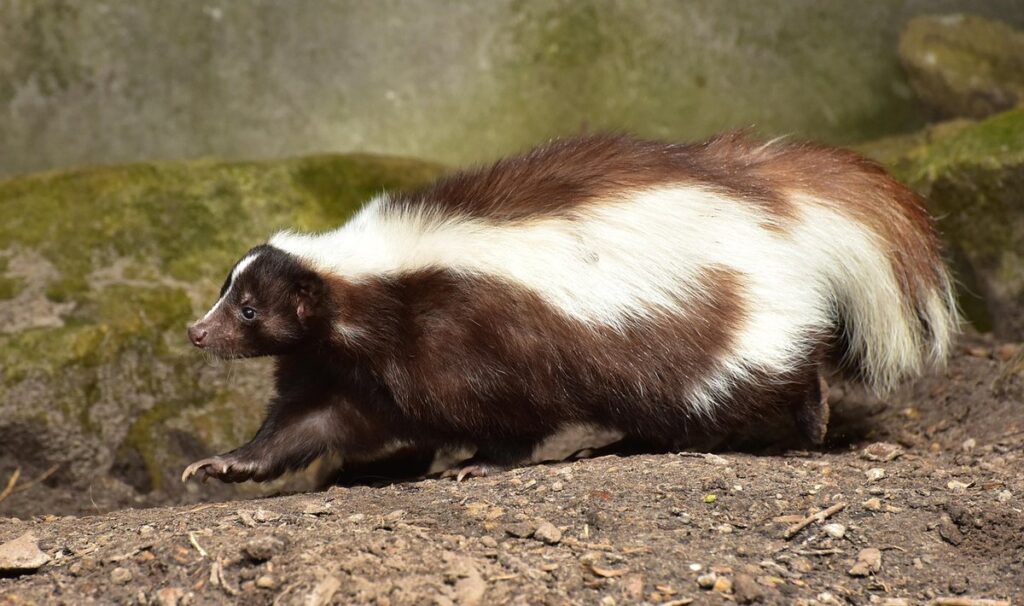
Introduction to Skunk Predation and Chicken Safety
Let’s talk turkey (or should I say, chicken?) about skunks and their pesky habit of raiding your backyard flock. In this section, we’ll cover the basics on preventing skunk predation and keeping your chickens safe from these stinky critters.
Understanding Skunks as Predators of Chickens
Skunks are nocturnal omnivores that primarily feed on small insects, grubs, and worms. However, their diet can expand to include fruits, berries, and even bird eggs and chicks if the opportunity arises. Skunks have a strong predatory instinct, particularly when it comes to vulnerable prey like chickens.
When skunks target chickens, they often go for the easiest targets: weak or injured birds, chicks, or eggs left unattended in the coop. Their keen sense of smell allows them to sniff out nesting boxes and identify potential meals. Skunks may also attack if they feel threatened or cornered by humans or other animals.
To safeguard your flock against skunk predation, make sure to:
* Secure your coop with sturdy latches and hardware cloth to prevent easy entry
* Remove attractants like food waste and debris from the surrounding area
* Install a motion-activated sprinkler system to deter nocturnal visitors
* Keep a close eye on your chickens during dusk and dawn when skunks are most active
Be aware of your surroundings and take prompt action if you notice any signs of skunk activity near your property.
Recognizing Common Signs of Skunk Attacks on Chickens
Recognizing Common Signs of Skunk Attacks on Chickens can be challenging, but there are several telltale indicators to look out for. First and foremost, keep an eye out for physical evidence such as torn feathers, broken eggs, or dead birds near the coop or run. These signs often indicate a skunk attack.
However, it’s essential to note that skunks tend to target vulnerable birds, so inspect your flock carefully for any missing or injured chickens. If you notice a sudden drop in egg production or an increase in pecking order disputes among the hens, these could be indicative of stress caused by a skunk presence.
Dead birds often have distinctive bite marks on their necks or heads, which can be a clear indication of skunk predation. Similarly, inspect your coop and run for signs of digging or burrowing, as skunks often use their sharp claws to dig under fences in search of food. If you suspect skunk activity on your property, it’s crucial to take swift action to protect your flock.
Regularly monitoring your chickens’ behavior and watching out for these signs can help you identify potential skunk threats before they become a major issue.
Preventing Skunk Encounters with Your Flock
To prevent skunk encounters with your flock, it’s essential to implement simple yet effective measures that deter these masked critters from approaching the coop or chicken run. Start by removing attractants such as food and water sources near the enclosure. Keep a clean and tidy area around the coop, and store trash and organic waste in sealed bins.
Trim any nearby vegetation, especially tall grasses and weeds, which can provide shelter for skunks to sneak up on your flock. Install motion-sensitive outdoor lighting or place LED lights with ultraviolet (UV) LEDs, as these are unappealing to skunks. Consider using a hardware cloth or chicken wire enclosure with openings of 1 inch or smaller, making it difficult for skunks to squeeze through.
Finally, keep your coop and run free from any gaps or holes that can be exploited by skunks. Regularly inspect the area for signs of digging or burrowing, and seal any entry points you find. By following these measures, you’ll significantly reduce the likelihood of a skunk encounter with your flock.
Types of Skunks Preyed Upon by Chickens
When it comes to skunk predator chickens, understanding which types of skunks are most likely to be preyed upon is crucial for keeping your flock safe. Chickens have been known to target both striped and spotted skunks, but the striped skunk is generally more aggressive and confrontational when threatened. This can make them a more formidable foe in the eyes of a chicken. On the other hand, spotted skunks tend to be more docile and less likely to defend themselves against an attacking chicken.
As you consider how to protect your chickens from skunk predators, it’s essential to recognize that both types of skunks can be vulnerable to attack. Chickens are naturally inclined to chase after small mammals, and skunks often fit the bill. By being aware of these predator dynamics, you can take steps to prevent conflicts between your flock and local skunk populations.
Characteristics of Skunk-Prone Chicken Breeds
When it comes to chicken breeds that are prone to skunk behavior, there are several key characteristics to look out for. One notable trait is their high level of sensitivity and nervous energy – these birds can get quite anxious or startled easily. For example, Leghorns and Rhode Island Reds tend to be more reactive than other breeds, making them more likely to defend themselves against perceived threats like skunks. Additionally, some chicken breeds are naturally more curious and inquisitive, which can lead them to investigate potential threats – including skunks.
To identify if a breed is prone to skunk behavior, look for these characteristics: high energy levels, quick movements, and sensitivity to noise or vibrations. If you’re considering getting chickens that might be skunk-prone, it’s essential to provide them with plenty of space to roam and exercise, as well as enrichment activities to keep their minds engaged. This can help reduce stress and anxiety, which may contribute to skunk-like behavior.
Protecting Your Flock: Skunk-Proof Coop and Run Designs
When it comes to protecting your flock from skunks, designing a skunk-proof coop and run is crucial. Start by considering the placement of your coop. Avoid areas with high foot traffic or where wild animals frequent. Instead, choose a location that’s far away from neighboring houses and other potential attractants.
When building your coop, use sturdy materials like wood or metal to ensure it can withstand skunk attempts to get in. Cover all entry points with hardware cloth or chicken wire, making sure the mesh is no larger than 1 inch to prevent escape artists. For added security, consider installing a roof overhang to deter climbing skunks.
Consider your run’s design as well – skunks are excellent diggers, so burying hardware cloth around the perimeter will keep them out.
Preventative Measures for Skunk Predation on Chickens
To prevent skunks from preying on your chickens, start by securing your coop. Make sure it’s sturdy and well-maintained, with no gaps or holes that a curious skunk might exploit. Consider adding hardware cloth or chicken wire around the perimeter to deter climbing. It’s also essential to keep your coop clean and free of food debris, as skunks are attracted to easy meals.
In addition to securing the coop, consider taking measures to reduce attractants in the surrounding area. Keep your yard free of pet food, bird seed, and other potential sources of temptation for skunks. Remove any fruit or berry-producing plants that might draw skunks to your property. By reducing the likelihood of attracting skunks in the first place, you’ll be well on your way to protecting your flock from these pesky predators.
Understanding Skunk Behavior and Body Language for Early Detection
To successfully protect your skunk predator chickens, it’s crucial to understand skunk behavior and body language. Skunks are generally nocturnal, so they’re most active at night, but they can be spotted during the day too. Keep an eye out for unusual behavior like digging or scratching around the coop, as this could indicate a skunk has been sniffing around. Pay attention to any changes in your flock’s behavior, such as sudden alertness or loud squawking, which may signal that a skunk is nearby.
Skunks often give warning signs before attacking, so recognizing these cues can help prevent losses. For example, if you notice a skunk lingering around the coop, it may be a sign that they’ve detected food or water nearby. If you see a skunk’s distinctive black and white stripes approaching your flock, don’t panic – simply shooing them away might be enough to deter an attack. By being aware of these behaviors, you can take proactive measures to safeguard your skunks and prevent potential losses.
Additional Tips and Considerations for Keeping Skunk-Predator-Free Flocks
When it comes to keeping skunk-predator-free flocks, there are several additional tips and considerations to keep in mind. First, make sure you’re providing your chickens with adequate shelter and protection from the elements. A sturdy coop or enclosure can help prevent skunks from easily accessing your birds.
It’s also essential to remove any attractants that might draw skunks to your flock, such as food sources or potential nesting sites. Keep your yard clean and free of debris, and consider using physical barriers like fencing or mesh to protect your chickens’ living areas.
Frequently Asked Questions
What are some additional measures I can take to secure my coop and run against skunk predation?
In addition to designing a skunk-proof coop and run, consider installing hardware cloth around the perimeter of your enclosure, burying it 12-18 inches underground to prevent digging. Also, keep your coop clean and free of food debris, as this can attract skunks.
Can I use repellents or deterrents to keep skunks away from my flock?
While repellents and deterrents may provide some temporary relief, they are not a long-term solution for keeping skunks at bay. Instead, focus on creating an environment that deters skunks through good coop design, secure fencing, and eliminating attractants.
How can I identify which breeds of chickens are most susceptible to skunk attacks?
Chicken breed susceptibility to skunk predation is influenced by size, temperament, and egg-laying frequency. Small-breed chickens like Silkies or Polish may be more vulnerable due to their size and gentle nature. Consult with a breeder or veterinarian for specific advice on your flock’s needs.
What are some signs that my chickens have had a skunk encounter?
Monitor your chickens’ behavior closely after an incident, as they may exhibit unusual behaviors such as lethargy, changes in appetite, or increased stress levels. Also, inspect their feathers and beak area for potential injuries.
Can I cohabitate other pets with my flock to deter skunks, or will this create additional risks?
Co-habiting pets like dogs can potentially chase away skunks, but introducing new animals also increases the risk of disease transmission or resource competition within your flock. Assess the benefits and risks carefully before making a decision.