
Are you thinking of raising organic chickens but don’t know where to start? With the growing demand for clean food, having healthy flocks is not only beneficial for your family’s nutrition but also for the environment. Organic chicken raising is an excellent way to produce wholesome meat while promoting sustainable practices.
In this comprehensive guide, we’ll cover everything you need to know about organic chicken raising basics. We’ll delve into the benefits of organic chicken farming, explore the certification process, and discuss how to create a conducive environment that fosters healthy growth. Additionally, we’ll touch on nutrition and pest management tips to ensure your flock thrives under your care. By the end of this article, you’ll be equipped with the knowledge to raise happy and thriving chickens that provide nutritious food for your family.
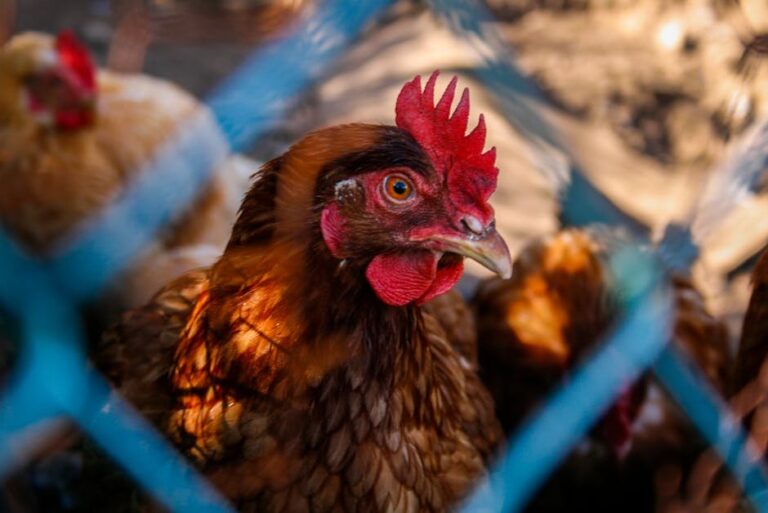
Understanding the Benefits of Organic Chicken Raising
Let’s dive into the benefits of raising organic chickens, starting with their improved nutritional value and overall healthiness for both humans and birds.
The Importance of Organic Certification
When it comes to raising organic chickens, obtaining certification is a crucial step that can make all the difference for producers. One of the main reasons why organic certification matters is because of increased consumer demand. More and more people are looking for organic products as part of their healthy lifestyle choices, and certified organic chicken producers can tap into this growing market.
In fact, studies have shown that consumers are willing to pay a premium for certified organic products, with some studies indicating that they may be willing to pay up to 10-15% more. This can significantly boost sales and revenue for producers who obtain certification. Moreover, being certified organic sets you apart from non-certified competitors, giving you a competitive edge in the market.
To get started on obtaining certification, you’ll need to meet certain standards set by organizations such as the USDA National Organic Program (NOP). This includes following strict guidelines around feed, living conditions, and health practices for your chickens. With careful planning and execution, getting certified organic can open up new opportunities for growth and profitability in your chicken-raising business.
Key Differences Between Organic and Conventional Chicken Production
When it comes to chicken production, there are significant differences between organic and conventional methods. One of the main differences lies in the diet of the chickens. Organic chicken farms provide their birds with access to the outdoors, where they can forage for insects, seeds, and other natural foods. In contrast, conventional farms often rely on commercial feed that may contain antibiotics, hormones, or pesticides.
Living conditions are another key area of distinction. Organic farms typically offer more space per bird, allowing them to engage in natural behaviors like scratching, pecking, and roosting. Conventional farms often prioritize efficiency over welfare, crowding birds into small enclosures to maximize egg production.
Processing standards also vary between organic and conventional chicken production. Organic farms are subject to stricter regulations regarding slaughter methods, with a focus on minimizing stress and discomfort for the animals. In contrast, conventional farms may use faster, more mechanized processing methods that can compromise animal welfare.
Creating a Suitable Environment for Raising Organic Chickens
When it comes to raising organic chickens, providing them with a suitable environment is crucial for their health and happiness. This section will cover the essential elements of creating a thriving ecosystem for your flock.
Providing Adequate Space and Aeration
Providing adequate space and aeration is crucial for reducing stress and promoting healthy growth among chickens. When chickens are confined to small spaces, they can become stressed and aggressive due to the lack of room to move around. This can lead to pecking order issues, feather plucking, and even egg production problems in laying hens.
In contrast, providing sufficient space allows chickens to engage in natural behaviors like foraging, scratching, and perching, which are essential for their physical and mental well-being. A general rule of thumb is to provide at least 2-4 square feet of floor space per chicken indoors, or 8-10 square feet per chicken outdoors.
Good ventilation is also vital to maintain a healthy environment. Chickens produce ammonia-rich waste, which can quickly accumulate in enclosed spaces. Regular cleaning and proper ventilation can help reduce odors and prevent respiratory issues. Consider installing windows, vents, or fans to ensure adequate airflow, especially during hot summer months when chickens are more susceptible to heat stress.
Managing Temperature and Humidity Levels
When it comes to raising organic chickens, maintaining optimal temperature and humidity levels is crucial to prevent heat stress and disease outbreaks. A well-ventilated coop with adequate shade can help reduce the risk of heat-related issues. You can achieve this by providing a minimum of 3-4 square feet of space per bird in the coop and ensuring good airflow through windows or vents.
Temperature control is also vital, especially during extreme weather conditions. Chickens are sensitive to temperatures above 80°F (27°C) and below 40°F (4°C). To regulate temperature, you can use various methods such as using a thermostat to monitor indoor temperatures, installing radiant heaters for cold climates, or providing shaded areas with misting systems for hot climates.
Humidity levels should be kept between 50-60% to prevent respiratory issues in chickens. You can achieve this by using fans, dehumidifiers, or evaporative cooling systems. Regularly checking temperature and humidity gauges will help you identify any anomalies, allowing you to take corrective action promptly. By implementing these strategies, you’ll create a comfortable environment for your flock, reducing the risk of heat stress and disease outbreaks.
Nutrition and Feed Management for Organic Chickens
When it comes to raising organic chickens, feeding them a nutritious diet is crucial for their health and well-being. In this section, we’ll explore essential tips for providing your flock with a balanced and healthy feed.
The Role of Organic Feed in Promoting Health and Welfare
When it comes to raising organic chickens, one of the most important factors is their diet. Organic feed plays a crucial role in promoting health and welfare by providing essential nutrients while minimizing harm to the environment.
Organic feed has improved digestibility compared to conventional feed, which means that the chicken’s digestive system can absorb more nutrients from the food they eat. This leads to better overall health and reduced susceptibility to diseases. As a result, you may notice fewer sick birds in your flock and less need for antibiotics, which is a significant advantage of organic chicken raising.
By choosing organic feed, you’re also reducing the risk of antibiotic resistance in bacteria. The World Health Organization (WHO) has warned that overuse of antibiotics in agriculture can contribute to this issue, making it harder to treat diseases in both humans and animals. In fact, research suggests that using antibiotics at sub-therapeutic levels in animal feed can lead to increased resistance rates by up to 50%.
Supplementing with Organic Herbs and Probiotics
When it comes to raising organic chickens, providing them with nutrient-rich feed and supplements is crucial for their overall health and well-being. One effective way to enhance nutrient absorption and gut health among your flock is by supplementing with organic herbs and probiotics.
Herbs such as peppermint, chamomile, and ginger have been shown to have a positive impact on chicken digestive health. They can help alleviate symptoms of stress, promote relaxation, and even reduce parasites in the coop. You can add dried or fresh herbs to their feed or water, but be sure to use them in moderation – too much can be overwhelming for your birds.
Probiotics are beneficial bacteria that support a healthy gut microbiome, helping chickens digest nutrients more efficiently and boosting their immune system. Look for probiotics specifically designed for poultry and follow the manufacturer’s instructions for proper dosage. You can also incorporate fermented foods like yogurt or kefir into their diet to provide additional probiotic benefits.
By incorporating organic herbs and probiotics into your flock’s nutrition plan, you’ll be giving them a leg up on staying healthy and thriving in their environment. Always remember to introduce new supplements gradually and monitor their effects on your birds’ overall health.
Integrated Pest Management (IPM) Strategies for Organic Chicken Production
When it comes to raising organic chickens, integrated pest management strategies are crucial to maintaining a healthy flock and preventing pests from becoming major problems. In this section, we’ll explore effective IPM methods for your backyard chicken coop.
Understanding the Risks and Benefits of IPM
When it comes to organic chicken production, Integrated Pest Management (IPM) is an essential strategy for reducing chemical use and minimizing pest-related losses. IPM involves a holistic approach to managing pests, taking into account the entire ecosystem of the farm. By adopting IPM practices, you can create a healthier environment for your birds while also protecting the environment.
One of the primary benefits of IPM is its ability to reduce chemical use. This not only improves air and water quality but also contributes to a safer working environment for farm workers. For example, a study by the National Organic Farming Association found that organic farms using IPM practices reduced pesticide use by up to 70%. By minimizing chemical use, you can also reduce your environmental footprint and promote biodiversity on your farm.
To implement IPM on your farm, start by monitoring pest populations regularly. This will help you identify potential issues before they become major problems. Next, assess the ecosystem of your farm and look for ways to create a more balanced environment that supports beneficial insects and animals. By doing so, you can develop an effective IPM plan that works in harmony with nature.
Effective Methods for Controlling Pests and Diseases
Monitoring and record-keeping are crucial components of effective pest control and disease management for organic chicken production. Regular monitoring involves observing chickens’ behavior, such as changes in appetite, droppings, or egg-laying patterns, which can indicate potential health issues. Keep a record of these observations to identify any trends or patterns.
Regularly inspect the coop and surrounding areas for signs of pests like mites, lice, or rodents. Use physical barriers, like hardware cloth or fine-mesh screens, to prevent rodent entry. Implement integrated pest management (IPM) strategies that use cultural, biological, and chemical controls in a harmonious balance.
Record-keeping also involves monitoring temperature, humidity, and ventilation levels within the coop. This helps maintain optimal conditions for chicken health and reduces stress. Ensure adequate air circulation, proper feed storage, and regular cleaning schedules to prevent disease outbreaks. For instance, maintaining a clean and dry environment can significantly reduce the risk of fungal diseases.
Additionally, consider implementing preventative measures like vaccination programs or providing probiotics to boost chickens’ immune systems. By combining monitoring and record-keeping with proactive management strategies, you’ll be better equipped to control pests and diseases in your organic chicken flock.
Record Keeping and Biosecurity Measures for Organic Chicken Producers
As you grow your organic chicken flock, it’s essential to implement effective record keeping and biosecurity measures to ensure the health and well-being of both your birds and customers. Proper documentation and precautions will help safeguard against disease outbreaks.
Maintaining Accurate Records of Production Processes
Maintaining accurate records is crucial for organic chicken producers to ensure compliance with regulations and facilitate continuous improvement. As you work to optimize your production processes, having a clear picture of what’s working and what areas need attention is essential.
To start, begin tracking key metrics such as feed conversion ratios, weight gain, and mortality rates. This information will not only help you identify potential issues but also enable you to make data-driven decisions about improving your flock’s health and welfare. Regularly review your records to monitor trends and spot early warning signs of problems.
For example, if your mortality rate is higher than usual, reviewing your vaccination schedule, water quality, or parasite control measures can help you pinpoint the cause and implement corrective actions. Similarly, tracking nutrient intake and adjusting feed rations accordingly can optimize growth rates and reduce waste. Make sure to keep accurate records of any changes made to your operations, including adjustments to temperature, humidity, and ventilation levels.
By maintaining a thorough and up-to-date record-keeping system, you’ll be better equipped to address regulatory requirements, identify areas for improvement, and ultimately produce high-quality organic chicken while minimizing risks to animal health.
Implementing Effective Biosecurity Protocols
As an organic chicken producer, implementing effective biosecurity protocols is crucial to maintaining the health and integrity of your flock. This starts with creating a visitor management plan, which includes restrictions on who can visit the farm, what they’re allowed to bring, and under what circumstances.
To prevent disease introduction through human contact, ensure that all visitors wash their hands thoroughly before entering the barn or coming into close proximity with the chickens. Designate specific entry points and require visitors to sign in and out, providing a record of who was on the farm during each visit.
Proper waste disposal is also essential. Ensure that manure and bedding are disposed of regularly, and consider implementing a composting program for organic matter. This not only minimizes odors but also reduces the risk of disease transmission through contaminated materials.
In addition to these measures, personal hygiene practices should be prioritized by all farm staff. This includes regular handwashing, showering before donning protective gear, and changing clothing between areas of the farm where chickens are kept.
Frequently Asked Questions
How do I know if my farm is suitable for organic chicken raising?
Conduct a thorough assessment of your land, including soil quality, water source, and neighboring farms to ensure there are no potential contamination risks. Consider factors such as access to natural light, ventilation, and space for chickens to roam freely.
Can I start with just a few chickens or do I need to raise a large flock?
You can begin with a small flock of 10-20 chickens and scale up as you gain experience and confidence in your organic chicken raising practices. This approach allows you to refine your techniques and make adjustments before expanding your operation.
How often should I inspect my flock for signs of disease or pests?
Regular inspections, at least twice a day, are crucial to detecting any potential health issues early on. Look out for changes in behavior, droppings, or visible signs of illness. Take immediate action if you notice anything unusual to prevent the spread of disease.
What is the most effective way to manage waste and manure from my organic chicken farm?
Implement a well-designed waste management system that includes composting, which helps retain nutrients in the soil while reducing environmental impact. Consider using natural deterrents or repellents to discourage pests from feeding on chicken waste.
Are there any specific regulations I need to follow when labeling my products as ‘organic’?
Familiarize yourself with local and national regulations regarding organic labeling and certification. Ensure that all your claims are substantiated by third-party audits and documentation, which will also help protect you against potential lawsuits or reputational damage.