
If you’re a proud owner of a pet Cayuga duck, you know that these charming birds bring endless joy and companionship to your life. However, caring for a Cayuga duck requires more than just providing food and water – it demands attention to their unique housing needs, a balanced diet tailored to their specific requirements, and regular health checks to ensure they stay happy and healthy.
As you’ve probably discovered, Cayugas are intelligent and social birds that thrive on interaction and training. In this article, we’ll delve into the essential aspects of caring for your pet Cayuga duck, covering housing, nutrition, health considerations, behavior training, and even breeding if you’re interested in expanding your flock. Whether you’re a seasoned poultry enthusiast or just starting out, our expert advice will help you provide the best life possible for your feathered friend.
Introduction to Cayuga Ducks
Cayuga ducks are a popular breed among waterfowl enthusiasts, known for their unique characteristics and friendly nature. In this section, we’ll delve into what makes them special.
Brief History and Origins of Cayuga Ducks
The Cayuga duck breed has its roots in the early 20th century, when they were first developed in the United States. Originally bred as a dual-purpose bird for both egg and meat production, these ducks quickly gained popularity due to their hardiness and adaptability. In fact, during World War I, the Cayugas proved themselves to be ideal farm birds, able to thrive on minimal care and feed.
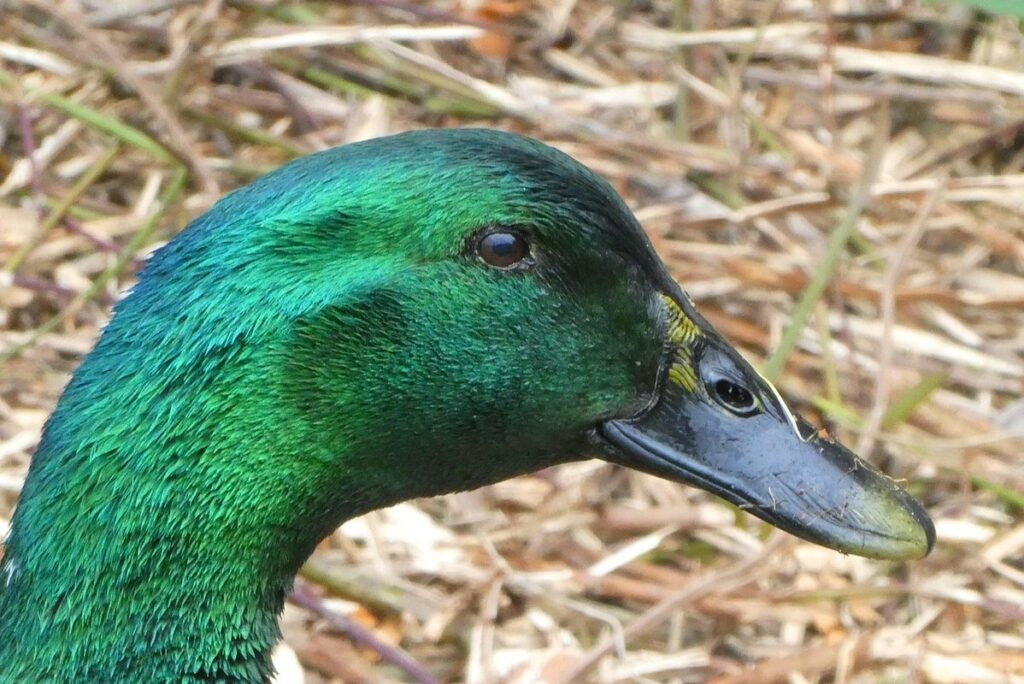
Interestingly, one of the key characteristics that set the Cayuga apart from other breeds is its unique feathering pattern – a beautiful black plumage with green sheen. This striking appearance not only adds to their charm but also helps them blend seamlessly into most environments.
Today, while their egg-laying abilities may still be utilized by some farmers and backyard keepers, many people are now drawn to the Cayugas for their endearing personalities and relatively low-maintenance care requirements. If you’re considering bringing a new feathered friend home, the Cayuga’s gentle nature, playful antics, and impressive foraging skills make them an excellent choice – especially if you have limited space or experience with duck-keeping.
Characteristics and Temperament of Cayuga Ducks
Cayuga ducks are a popular choice among duck enthusiasts due to their unique characteristics and temperament. One of the most distinctive features of Cayuga ducks is their appearance. They have a glossy green sheen on their feathers, which gives them a beautiful, iridescent look. Their bodies are compact and muscular, making them well-suited for foraging and swimming.
When it comes to behavior, Cayugas are known for being friendly and social birds. They thrive in the company of other ducks and humans alike, making them an excellent choice for families or duck keepers who want a companionable bird. In fact, with proper care and attention, Cayugas can become quite tame and even enjoy human interaction.
Some notable traits that make Cayuga ducks stand out include their intelligence and adaptability. They are relatively easy to train and can be taught to do tricks or follow commands. Additionally, they are hardy birds that can tolerate a range of climates and living conditions, making them an excellent choice for duck keepers with varying environments.
In terms of temperament, Cayugas are generally known as calm and gentle ducks. They are not prone to aggression or noise, making them an ideal choice for families or those who live in close proximity to neighbors.
Housing and Enclosures for Cayugas
When it comes to keeping your Cayuga duck happy and healthy, providing a safe and suitable enclosure is crucial. This section covers essential tips on housing and enclosures for your feathered friends.
Essential Features of a Cayuga Duck Coop
When building or choosing a coop for your Cayuga ducks, there are several essential features to consider. First and foremost, adequate ventilation is crucial to prevent ammonia buildup from their droppings, which can be toxic to both the birds and you. Ensure that your coop has windows and vents that allow for good airflow, especially in warm weather.
Protection from predators is also vital, as Cayugas are a favorite snack for many critters. Consider adding hardware cloth or chicken wire around the coop’s perimeter, extending at least 12 inches below ground level to prevent burrowing animals from getting under the coop. Sufficient space for exercise and movement is also crucial; a minimum of 2-3 square feet per bird inside the coop is recommended.
You should also consider the size and layout of your coop. Aim for a rectangular shape with an open nesting box at one end, where you can easily collect eggs without disturbing the birds. A clean, dry area for food and water is essential, and don’t forget to include some shelves or perches for the ducks to roost on comfortably.
Cage and Pen Requirements
When creating an enclosure for your Cayuga ducks, it’s essential to provide them with adequate space and proper facilities. The fencing around their pen should be sturdy enough to prevent escape attempts and protect them from predators. A good rule of thumb is to provide at least 2-3 square feet of floor space per duck inside the coop, and 10-15 square feet in the enclosed run.
In terms of shelter, a predator-proof coop with adequate ventilation is crucial. The coop should be well-insulated to protect against extreme temperatures and have enough space for your ducks to move around comfortably. Consider adding windows or vents to provide natural light and airflow.
For water sources, you’ll need to install a reliable watering system that’s protected from the elements. A self-filling birdbath or a pond with a solar-powered pump can be an excellent option. Make sure the water is clean and fresh at all times by changing it regularly and providing a shallow area for your ducks to splash around in during hot weather.
In addition, consider adding some enrichment features like perches, nesting boxes, and scratching posts to keep your Cayuga ducks engaged and entertained.
Diet and Nutrition for Cayuga Ducks
When it comes to keeping your Cayugas happy and healthy, their diet is crucial. In this section, we’ll discuss the best foods to feed them and some nutritional tips.
Balanced Diet Requirements for Healthy Cayugas
To ensure your Cayuga ducks thrive and maintain their distinctive blue coloration, it’s crucial to provide them with a balanced diet. Commercial duck feed should make up the bulk of their nutrition, but supplementing with vegetables and fruits will keep them healthy and happy.
Aim for a ratio of 70% commercial duck feed, 20% grains (such as oats or barley), and 10% vegetables in your Cayuga’s daily intake. Leafy greens like kale, spinach, and collard greens are rich in iron, calcium, and vitamins A and K, making them an excellent addition to their diet.
Fresh fruits like apples, berries, and melons can provide essential fiber and minerals. Avoid feeding too many high-protein foods, as this can lead to kidney problems down the line. Also, be mindful of what you offer from your garden or yard – avoid plants with toxic properties like rhododendron and azalea.
When introducing new foods, do so gradually to prevent digestive upset. A healthy Cayuga duck’s diet should also include calcium supplements during breeding season, as they require a lot more calcium for eggshell production. Consult with a veterinarian or experienced breeder for personalized advice on feeding your flock.
Tips on Feeding Your Cayuga Duck
When it comes to feeding your Cayuga duck, you’ll want to provide a balanced and nutritious diet that meets their unique needs. One of the best ways to do this is by preparing homemade meals and treats for your pet.
Start by incorporating vegetables like leafy greens (such as kale or spinach), carrots, and sweet potatoes into their diet. These will provide essential vitamins, minerals, and fiber. You can also add fruits like berries, apples, and bananas in moderation. For protein sources, consider adding cooked chicken, fish, or beans to their meals.
To make mealtime more engaging, try creating a variety of homemade treats using ingredients like oats, sunflower seeds, and peanut butter. These can be shaped into fun shapes or forms to keep your duck entertained. Just be sure to introduce new foods gradually to prevent digestive upset. Consider the age and health of your Cayuga when planning their meals, as young birds may require more frequent feeding and older ducks may need softer, easier-to-digest food.
Health Considerations and Common Issues
When caring for your Cayuga ducks, it’s essential to be aware of potential health issues that may arise, such as respiratory problems and feather pecking. We’ll cover these common concerns in more detail below.
Preventative Care and Regular Checks
Regular health checks are essential for maintaining the well-being of your Cayuga ducks. Schedule annual check-ups with a veterinarian experienced in caring for waterfowl to monitor their overall health and detect potential issues early on. Vaccinations are also crucial, particularly against diseases like duck plague and Newcastle disease.
Parasite control measures should be implemented year-round to prevent infestations. Regularly inspect your ducks’ droppings for signs of worms or other parasites, and use deworming medication as necessary. Keep their living area clean and free from debris, which can harbor unwanted pests.
A simple yet effective way to monitor your Cayugas’ health is through regular visual checks. Inspect their eyes, ears, beaks, and feet daily for any signs of irritation or injury. Monitor their appetite, stool quality, and overall energy levels as well. By staying on top of these preventative measures, you can help prevent a range of common issues that may affect your ducks’ health.
Additionally, keep an eye out for signs of respiratory problems, such as labored breathing or coughing, and address them promptly. Consult with a veterinarian if you have any concerns about your Cayugas’ health.
Symptoms and Treatment of Common Ailments in Cayugas
As a Cayuga duck owner, it’s essential to be aware of common health issues that can affect your feathered friends. One of the most prevalent problems is mites infestation. These tiny parasites can cause intense itching, leading to excessive preening and feather damage. Check for small, moving dots on the skin or around the eyes, nose, and beak, which are indicative of a mite infestation.
Respiratory problems, such as sinusitis and tracheal obstruction, can also occur due to factors like poor ventilation, high humidity, or underlying health conditions. Be cautious of signs like wheezing, labored breathing, or coughing, especially during cold weather or changes in environment.
Prevention is key: maintain a clean living space, ensure adequate ventilation, and provide regular dust baths to reduce mite populations. Regular check-ups with a veterinarian experienced in waterfowl care can also help identify potential issues early on.
Behavior and Training
When it comes to caring for a Cayuga duck, establishing good behavior and training habits is crucial for both you and your feathered friend. This is where consistency and patience come into play.
Understanding Cayuga Duck Communication
Cayuga ducks are known for their distinctive vocalizations and expressive body language. To effectively communicate with and care for your Cayuga duck, it’s essential to understand its unique communication patterns.
Recognizing vocalizations is a crucial aspect of Cayuga duck communication. These ducks emit a range of sounds, from soft quacks to loud hisses and squawks. The frequency and tone of these sounds can indicate the duck’s mood or needs. For instance, a series of high-pitched quacks may signal excitement or a request for attention, while a low, rumbling hiss could indicate fear or aggression.
Pay close attention to your Cayuga duck’s body language as well. A raised crest on its head, puffed-out feathers, or strutting posture can indicate dominance or courtship behavior. Conversely, a lowered crest, tucked-in feathers, or avoiding eye contact may signify submission or stress. By observing these cues and responding accordingly, you can build trust with your Cayuga duck and foster a stronger bond.
To enhance communication, establish a daily routine that includes regular interaction, such as feeding, grooming, or playtime. This will help your Cayuga duck become accustomed to your presence and more receptive to your attempts at communication.
Training Your Cayuga: Basic Commands and Handling
Teaching basic commands to your Cayuga duck is crucial for establishing trust and ensuring its safety. Start by choosing a quiet area with minimal distractions where you can work on training. Begin with the “come when called” command, which is essential for preventing escape attempts and facilitating interactions.
To train this command, hold a treat in front of your Cayuga’s beak while saying “come here.” As it follows the treat, reward it with praise and another treat upon arrival. Repeat this process several times until your duck learns to associate the command with the desired action.
Next, focus on gentle handling techniques to ensure your Cayuga feels comfortable being picked up or restrained if necessary. Start by gently stroking its feathers while offering treats, then progress to lifting its wings or holding it securely but carefully.
Practice these steps regularly, rewarding good behavior and remaining patient with any setbacks. Remember, consistency is key in training a duck, so stick to your routine and be prepared for varying levels of success.
Breeding and Hatching
Breeding cayuga ducks requires careful consideration of genetics, nutrition, and environment, while hatching their eggs demands attention to temperature, humidity, and incubation time. Get expert tips on these critical aspects in this section.
Preparing Your Cayuga for Breeding
Before introducing breeding into your Cayuga duck’s life, it’s crucial to prioritize their health and well-being. This involves conducting thorough health checks on both the male and female ducks to ensure they are free from genetic disorders and diseases that can be passed on to their offspring.
Start by having a veterinarian inspect your Cayugas for any signs of illness or injury. You should also perform DNA testing to identify potential genetic defects, such as hypopituitarism. This will help you make informed decisions about breeding and prevent the continuation of unhealthy traits in future generations.
When selecting a breeding partner, look for ducks that are of high quality, healthy, and have excellent characteristics. Consider factors like temperament, egg-laying capacity, and feather quality. It’s also essential to consider the genetic diversity of your flock to avoid inbreeding, which can lead to health problems and reduced fertility.
To ensure a successful breeding program, it’s vital to choose a partner that complements your Cayugas’ strengths and weaknesses. This might involve selecting ducks from different bloodlines or regions to introduce new genetics into your flock.
Raising Cayuga Ducklings: Tips for Success
When it comes to raising Cayuga ducklings, their early life is crucial for developing healthy habits and a strong immune system. Newborn ducklings rely on you to provide the right environment for growth, which includes a warm brooder with adequate ventilation.
To start, ensure that the temperature in the brooder is around 90-95°F (32-35°C) for the first week. You can use heat lamps or heating mats to maintain this temperature. Monitor the ducklings closely and adjust the temperature as needed. A good rule of thumb is to reduce the temperature by 5°F (3°C) every few days until you reach a comfortable range of around 60-70°F (16-21°C).
For feeding, provide a starter feed that’s high in protein for the first week or two. After that, switch to a more balanced diet with a lower protein content. Make sure to also provide fresh water and grit daily. Socialization is key during this critical period – introduce the ducklings to their adult parents, other birds, and even some pets like cats or dogs under close supervision.
Also, ensure that your brooder has adequate space for movement – about 2-3 square feet (0.5-1 square meter) per duckling. This will help prevent overcrowding and stress on the young birds. By following these tips, you can set up a thriving environment for your Cayuga ducklings to grow and develop into healthy, robust ducks.
Conclusion
In conclusion, taking care of your Cayuga duck requires attention to its unique needs and personality traits. By following the guidelines outlined in this post, you’ll be well on your way to creating a happy and healthy environment for your feathered friend. Remember to prioritize their diet with a balanced mix of grains and vegetables, and make sure they have access to fresh water at all times.
It’s also essential to provide regular exercise and mental stimulation through activities like foraging and social interaction. With patience and understanding, you can build a strong bond with your Cayuga duck and enjoy the rewards that come with sharing your life with these beautiful birds.
Frequently Asked Questions
Can I mix Cayuga ducklings with other breeds?
Yes, mixing Cayuga ducklings with other breeds can be a great way to create a diverse flock. However, make sure to research compatibility and ensure the breeds you’re introducing have similar temperaments and housing requirements.
How often should I clean my Cayuga duck’s coop and run?
Regular cleaning is essential for maintaining your Cayuga duck’s health and preventing disease. Aim to clean their coop and run at least once a week, removing soiled bedding and replacing it with fresh material. Don’t forget to disinfect all surfaces and remove any debris.
What are some common health issues in Cayugas, and how can I prevent them?
Some common health issues in Cayugas include respiratory problems and feather pecking. To prevent these issues, ensure your duck has a balanced diet, plenty of fresh water, and regular exercise. Regular check-ups with a poultry-savvy veterinarian will also help detect potential problems early on.
Can I train my Cayuga duck to do tricks and interact with people?
Cayugas are highly intelligent birds that thrive on interaction and training. With patience and positive reinforcement, you can teach your Cayuga duck a variety of tricks and behaviors. Start with basic commands like “come” and “stay,” then gradually move on to more complex tasks.
How long does it take for a Cayuga duckling to mature?
Cayuga ducklings typically take around 12-16 weeks to mature, but their growth rate can be influenced by factors such as diet, exercise, and genetics. Make sure to provide your ducklings with a balanced diet and plenty of space to grow, and you’ll be rewarded with happy and healthy adult ducks.