
Are you fascinated by the unique characteristics of Ancona duck eggs? You’re not alone! These beautiful birds are prized for their exceptional egg-laying abilities, but have you ever stopped to wonder about the incredible colors and patterns that appear on their shells? The color palette of Ancona duck eggs is truly one-of-a-kind, making each egg a work of art in its own right. But it’s not just about aesthetics – understanding the internal qualities and characteristics of these eggs can help you optimize production and raise healthy, happy ducks. In this article, we’ll delve into the world of Ancona duck eggs, exploring their color variations, shell thickness, and more. Whether you’re a seasoned farmer or a backyard enthusiast, keep reading to discover how to unlock the full potential of your Ancona flock!
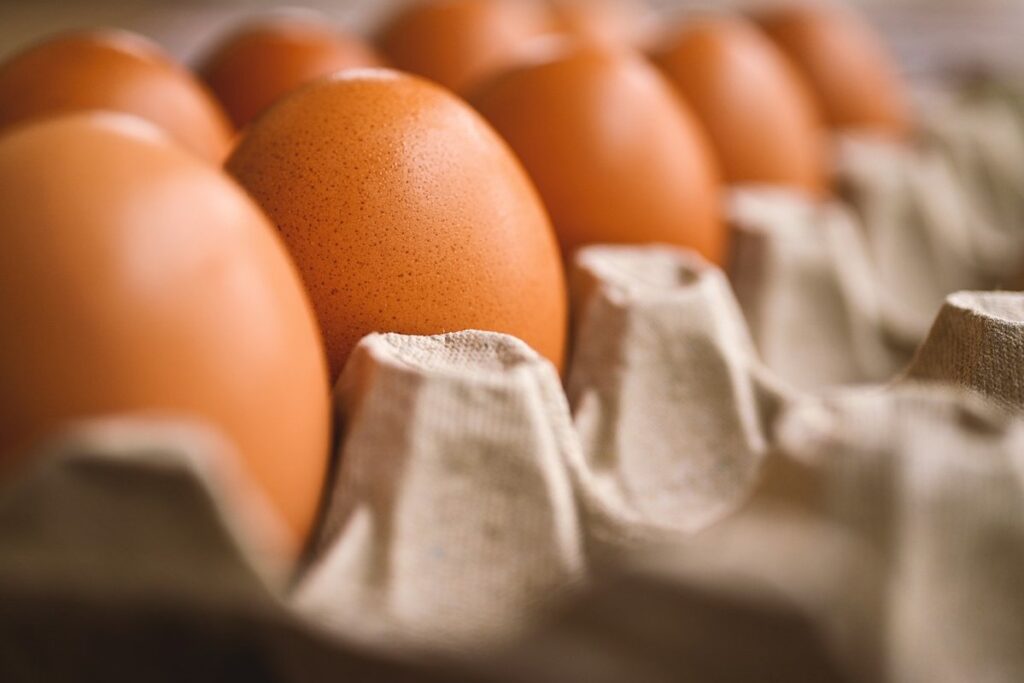
Introduction to Ancona Ducks
If you’re new to Ancona ducks, let’s start at the beginning and cover the basics of these wonderful birds that are known for their unique characteristics. We’ll explore what makes them special.
Origin and History of the Breed
The Ancona duck breed has its roots in Italy, specifically in the regions of Marche and Abruzzo. Its history dates back to the 19th century when it was bred for its exceptional egg-laying abilities. The name “Ancona” is derived from the Italian city of Ancona, which was a major center for trade and commerce during that time.
The breed gained popularity in the early 20th century due to its high egg production. Ancona ducks are known to lay an average of 200-250 brown eggs per year, making them a popular choice among backyard farmers and small-scale poultry enthusiasts. In fact, the Ancona duck was one of the first breeds introduced to the United States for its exceptional egg-laying abilities.
Today, the Ancona duck remains a sought-after breed due to its hardiness, friendly temperament, and impressive egg production. If you’re considering raising Ancona ducks for their eggs, be prepared for their high energy levels and require plenty of space to roam. With proper care and attention, an Ancona flock can provide a steady supply of fresh eggs right in your own backyard.
Importance of Understanding Egg Coloration
Understanding the coloration of Ancona duck eggs is crucial for several reasons. For breeders, knowing the eggshell color can be an indicator of genetic traits that might be desirable or undesirable in future breeding stock. For instance, if you’re aiming to develop a strain with darker eggshells, understanding how different genetic combinations influence this trait will help you make informed decisions.
Farmers who rely on selling eggs will also benefit from knowing the typical coloration associated with their flock. This allows them to better market and differentiate their product in the marketplace. Some consumers, especially those looking for specialty or organic options, place a high value on eggshell color as an indicator of quality and origin.
For both breeders and farmers, understanding egg coloration can also help identify potential health issues within the flock. Certain colors may be linked to malnutrition or diseases, while others might indicate exposure to environmental stressors.
Egg Coloration Basics: Genetics and Biology
Let’s dive into the fascinating world of genetics, where we’ll explore how Ancona duck eggs get their unique colors and patterns. You’ll learn what determines these beautiful hues.
The Role of Genetics in Egg Color
When it comes to eggshell color, genetics play a significant role in determining the hue. Dominant and recessive genes work together to produce the final color of an egg. For example, the Ancona duck breed is known for its blue or green eggs, which are due to a dominant gene that codes for the production of biliverdin, a pigment responsible for these colors.
The genetics behind eggshell color can be complex, but it’s essential to understand that each breed has its unique set of genes that influence the final color. In the case of Ancona ducks, they have a combination of dominant and recessive genes that contribute to their distinctive blue or green eggs. For instance, the gene that codes for brown pigment is recessive in Ancona ducks, meaning it won’t be expressed unless the duck has two copies of the gene (one from each parent).
To produce eggs with a specific color, breeders can select for desirable traits by choosing parents with the right combination of genes. However, it’s worth noting that eggshell color is just one aspect of a duck’s genetic makeup, and there are many other factors to consider when breeding.
Understanding the Biology Behind Eggshell Formation
When it comes to understanding the biology behind eggshell formation, particularly for Ancona duck eggs, we need to dive into the fascinating world of melanin production and deposition. At its core, eggshell coloration is determined by the presence or absence of pigments, with melanin being the primary pigment responsible for brown and black colors.
Here’s how it works: as the eggshell forms in the hen’s oviduct, tiny particles called melanosomes containing melanin are produced in the cells. These melanosomes are then deposited onto the shell membrane, where they become embedded in a matrix of proteins and other compounds. The resulting pattern of melanosome deposition determines the final coloration of the eggshell.
Interestingly, research has shown that Ancona ducks have a relatively high concentration of eumelanin, which is responsible for brown and black pigmentation, giving their eggs a distinctive appearance. To understand how to influence this process in our own flocks, we need to consider factors like nutrition, genetics, and environmental conditions. By optimizing these factors, we can potentially enhance or modify the eggshell coloration of our Ancona ducks.
Unique Characteristics of Ancona Duck Eggs
One of the most interesting aspects of Ancona duck eggs is their unique and varied color palette, which we’re excited to explore in more detail. From light cream to deep terracotta, these eggs are truly one-of-a-kind.
Shell Thickness and Strength
When it comes to Ancona duck eggs, one of their unique characteristics is the thickness and strength of their shells. This trait is a result of several factors, including genetics and nutrition. The Ancona breed is known for its robust build and hardiness, which translates to the strength of their eggshells.
The average shell thickness of an Ancona duck egg is around 2.5-3.0 mm, which is slightly thicker than that of other breeds. This increased thickness provides better protection against breakage during handling and storage. However, it’s worth noting that even with a stronger shell, the eggs may still be prone to cracking if dropped or subjected to excessive pressure.
To maximize the strength of Ancona duck eggshells, it’s essential to provide your ducks with a balanced diet rich in calcium and other essential nutrients. This will help promote strong bone growth, which in turn contributes to thicker, more resilient shells. Additionally, ensuring good living conditions, such as adequate space and proper ventilation, can also help maintain the overall health of your flock, including their egg-laying abilities.
Internal Qualities: Yolk Size and White Quality
When it comes to Ancona duck eggs, their internal qualities are just as remarkable as their exterior color palette. One of the most notable aspects of these eggs is the size and quality of their yolks. Due to the high level of omega-3 fatty acids in Ancona duck feed, their yolks tend to be larger and darker yellow than those of other breeds. This means that Ancona duck eggs have a more robust flavor profile and a higher nutritional value.
The white quality is also a notable feature of Ancona duck eggs. The protein structure within the egg whites is tighter and more compact compared to other breeds, resulting in a cleaner and clearer appearance. This unique trait makes their egg whites perfect for delicate recipes where presentation is key.
When it comes to overall nutritional value, Ancona duck eggs are an excellent choice for health-conscious consumers. Rich in vitamins A and E, iron, and unsaturated fatty acids, these eggs provide a wealth of essential nutrients that can be beneficial for heart health and even help lower cholesterol levels.
Color Variations in Ancona Duck Eggs
Ancona duck eggs come in a stunning array of colors, including blue, green, gray, and more. Let’s take a closer look at these beautiful color variations.
Overview of Common Colors
Ancona duck eggs are renowned for their incredible color diversity, which can make them a true delight for egg enthusiasts. When it comes to the various colors found in Ancona duck eggs, you’ll encounter a spectrum of hues that range from classic whites and browns to more exotic blues and greens.
You might be surprised to know that some Ancona duck breeds can lay eggs with an array of subtle shadings, such as rose or lavender undertones. These unique color variations are often influenced by the bird’s genetics, nutrition, and even environmental factors like sunlight exposure.
Common colors found in Ancona duck eggs include:
• White: A crisp, clean white that’s perfect for decorating.
• Brown: From light tan to rich chocolate, brown eggs are a staple of many backyard flocks.
• Blue: This stunning shade is often accompanied by green or gray undertones, creating an eye-catching effect.
• Green: Yes, you read that right – some Ancona duck breeds can lay genuine green eggs!
• Pink and Red: Certain breeds may produce eggs with a rosy or reddish tint.
Keep in mind that individual birds can exhibit different egg color patterns, making each batch of eggs unique. If you’re interested in raising your own Ancona ducks for their colorful eggs, be prepared to experience the thrill of discovering new shades and hues on a regular basis.
Rare and Unusual Colors
While most Ancona duck eggs fall into the standard brown and green range, some individuals may lay rare and unusual colors that can add an extra layer of interest to your egg collection. These unique hues are often caused by genetic variations that affect the pigmentation of the shell. For instance, some Anconas might produce blue or olive-green eggs due to a dominant genetic trait.
Another possibility is the production of pink or reddish-brown eggs, which can result from a combination of genetic and environmental factors. In rare cases, you may even encounter Ancona duck eggs with white or yellow markings on a brown background.
It’s worth noting that these unusual colors are not necessarily indicative of any health issues in the laying duck. Instead, they often serve as a fascinating reminder of the incredible diversity present within the Ancona breed. If you’re lucky enough to collect eggs from an Ancona duck with rare coloring, consider documenting their appearance and sharing photos online – you might just start a conversation about the genetics behind these unique hues!
Comparison with Other Duck Breeds
Let’s take a closer look at how Ancona duck eggs compare to those of other popular breeds, such as Khaki Campbell and Muscovy ducks. Their unique characteristics become even more interesting when stacked up against others in the same category.
Egg Coloration Differences Across Breeds
When it comes to egg coloration, Ancona duck eggs are often characterized by their creamy white or light brown hue. But how do these eggs compare to those of other popular duck breeds? Let’s take a closer look at the Khaki Campbell and Magpie breeds.
The Khaki Campbell breed is known for producing large quantities of light-brown or tan-colored eggs, often with a slightly pink undertone. These eggs are highly prized by chefs and home cooks alike due to their rich color and flavor profile. In contrast, the Ancona duck’s egg coloration tends to be more muted, with a creamier white tone that still offers a beautiful presentation on any table.
The Magpie breed, on the other hand, is renowned for its blue-green eggshell color, which gives way to a pale blue or greenish tint inside. While this unique coloring may not appeal to everyone, it does add an extra layer of visual interest to the eggs themselves. Ultimately, the choice between these breeds will depend on your personal preferences and priorities when it comes to egg coloration.
It’s worth noting that some breeders are now experimenting with cross-breeding Ancona ducks with other breeds to create new and exciting color combinations – so if you’re looking for something truly unique, keep an eye out for these innovative eggs!
Advantages and Disadvantages of Different Breeds
When it comes to egg production, different duck breeds have their own set of advantages and disadvantages. For instance, Khaki Campbell ducks are known for their high egg-laying capacity, producing up to 300 eggs per year. However, they require a lot of feed and space, making them less suitable for small-scale farms.
On the other hand, Muscovy ducks are more adaptable to different climates and can thrive in areas with limited resources. They also have a lower feed requirement compared to other breeds. However, their egg production is significantly lower, averaging around 100-150 eggs per year.
Consider your market demand when choosing a breed. If you’re looking for high-quality eggs with a distinct flavor, Ancona ducks might be the better choice. But if you need to produce large quantities of eggs quickly and cheaply, Khaki Campbell or Muscovy ducks could be more suitable options.
It’s essential to weigh these factors carefully before making a decision. Research your local climate, available resources, and market trends to determine which breed will work best for you.
Practical Considerations for Breeders and Farmers
When working with Ancona duck eggs, breeders and farmers need to consider several practical aspects that affect their production and quality. We’ll walk you through these essential considerations next.
Tips for Raising Healthy Ancona Ducks
When it comes to raising healthy Ancona ducks, providing them with a balanced diet is essential. These birds require a high-quality layer feed that’s rich in protein and calcium to support their egg-laying capabilities. As a general rule of thumb, you should provide 16-18% protein in their diet. You can supplement this with fresh vegetables like kale, spinach, and carrots, which are rich in vitamins and minerals.
In terms of housing requirements, Ancona ducks need plenty of space to move around. Provide them with an enclosure that’s at least 2-3 square feet per bird, and make sure it’s well-ventilated to prevent ammonia buildup from their droppings. Also, ensure the shelter is draft-free and dry.
Regular health monitoring is crucial in maintaining healthy Ancona ducks. Check for signs of disease or injury daily, such as labored breathing, lethargy, or changes in appetite. Practice good hygiene by cleaning the coop regularly to prevent the spread of diseases.
Managing Egg Production and Marketing
Managing egg production and marketing effectively is crucial for farmers and breeders to maximize their profits. When it comes to Ancona duck eggs, you’ll want to focus on storing them properly to maintain their quality and extend shelf life.
First, keep the eggs cool, but not cold. A consistent temperature between 32°F and 40°F (0°C and 4°C) is ideal. You can store them in a refrigerator or a cooler with ice packs. Avoid direct sunlight and moisture, which can cause bacterial growth.
When it comes to packaging, use clean and dry containers that protect the eggs from shock and breakage. Consider using cardboard boxes or specialized egg cartons with air pockets for cushioning. Don’t overcrowd the container, as this can damage the eggs.
For distribution, consider local farmers’ markets, online sales platforms, or partnering with nearby restaurants or bakeries. You can also explore value-added products like egg-based recipes or cooking classes to differentiate your offerings and attract a wider audience. Regularly monitor and adjust your marketing strategies based on customer feedback and market trends.
Frequently Asked Questions
What are the best ways to showcase and sell Ancona duck eggs, especially for small-scale farmers?
Showcasing your unique Ancona duck eggs can be a great way to differentiate yourself from larger farms. Consider partnering with local bakeries or restaurants to offer specialty egg-based products, such as artisanal breads or omelette specials. You can also utilize social media platforms like Instagram to share high-quality images of your eggs and engage with potential customers.
Can I use color variations to identify individual ducks in my flock?
While it’s possible to associate certain colors with specific ducks, it’s not a reliable method for identification. Internal characteristics, such as beak shape or feather pattern, are more effective ways to distinguish between individuals. However, you can still use egg coloration to track which duck is laying which eggs.
How do I handle common issues like weak or brittle eggshells in my Ancona flock?
Weak or brittle eggshells can be a sign of nutritional deficiencies or health problems within your flock. Ensure that your ducks are receiving a balanced diet rich in calcium, vitamin D3, and other essential nutrients. Regularly monitor their health and take prompt action if you notice any issues.
Can I cross-breed Ancona ducks with other breeds to create unique egg-laying characteristics?
While it’s technically possible to cross-breed different duck breeds, the outcome is often unpredictable and may not yield the desired results. Ancona ducks have a distinct genetic makeup that contributes to their exceptional egg-laying abilities, which may be compromised when crossed with other breeds.
How can I use my knowledge of Ancona duck eggs to develop new products or services for customers?
By understanding the unique characteristics of your Ancona duck eggs, you can create value-added products like gourmet egg-based foods, craft soaps, or even egg-themed merchandise. You may also consider offering egg-laying workshops or consulting services for other farmers looking to improve their own flocks’ productivity.