
Raising Cornish Cross broilers can be a lucrative venture for both commercial and small-scale producers, but it requires careful planning and execution. If you’re looking to optimize your flock’s growth, health, and yields, you’ve come to the right place. In this ultimate guide, we’ll walk you through everything you need to know about raising Cornish Cross broilers, from selecting the perfect birds to ensuring their optimal nutrition.
We’ll cover the ins and outs of these popular broiler chickens, including how to maximize their growth rates, ensure they reach market weight quickly and efficiently. Whether you’re a seasoned farmer or just starting out, this article will provide valuable insights into making your flock thrive. From selecting healthy chicks to processing and optimizing your operation, we’ll leave no stone unturned in our comprehensive guide to raising Cornish Cross broilers.
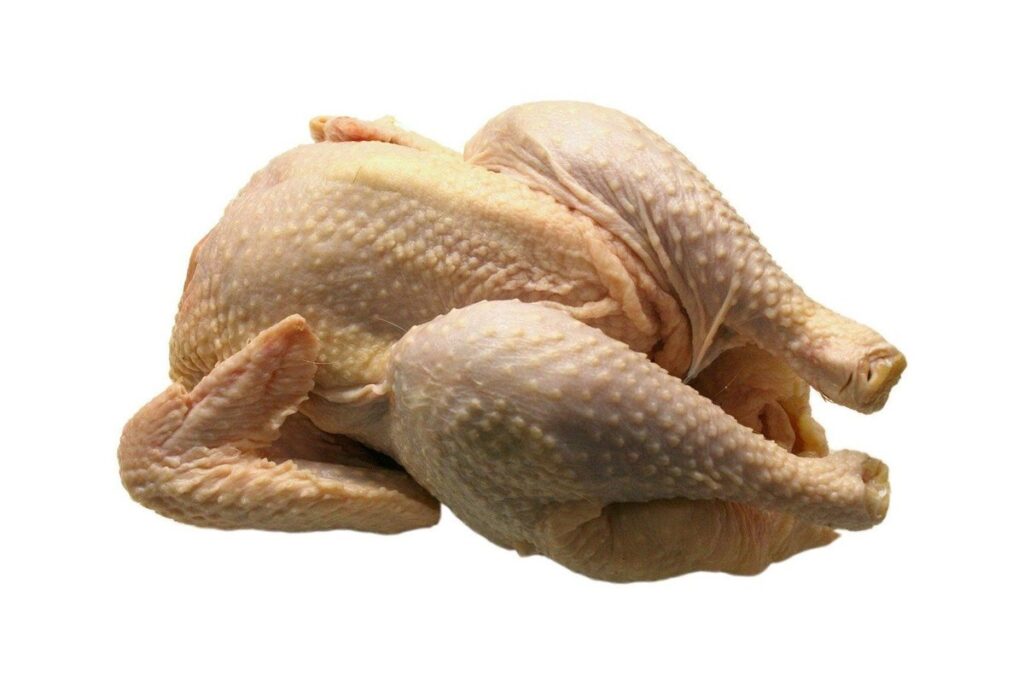
What Are Cornish Cross Broilers?
If you’re new to raising chickens for meat, chances are you’ve heard of Cornish Cross broilers – but what exactly does that mean? Let’s take a closer look.
Origin and History
Cornish Cross broilers have a fascinating history that dates back to the early 20th century. The breed was developed in England by cross-breeding Cornish hens with other domesticated birds, such as Plymouth Rock chickens and White Wyandottes. This innovative breeding program aimed to create a bird that would grow quickly and efficiently, making it ideal for commercial poultry production.
The result of this selective breeding process was the Cornish Cross broiler, which has since become one of the most popular breeds used in industrial farming. The breed’s unique characteristics, such as its rapid growth rate, compact frame, and high-yielding breast meat, made it an attractive option for large-scale commercial producers.
Interestingly, the Cornish Cross broiler was originally developed to meet the growing demand for poultry during World War II. With the introduction of new technologies and feeding practices, farmers were able to produce more birds at a faster rate, making it possible to supply the increasing number of consumers with fresh meat. Today, the Cornish Cross broiler remains a staple in commercial poultry production due to its efficiency and productivity.
Characteristics and Benefits
When it comes to raising poultry for meat production, Cornish Cross broilers stand out from other breeds due to their exceptional characteristics. One of the most notable advantages is their incredibly rapid growth rate. These birds can grow up to 5-6 pounds in just 4-5 weeks, making them an ideal choice for large-scale commercial operations or those looking to get a quick turnaround.
Another benefit of Cornish Cross broilers is their high feed efficiency. They convert feed into lean meat more efficiently than other breeds, resulting in significant cost savings for farmers and producers. According to the National Chicken Council, Cornish Cross chickens require about 1.5 pounds of feed per pound of live weight gained, making them a top choice for large-scale producers.
Their compact size and docile nature also make them well-suited for small-scale backyard flocks or hobby farms. However, it’s essential to note that their high growth rate can sometimes lead to health issues if not managed properly. Regular monitoring and attention to feeding schedules are crucial to ensure the birds’ overall health and well-being.
Choosing the Right Cornish Cross Broiler for Your Needs
When it comes to selecting a Cornish Cross broiler, there are several factors to consider, including size, temperament, and growth rate. This section will help you navigate these key considerations.
Factors to Consider
When selecting a Cornish Cross broiler breed, there are several key factors to consider to ensure you get the right bird for your needs. First and foremost, size is an essential consideration. While all Cornish Cross birds will grow large enough to be suitable for meat production, some may reach market weight faster than others due to genetic variations.
Another crucial factor to consider is sex. Male and female Cornish Cross broilers have different growth rates and characteristics that can impact their suitability for your operation. Males tend to grow faster and larger, making them ideal for large-scale commercial operations, while females are often preferred by smaller farmers and backyard producers due to their slower growth rate.
Age is also an important consideration when choosing a Cornish Cross broiler breed. While many farms prefer to start with day-old chicks, others may opt for older birds that have already begun to grow and develop. Regardless of age, it’s essential to consider the overall health and temperament of the bird to ensure a smooth and successful integration into your flock.
Ultimately, taking these factors into account will help you make an informed decision when selecting a Cornish Cross broiler breed that meets your specific needs and operation requirements.
Sources and Suppliers
When it comes to sourcing reputable suppliers or breeders of Cornish Cross broilers, you have several options to consider. Online marketplaces such as Cackle Hatchery and Meyer Hatchery offer a wide selection of breeds, including Cornish Cross, and often provide detailed information about the birds’ heritage, feeding recommendations, and expected growth rates.
If you’re looking for a more personal touch, consider contacting local farms or hatcheries in your area. These businesses may offer pick-up or delivery services, allowing you to inspect the birds before purchasing them. Many also provide expert advice on raising Cornish Cross broilers, including tips on nutrition, health, and processing.
Another option is to purchase directly from a reputable breeder. Websites such as Craigslist and local classifieds can be a good resource for finding breeders in your area. However, exercise caution when dealing with private sellers, and make sure to research the breeder’s reputation before making a purchase. Always ask questions about the birds’ ancestry, health guarantees, and any additional services they may offer.
When selecting a supplier or breeder, be sure to consider factors such as customer reviews, shipping policies, and product guarantees. With a little research and due diligence, you can find a reliable source for high-quality Cornish Cross broilers that meet your specific needs.
Raising Cornish Cross Broilers for Optimal Growth
For optimal growth, it’s essential that you provide your Cornish Cross broilers with a nutritious diet, adequate space, and regular health checks to prevent disease. Let’s explore some crucial tips to get you started!
Nutrition and Feed Management
When it comes to raising Cornish Cross broilers for optimal growth, proper nutrition and feed management are crucial. These birds have specific dietary needs that must be met to ensure they grow at a healthy rate and achieve maximum efficiency.
Cornish Cross broilers require a high-energy diet that is rich in protein and calories. A balanced starter diet should contain around 20-22% protein, with a mix of corn, soybean meal, and other energy-rich ingredients. As the birds grow, their dietary needs change, and it’s essential to transition them to a grower feed that contains at least 18-20% protein.
In addition to their main diet, Cornish Cross broilers can also benefit from dietary supplements such as probiotics or electrolytes to support gut health and prevent stress-related issues. It’s recommended to consult with a veterinarian or experienced poultry farmer to determine the best supplement options for your flock.
By providing your Cornish Cross broilers with the right nutrition and feed management, you’ll be setting them up for success and achieving optimal growth rates, which can lead to increased profitability and efficiency in your operation.
Health Considerations
When raising Cornish Cross broilers for optimal growth, it’s essential to be aware of common health issues that can affect their well-being. One of the primary concerns is sudden death syndrome (SDS), a condition caused by the rapid growth rate and high feed intake of these birds. SDS is often associated with stress, heat exhaustion, and nutritional imbalances.
To mitigate this risk, it’s crucial to implement proper vaccination protocols, including vaccinations against diseases such as Newcastle disease and infectious bronchitis. These vaccinations should be administered according to the manufacturer’s instructions and in consultation with a veterinarian. Additionally, providing access to clean water and a balanced diet is vital for maintaining their overall health.
You can also take proactive measures by monitoring your flock regularly for signs of stress or illness, such as labored breathing, lethargy, or changes in appetite. Regular cleaning and disinfection of the coop and surrounding areas can help prevent the spread of disease. By prioritizing the health and well-being of your Cornish Cross broilers, you can ensure they reach their full growth potential while minimizing the risk of health issues.
Managing Growth Rate and Weight Gain
As you work towards raising healthy Cornish Cross broilers, it’s essential to strike a balance between growth rate and weight gain to ensure your birds thrive. Let’s explore some tips for managing their development.
Understanding Growth Patterns
Monitoring the growth rate of your Cornish Cross broilers is crucial to ensure they reach market weight efficiently and without compromising their health. A key aspect of this is tracking weight gain. You can do this by regularly weighing your birds, ideally at 2-3 week intervals, starting from around 4-5 weeks of age.
To adjust feed accordingly, consider the following:
* Use a weight-based feeding program to ensure you’re providing the right amount of feed based on each bird’s individual growth rate.
* Increase feed intake as needed to support rapid weight gain. For example, if your birds are averaging 1 pound per day in weight gain, you may need to increase their feed by 10-15% to continue this rate.
* Keep an eye out for signs of overfeeding or underfeeding, such as changes in droppings, egg production (in hens), or overall appearance.
Tips for Optimizing Growth
As you monitor the growth rate and weight gain of your Cornish Cross broilers, it’s essential to optimize their development for optimal meat quality. To achieve this, make sure they have access to a nutrient-rich starter feed formulated specifically for broiler chicks. This initial feed will lay the foundation for their overall growth and health.
Aim to offer free-choice water at all times, as dehydration can significantly impact growth rate. Ensure your chickens are also provided with adequate space and ventilation in their housing to prevent stress-related issues that might compromise their weight gain.
Another crucial aspect of optimizing growth is maintaining a suitable lighting schedule. Aim for 24 hours of light during the first week, gradually reducing it by 1-2 hours each subsequent week until you reach 10-12 hours per day at 6-8 weeks old.
Keep in mind that every flock is unique, and what works for one group may not be effective for another. Monitor your birds closely, adjusting their environment and nutrition as needed to ensure they’re thriving. With attention to these details, you’ll be well on your way to raising healthy, high-quality broilers.
Handling and Processing Cornish Cross Broilers
When it comes time to harvest your Cornish Cross broilers, proper handling and processing are crucial for both quality meat and animal welfare. Let’s cover the essential steps for humane and efficient processing.
Humaneness and Efficiency
When handling and processing Cornish Cross broilers, it’s essential to strike a balance between humane treatment and efficient practices. This may seem like an oxymoron, but the truth is that these two aspects are not mutually exclusive.
Humane handling starts from the moment the birds arrive at your facility. Ensure they have access to clean water and a stress-free environment, free from overcrowding and loud noises. Minimize transportation time by processing birds as soon as possible after arrival. This approach reduces stress on the animals, which can lead to improved meat quality.
Efficient methods for reducing waste and improving yields involve careful planning and attention to detail. For instance, when eviscerating birds, it’s crucial to keep knives sharp and work in a clean environment to prevent contamination. Use a “cut-and-clip” method to minimize waste by cutting through joints and then clipping off the unwanted parts.
Another key aspect is proper scalding and chilling of carcasses. This step helps loosen feathers for easier removal and prevents spoilage. Ensure your chillers are functioning correctly, as temperature fluctuations can compromise meat quality.
By implementing these humane handling practices and efficient methods, you’ll not only improve the welfare of your animals but also optimize yields and reduce waste. In fact, research suggests that well-handled birds result in a 20% increase in yield and better quality meat.
When working with Cornish Cross broilers, it’s vital to stay informed about industry developments and best practices. Attend workshops or conferences to learn from experienced professionals and adapt new techniques to your operation.
Benefits and Considerations for Small-Scale and Commercial Producers
When considering raising Cornish Cross broilers, whether you’re a seasoned farmer or just starting out, it’s essential to weigh the benefits against potential challenges. This section will explore key considerations for both small-scale and commercial producers.
Comparison of Production Methods
When it comes to raising Cornish Cross broilers, small-scale and commercial producers have distinct approaches. Small-scale operations often prioritize humane treatment and individualized care, which can be achieved through more manageable flock sizes and flexible feeding schedules. This approach allows for a closer bond between the producer and birds, enabling early detection of health issues.
Commercial production, on the other hand, relies heavily on efficiency and cost-effectiveness. Large-scale farms may use automated feeding systems and rely on antibiotics to maintain bird health. While this method can be more scalable and profitable in the short term, it raises concerns about animal welfare and antibiotic resistance.
For small-scale producers, incorporating elements of commercial production can help streamline operations and increase efficiency. For instance, implementing a standardized feeding schedule or using integrated pest management strategies can mitigate some of the challenges associated with smaller flock sizes. However, this should be done thoughtfully to avoid compromising the unique benefits that small-scale production offers.
Economic Viability
When it comes to rearing Cornish Cross broilers, economic viability is a crucial consideration for both small-scale and commercial producers. The key to making this breed profitable lies in understanding their unique growth characteristics and production requirements.
On average, Cornish Cross birds reach market weight in just 5-6 weeks, which can lead to higher feed costs per pound of meat produced. However, their exceptional growth rate also means they can be sold at a premium price, offsetting these costs. To maximize profits, focus on optimizing feed efficiency by using high-quality starter and finisher feeds, as well as implementing strategies like multi-stage feeding.
According to the National Agricultural Statistics Service (NASS), in 2020, the average revenue generated per broiler farm in the US was approximately $1.4 million. While this figure may seem daunting, it’s achievable even for small-scale producers who can sell their birds directly to consumers or at local markets. To get started, consider pricing your Cornish Cross birds competitively based on weight and quality, targeting a minimum of 5-6 dollars per pound live weight.
Conclusion: Maximizing Success with Cornish Cross Broilers
By now, you’ve learned the ins and outs of raising healthy and productive Cornish Cross broilers. Here’s a recap on how to maximize their success in your backyard flock.
Recap and Key Takeaways
When it comes to raising Cornish Cross broilers successfully, there are several key takeaways from this article that you should keep in mind. First and foremost, selecting the right breed is crucial for maximizing success.
You’ve learned about the benefits of choosing a reputable breeder, the importance of verifying chick quality, and how to identify potential health issues early on. Remember, a healthy start sets the stage for a successful production cycle.
In addition to selecting the right breed, proper care is essential for Cornish Cross broilers to thrive. This includes providing adequate space, nutrition, and hydration from day one. You’ve also learned about the importance of vaccinations, parasite control, and maintaining clean living conditions.
Optimizing growth is another critical aspect of successful production. By implementing strategies such as controlled lighting, heat stress management, and targeted feed programs, you can help your birds reach their full potential weight quickly and efficiently.
Some key takeaways from this article include:
* Aiming for 1-2 pounds of gain per day to achieve optimal growth rates
* Ensuring adequate ventilation and temperature control in the brooder to prevent heat stress
* Implementing a targeted feed program that addresses specific nutrient needs at different stages of growth
By following these best practices, you can set your flock up for success and maximize profits. Remember, successful production requires attention to detail and a commitment to providing top-notch care.
Finally, it’s worth noting that every flock is unique, so be prepared to adapt and adjust your strategies as needed. Don’t be afraid to reach out to experts or industry professionals if you have questions or concerns along the way. With careful planning, attention to detail, and a willingness to learn, you can raise healthy, thriving Cornish Cross broilers that meet your production goals.
Frequently Asked Questions
Can I raise Cornish Cross broilers without prior experience in poultry farming?
Yes, you can start raising Cornish Cross broilers even if you have no prior experience with poultry farming. However, it’s essential to do thorough research and follow proper guidelines to ensure the health and well-being of your flock. Start by learning about their specific needs, such as nutrition and space requirements, and consult with experienced farmers or veterinarians for guidance.
How can I manage growth rate and weight gain in my Cornish Cross broilers?
To optimize growth rates, provide a balanced diet that meets the nutritional needs of your birds. Ensure they have access to fresh water at all times and maintain a clean and hygienic living environment. Monitor their weight regularly and adjust feeding schedules accordingly to promote healthy growth.
Can I raise Cornish Cross broilers in small spaces or backyards?
Yes, it’s possible to raise Cornish Cross broilers in small spaces or backyards, but you’ll need to provide adequate space for movement and exercise. A minimum of 2-3 square feet per bird is recommended, and ensure they have access to fresh air and sunlight.
What are the most common health issues I should be aware of when raising Cornish Cross broilers?
Common health issues in Cornish Cross broilers include sudden death syndrome (SDS), ascites, and breast blisters. To mitigate these risks, maintain a clean living environment, ensure proper ventilation, and monitor your flock’s health regularly.
Can I sell my Cornish Cross broilers directly to consumers or must I go through a processing plant?
You can choose to either sell your Cornish Cross broilers directly to consumers or process them through a licensed facility. Research local regulations and consumer demand to determine the best approach for your operation.